Artwork
Mary, Queen of Scots
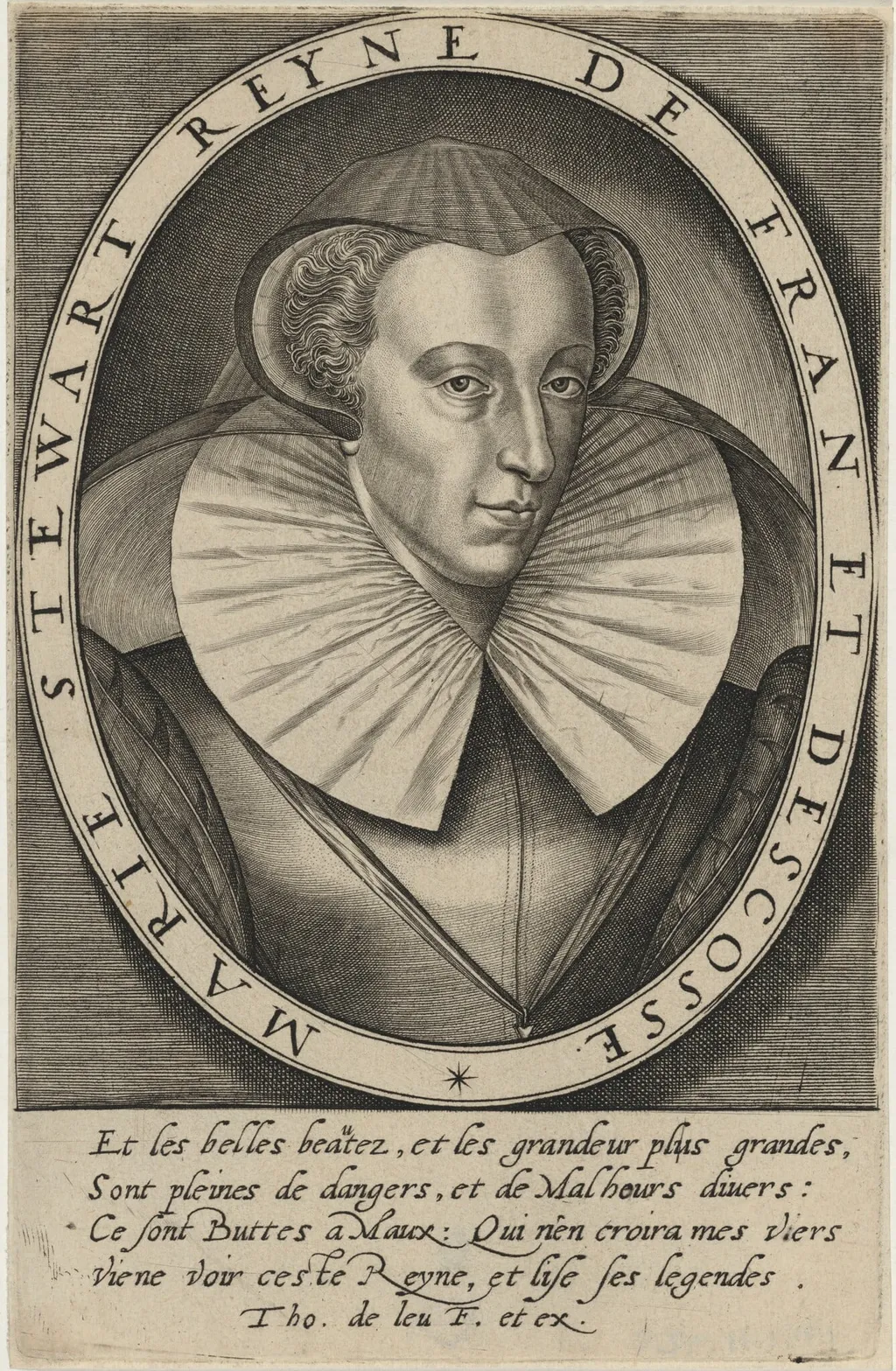
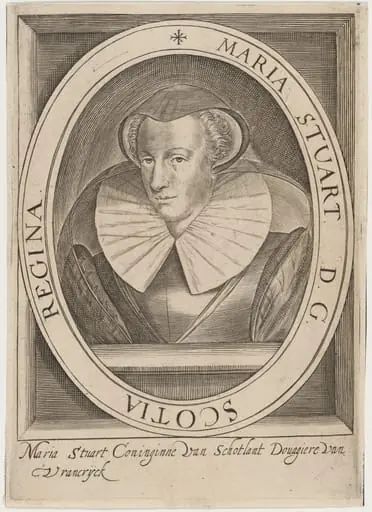
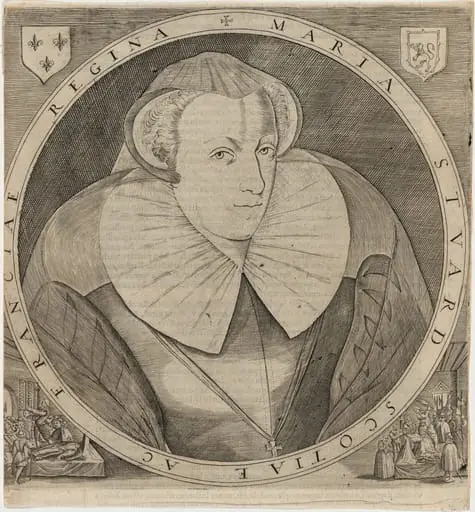
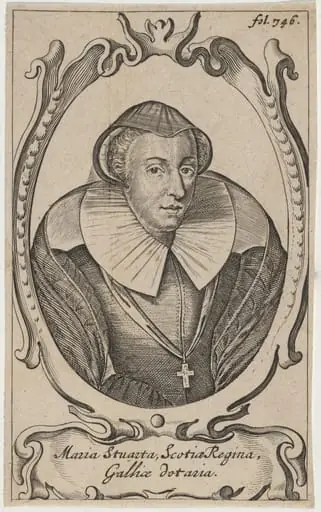
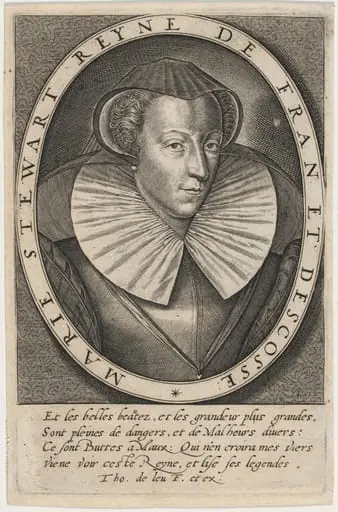
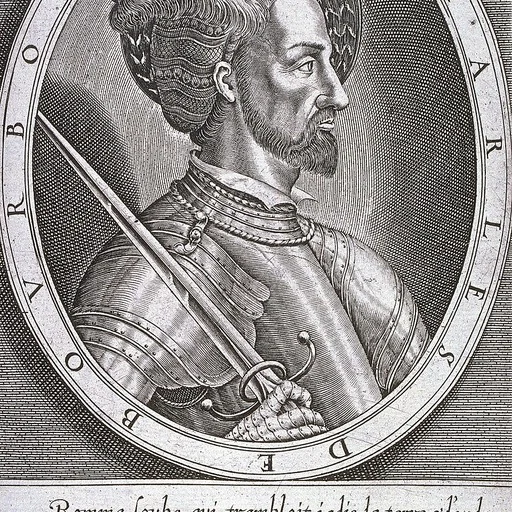
Mary, Queen of Scots is an ink print by the Renaissance artist Thomas de Leu. It dates from 1590 and is held in the collection of the National Gallery of Art.
About this work
Overview
Working as both artist and publisher, he specialized in reproductive prints that reached broad audiences across Europe.
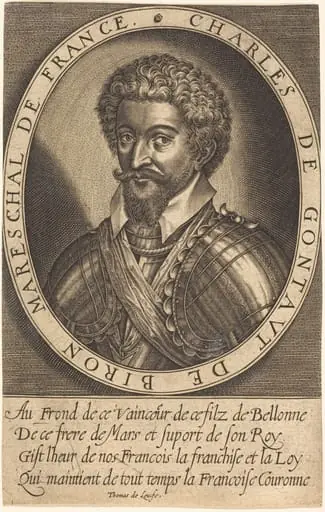
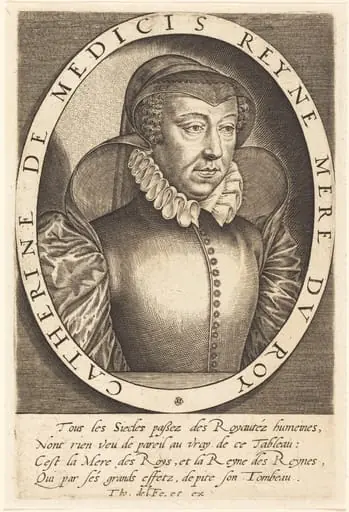
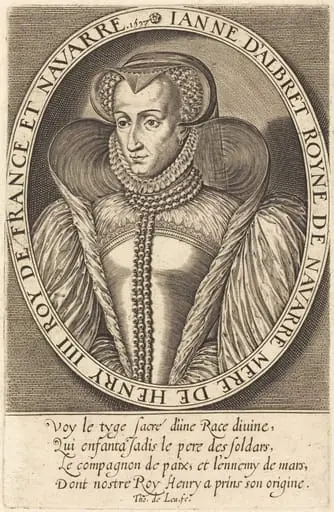
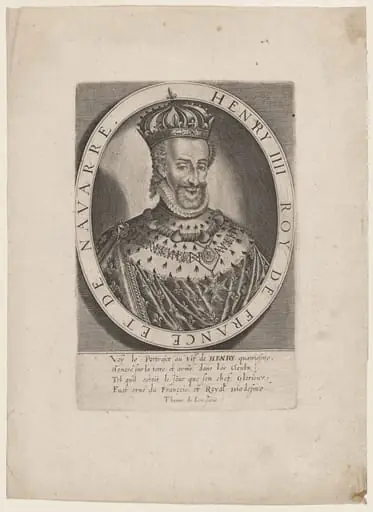
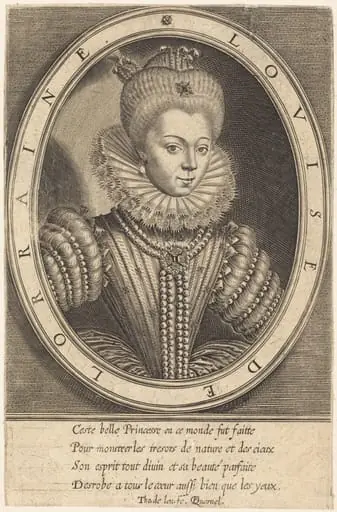
Thomas de Leu, a French engraver of Flemish descent, produced this black-and-white portrait in 1590. Working as both artist and publisher, he specialized in reproductive prints that reached broad audiences across Europe. The image presents a male figure with a ruffled collar and curly hair, labeled as Mary, Queen of Scots — a misidentification that reflects the era’s symbolic rather than literal approach to royal portraiture.
Subject & Meaning
Though labeled as Mary, Queen of Scots, the figure is visually male, suggesting the print was not intended as a literal likeness but as a symbolic representation. During the late 16th century, printed images of deposed monarchs often served political or devotional purposes, relying on conventional iconography rather than accurate resemblance to convey authority or legitimacy.
Technique & Style
Executed in engraving, the portrait uses fine, incised lines to model form and texture, particularly in the elaborate ruff and the contours of the face. The circular frame and plain background focus attention on the figure, while the precise shading reflects Renaissance ideals of clarity and control. The technique allowed for multiple impressions, aiding the print’s dissemination.
History & Provenance
Created in 1590, the print emerged during a period of intense political propaganda surrounding Mary’s imprisonment and eventual execution. De Leu, active in Paris, distributed such images through established networks, likely catering to audiences interested in the Tudor-Stuart dynastic conflicts. Its survival in collections today attests to its circulation beyond its original context.
Context
In late 16th-century Europe, printed portraits of controversial figures like Mary were tools of memory and ideology. Accurate likenesses were rare; instead, standardized types conveyed status through dress and pose. The misgendering here may reflect either artistic convention, limited access to reliable sources, or deliberate ambiguity in representing a figure whose identity was politically contested.
Legacy
This engraving exemplifies how print culture shaped public perception of historical figures before photography. Though factually flawed, it reveals how visual symbols were adapted to serve narrative needs. Its existence in archives today underscores the role of reproductive prints in preserving and distorting the imagery of power during the early modern period.
Artist & collection
Artist
Thomas de Leu or Leeuw or Le Leup or Deleu (1560–1612) was a French engraver, publisher, and print dealer of Flemish origin.