Artwork
Seneca
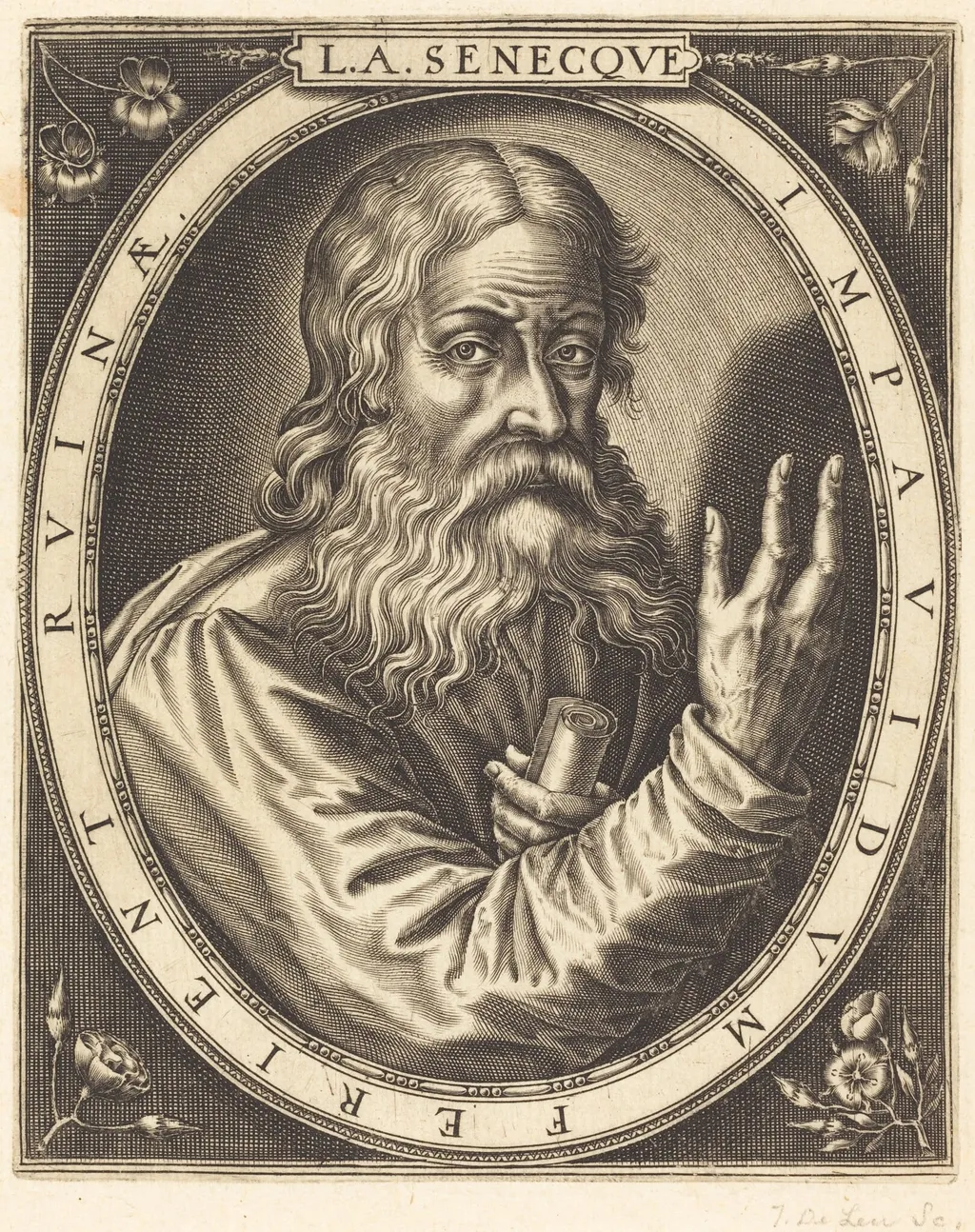
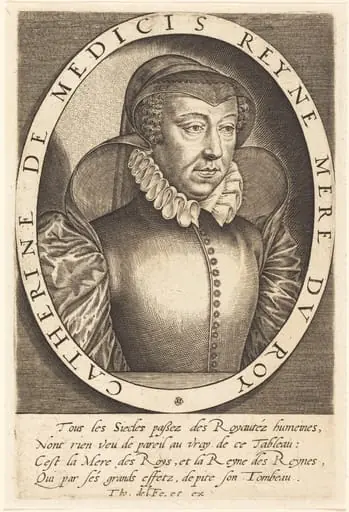
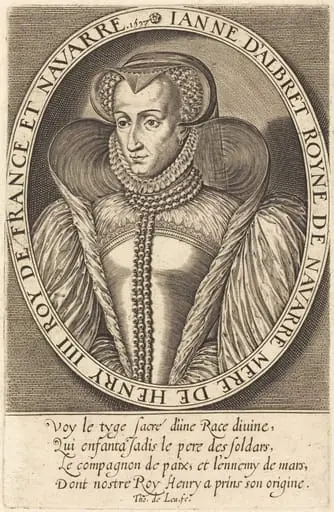
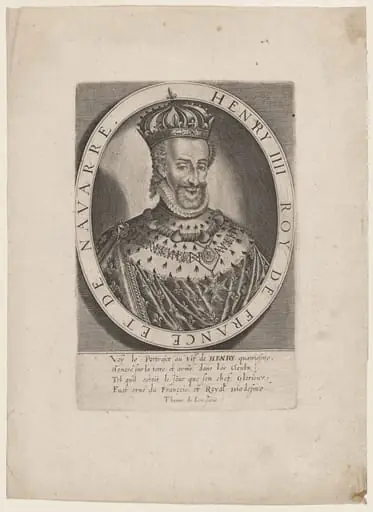
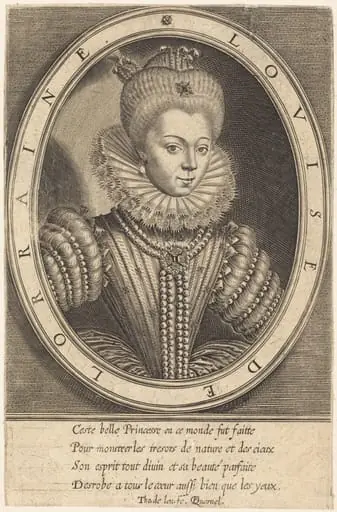
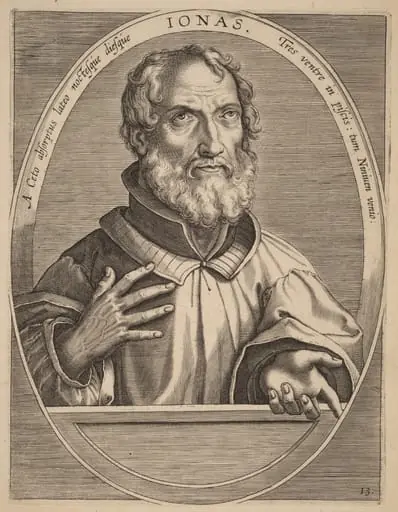
Seneca is an ink print by the Renaissance artist Thomas de Leu. It dates from 1590 and is held in the collection of the National Gallery of Art.
About this work
Overview
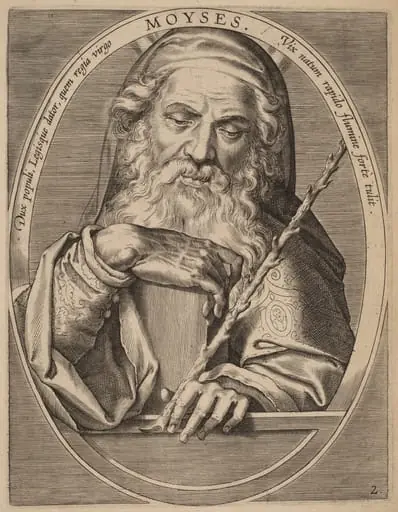
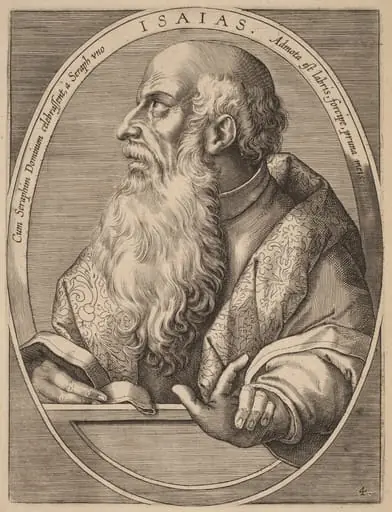
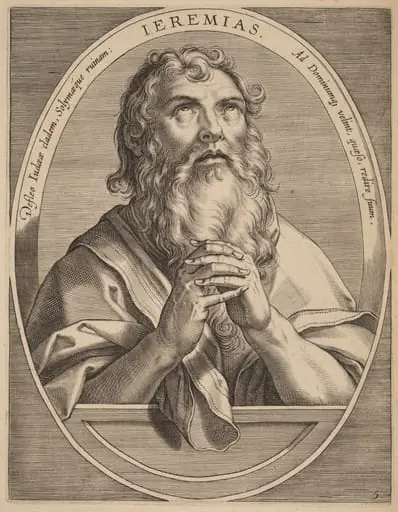
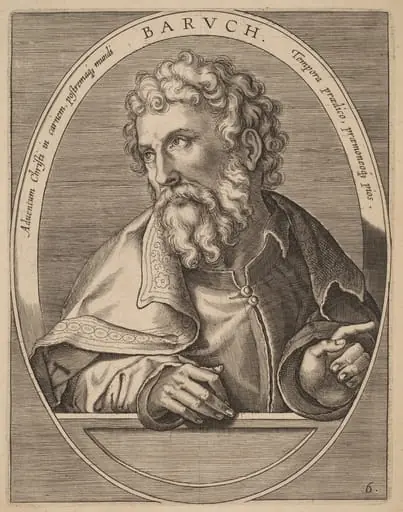
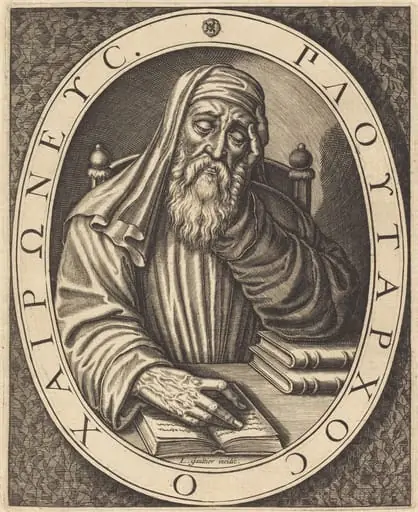
Around 1590, Thomas de Leu, a Flemish‑born engraver active in France, produced an engraved portrait of the Roman Stoic philosopher Seneca on laid paper. The print presents a dignified, bearded figure in a simple robe, holding a scroll and gesturing as if addressing an audience. The composition is framed by modest ornamental motifs and a Latin inscription identifying the subject.
Subject & Meaning
The image captures Seneca, a central figure of Stoic thought, embodying the late‑Renaissance fascination with classical antiquity and moral philosophy. By depicting him with a scroll and an expressive hand, the work underscores his role as a teacher and author, inviting viewers to contemplate the ethical ideas associated with his writings.
Technique & Style
De Leu employed fine, cross‑hatching lines to model the texture of the beard, hair, and drapery, creating subtle tonal variations on the monochrome surface. The engraving’s precise incisions and careful handling of light convey depth despite the flat background, while the decorative border and Latin lettering reflect contemporary print conventions.
History & Provenance
Thomas de Leu was a prolific printmaker and publisher whose works circulated widely in the late sixteenth and early seventeenth centuries, aiding the spread of classical imagery across Europe. This particular portrait of Seneca would have been sold as a single print, likely to scholars and collectors interested in humanist subjects, and survives in several museum collections today.
Artist & collection
Artist
Thomas de Leu or Leeuw or Le Leup or Deleu (1560–1612) was a French engraver, publisher, and print dealer of Flemish origin.