Artwork
Eighteen Views of Rome: The Piazza Barberini (recto)
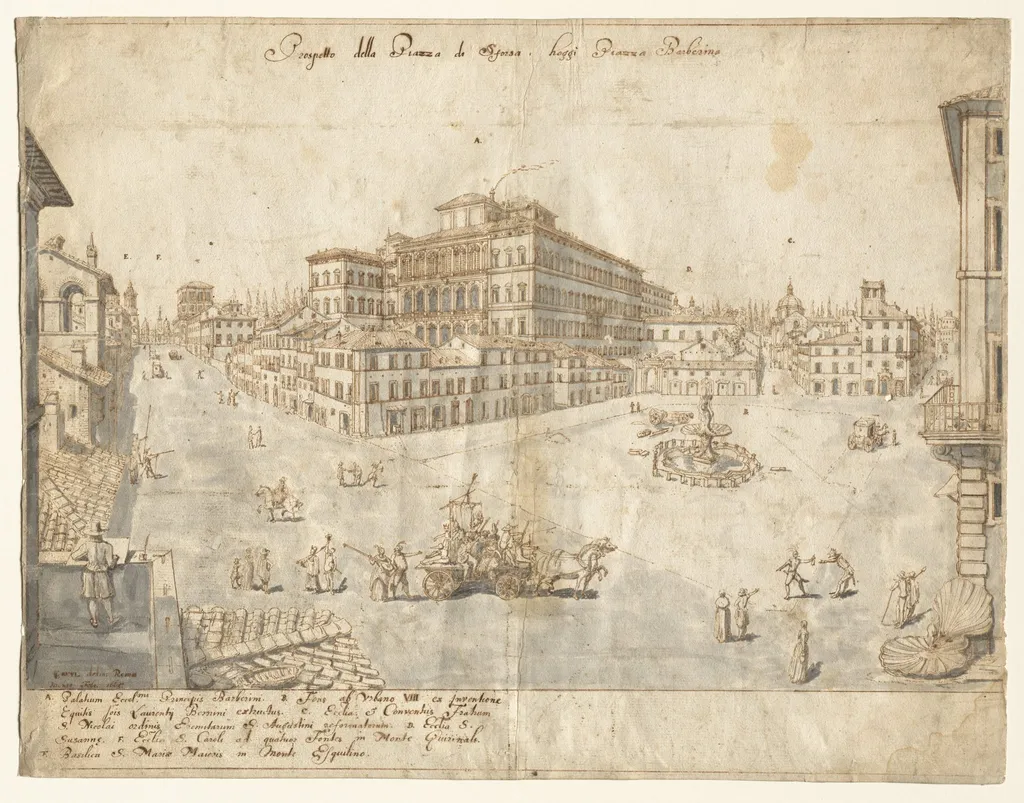
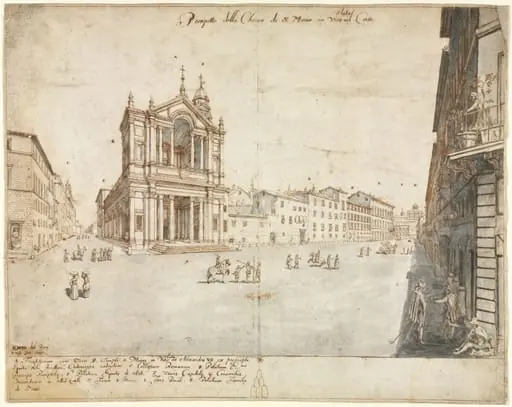
Eighteen Views of Rome: The Piazza Barberini (recto) is a drawing by the Baroque artist Lievin Cruyl. It dates from 1665 and is held in the collection of the Cleveland Museum of Art.
About this work
This drawing shows a busy square in Rome with tall buildings and a big fountain.
This drawing shows a busy square in Rome with tall buildings and a big fountain. People walk, ride horses, and drive carts along the streets. Construction is happening on the left, with stacks of bricks and workers. The buildings have many windows and some look unfinished.
The title says this is the Piazza Barberini, a real place in Rome. The artist drew it in 1665, showing how the city looked back then.
If you like this, look up Baroque to see more art from this lively style.
Overview
Created in 1665, this pencil drawing by Lievin Cruyl is one of eighteen views of Rome documenting the city’s urban fabric during the mid-seventeenth century. Executed with precision, it captures the Piazza Barberini as a dynamic public space. The work is part of a series that reflects a growing interest in topographical accuracy among European artists. It resides today in the collection of the Cleveland Museum of Art.
Subject & Meaning
The drawing depicts the Piazza Barberini in Rome, centered on its prominent fountain and surrounded by dense architecture. Figures move through the square—pedestrians, riders, and cart drivers—conveying daily life. On the left, construction activity suggests ongoing urban development. The scene is not idealized; it presents the city as lived-in, with incomplete buildings and active labor, offering a record of Rome’s evolving infrastructure.
Technique & Style
Cruyl rendered the scene in fine pencil lines, using delicate hatching to suggest depth and texture. Architectural details—windows, cornices, and stonework—are carefully observed, while the figures are simplified but dynamically arranged. The composition balances verticality of buildings with horizontal movement of the square, reflecting a topographical approach common among Northern European draftsmen working in Italy at the time.
History & Provenance
Lievin Cruyl, a Flemish architect and draftsman, produced this series during his time in Rome, likely commissioned or intended for scholarly circulation. The drawings were made as records rather than artistic expressions, valued for their documentary precision. The Cleveland Museum of Art acquired the work as part of a larger collection of European topographical drawings, preserving its historical significance.
Context
In 1665, Rome was undergoing architectural renewal under papal patronage, with projects like the Barberini Fountain enhancing public spaces. Cruyl’s drawing aligns with a broader trend among Northern artists to document Italian cities with empirical detail. His work contributes to a genre that bridged art and urban study, appealing to travelers, architects, and collectors interested in the physical character of the Eternal City.
Legacy
Cruyl’s series of Roman views remains a valuable resource for historians studying Baroque-era urbanism. Though not widely exhibited, the drawings offer unembellished evidence of Rome’s streetscapes before later renovations. Their survival in institutional collections underscores their role as early examples of architectural documentation, influencing later topographical practices in Europe.
Artist & collection

Artist
Lievin Cruyl or Lieven Cruyl was a Flemish priest and a draughtsman and etcher of landscapes, seascapes, and architectural views.

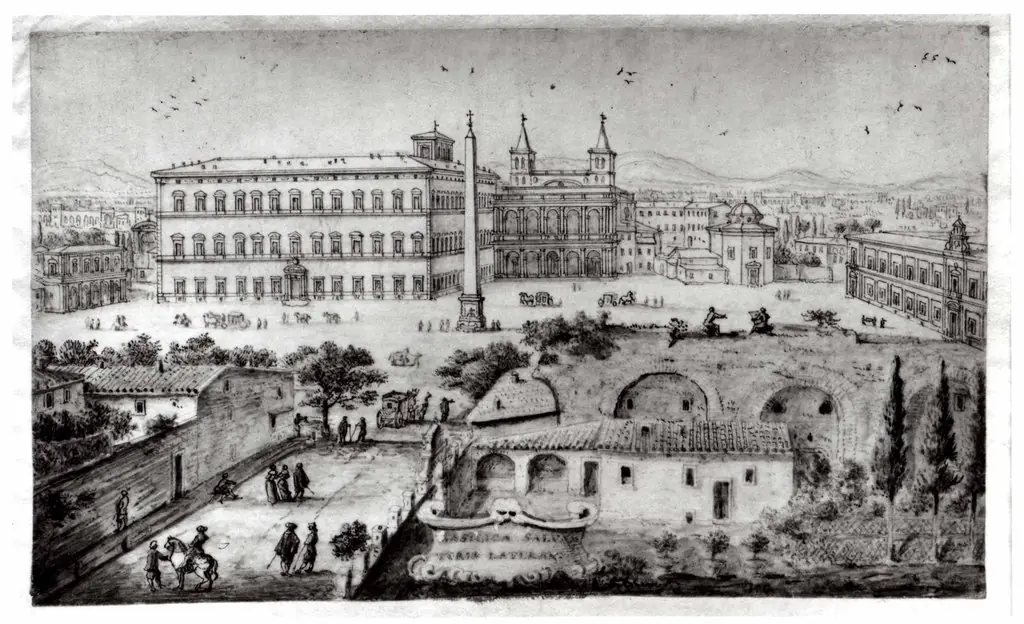 View of Lateran, Rome
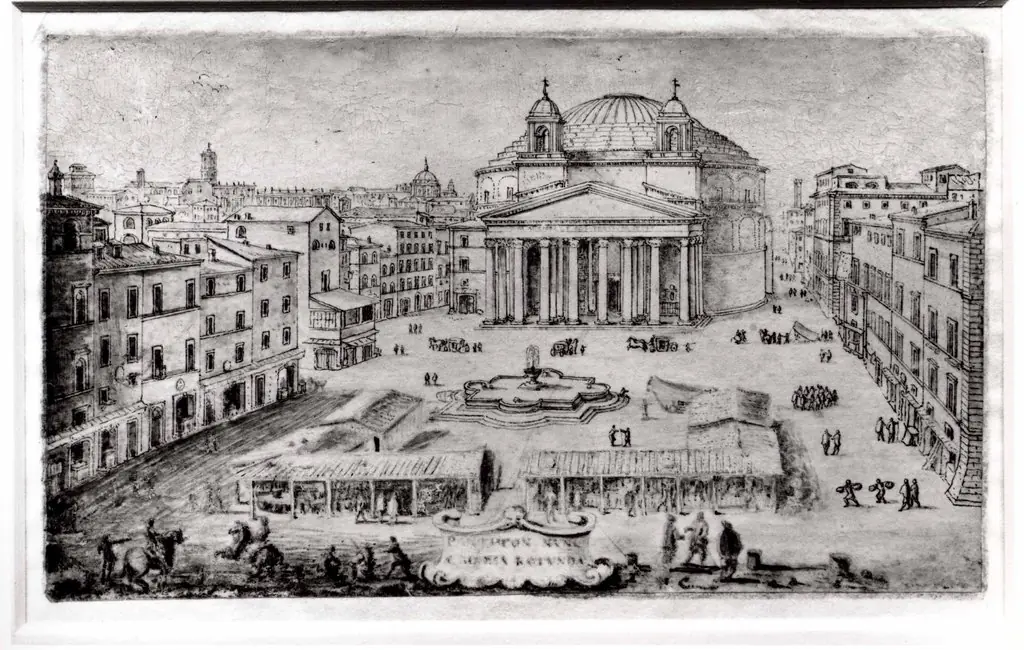 View of the Pantheon, Rome
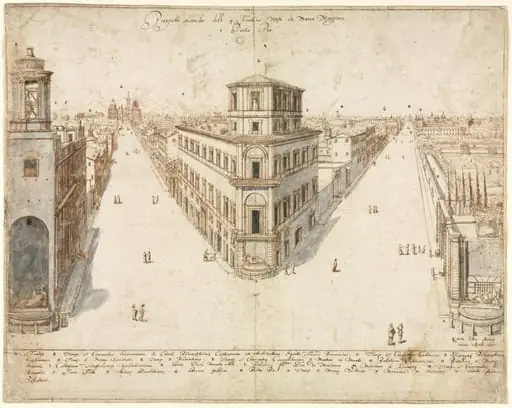 Eighteen Views of Rome: The Quattro Fontane Looking Toward Santa Maria Maggiore
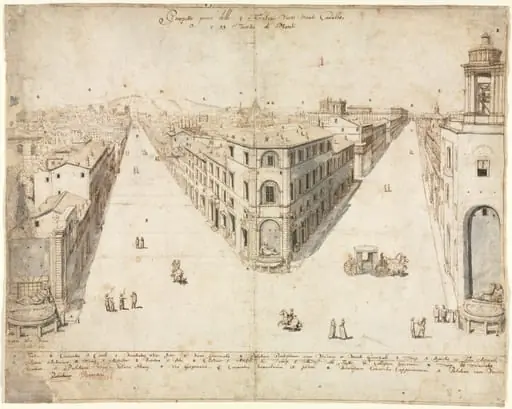 Eighteen Views of Rome: The Quattro Fontane Looking Toward Monte Cavallo
 Sketch for San Giovanni in Laterano (verso)
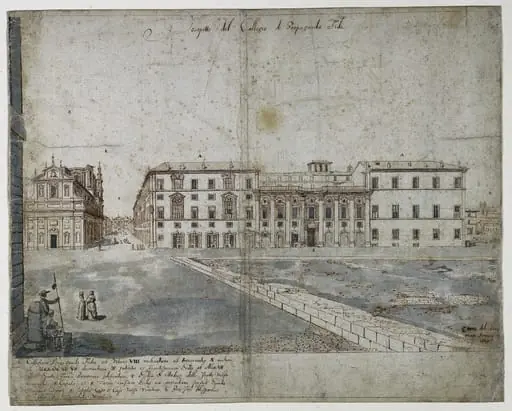 Eighteen Views of Rome: The Collegio di Propaganda Fide (recto)
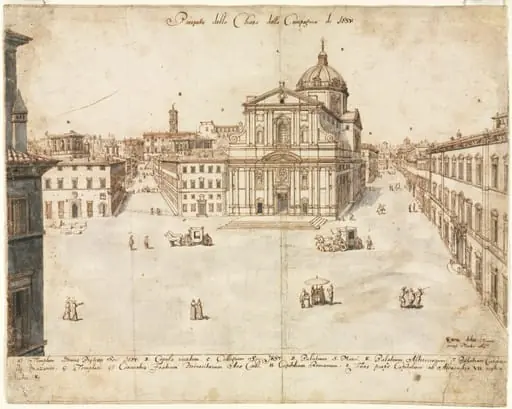 Eighteen Views of Rome: The Church of the Gesù
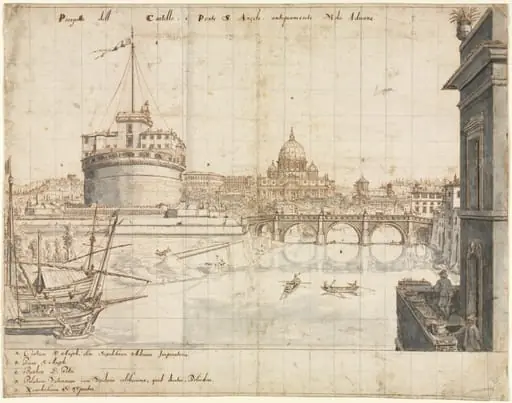 Eighteen Views of Rome: The Castel Sant'Angelo
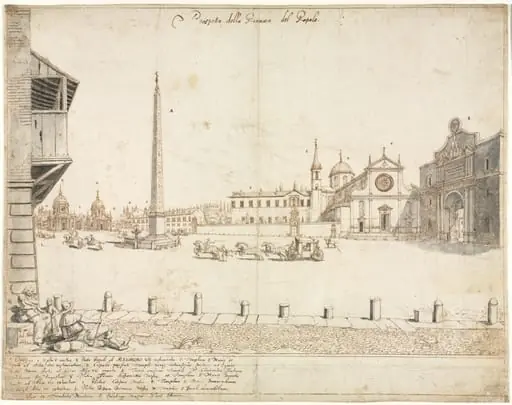 Eighteen Views of Rome: The Piazza del Popolo (recto)
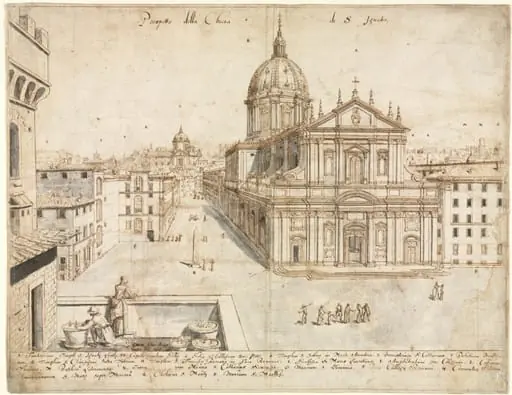 Eighteen Views of Rome: The Church of Sant'Ignazio
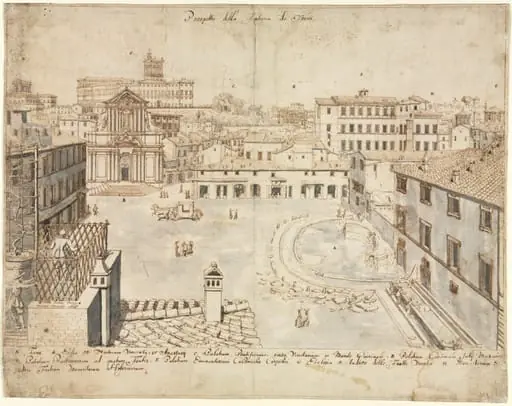 Eighteen Views of Rome: The Trevi Fountain
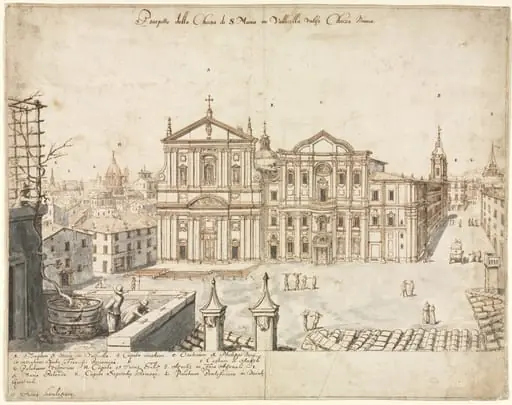 Eighteen Views of Rome: The Church of Santa Maria in Vallicella
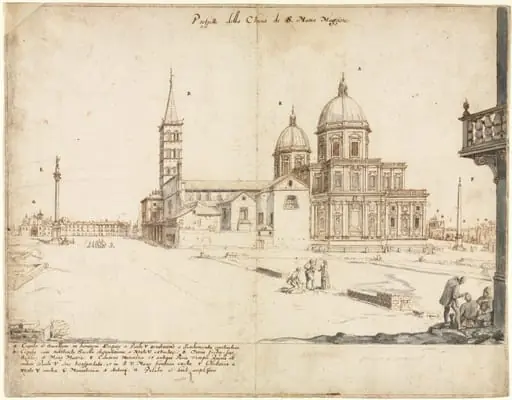 Eighteen Views of Rome: The Basilica of Santa Maria Maggiore
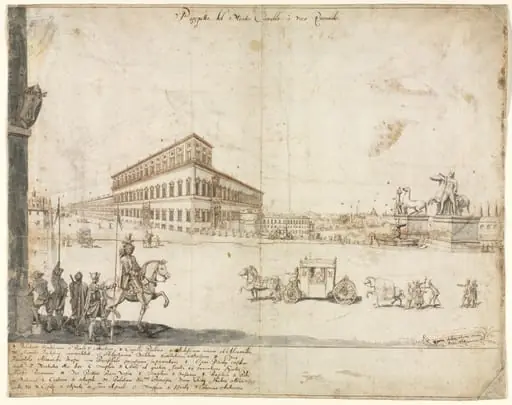 Eighteen Views of Rome: The Quirinale
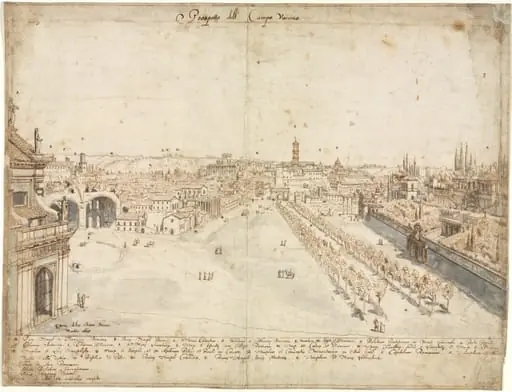 Eighteen Views of Rome: The Campo Vaccino (The Roman Forum)
 Eighteen Views of Rome: Santa Maria in Via Lata