Artwork
Eighteen Views of Rome: The Campo Vaccino (The Roman Forum)
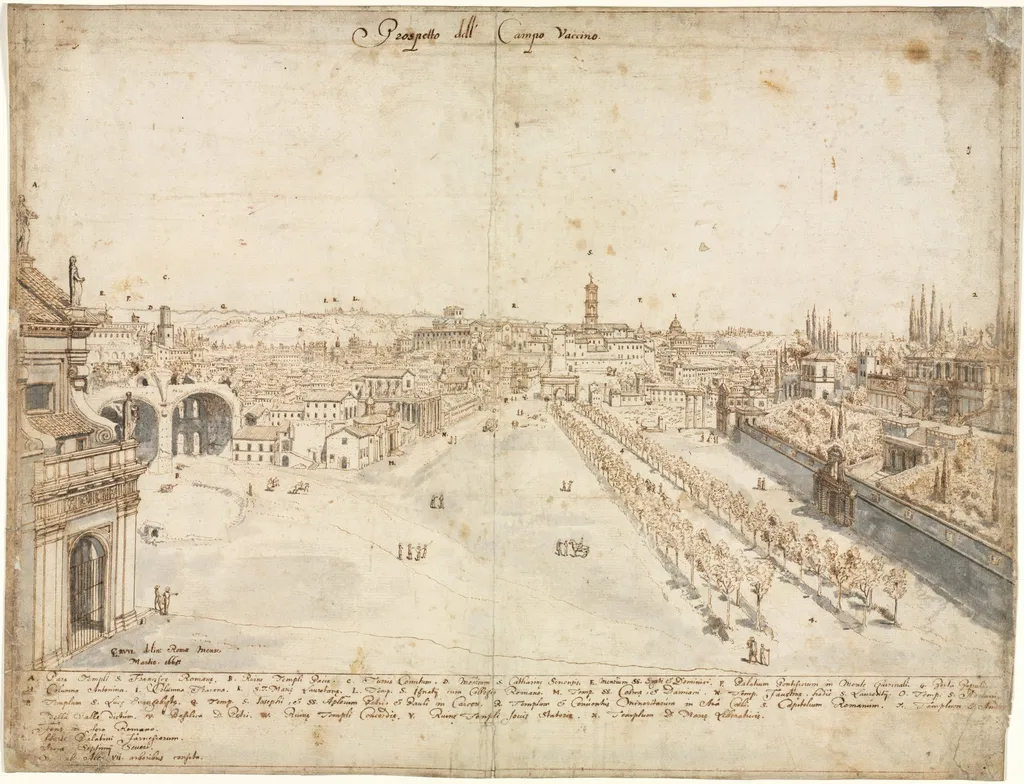
Eighteen Views of Rome: The Campo Vaccino (The Roman Forum) is a drawing by the Baroque artist Lievin Cruyl. It dates from 1665 and is held in the collection of the Cleveland Museum of Art.
About this work
Overview
Created in 1665 by Lievin Cruyl, this pen-and-ink drawing captures one of eighteen views of Rome produced during his time in the city. Executed with precise linework, it depicts the Campo Vaccino—the historic Roman Forum—as a layered urban ruin. The composition emphasizes architectural decay alongside active daily life, rendered in fine detail across a broad horizontal plane.
Subject & Meaning
Tiny figures—pedestrians, riders, and vendors—move along the path, suggesting the site’s continued use as a public thoroughfare despite its ruined state.
The drawing portrays the Roman Forum as a space where antiquity and contemporary life coexist. Crumbling columns and arches dominate the foreground, while standing buildings frame the edges. Tiny figures—pedestrians, riders, and vendors—move along the path, suggesting the site’s continued use as a public thoroughfare despite its ruined state. The scene reflects a fascination with Rome’s layered history.
Technique & Style
Cruyl employed fine pen strokes and subtle washes to define texture and depth. The meticulous rendering of architectural fragments, foliage, and human figures demonstrates a topographical precision typical of 17th-century Dutch and Flemish draftsmen. The composition’s linear perspective and atmospheric recession align with Baroque conventions, enhancing spatial complexity without theatrical exaggeration.
History & Provenance
Cruyl, a Flemish artist and architect, produced this series during a stay in Rome in the mid-1660s. The drawings were likely made as studies for potential engravings or as records of classical sites. The Cleveland Museum of Art acquired the work as part of a broader collection of European topographical drawings, preserving its role as a historical document of Rome’s urban fabric.
Context
In the 17th century, Rome attracted artists and travelers drawn to its ancient ruins and evolving Baroque cityscape. Cruyl’s work emerged alongside other topographical records by Northern Europeans who sought to document classical monuments. His approach balanced archaeological interest with observational realism, contributing to a growing genre of architectural vedute that valued accuracy over idealization.
Legacy
Cruyl’s series influenced later artists and architects interested in Rome’s spatial history. Though not widely exhibited in his lifetime, these drawings became valuable references for 18th-century antiquarians and landscape designers. The Campo Vaccino view remains a key example of how early modern draftsmen translated ruins into coherent, lived environments.
Artist & collection

Artist
Lievin Cruyl or Lieven Cruyl was a Flemish priest and a draughtsman and etcher of landscapes, seascapes, and architectural views.

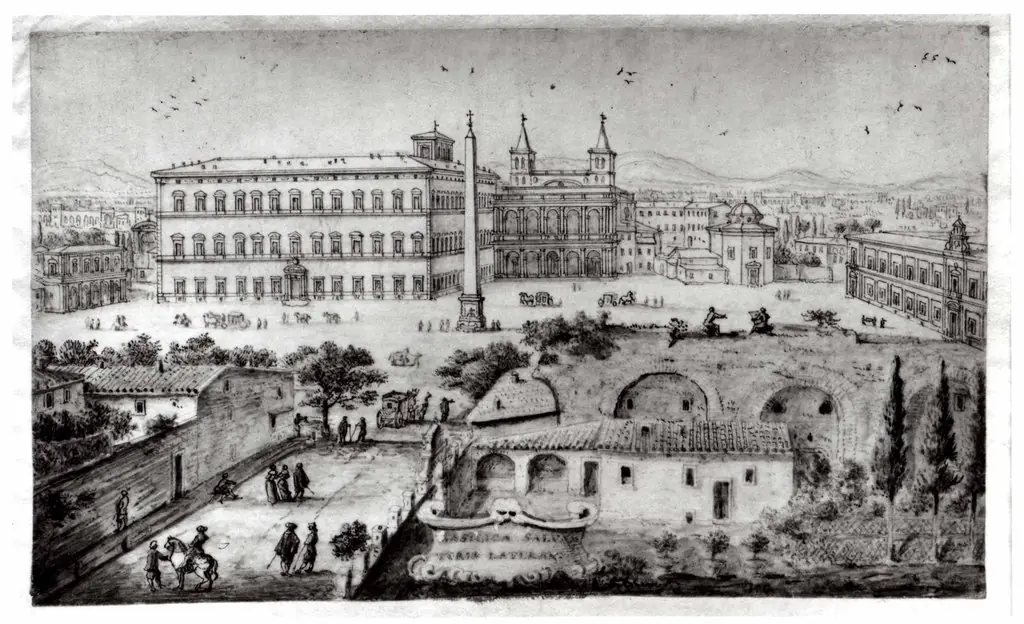 View of Lateran, Rome
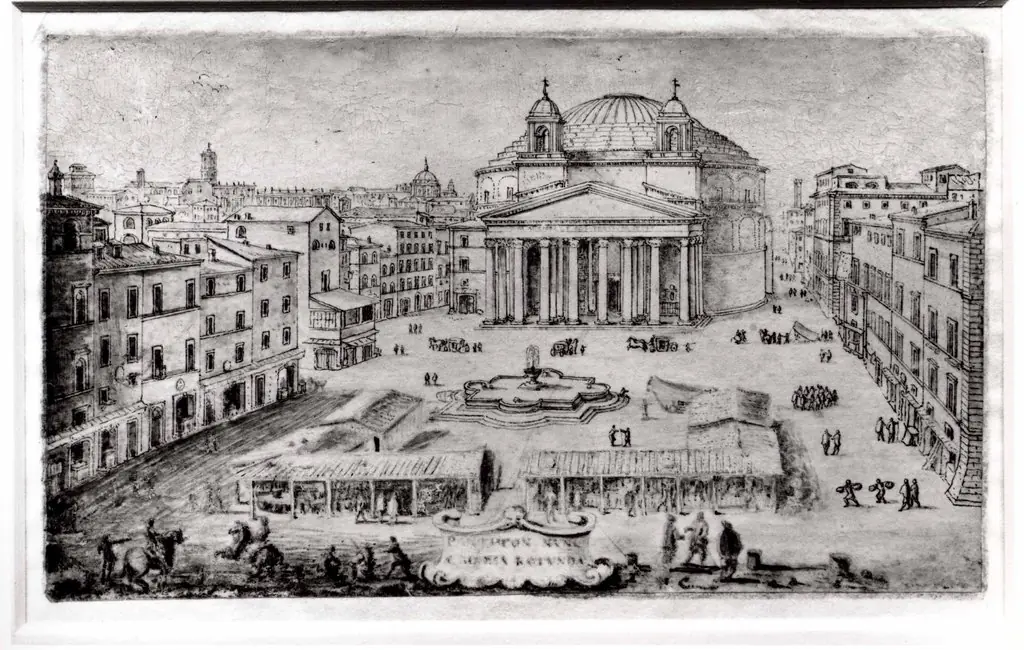 View of the Pantheon, Rome
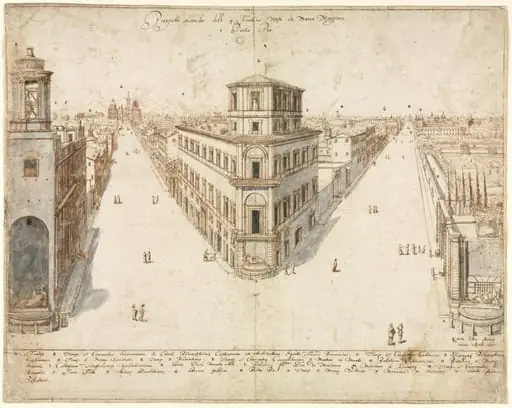 Eighteen Views of Rome: The Quattro Fontane Looking Toward Santa Maria Maggiore
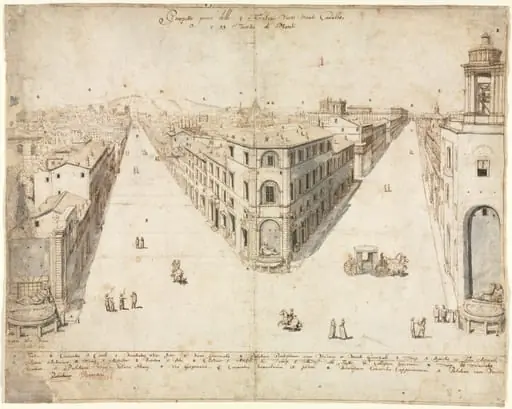 Eighteen Views of Rome: The Quattro Fontane Looking Toward Monte Cavallo
 Sketch for San Giovanni in Laterano (verso)
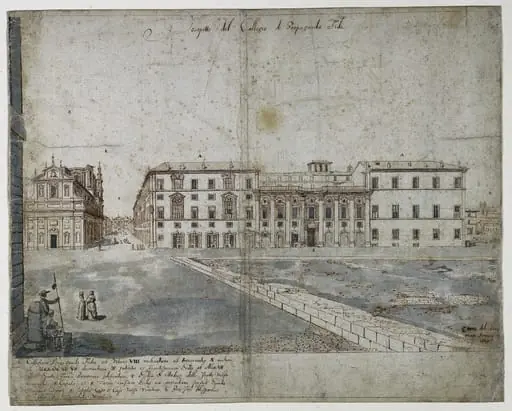 Eighteen Views of Rome: The Collegio di Propaganda Fide (recto)
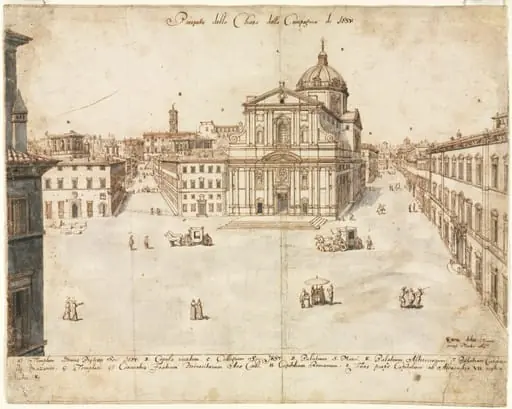 Eighteen Views of Rome: The Church of the Gesù
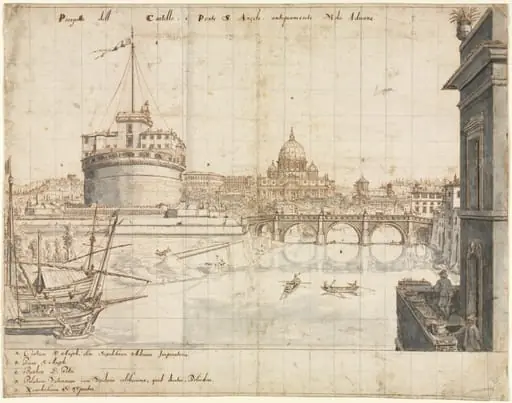 Eighteen Views of Rome: The Castel Sant'Angelo
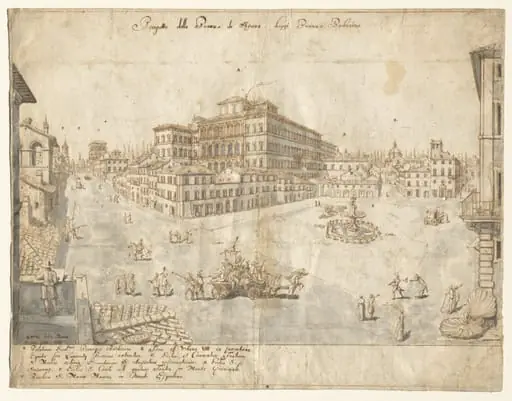 Eighteen Views of Rome: The Piazza Barberini (recto)
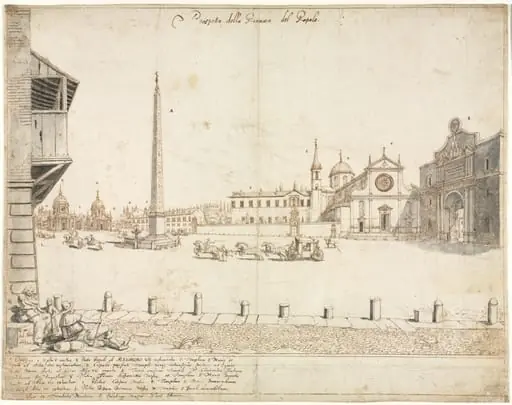 Eighteen Views of Rome: The Piazza del Popolo (recto)
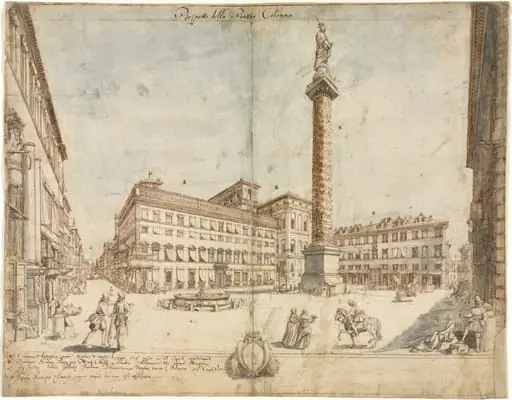 Eighteen Views of Rome: The Piazza Colonna
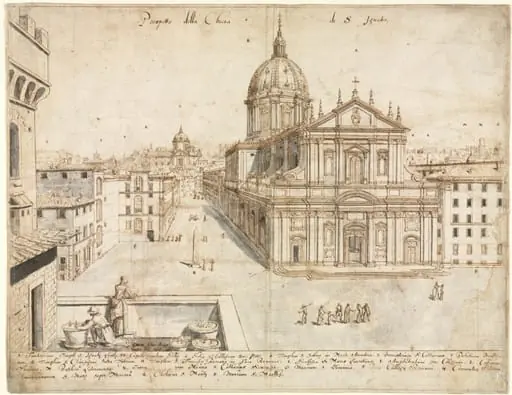 Eighteen Views of Rome: The Church of Sant'Ignazio
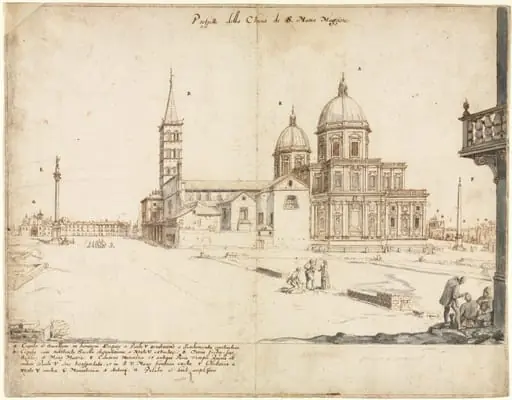 Eighteen Views of Rome: The Basilica of Santa Maria Maggiore
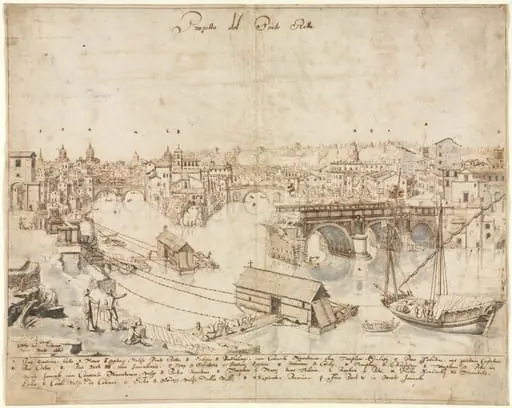 Eighteen Views of Rome: The Ponte Rotto
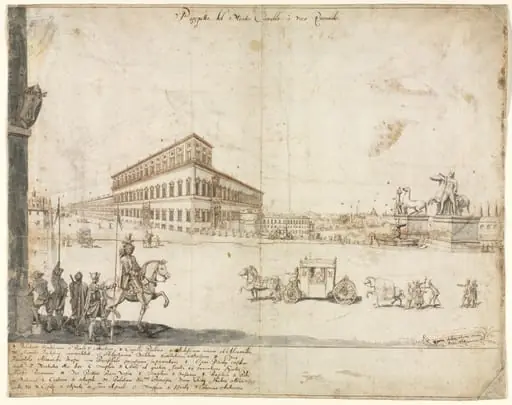 Eighteen Views of Rome: The Quirinale