Artwork
Carl Johan Walleen (1781-1867)
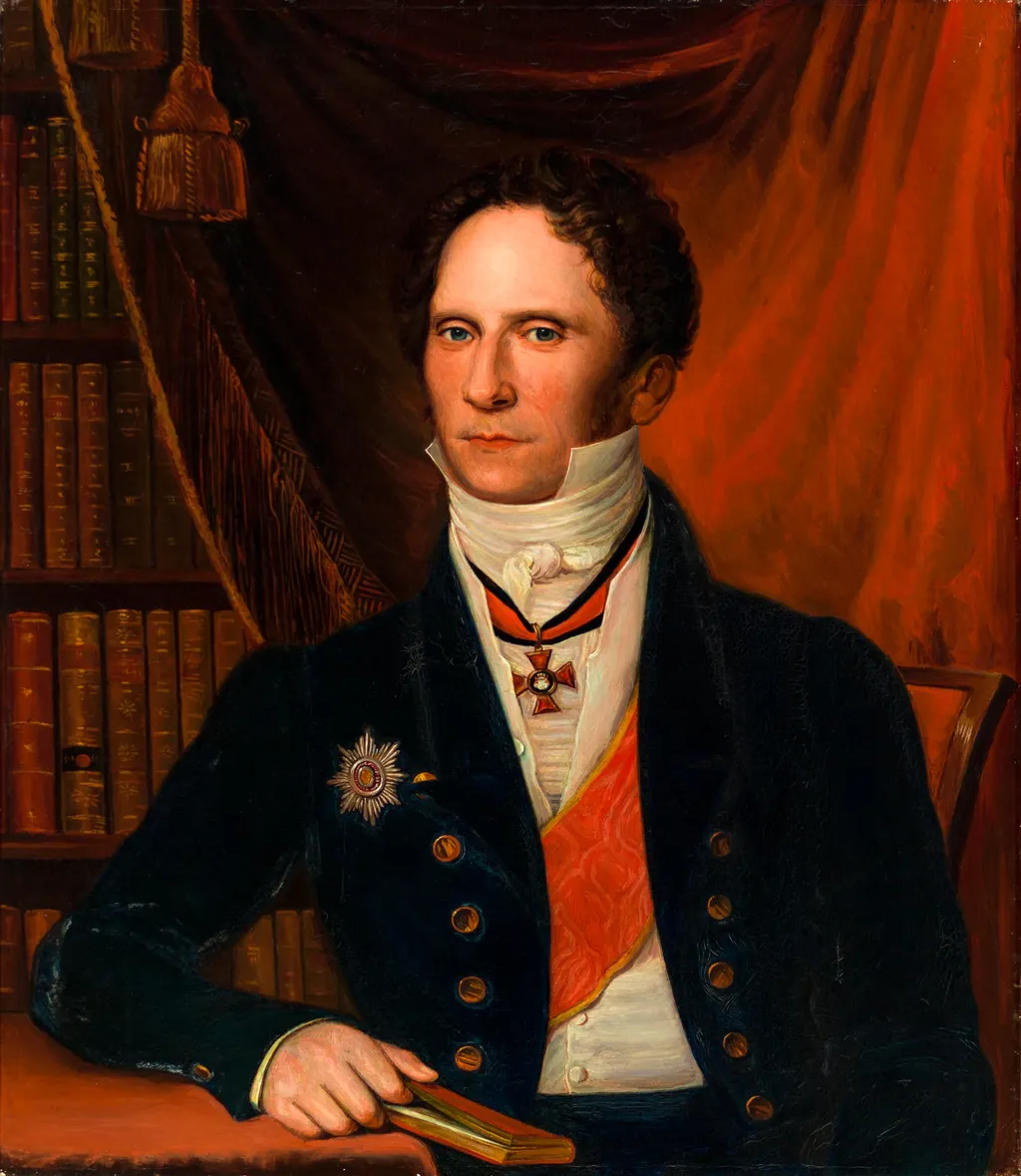
Carl Johan Walleen (1781-1867) is a drawing by Johan Erik Lindh. It is held in the collection of the Helsinki City Museum. This portrait presents a formal depiction of a man identified as Carl Johan Walleen, painted in the early 19th century.
About this work
Overview
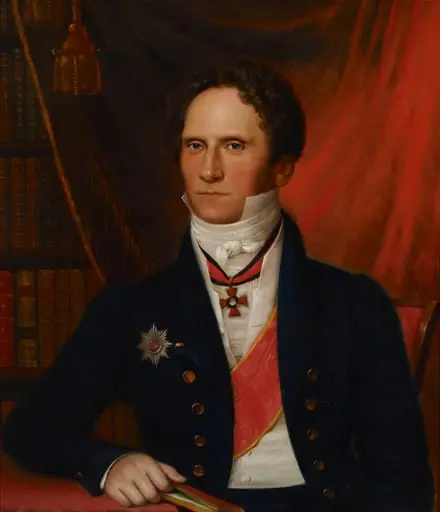
His attire, including a red sash and medal, signals civic or military distinction, while the book and bookshelf imply intellectual engagement.
This portrait presents a formal depiction of a man identified as Carl Johan Walleen, painted in the early 19th century. The composition emphasizes dignity through restrained color and careful arrangement of objects. His attire, including a red sash and medal, signals civic or military distinction, while the book and bookshelf imply intellectual engagement. The artist is not Walleen himself but likely Johan Erik Lindh, whose name is associated with the work.
Subject & Meaning
Carl Johan Walleen is portrayed as a man of status and learning. The medal suggests official recognition, possibly for public service or military achievement. The book in his hand, paired with the surrounding shelves, reinforces an identity tied to knowledge and civic responsibility. The absence of overt symbolism directs attention to quiet authority rather than grandeur, reflecting values of the era’s educated elite.
Technique & Style
The painting employs a muted palette dominated by dark tones, with subtle highlights on the gold buttons and red sash to draw the eye. Brushwork is precise but not overly ornate, favoring clarity over dramatic flair. The background is simplified—bookshelf and curtain serve as neutral framing devices—allowing the figure to remain the focal point with minimal distraction.
History & Provenance
The portrait was likely commissioned during Walleen’s lifetime, between 1800 and 1850, as a record of his public role. It remained in private hands until entering institutional collections. Attribution to Johan Erik Lindh is based on stylistic comparison and archival records, though direct documentation of the commission is limited. The work’s survival suggests it was valued within Walleen’s family or community.
Context
In early 19th-century Scandinavia, portraits of civil servants and educated men often emphasized modest dignity over aristocratic display. Walleen’s image aligns with this trend, reflecting a growing cultural emphasis on merit, literacy, and public duty. The inclusion of books and scholarly accessories was common among those who identified with Enlightenment ideals, even if not part of the nobility.
Legacy
The portrait endures as a representative example of Norwegian civic portraiture from the period. It offers insight into how professional identity was visually constructed outside aristocratic circles. While Walleen is not widely known today, the painting preserves a tangible link to the values of an emerging educated class in post-Napoleonic Scandinavia.
Artist & collection
Artist
Johan Erik Lindh filled small sheets with soft pencil portraits of Finnish families in the early 1800s.

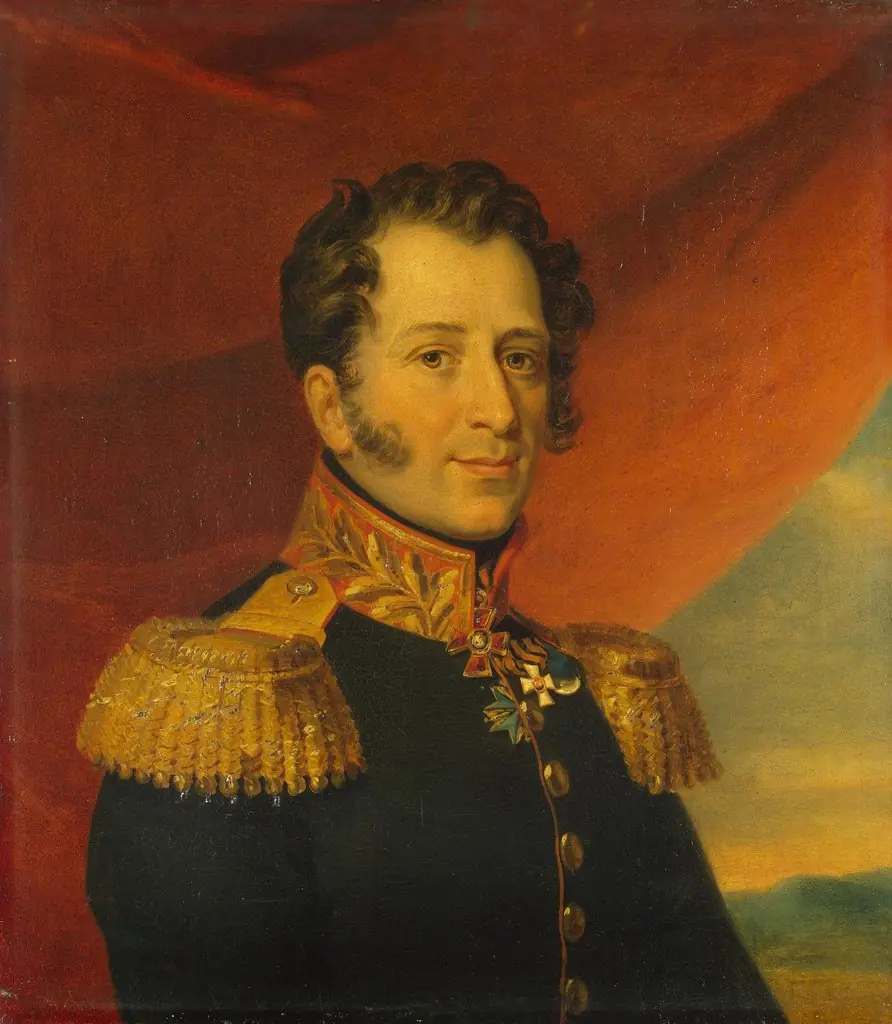 Portrait of Nikolai A. Chicherin (1771/73-1837) (1st)
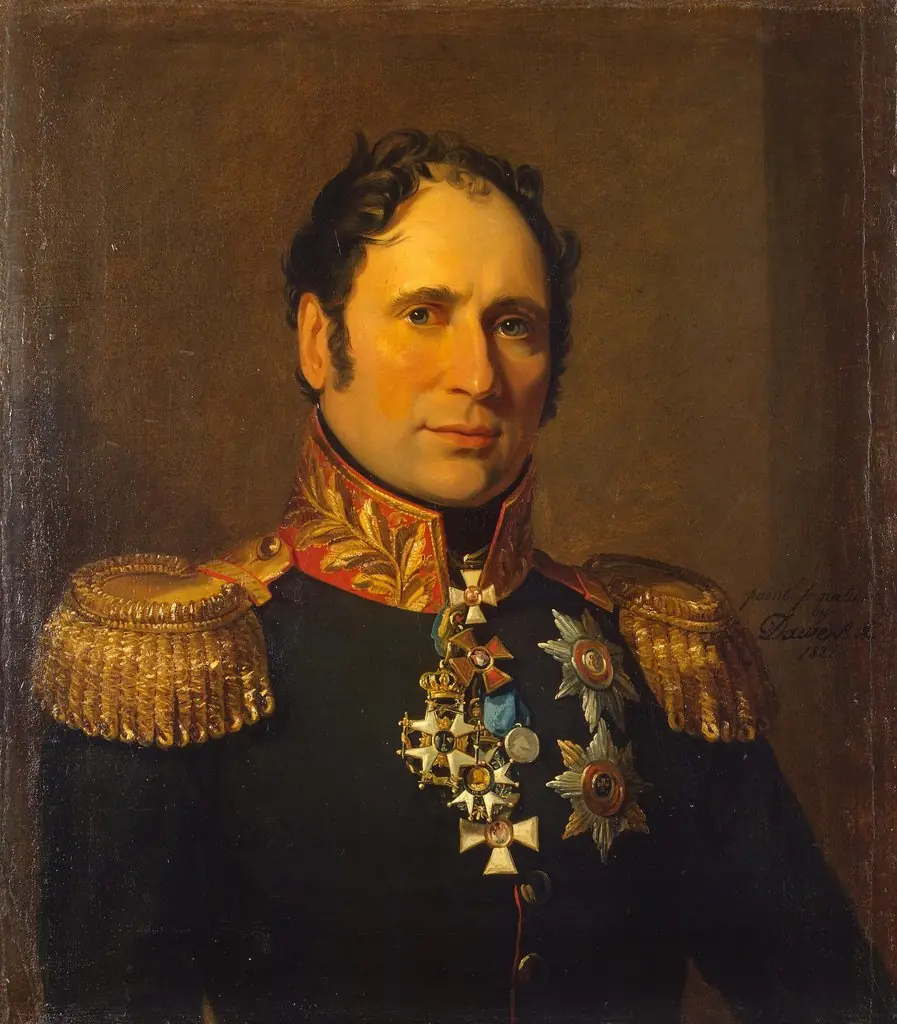 Portrait of Karl I. Oppermann (1765/66-1831)
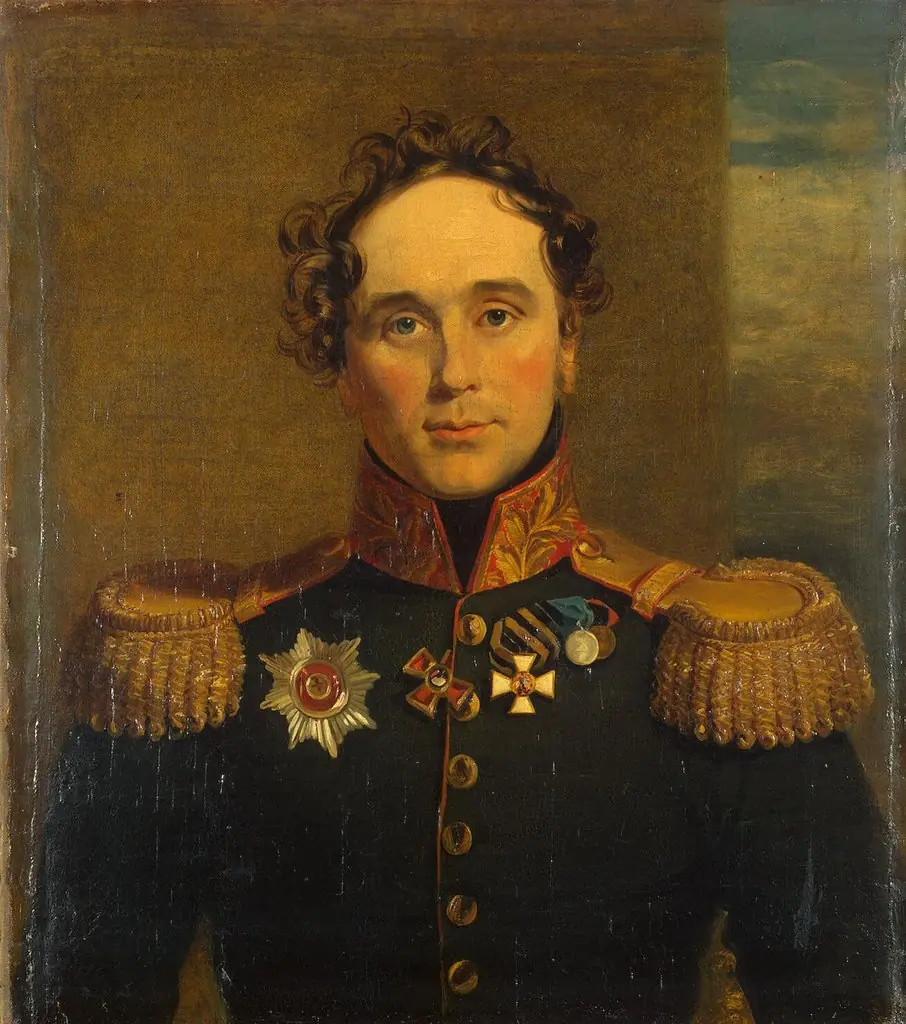 Portrait of Fyodor V. Driesen (1781-1851)
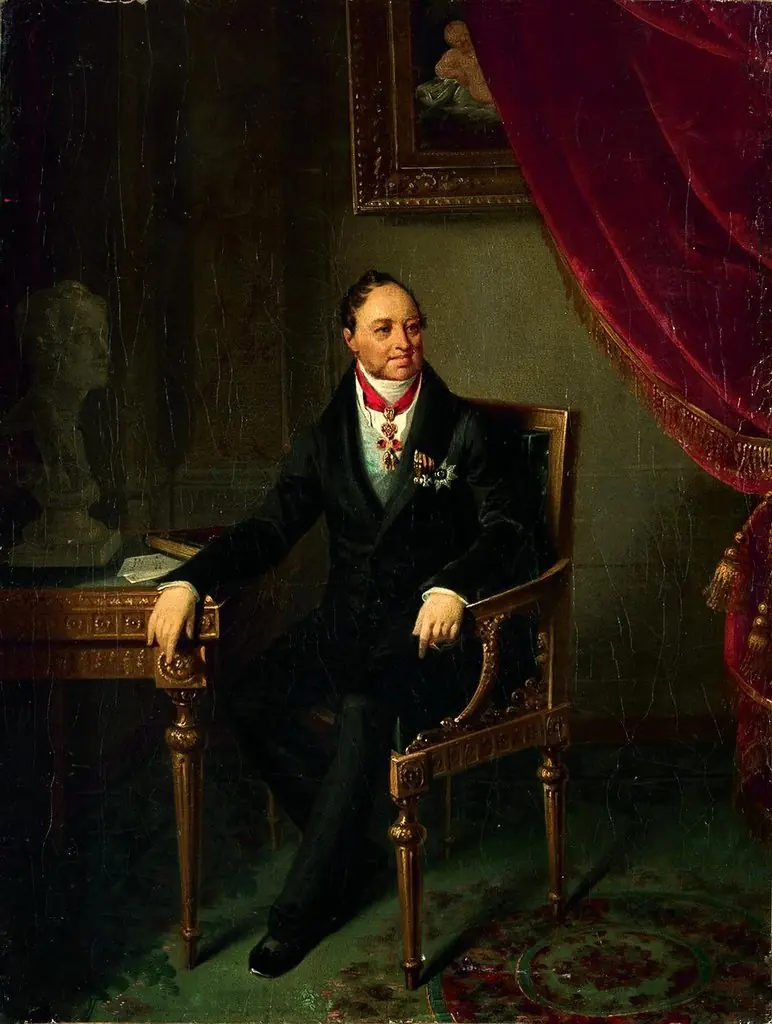 Portrait of D.P.Tatischev
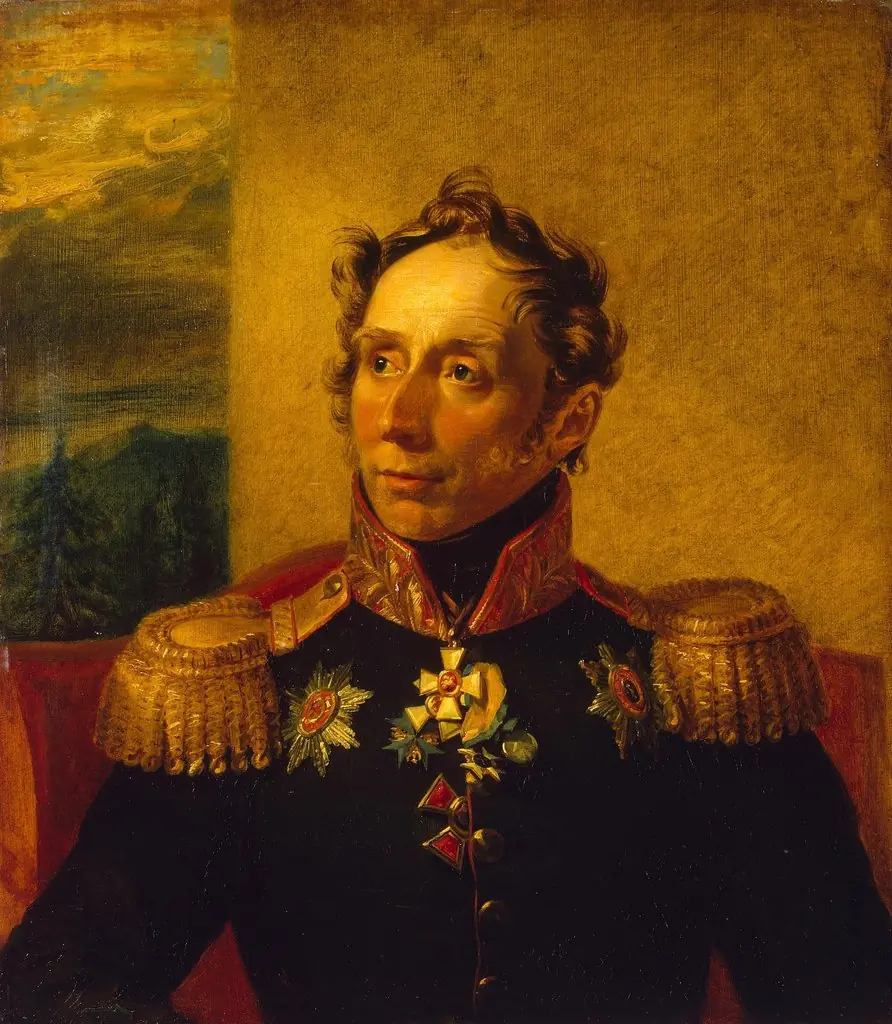 Portrait of Robert Ye. Renny (1767-1832)
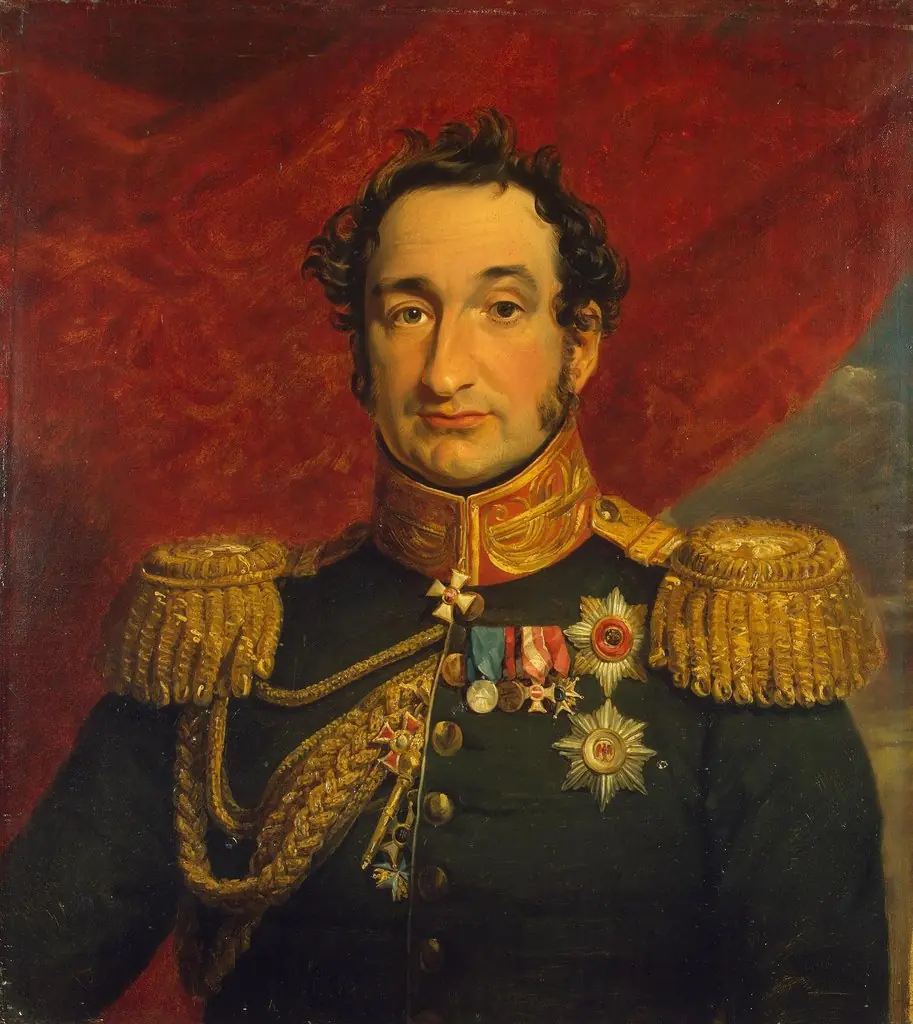 Portrait of Vasily S. Trubetskoy (1776-1841)
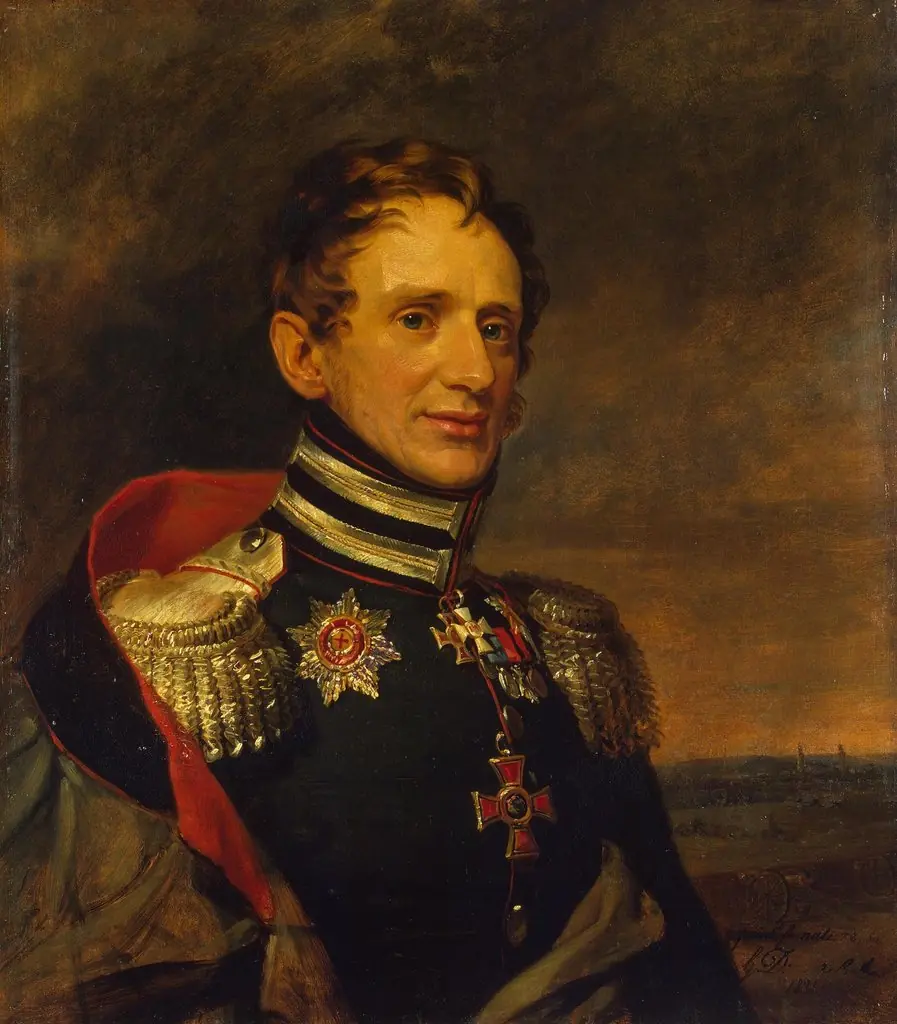 Portrait of Yegor K. Sievers (1779-1827) (3rd)
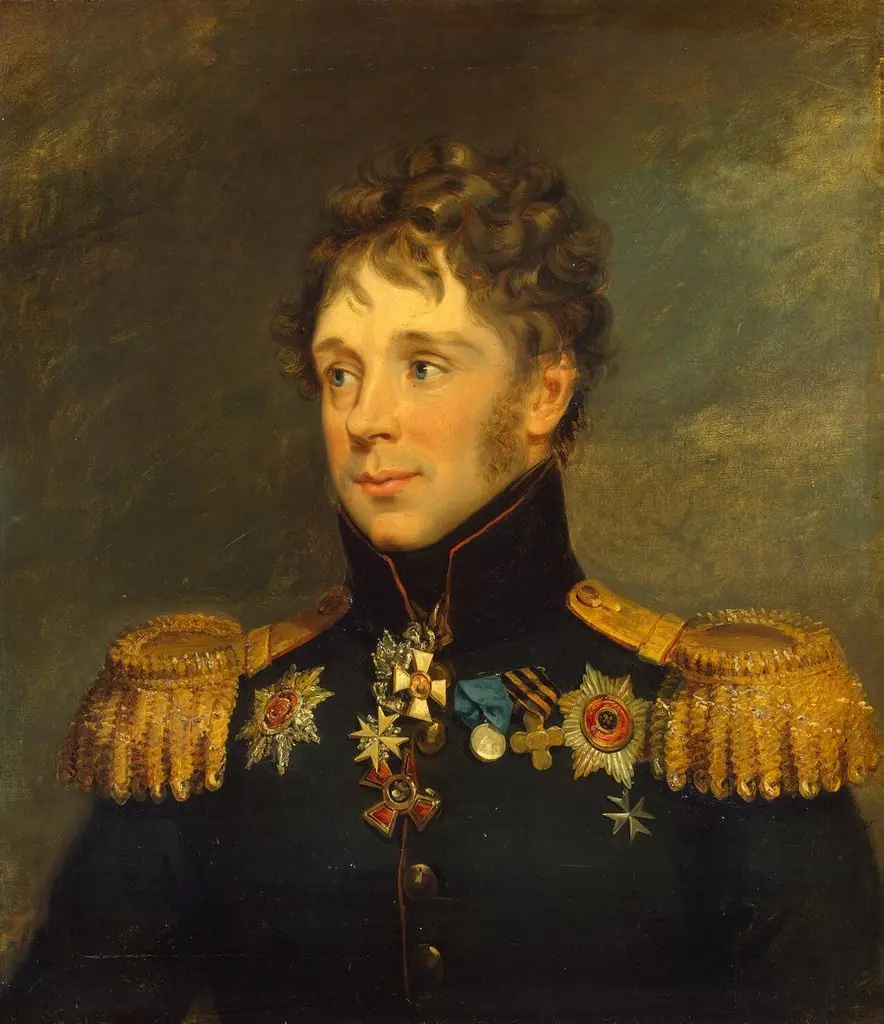 Portrait of Dmitry P. Rezvy (1762-1823)
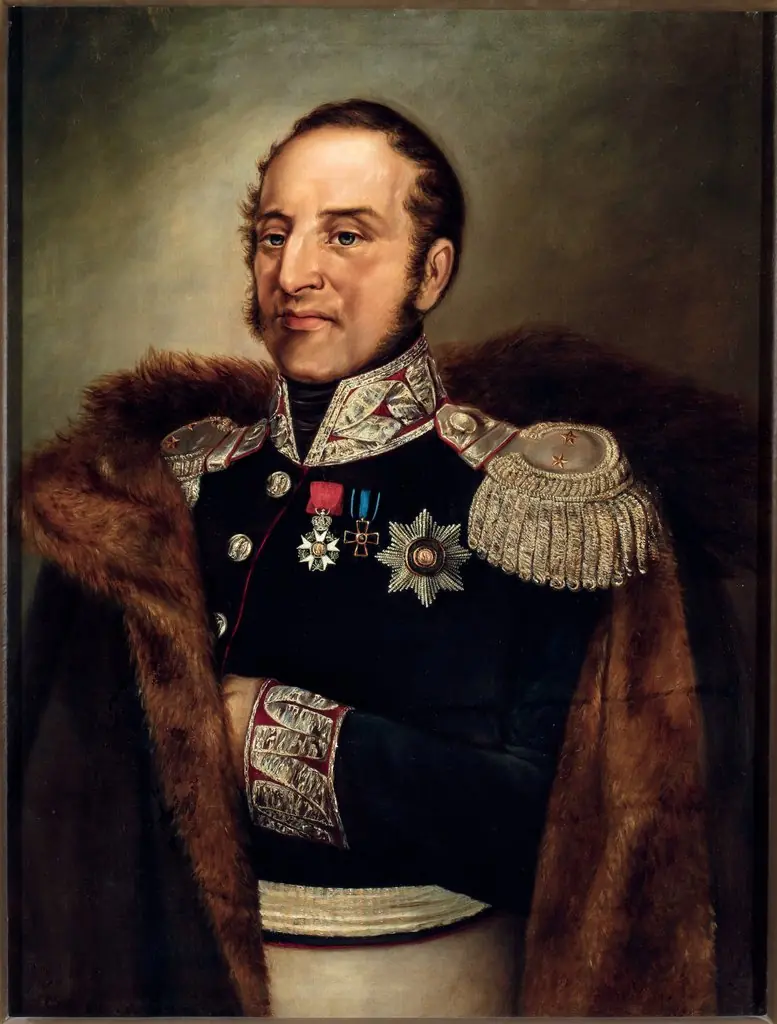 Portrait of general Tadeusz Tyszkiewicz (1774–1852)
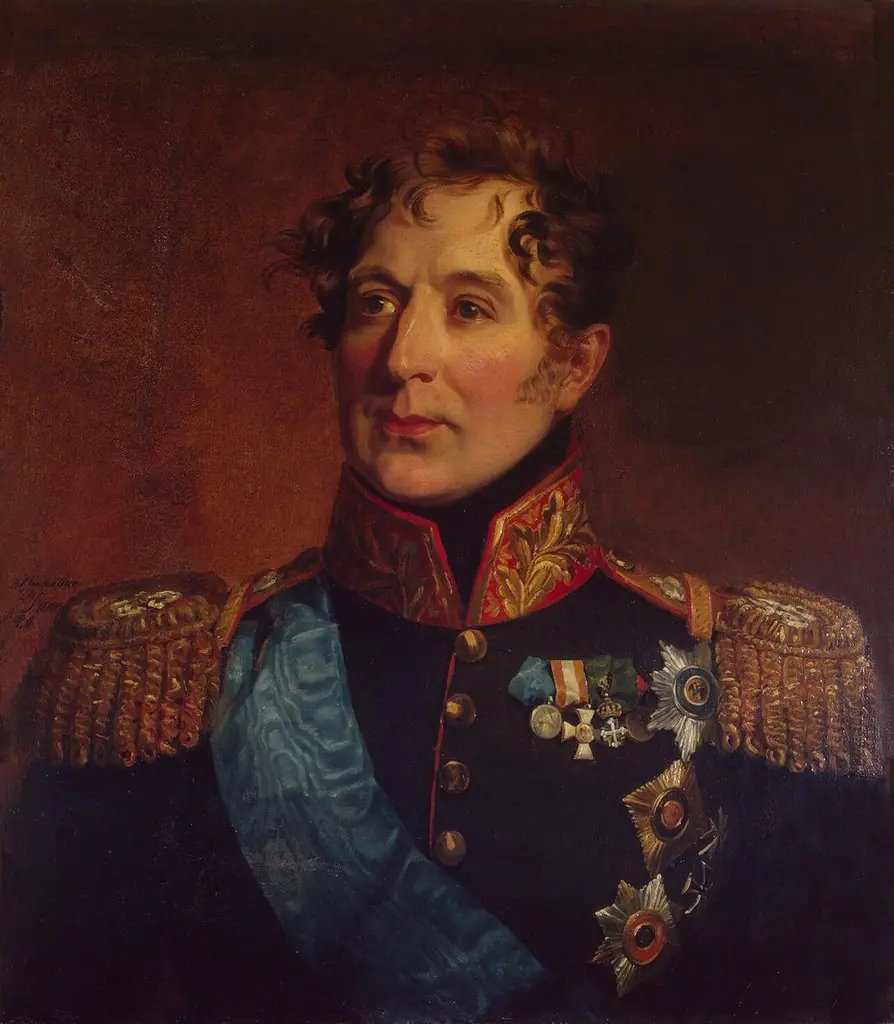 Portrait of Mikhail A. Miloradovich (1771-1825)
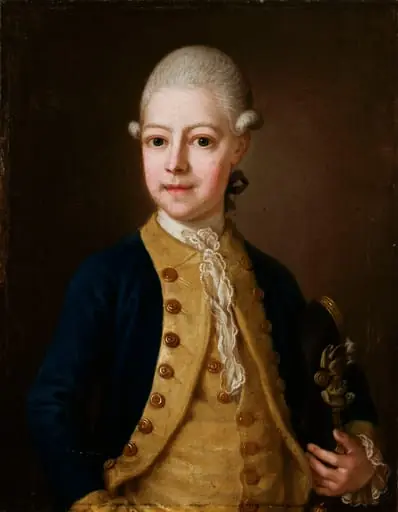 Carl Johan von Schultzenheim