Artwork
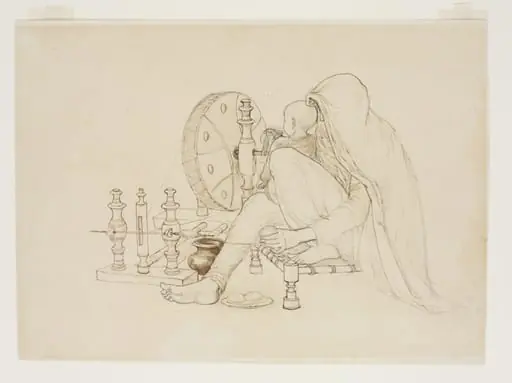
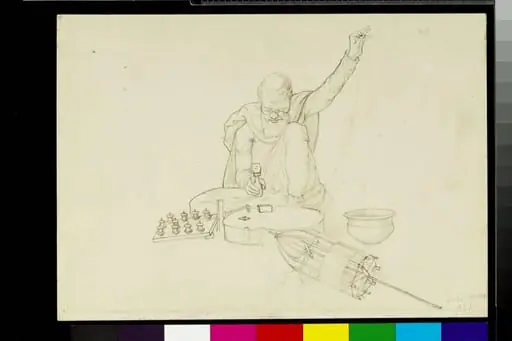
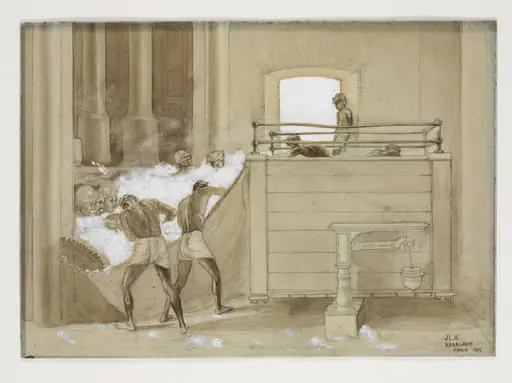
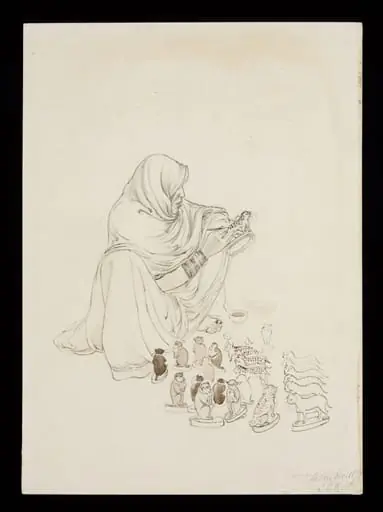
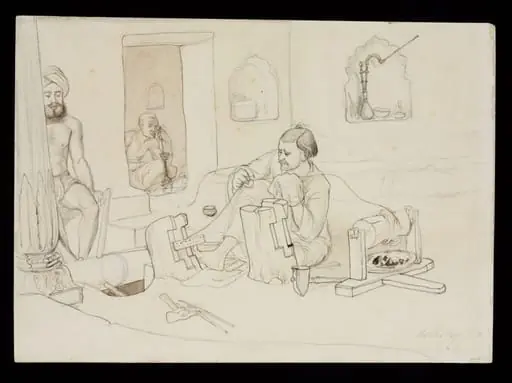
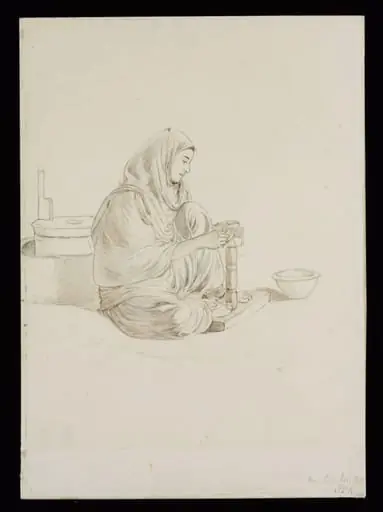
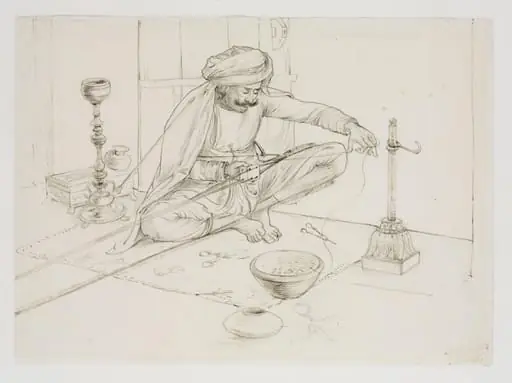
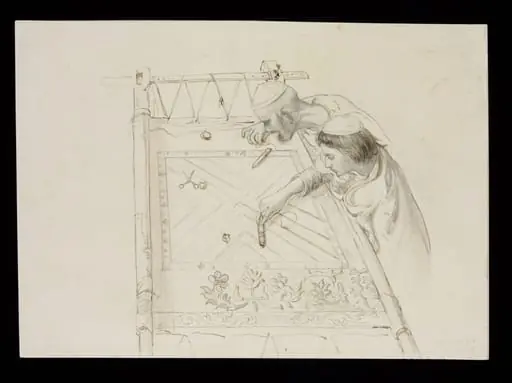
Two men working with machines to produce silver gilt wire
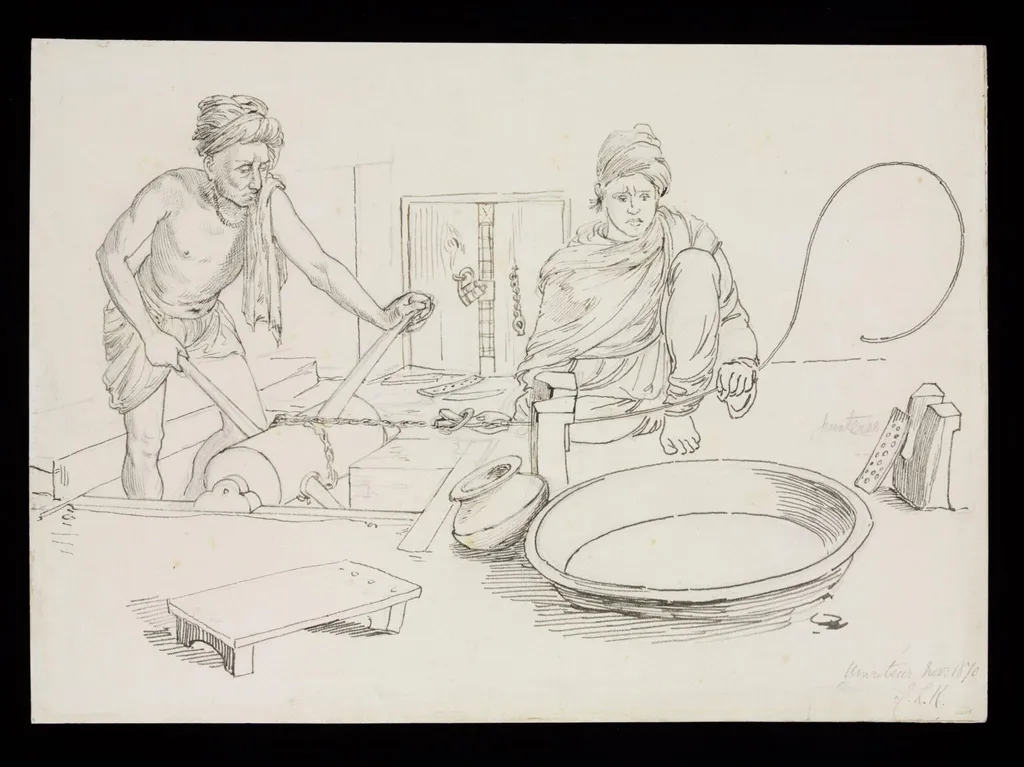
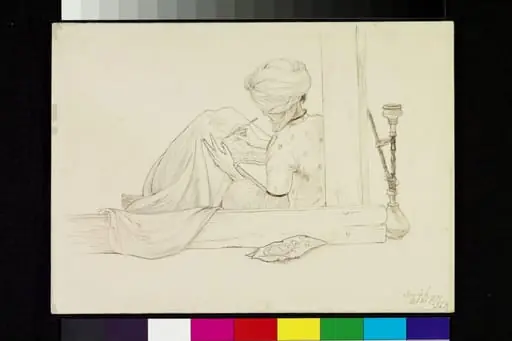
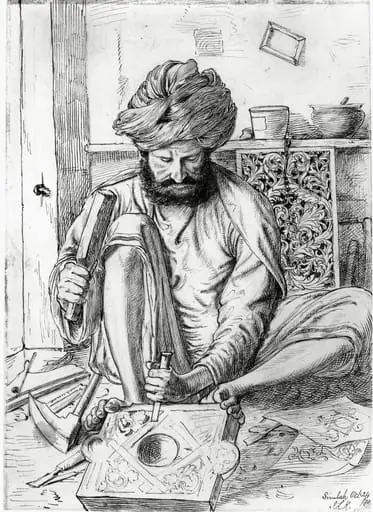
Two men working with machines to produce silver gilt wire is a drawing by the Impressionist artist John Lockwood Kipling. It dates from 1870 and is held in the collection of the Victoria and Albert Museum.
About this work
This drawing shows two men focused on machines making silver gilt wire. It’s a straightforward look at work, not fancy scenes.
Lockwood Kipling made it in 1870 while he was teaching art in India. The work mixes Impressionism and Realism, so it blends loose brush style with clear details.
See how artists used light and everyday work in art? Check out Lockwood Kipling, John next.
Overview
John Lockwood Kipling (1837–1911), a British artist and educator active in colonial India, produced this drawing in 1870 while serving as a teacher at the Sir Jamsetjee Jeejeebhoy School of Art in Bombay. Executed as a pen-and-ink study, it records a workshop scene in Amritsar where two craftsmen operate machinery to produce silver‑gilt wire, offering a direct visual record of industrial craft work of the period.
Subject & Meaning
The composition centers on two male workers absorbed in the operation of a wire‑drawing machine, their hands and the gleaming wire the focal points.
The composition centers on two male workers absorbed in the operation of a wire‑drawing machine, their hands and the gleaming wire the focal points. By presenting the activity without narrative embellishment, the drawing emphasizes the skill and labor involved in producing decorative metalwork, reflecting Kipling’s interest in documenting indigenous crafts and the economic realities of Indian artisans under British administration.
Technique & Style
Kipling employs a restrained line economy, combining precise contouring of the machinery with looser, suggestive strokes for the figures and surrounding environment. The rendering balances realistic detail—such as the texture of the wire and the tools—with a slightly impressionistic handling of light and atmosphere, a synthesis characteristic of his work documenting Indian industry and craft.
History & Provenance
Created during Kipling’s 1870 government‑commissioned tour of the North‑West Provinces, the drawing was likely intended for official reports on native manufacturing. It later entered the archives of the Victoria and Albert Museum, where Kipling’s broader contributions to decorative arts and art education in India are documented, linking the work to his long career in colonial cultural institutions.
Artist & collection
Artist
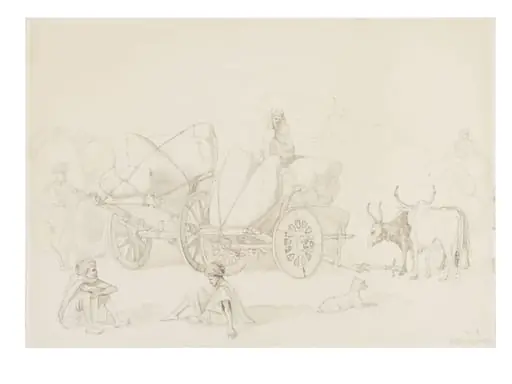
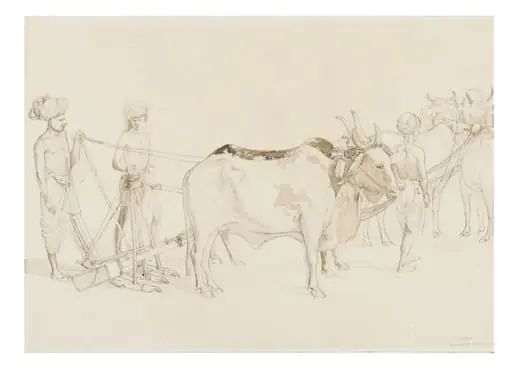
John Lockwood Kipling filled sketchbooks with the daily life he saw around him in British India, drawing craftsmen at work, farmers at market, and seed planters in fields.