Artwork
Gabriel Chassebras de la Grand'Maison
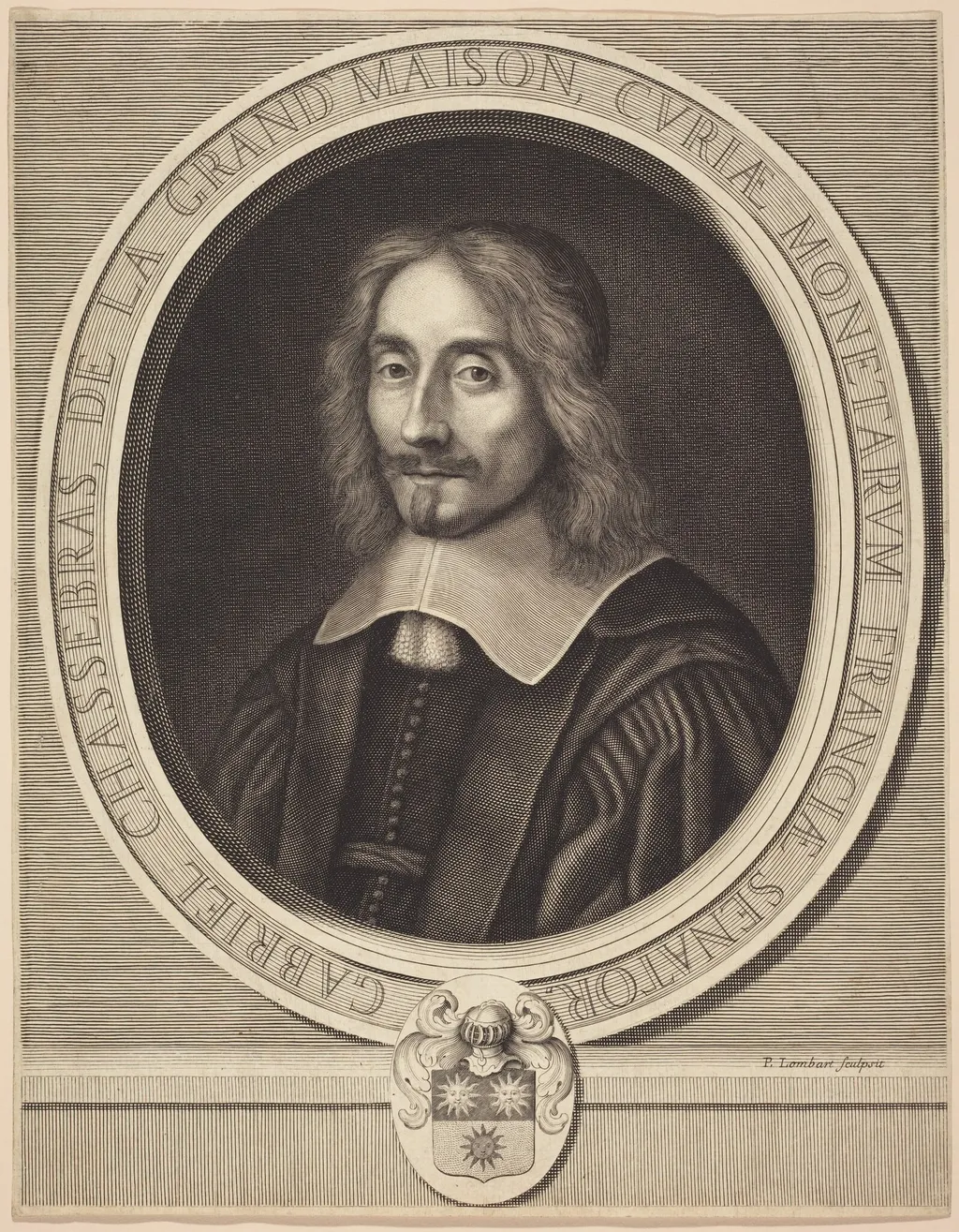
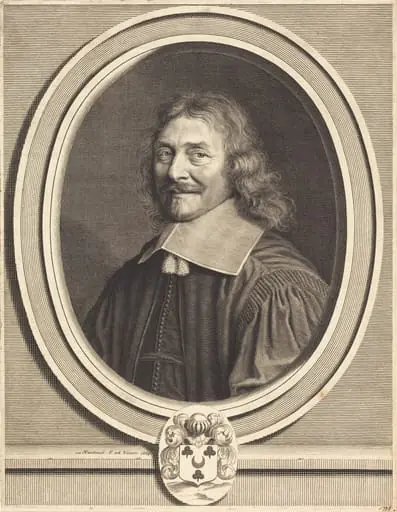
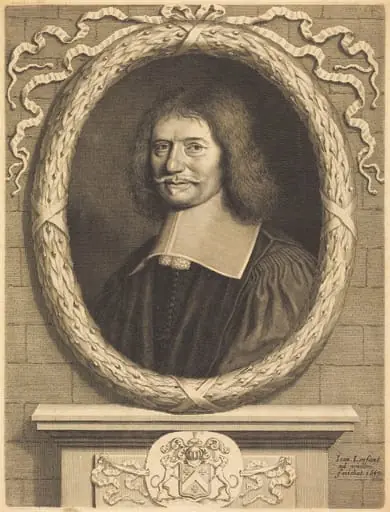
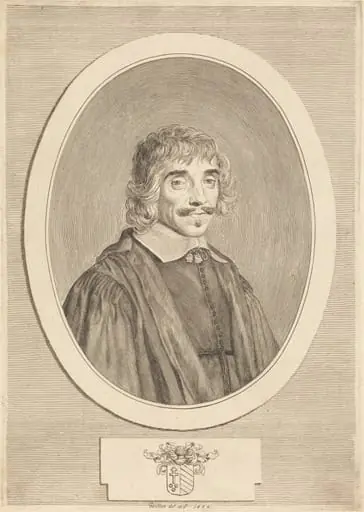
Gabriel Chassebras de la Grand'Maison is an ink print by the Baroque artist Pierre Lombard. It dates from 1647 and is held in the collection of the National Gallery of Art.
About this work
Overview
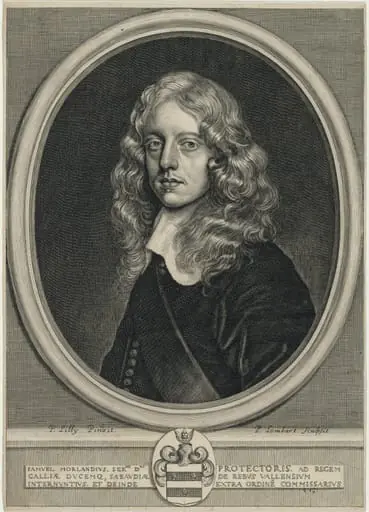
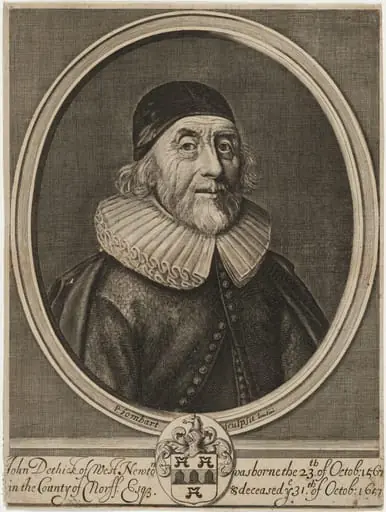
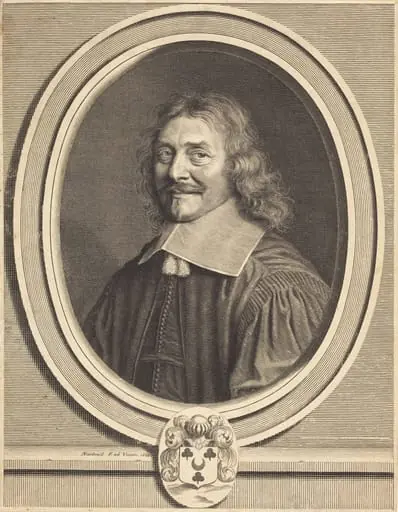
Pierre Lombard’s 1647 engraving titled Gabriel Chassebras de la Grand’Maison presents a monochrome portrait of a dignified gentleman. The figure is rendered within an oval frame, his expression solemn, hair curled, and moustache neatly trimmed. A modest shield bearing a star rests beneath the bust, while the surrounding border is adorned with delicate linear ornamentation.
Subject & Meaning
The sitter, identified as Gabriel Chassebras de la Grand’Maison, appears in formal attire with a high collar, suggesting his status within the 17th‑century French bourgeoisie or minor nobility. The restrained pose and plain background focus attention on his visage, conveying a sense of personal gravitas and social standing without overt symbolic narrative.
Technique & Style
Lombard employed the engraving method, incising fine, parallel lines into a copper plate to achieve tonal variation. The intricate cross‑hatching creates subtle shadows on the face and clothing, while the ornamental rim demonstrates the period’s penchant for decorative borders. This meticulous line work exemplifies mid‑Baroque printmaking precision.
History & Provenance
Created in 1647, the print reflects the flourishing market for portrait engravings in early modern France, where such images circulated among patrons and collectors. While specific ownership records are scarce, the work has been catalogued in several European print collections, indicating its continued presence in scholarly and museum holdings.
Context
During the mid‑17th century, engravings served both as personal commemorations and as a means of disseminating the likenesses of notable individuals. Lombard’s portrait aligns with contemporary practices of documenting social elites, offering insight into fashion, grooming, and the visual language of authority of the era.
Artist & collection