Artwork
Annunciation of the Virgin
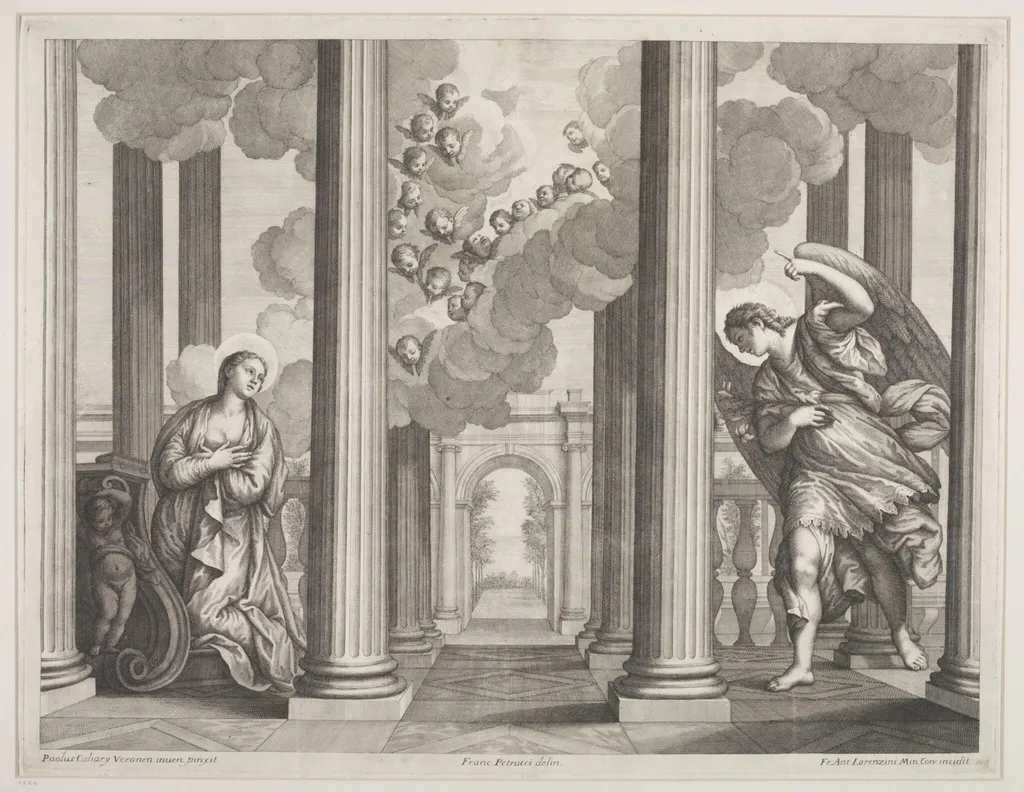
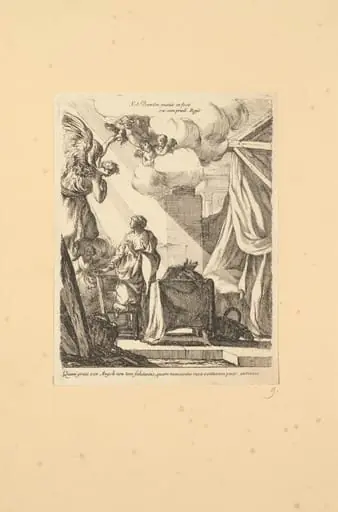
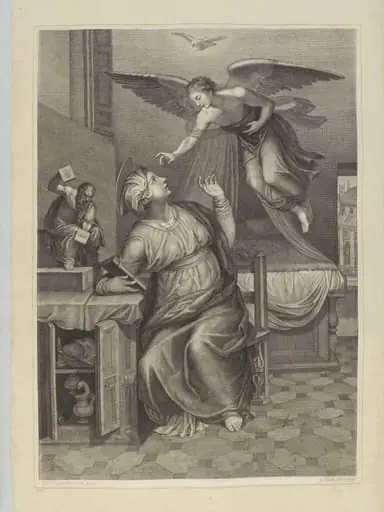
Annunciation of the Virgin is a print by Giovanni Antonio Lorenzini. It dates from 1750 and is held in the collection of the Victoria and Albert Museum.
About this work
Overview
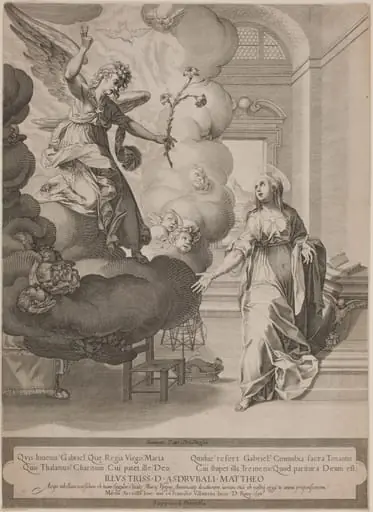
Giovanni Antonio Lorenzini’s print titled *Annunciation of the Virgin* reproduces a composition originally devised by Paolo Veronese. Executed on paper, the image translates a painted scene that once belonged to the Grand Duke of Tuscany’s collection and later entered the Uffizi’s holdings.
Subject & Meaning
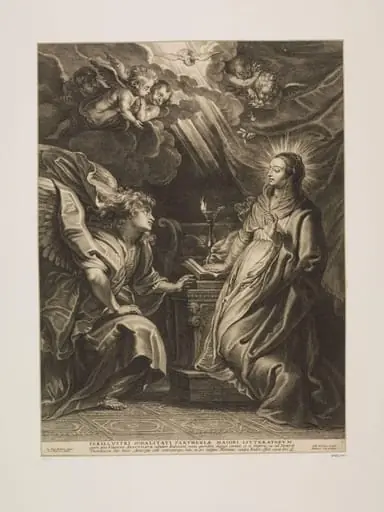
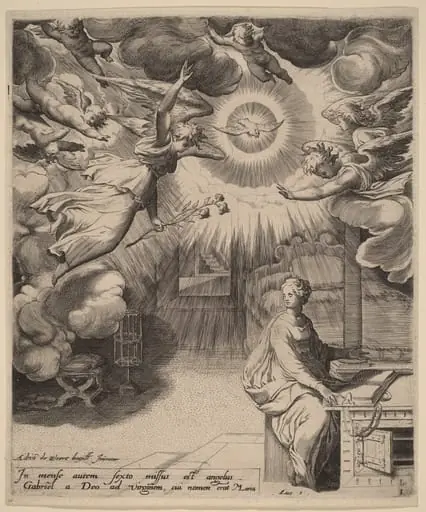
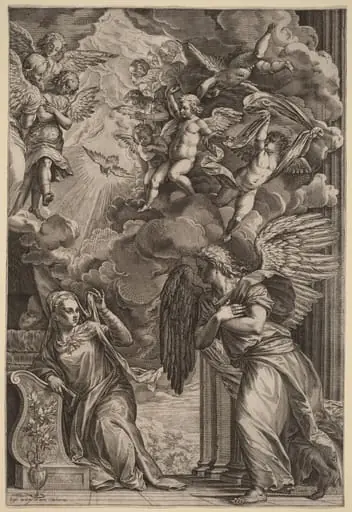
The work portrays the biblical moment when the Archangel Gabriel announces to Mary that she will bear the Christ child. Mary kneels in a modest robe, haloed to denote sanctity, while Gabriel, winged and robed, gestures toward her. The composition conveys a calm, reverent atmosphere.
Technique & Style
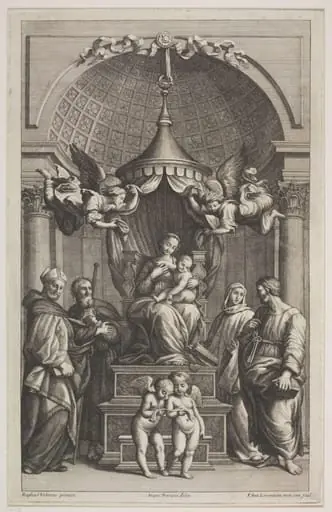
Lorenzini employed line engraving to render Veronese’s complex arrangement, preserving the original’s architectural framing, columns, and vaulted doorway. Fine hatching suggests the clouds and cherubic heads above, while the contrast of dark ink and light paper creates depth in the figures and background.
History & Provenance
The source painting was part of the Grand Duke of Tuscany’s collection before being associated with the Uffizi Gallery in Florence. Lorenzzi’s print served as a means of disseminating the image beyond the original, circulating the composition among collectors and scholars of the period.
Context
The Annunciation was a popular subject in 16th‑century Venetian art, and Veronese’s version reflects the city’s opulent style. Lorenzzi’s reproduction aligns with the broader practice of printmaking that allowed works by leading painters to reach a wider audience across Europe.
Artist & collection
Artist
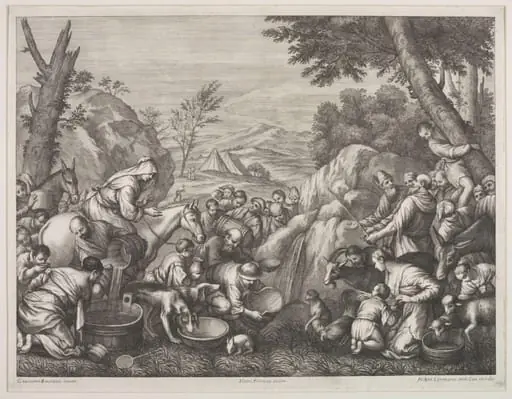
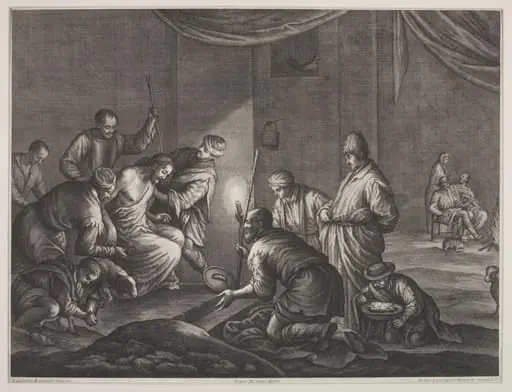
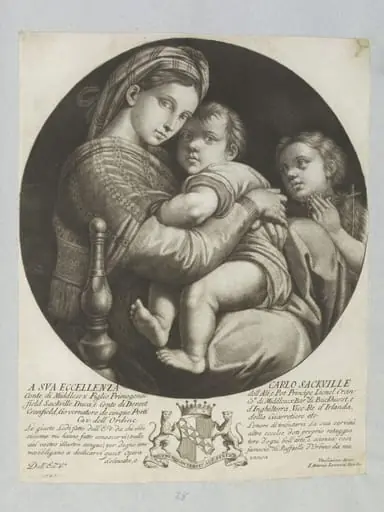
These prints show religious scenes and classical stories from the late 1600s to mid-1700s.