Artwork
Egypt and Nubia, Volume I: The Great Temple of Aboo-Simble, Nubia
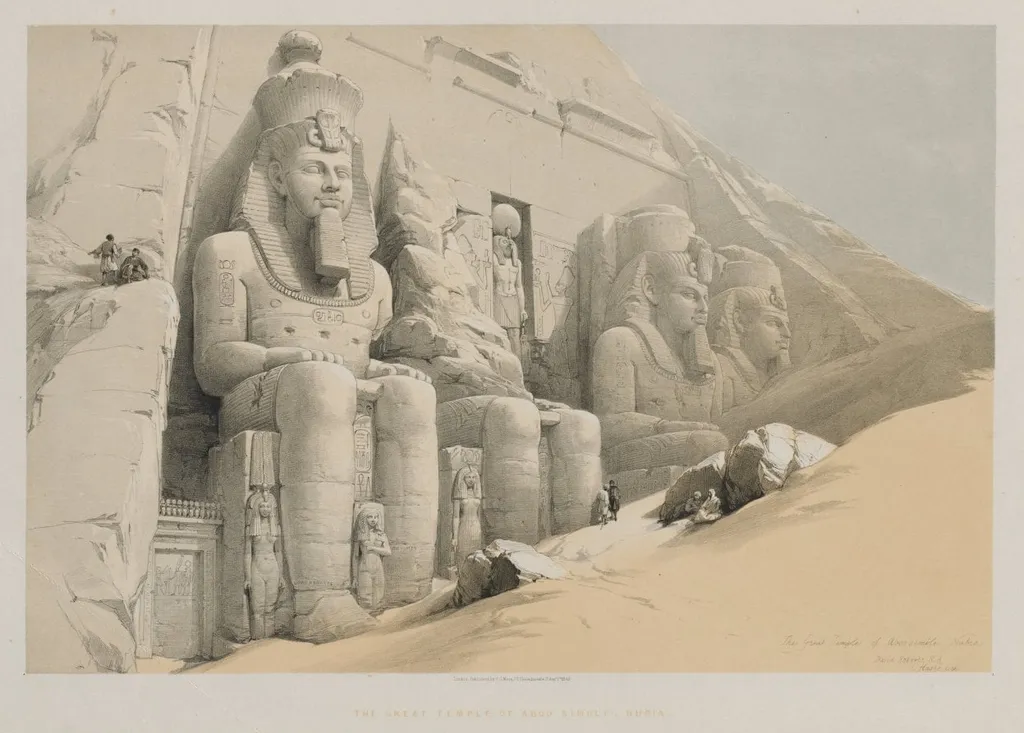
Egypt and Nubia, Volume I: The Great Temple of Aboo-Simble, Nubia is a print by the Romanticist artist Louis Haghe. It dates from 1846 and is held in the collection of the Cleveland Museum of Art.
About this work
Overview
This print, 'The Great Temple of Aboo-Simble, Nubia', from Louis Haghe's 'Egypt and Nubia' series, depicts a sandstone temple carved into a cliff, with colossal statues overlooking the Nile. Originally illustrated for a Victorian-era book, it allowed armchair travelers to experience ancient Egypt.
Subject & Meaning
The subject is the Great Temple of Abu Simbel in Nubia, captured in a state prior to its near-destruction by flooding in the 1960s. This print serves as a historical record of the temple's original appearance before its rescue.
Technique & Style
The print is characteristic of 19th-century artistic reproductions of Egyptian antiquities, designed for mass consumption and education. Its style reflects the meticulous, detailed approach typical of Victorian-era illustrative prints.
History & Provenance
Created in the 19th century for 'Egypt and Nubia', this print was part of a broader collection that contributed to the 'Egyptomania' phenomenon in Europe and America. Its provenance links to the book's distribution, bringing Egyptian motifs into Victorian homes.
Context
Part of the 'Egyptomania' trend, this print influenced the incorporation of Egyptian motifs in Western architecture, design, and funerary art during the 19th and early 20th centuries, seen in locations like Washington, D.C., and Cleveland's Lake View Cemetery.
Legacy
Serves as a precursor to debates on cultural appropriation and the interpretation of Egyptian motifs. Additionally, it stands as a vital archival piece, documenting Abu Simbel's pre-flood state, significant for both art historical and archaeological reasons.
Artist & collection
Artist
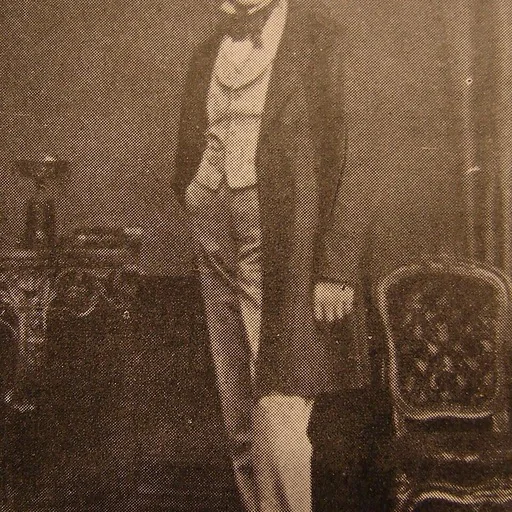
Louis Haghe (17 March 1806 – 9 March 1885) was a lithographer and watercolourist from the Netherlands and then the United Kingdom.

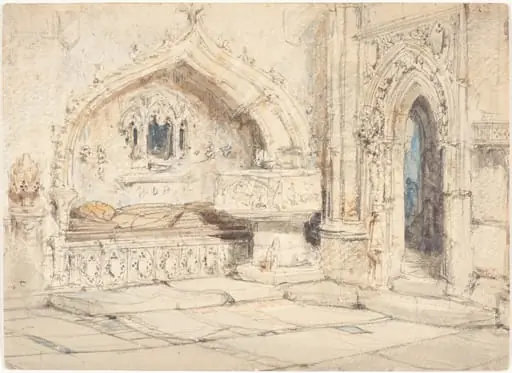 Interior of a Church with a Wall Tomb and Medieval Font
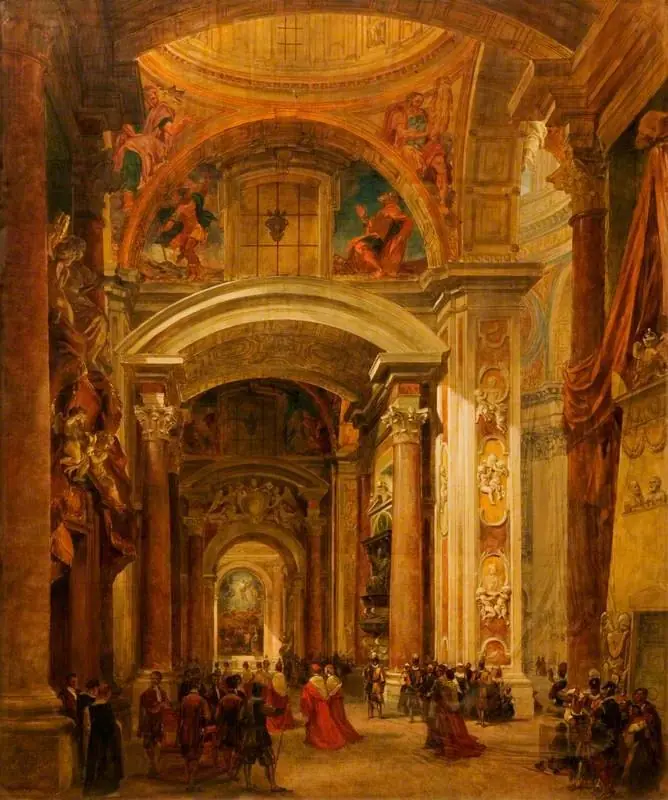 Interior of St Peter's, Rome
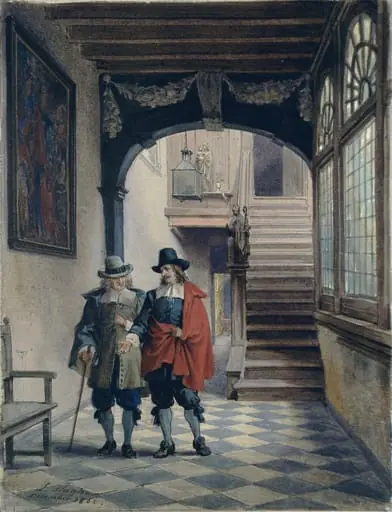 The Corridor, Brewer's Hall, Antwerp
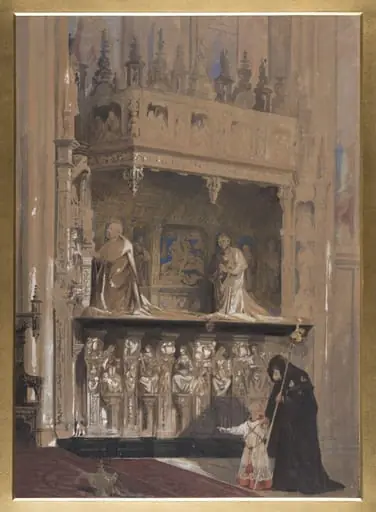 Monument of the Cardinald D'Amboise in Rouen Cathedral
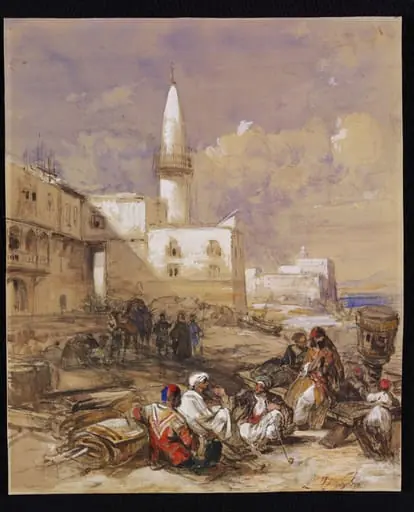 The Quay at Suez
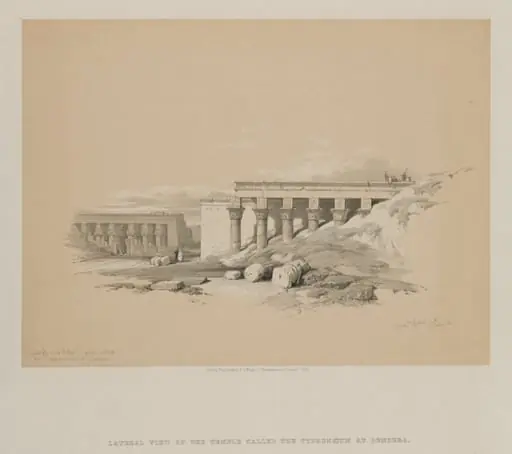 Egypt and Nubia, Volume II: Lateral View of the Temple called The Typhonoeum at Dendera
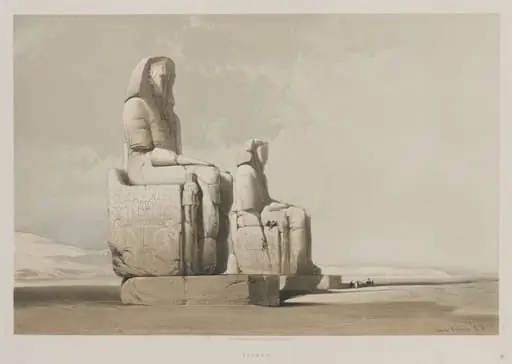 Egypt and Nubia, Volume I: Thebes
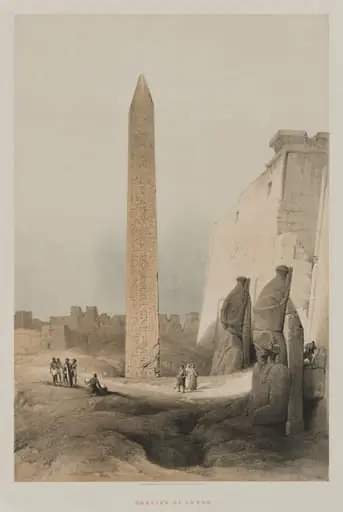 Egypt and Nubia, Volume I: Luxor
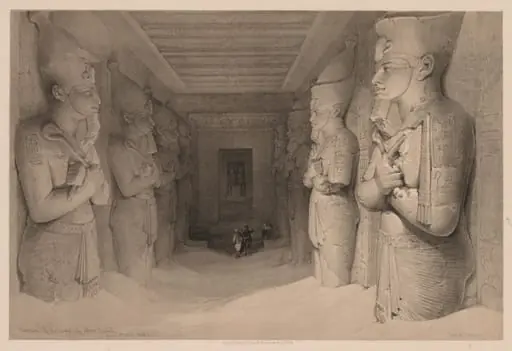 Egypt and Nubia: Volume I - No. 14, Interior of the Temple Aboo Simbel
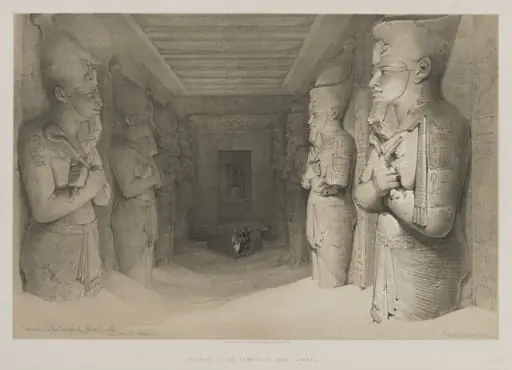 Egypt and Nubia, Volume I: Interior of the Temple of Aboo-Simbel
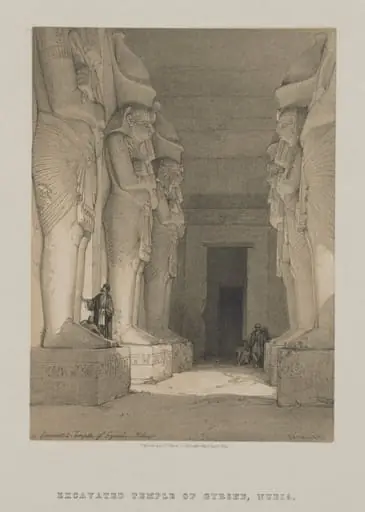 Egypt and Nubia, Volume I: Excavated Temple of Gyrshe, Nubia
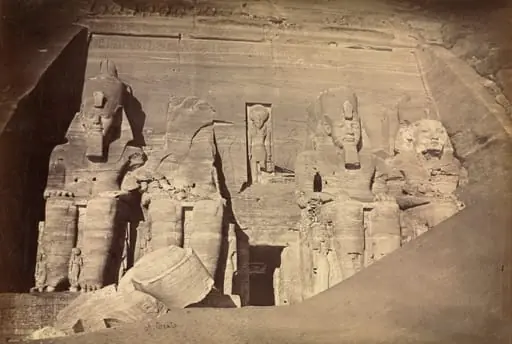 Temple of Ramesses II, Abu Simbel
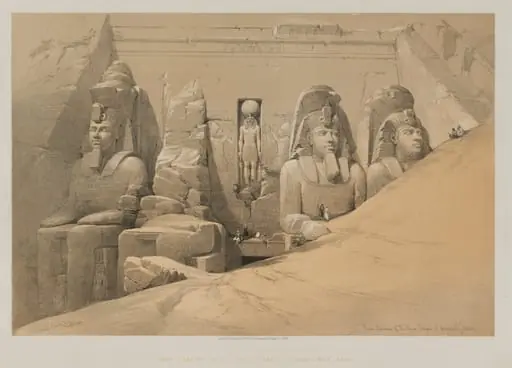 Egypt and Nubia, Volume II: Front Elevation of the Great Temple of Aboo Simbel, Nubia
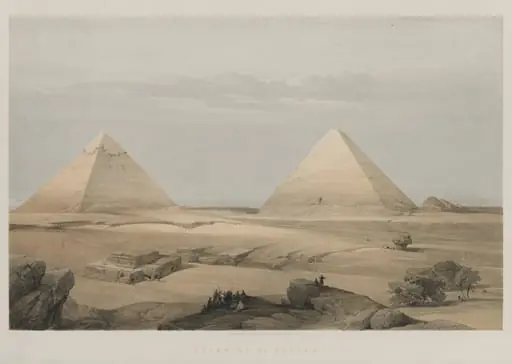 Egypt and Nubia, Volume II: Pyramids of Geezeh
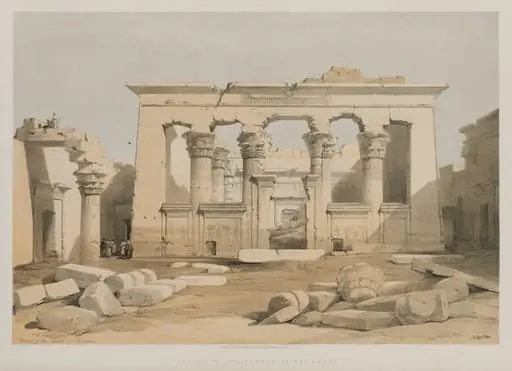 Egypt and Nubia, Volume I: Portico of the Temple of Kalabshe
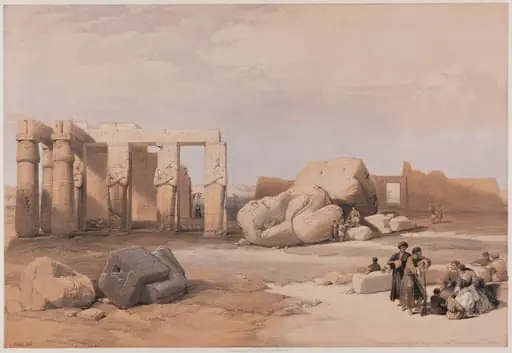 Egypt and Nubia, Volume II: Fragments of the Great Colossi at the Memnonium, Thebes
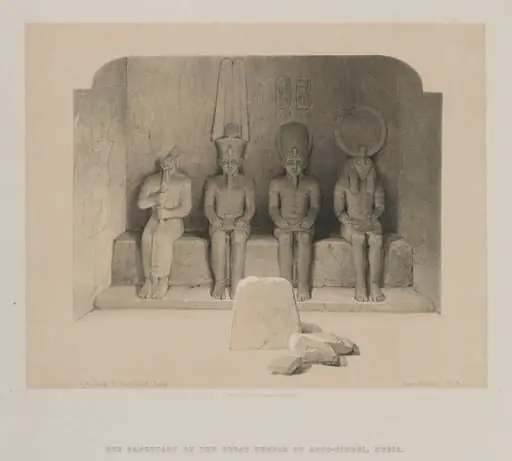 Egypt and Nubia, Volume I: Sanctuary of the Temple of Aboo-Simbel, Nubia
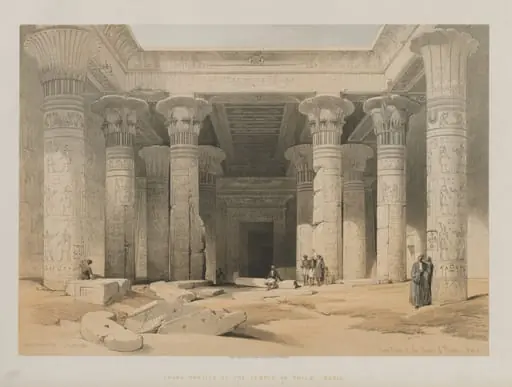 Egypt and Nubia, Volume I: Grand Portico of the Temple of Philae, Nubia