Artwork
The King's Temples, Ulwur
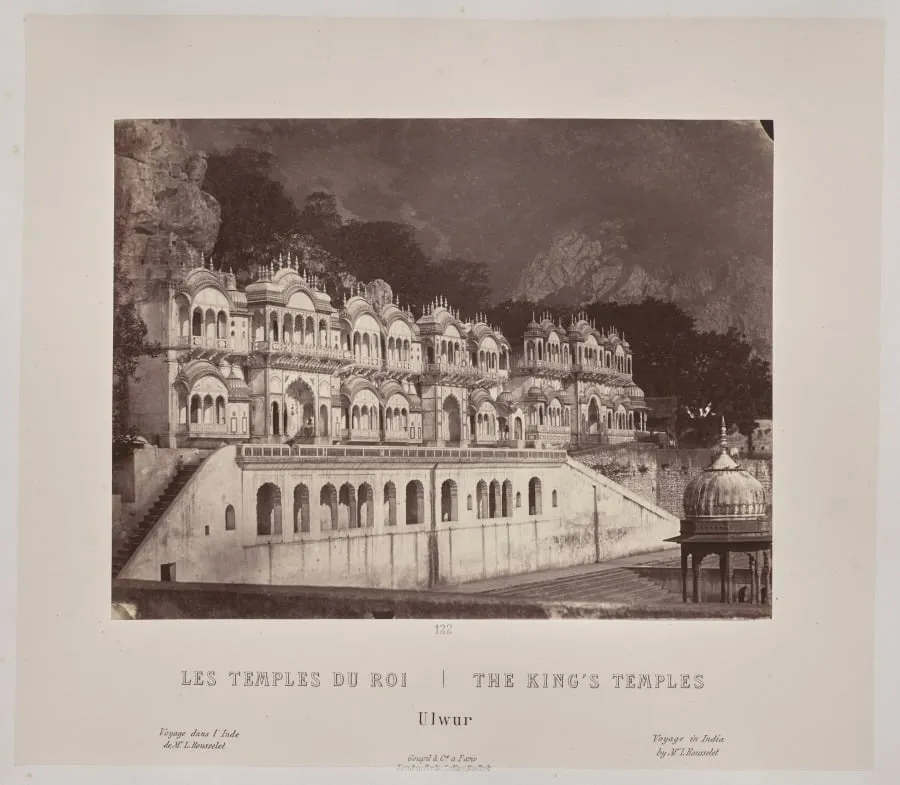
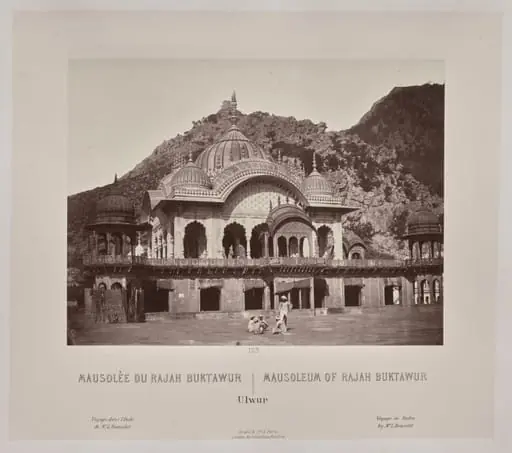
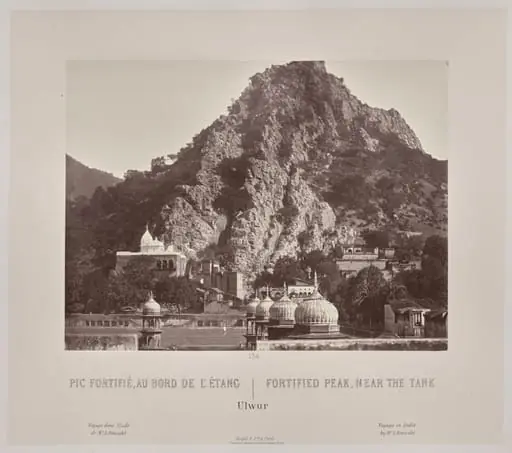
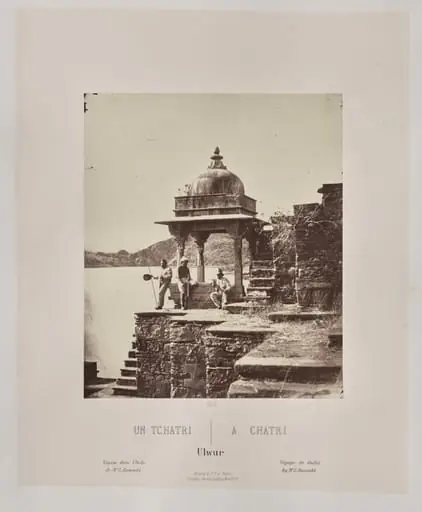
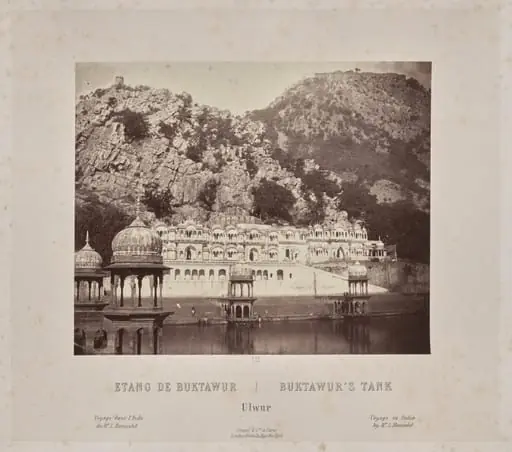
The King's Temples, Ulwur is a photography by the Impressionist artist Louis-Théophile Marie Rousselet. It dates from 1866 and is held in the collection of the Cleveland Museum of Art.
About this work
Overview
This photograph, taken by French artist‑traveler Charles Rousselet during his Indian travels in the 1860s, depicts a solitary stone temple partially concealed by foliage. The temple’s worn steps suggest long‑standing use, while the surrounding trees soften the structure’s presence within the landscape.
Subject & Meaning
The image captures a modest religious edifice, likely a Hindu shrine, set amid a natural environment. The juxtaposition of the ancient stonework with the encroaching vegetation highlights the passage of time and the integration of sacred architecture into its surroundings.
Technique & Style
Rousselet employed early photographic processes shortly after learning the medium in India, aiming to record the light and atmosphere that his earlier sketches could not convey. The composition balances the verticality of the temple against the horizontal spread of trees, creating a calm, contemplative visual effect.
History & Provenance
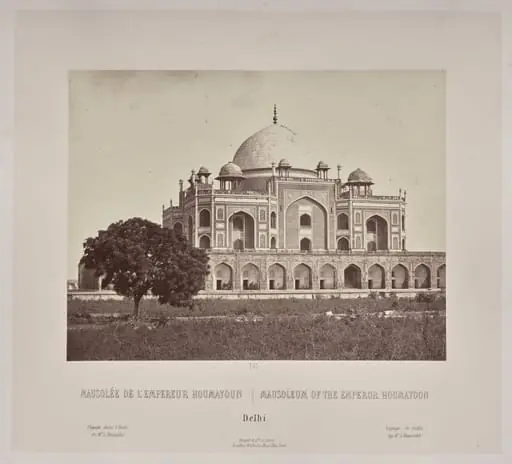
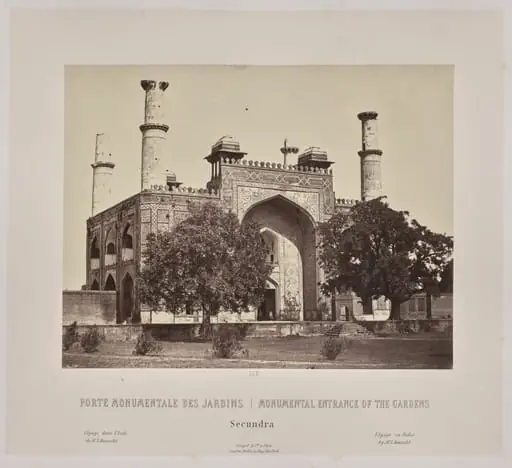
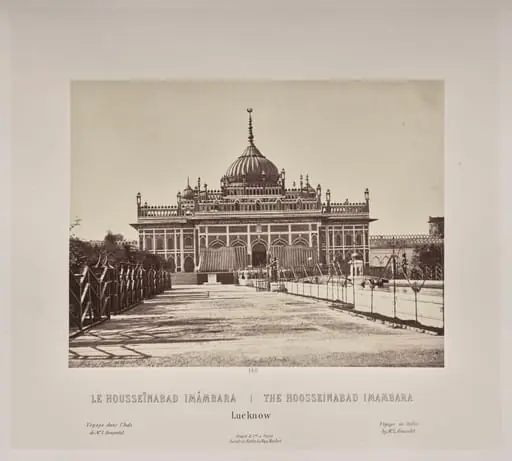
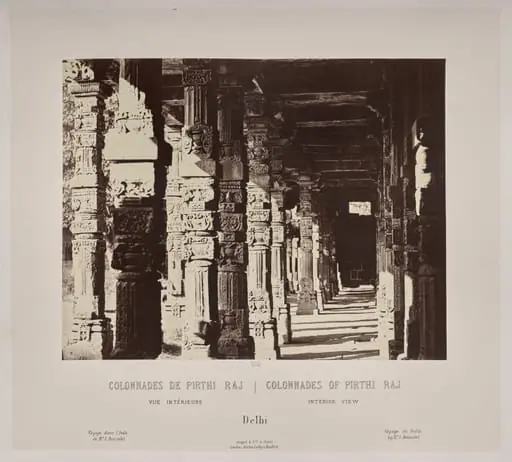
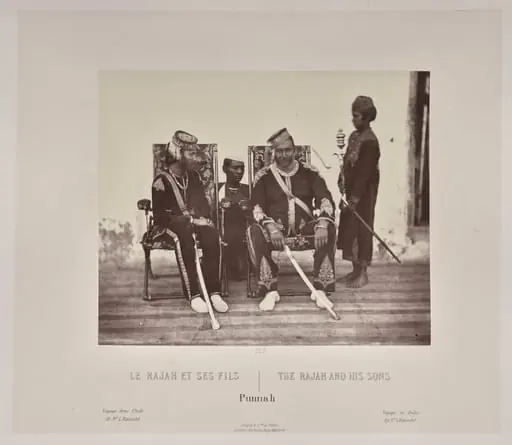
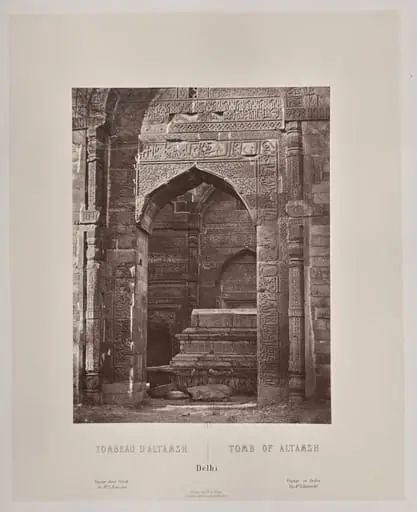
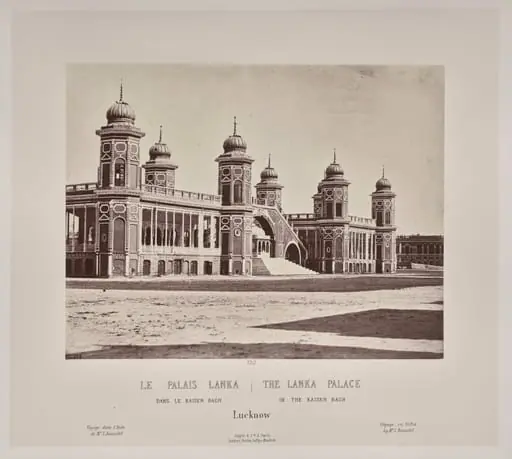
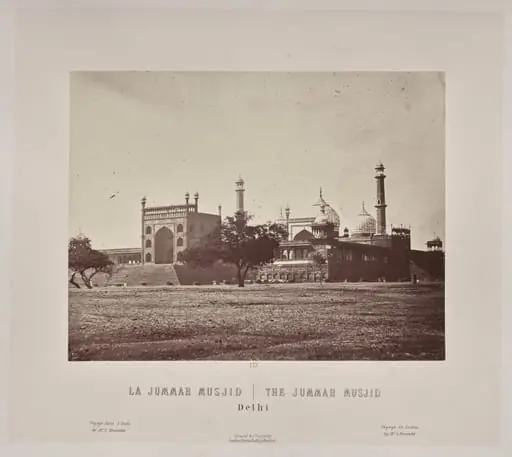
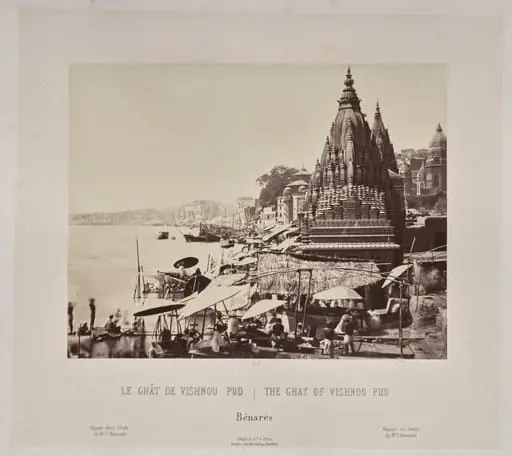
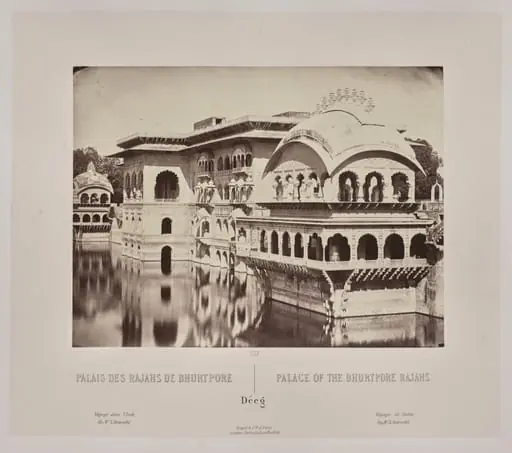
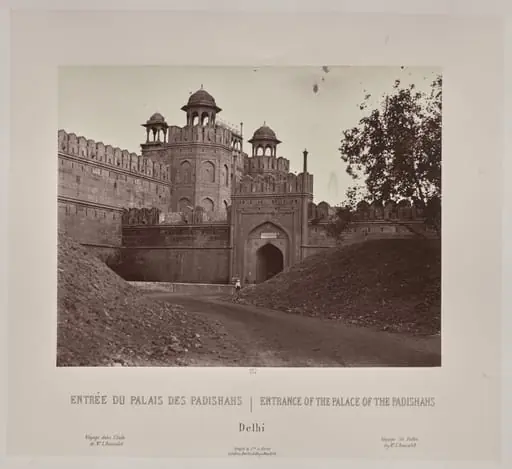
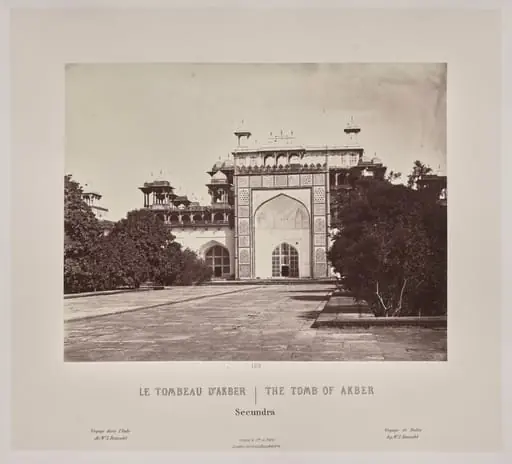
Rousselet, initially a draughtsman, turned to photography while dissatisfied with the limitations of his drawings. His Indian series, produced in the 1860s, includes a range of sites—from Sultanate, Rajput, and Mughal monuments to industrial scenes and portraits of local rulers. The photograph now resides in the collection of the Cleveland Museum of Art.
Context
The work forms part of a broader visual record of northern India’s architectural heritage, encompassing locations such as Varanasi on the Ganges and Alwar in Rajasthan. Rousselet’s images document a period of cultural transition, capturing both historic structures and contemporary life.
Artist & collection
Artist
Louis-Théophile Marie Rousselet
Louis-Théophile Marie Rousselet (1845–1929) was a French artist.