Artwork
Lot and His Daughters
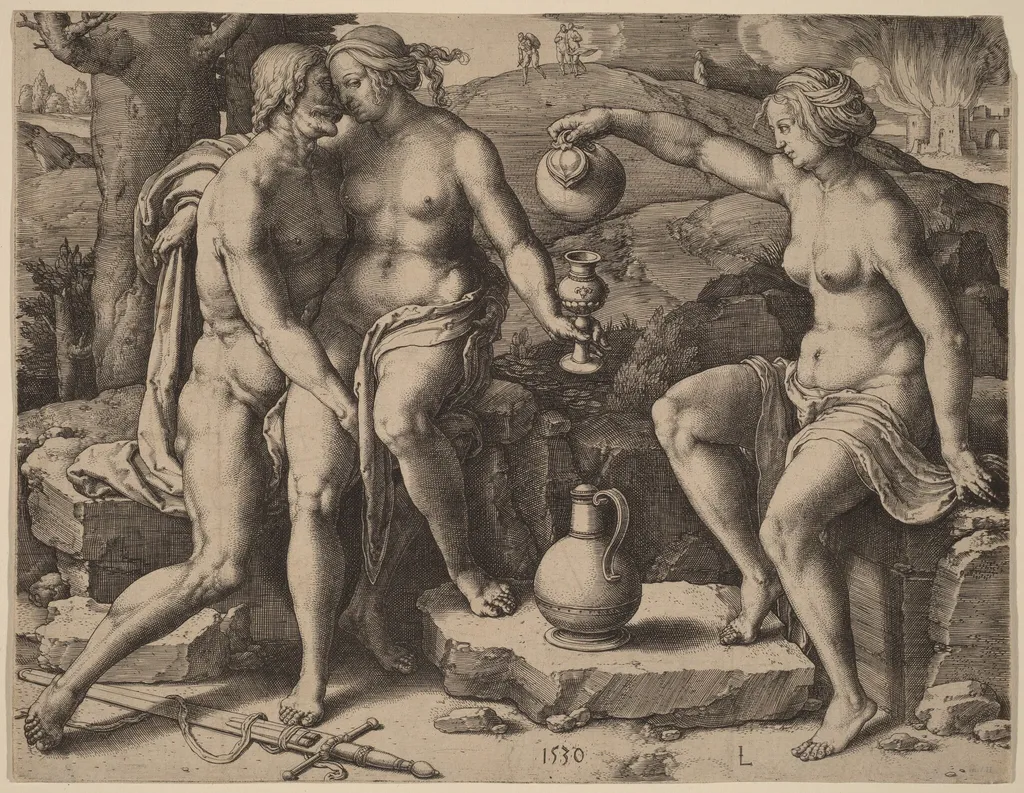
Lot and His Daughters is an ink print by the Renaissance artist Lucas van Leyden. It dates from 1530 and is held in the collection of the National Gallery of Art.
About this work
Overview
Created around 1530 by the Dutch artist Lucas van Leyden, this engraving illustrates a moment from the biblical Book of Genesis.
Created around 1530 by the Dutch artist Lucas van Leyden, this engraving illustrates a moment from the biblical Book of Genesis. Van Leyden, recognized for his mastery in printmaking, rendered the scene with fine linear precision. The work belongs to a period when Northern European artists increasingly turned to biblical narratives with psychological nuance and detailed natural settings, reflecting broader Renaissance interests in human experience and landscape.
Subject & Meaning
The scene portrays Lot and his two daughters in the aftermath of Sodom’s destruction, as recounted in Genesis 19. Isolated in a barren landscape, the figures prepare to ensure their lineage through a morally complex act. The positioning of the figures—Lot’s exposed posture, the daughters’ attentive gestures with vessels—suggests tension between vulnerability and intention. The discarded sword implies recent violence, deepening the narrative’s gravity without explicit depiction.
Technique & Style
Van Leyden employed fine cross-hatching to model form and suggest texture across skin, fabric, and terrain. The engraving’s intricate line work creates subtle gradations of light and shadow, enhancing the three-dimensionality of the figures and the rocky ground. The landscape, rendered with delicate trees and a distant body of water, reflects a Northern Renaissance concern for naturalism, while the composition’s intimacy draws focus to the psychological dynamics among the three figures.
History & Provenance
The engraving was produced during the height of van Leyden’s career, when his prints circulated widely across Europe. Though no early ownership records are definitively documented, the work’s technical quality ensured its inclusion in major collections by the 17th century. It remains a key example of early 16th-century Dutch printmaking, valued for its compositional clarity and emotional restraint.
Context
In early 16th-century Northern Europe, biblical subjects were frequently adapted for private devotion and intellectual engagement. Van Leyden’s treatment of Lot’s story aligns with a trend toward humanizing sacred narratives, emphasizing psychological realism over didacticism. His use of landscape as both setting and metaphor reflects the era’s growing interest in the natural world as a mirror for moral and spiritual states.
Legacy
Van Leyden’s engraving influenced later Northern artists in their handling of biblical themes through intimate, psychologically charged scenes. His technical innovations in line and texture set standards for printmakers seeking to convey narrative depth without color. Though less celebrated than his contemporaries, his work contributed to the evolution of print as a medium capable of serious artistic expression.
Own this work as a print
Artist & collection

Artist
Lucas van Leyden (1494 – 8 August 1533), was a Dutch painter and printmaker in engraving and woodcut. Lucas van Leyden was among the first Dutch exponents of genre painting and was a very accomplished engraver.

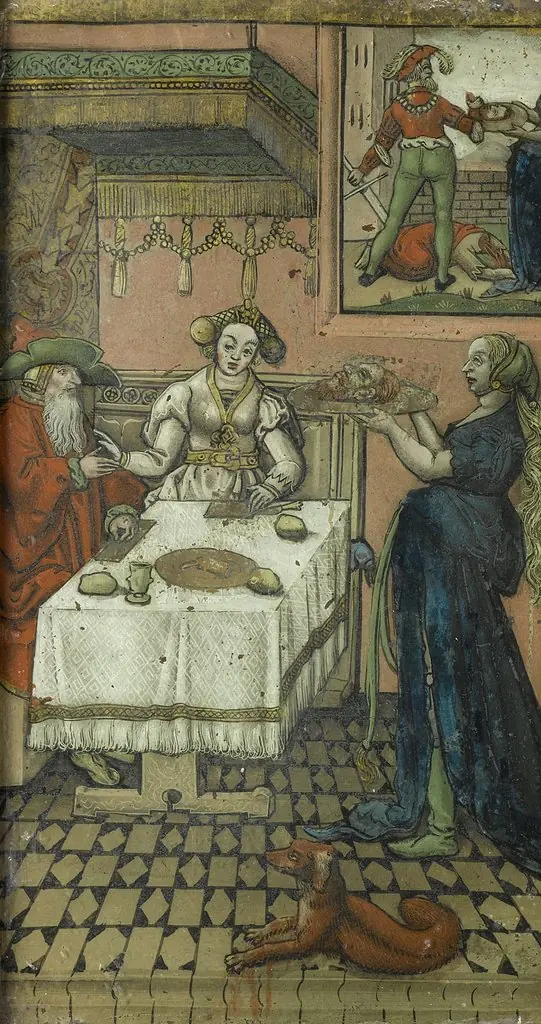 Salome with the head of St John the Baptist
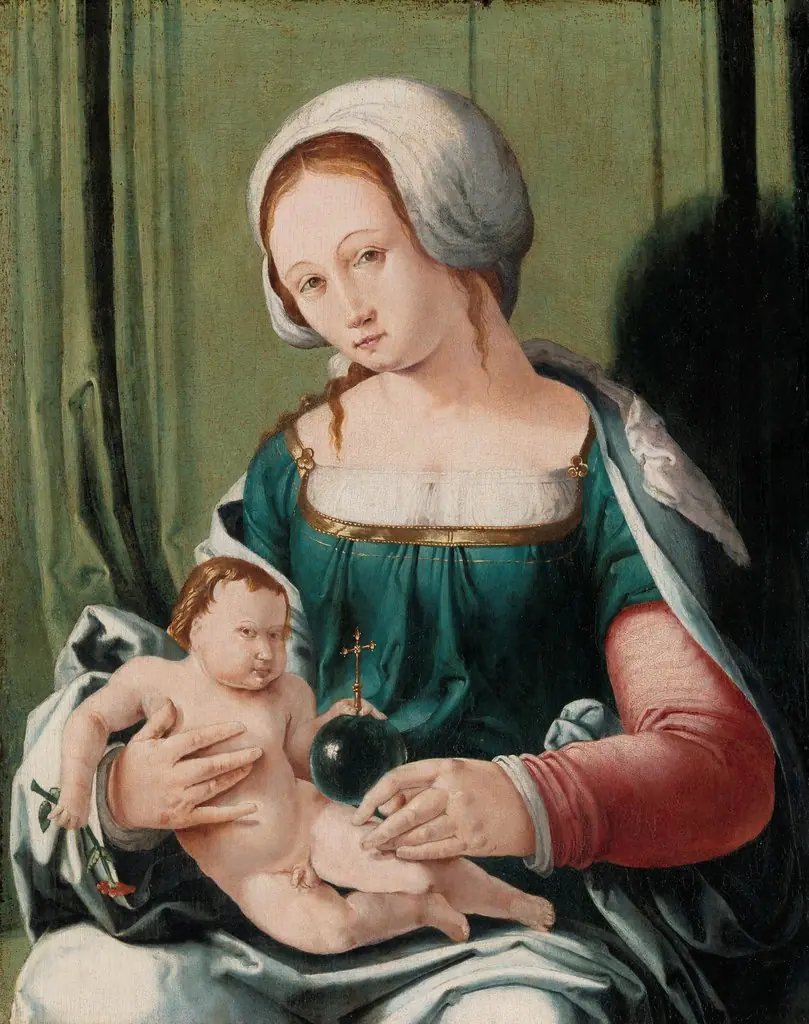 The Virgin and Child
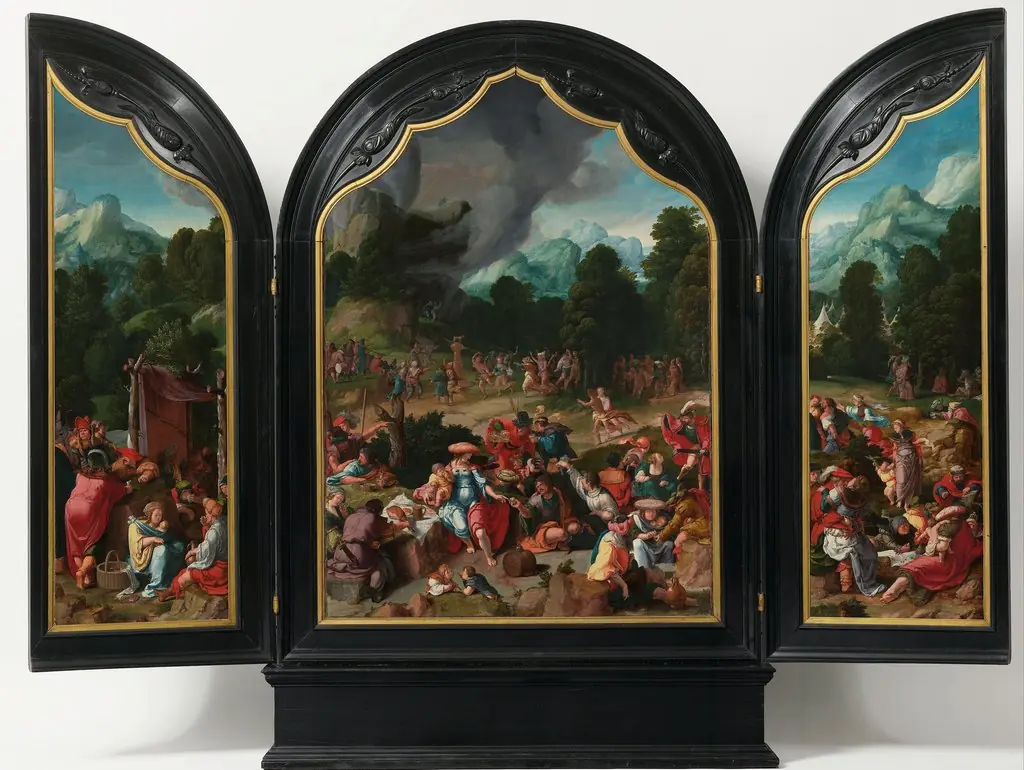 Worship of the Golden Calf
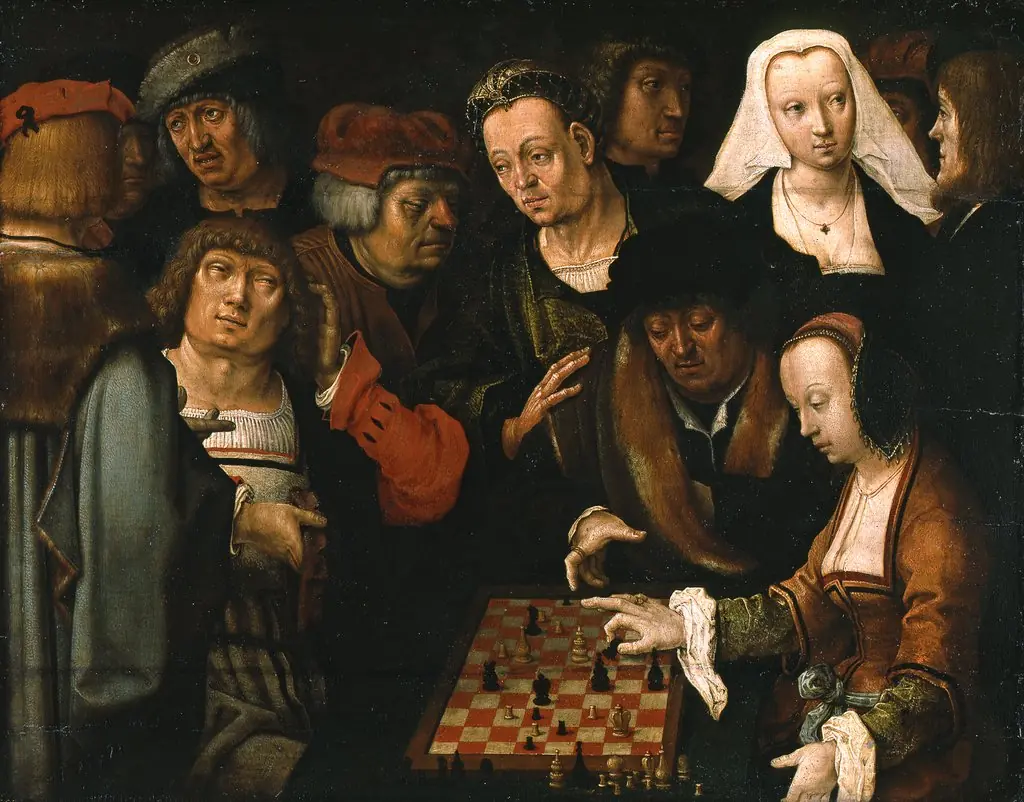 A Game of Chess
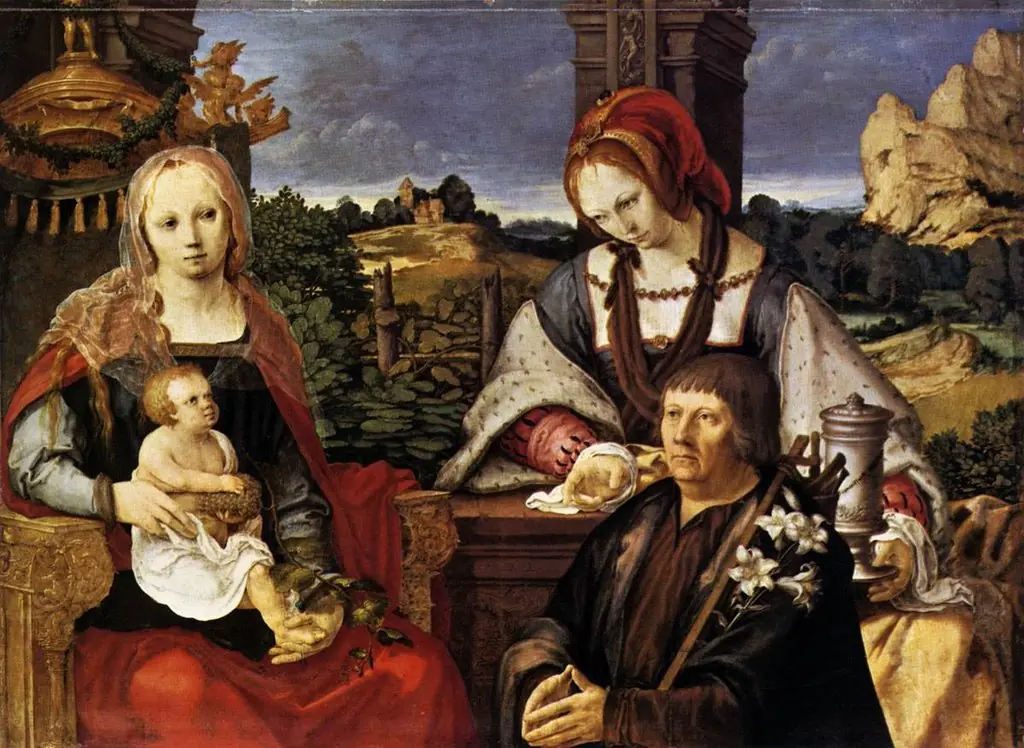 Mary with Child, St. Maria Magdalena and founder (separate outside, Inv. No. 7713)
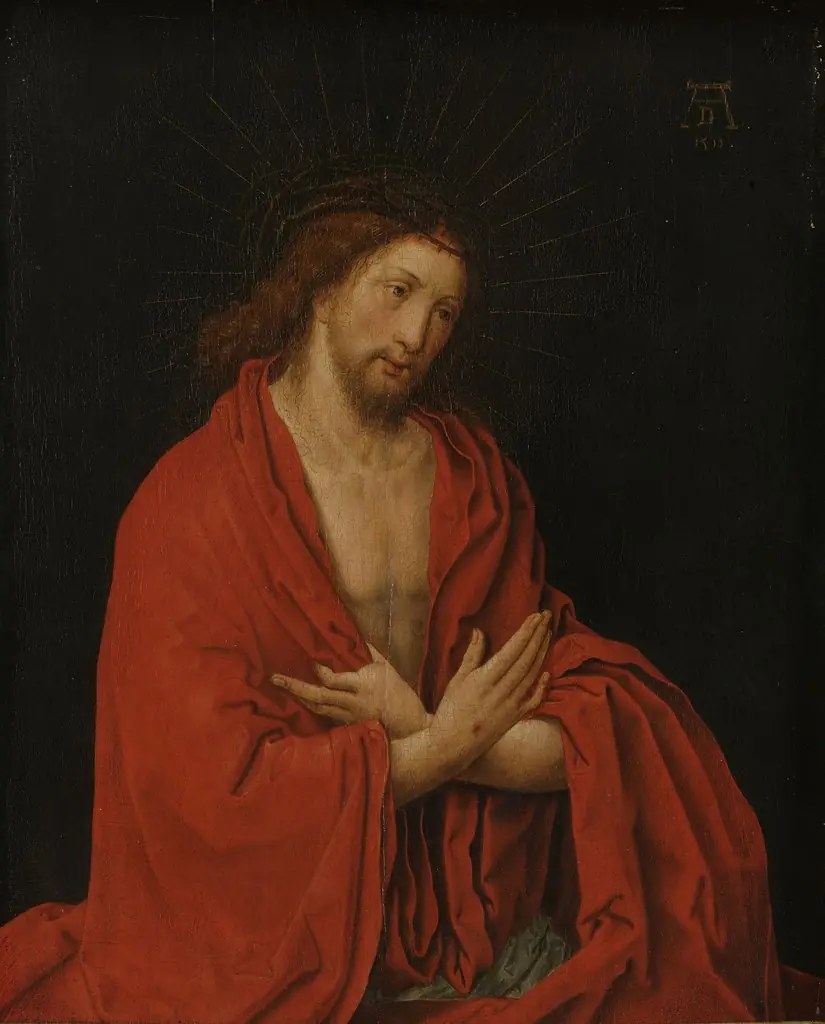 Inner left wing of a diptych with Christ as the Man of Sorrows
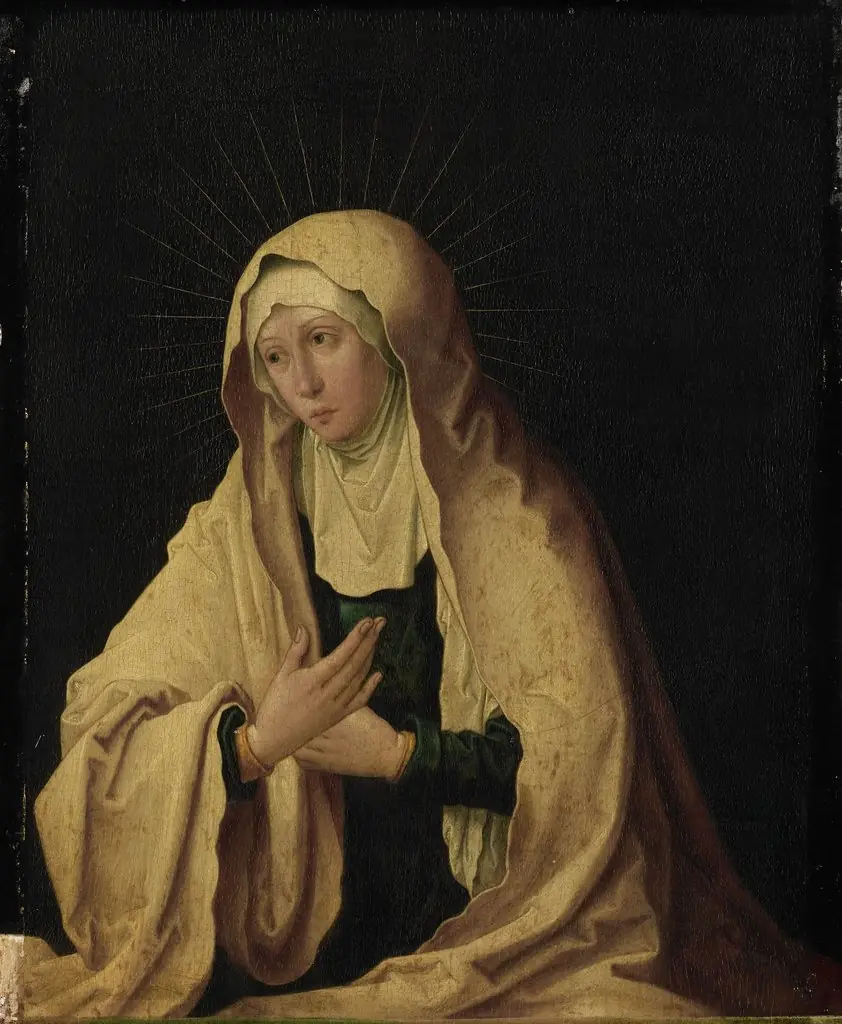 Inner right wing of a diptych with the Virgin as Mater Dolorosa
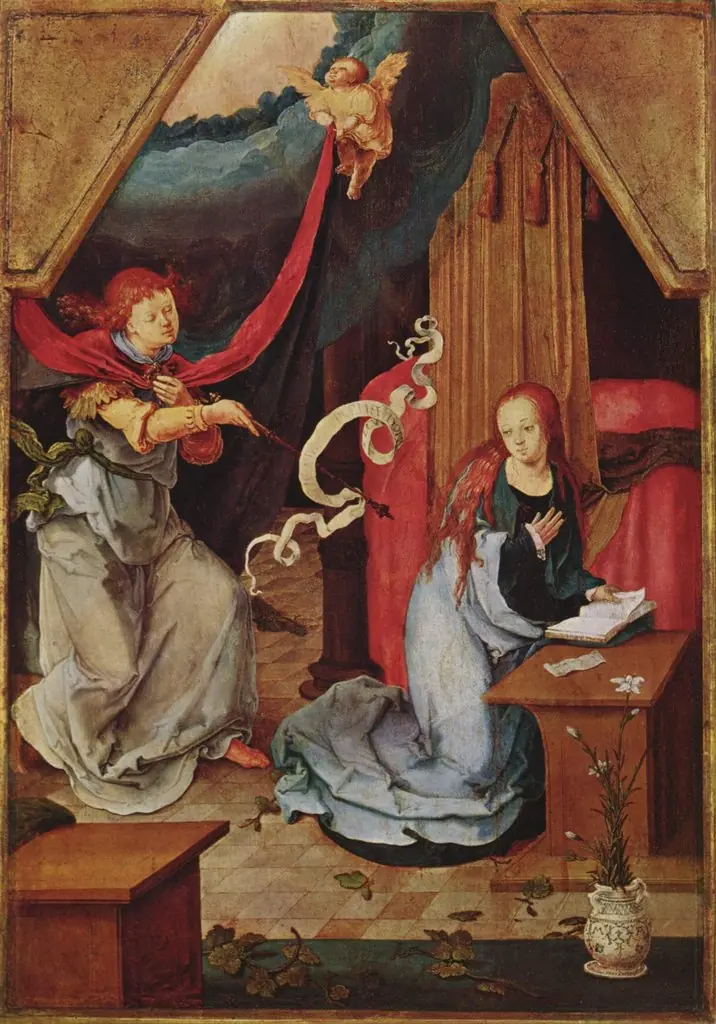 Annunciation
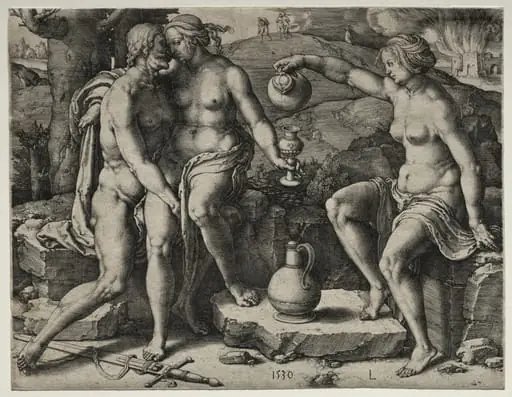 Lot and His Daughters
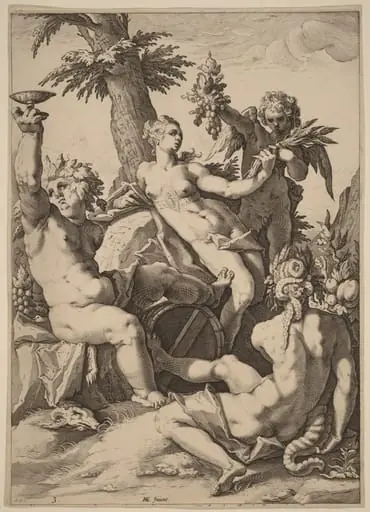 Without Ceres and Bacchus, Venus Would Freeze
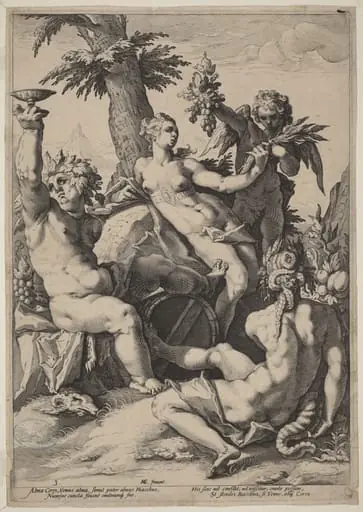 Without Ceres and Bacchus, Venus Would Freeze
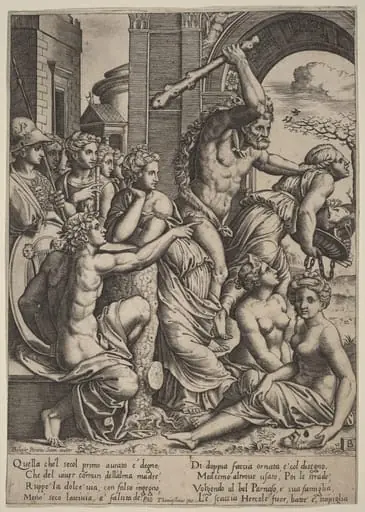 Envy Driven from the Temple of the Muses
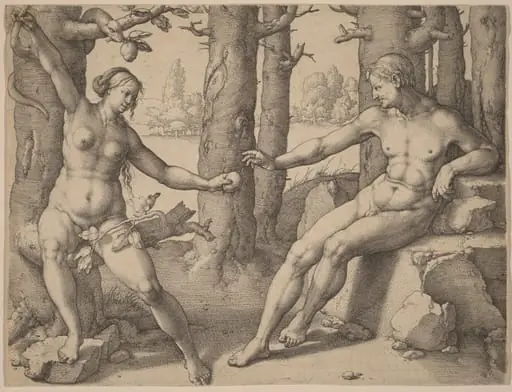 The Fall of Man
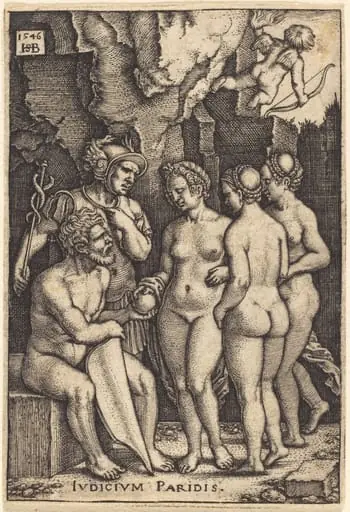 The Judgment of Paris
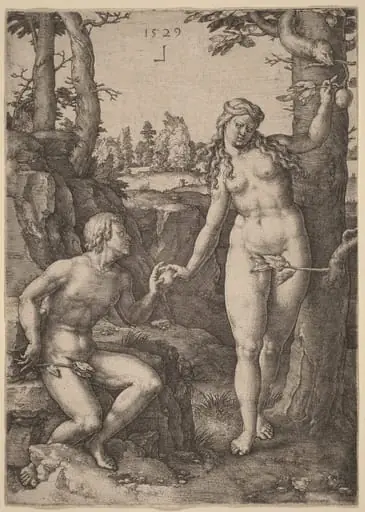 The Fall of Man
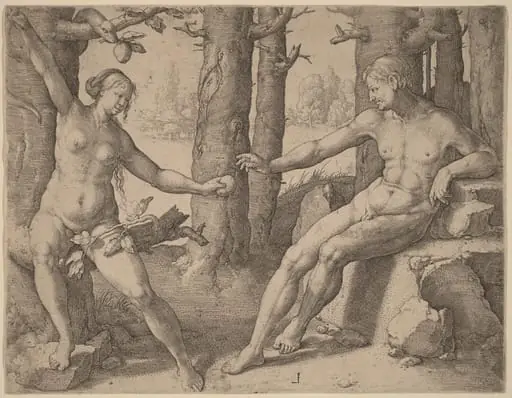 The Fall of Man
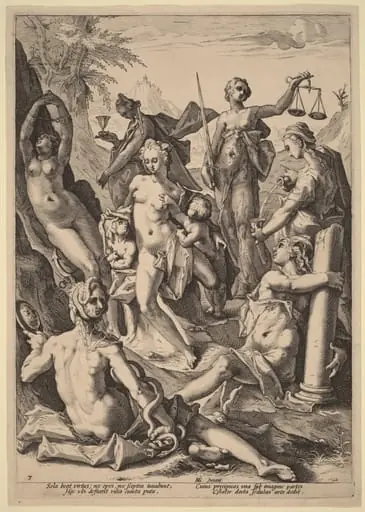 The Seven Virtues
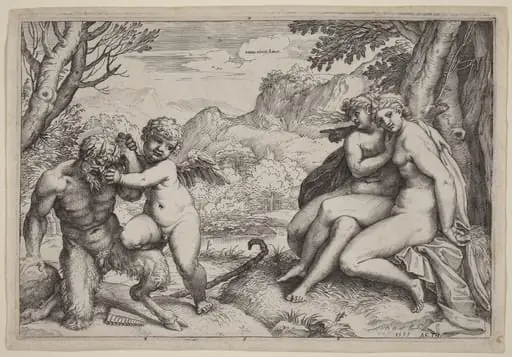 Pan Taming Eros
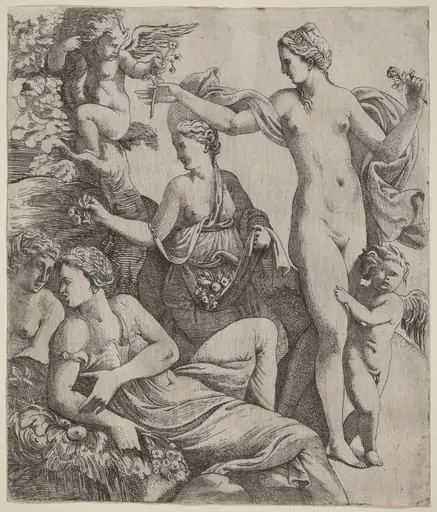 Venus with the Graces and Putti
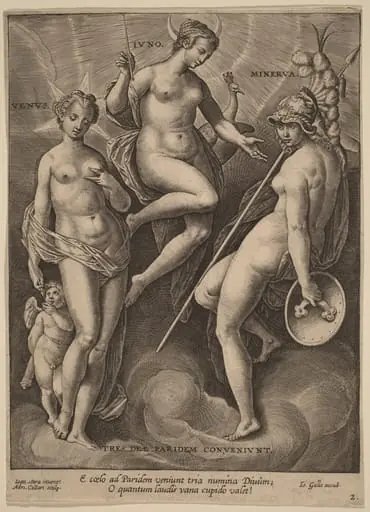 Venus, Juno and Minerva