Artwork
Saint Jerome in the Wilderness
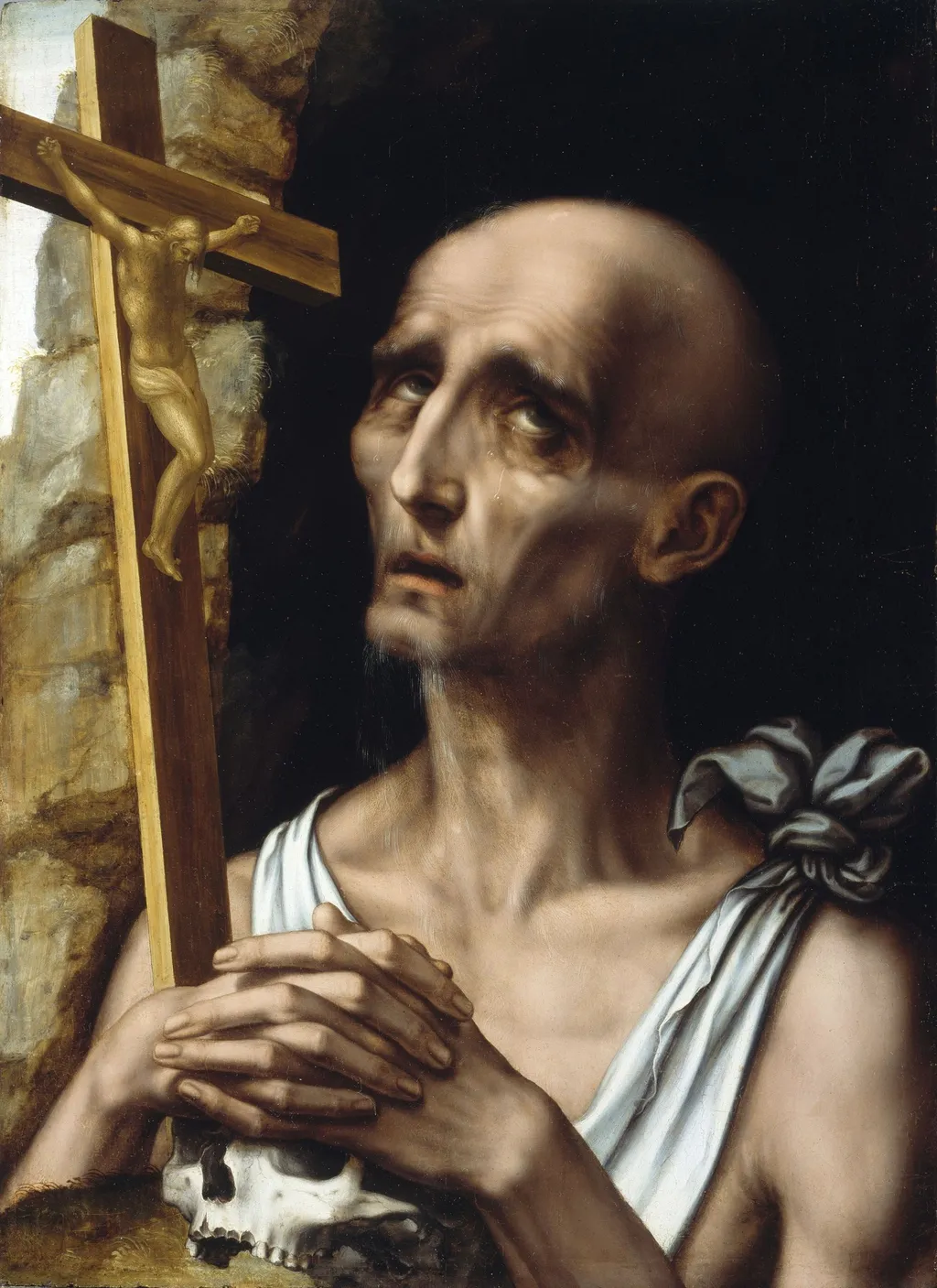
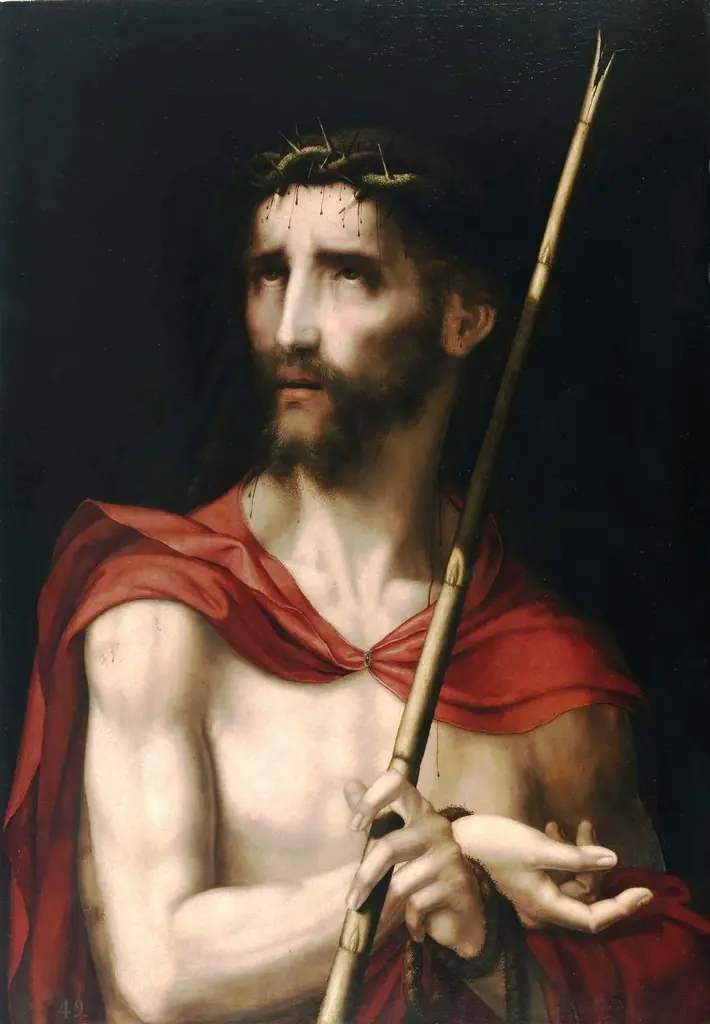
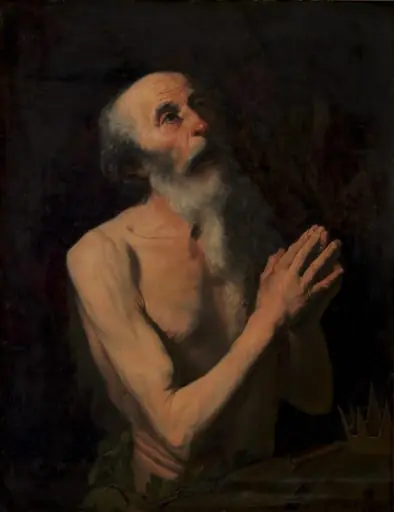
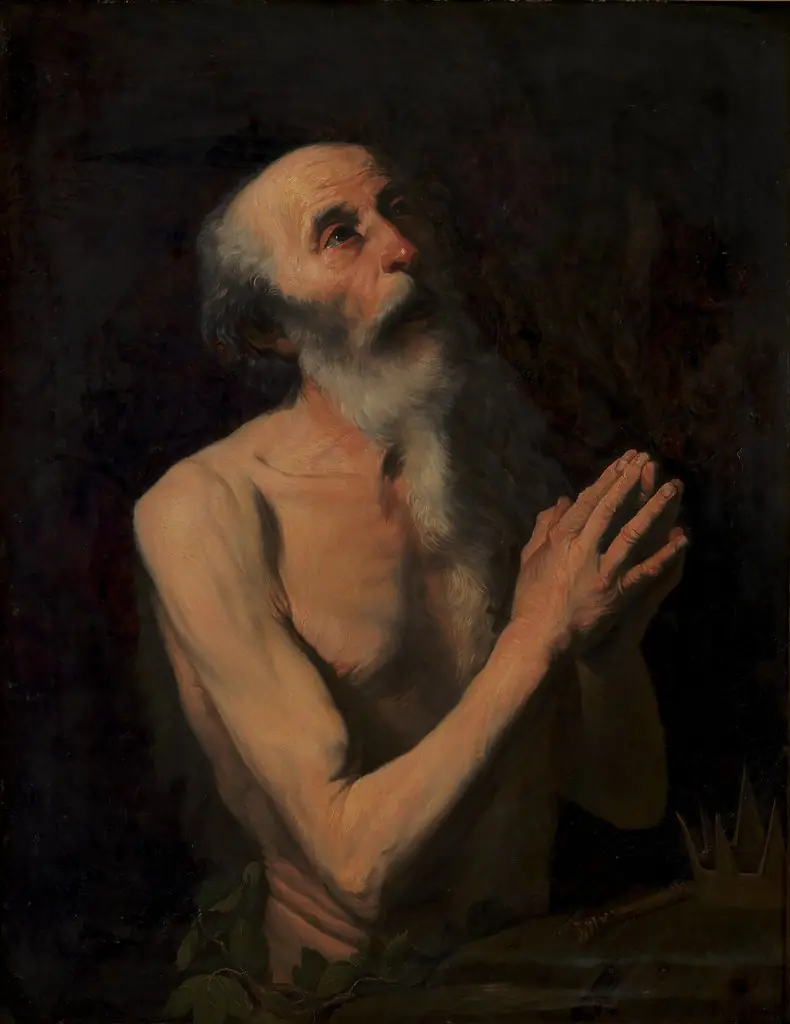
Saint Jerome in the Wilderness is an oil painting by the Spanish Baroque Tenebrist artist Luis de Morales. It dates from 1570 and is held in the collection of the National Gallery of Ireland.
About this work
Overview
Saint Jerome in the Wilderness is a 1570 oil painting by Luis de Morales, a 16th-century Spanish artist renowned for the spiritual depth and realism of his religious works. The piece is characteristic of the Spanish Baroque tenebrist movement.
Subject & Meaning
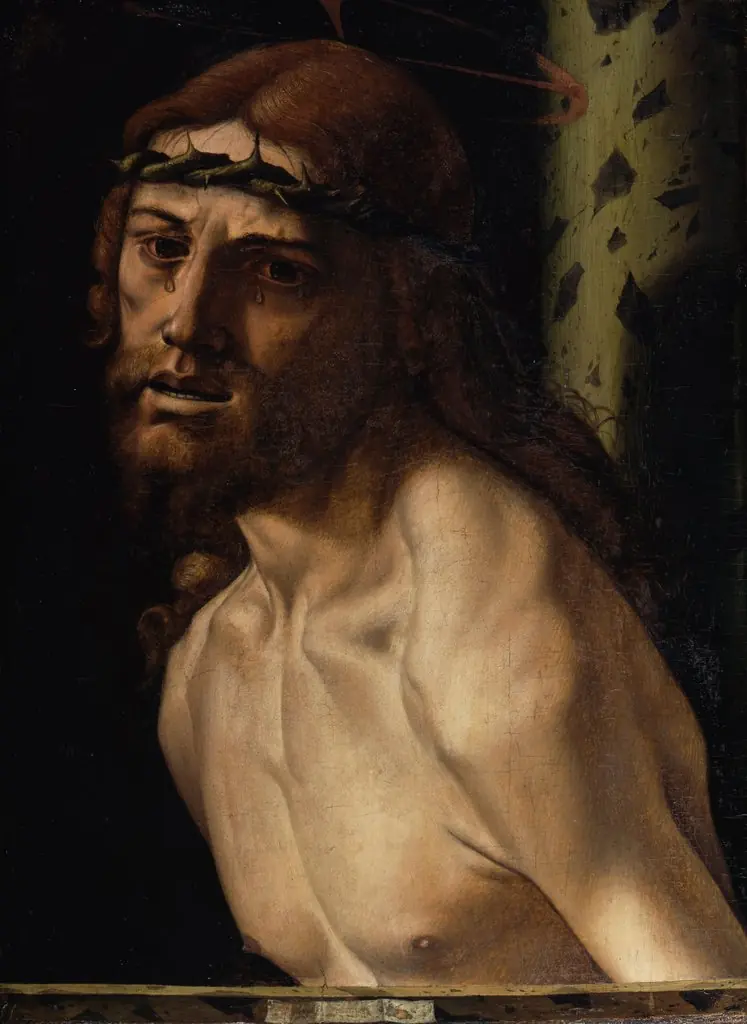
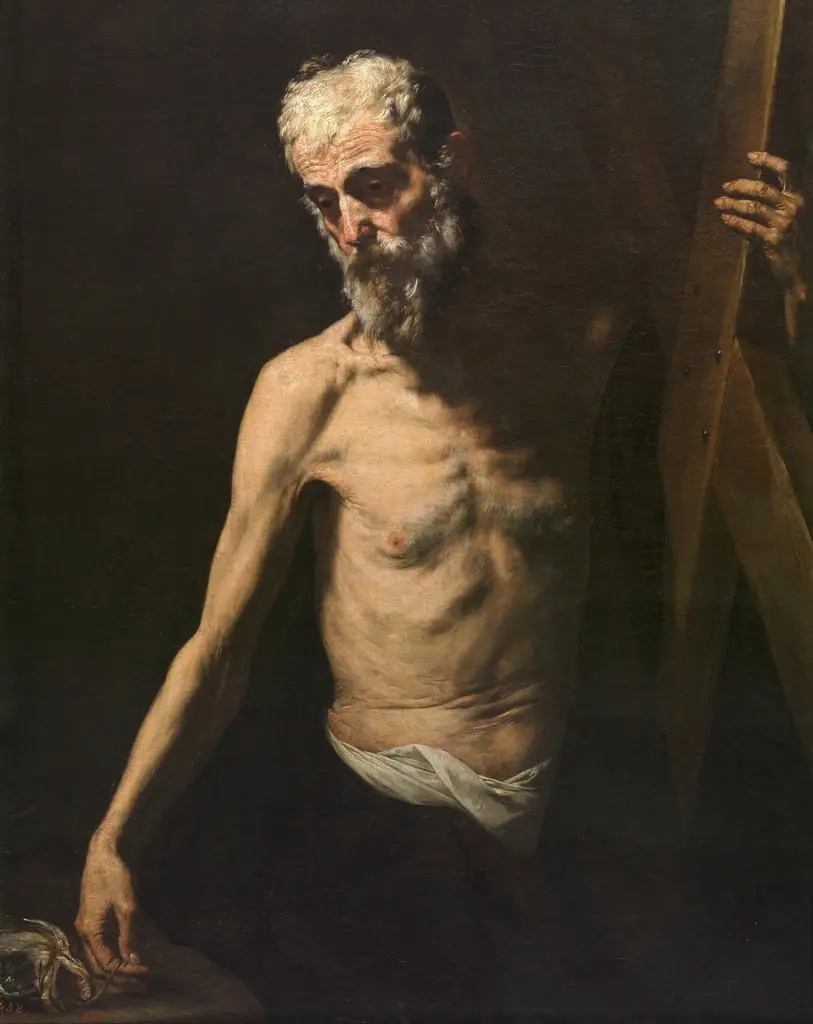
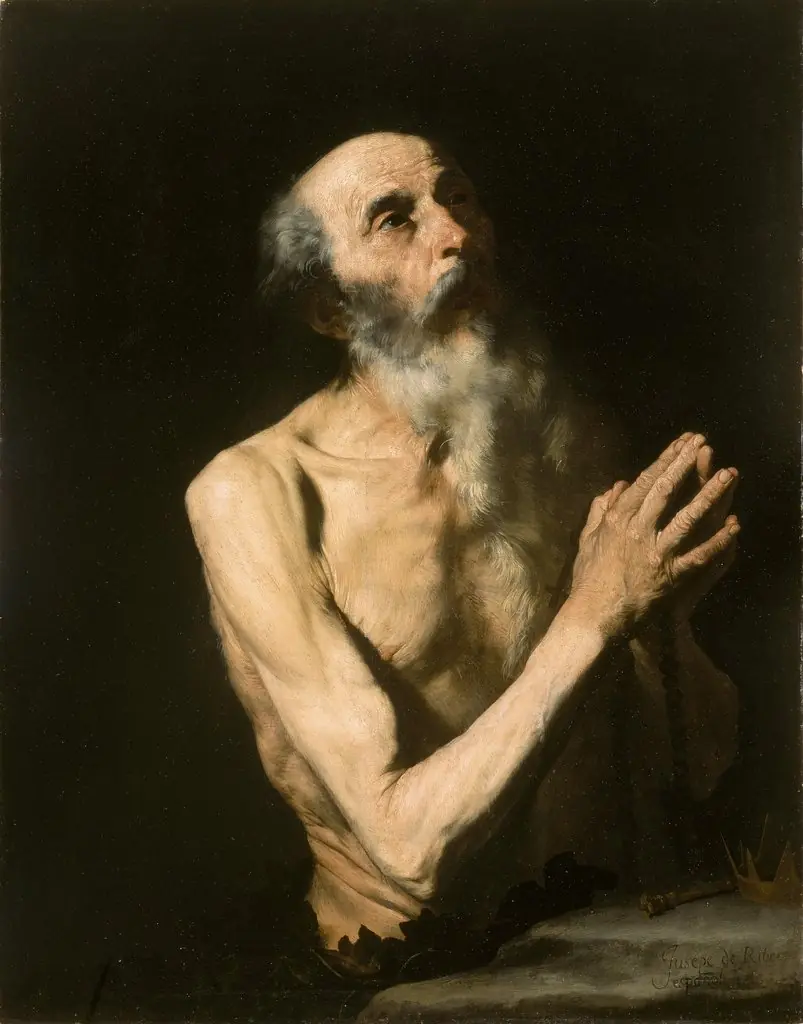
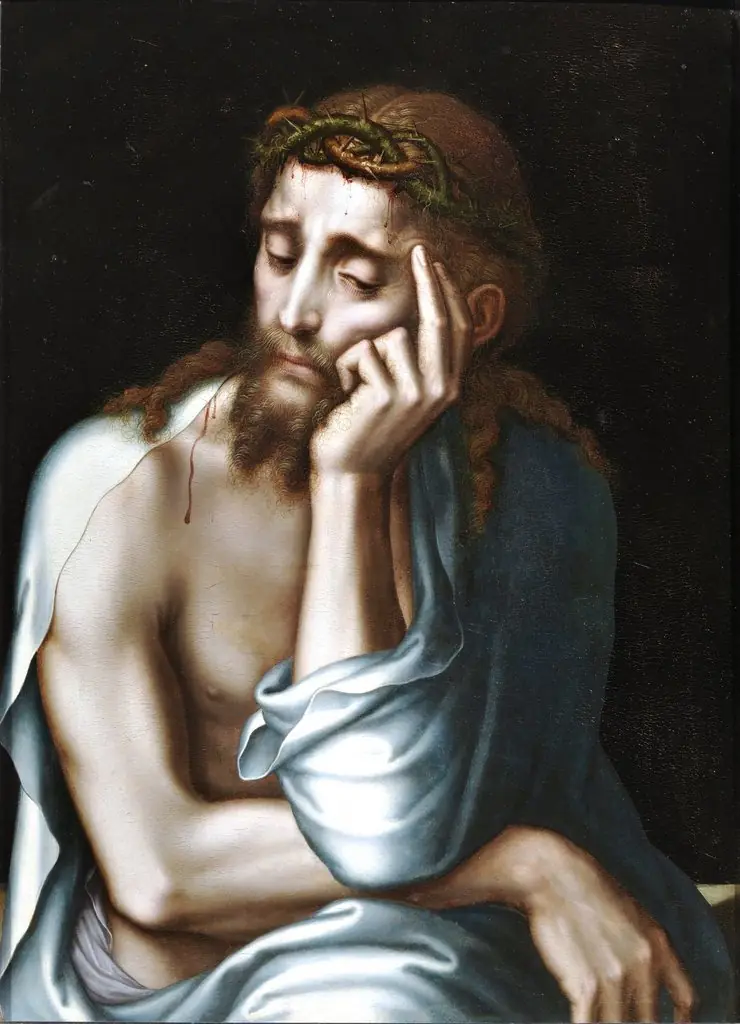
The painting depicts Saint Jerome in contemplation, symbolized by a wooden cross with a crucified figure, a skull, and clasped hands in prayer. These elements convey themes of religious reflection and faith.
Technique & Style
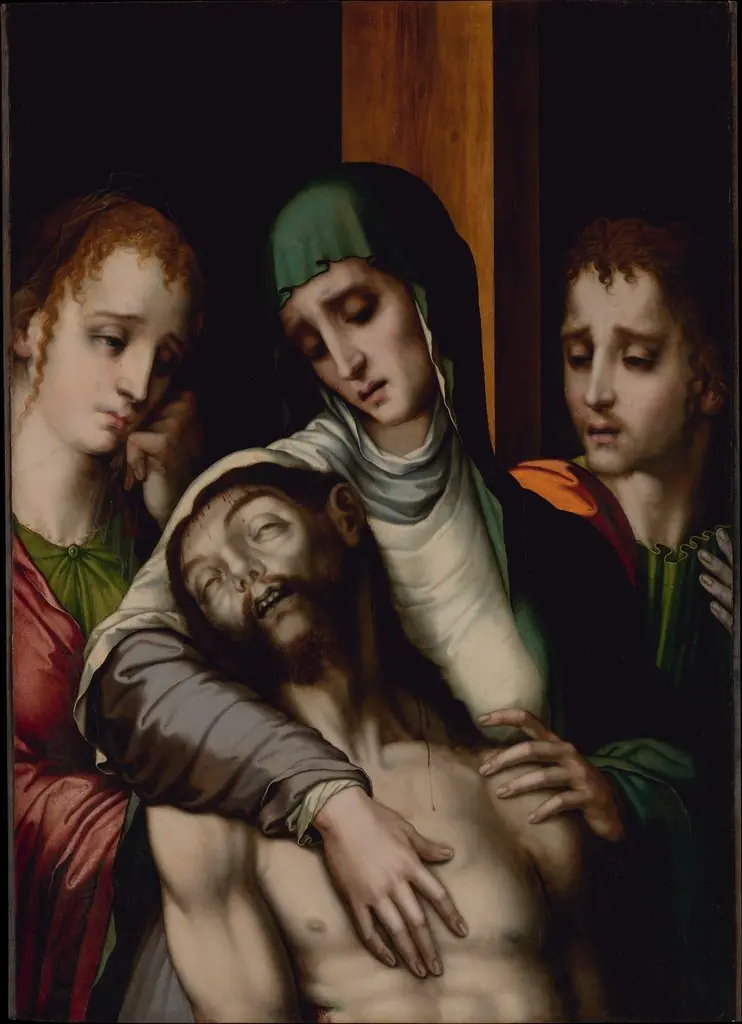
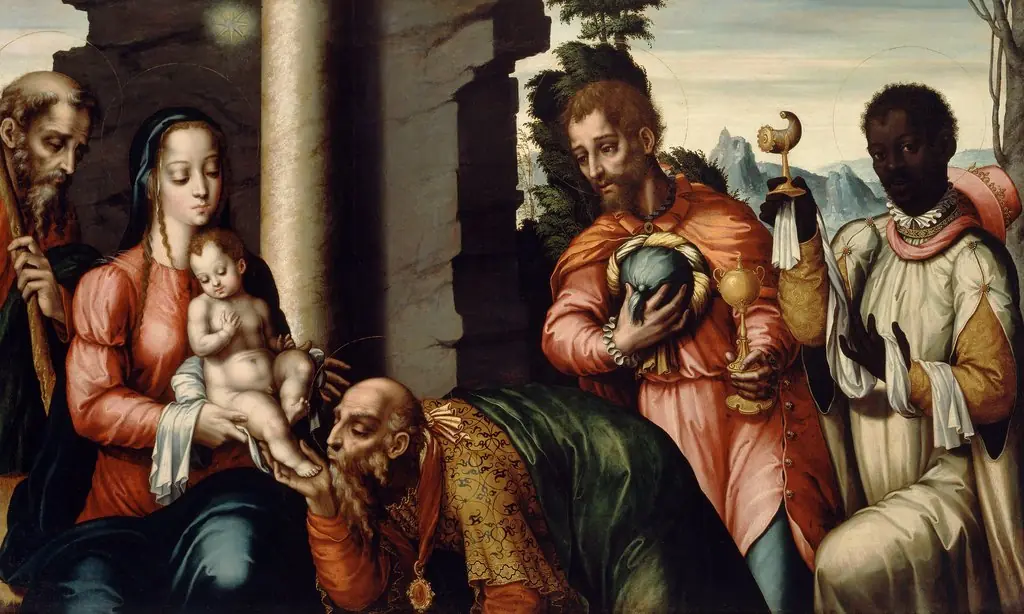
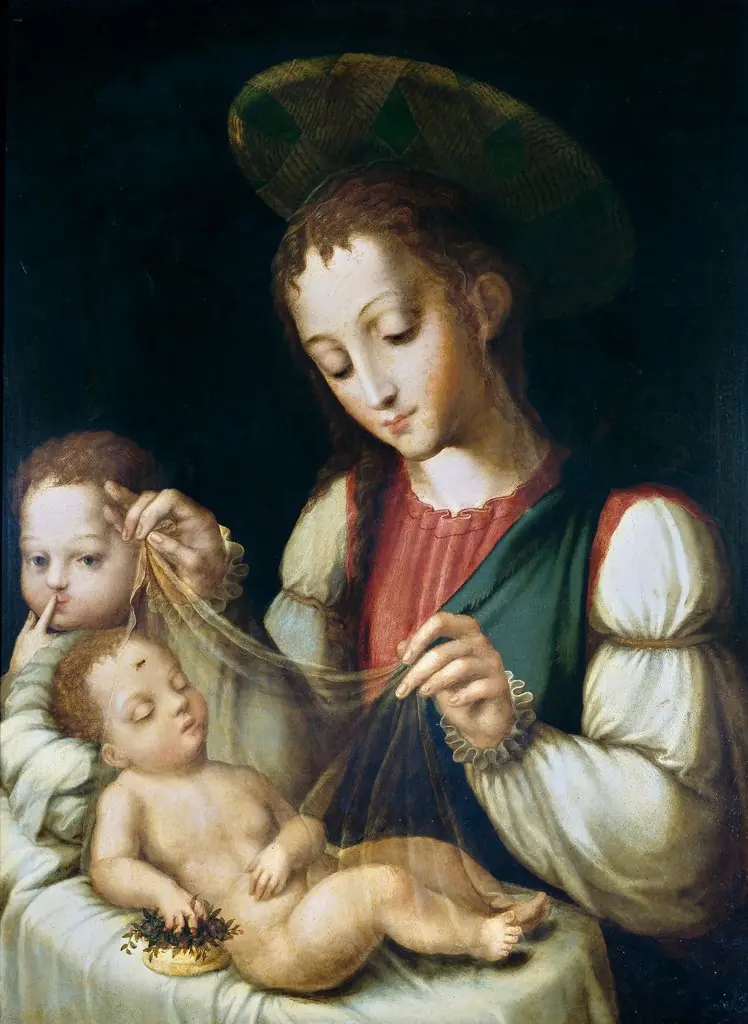
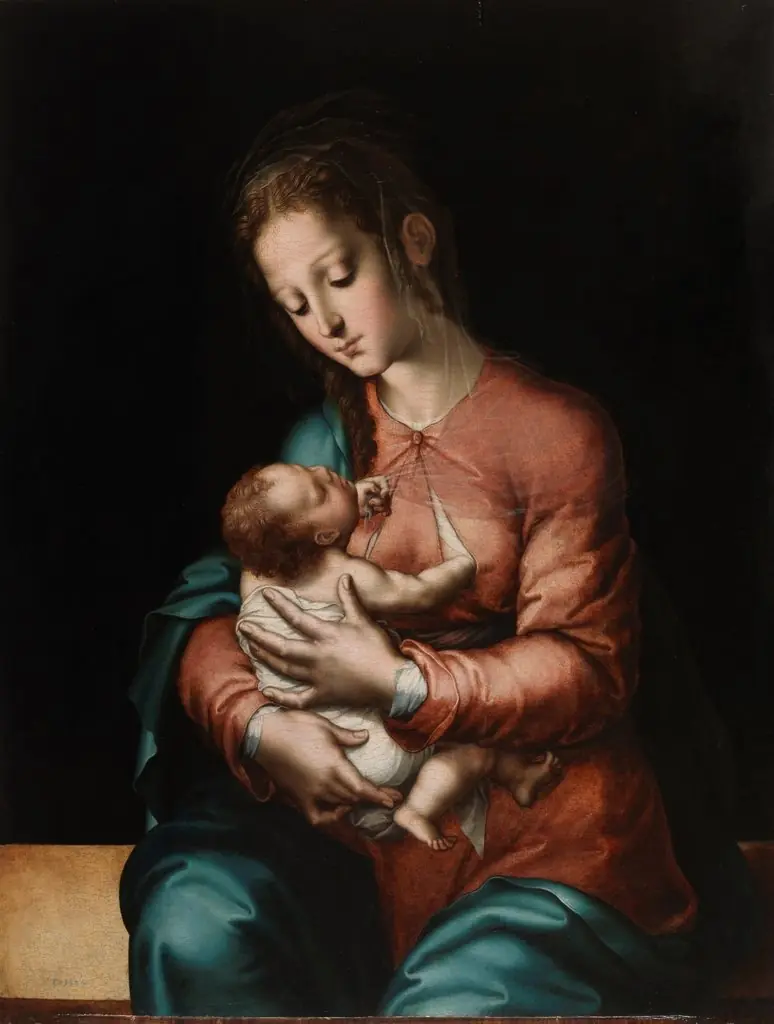
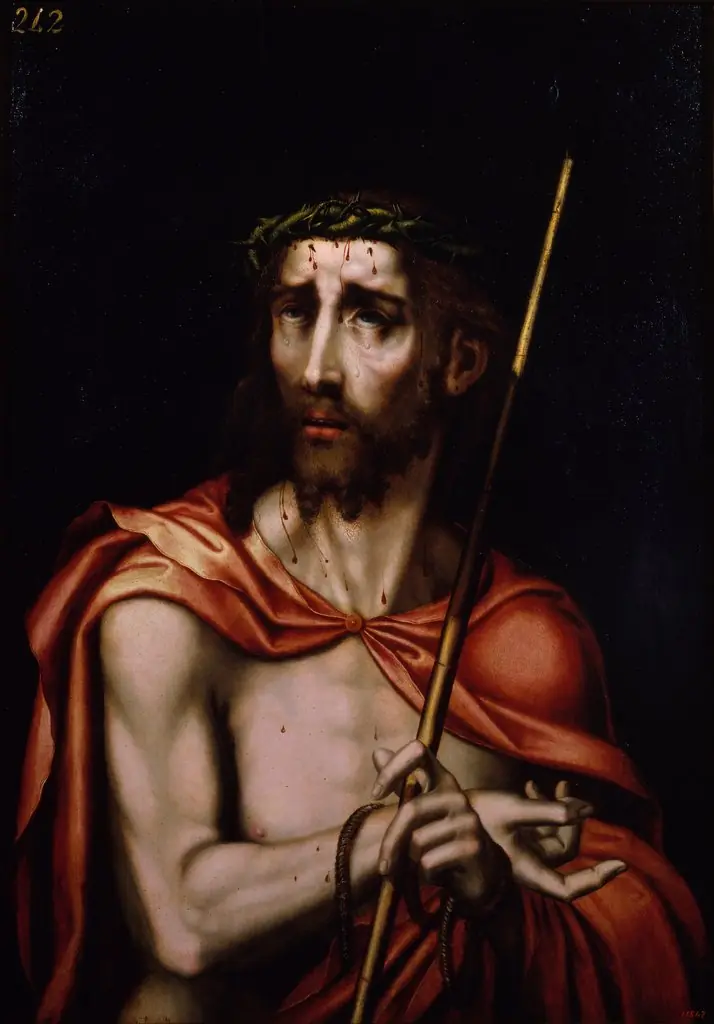
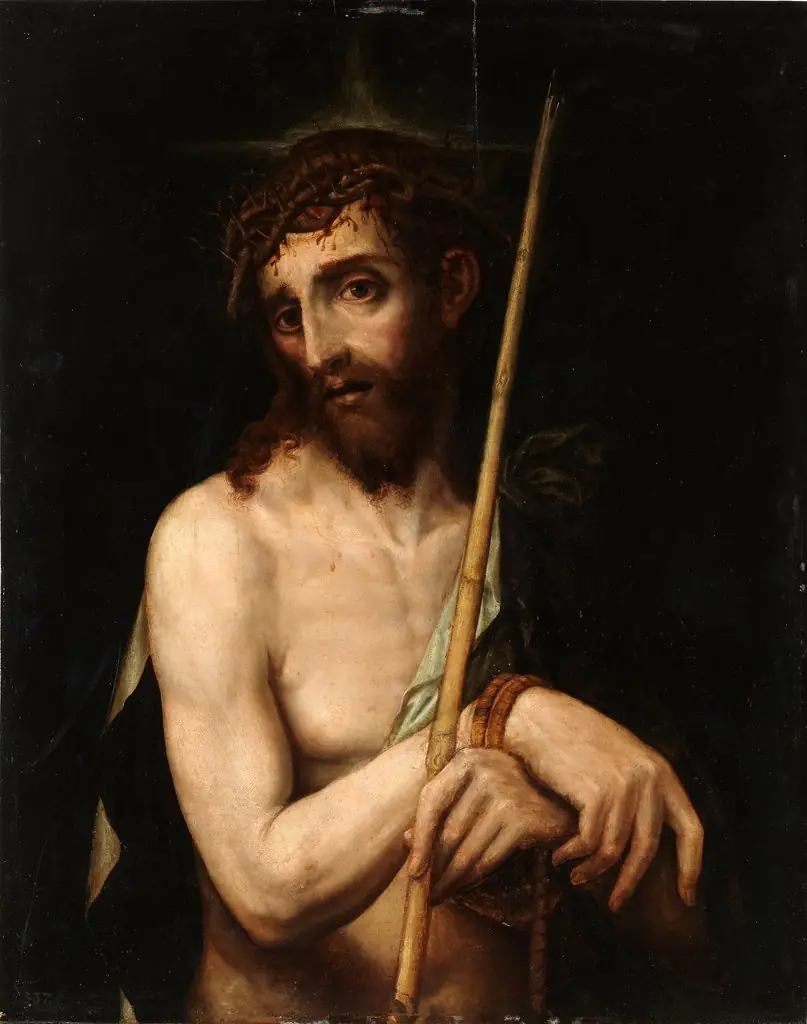
Morales employed strong chiaroscuro, juxtaposing deep shadows with bright highlights to achieve a three-dimensional effect, notably in the subject's face. His style reflects influences from Raphael and the Lombard school associated with Leonardo da Vinci.
History & Provenance
Created in 1570, the painting is part of the National Gallery of Ireland's collection. Morales, known as 'El Divino', frequently depicted Saint Jerome, highlighting the saint's significance in his oeuvre.
Context
This work is situated within the Spanish Baroque tenebrist tradition, characterized by dramatic lighting. Morales's involvement with this movement and his notable influences (Raphael, Lombard school) place the painting within a broader European artistic dialogue of the time.
Legacy
As a representative of Morales's spiritually intense and realistically rendered religious art, *Saint Jerome in the Wilderness* contributes to the artist's reputation as 'El Divino' and to the understanding of 16th-century Spanish Baroque tenebrism.
Own this work as a print
Artist & collection
Artist
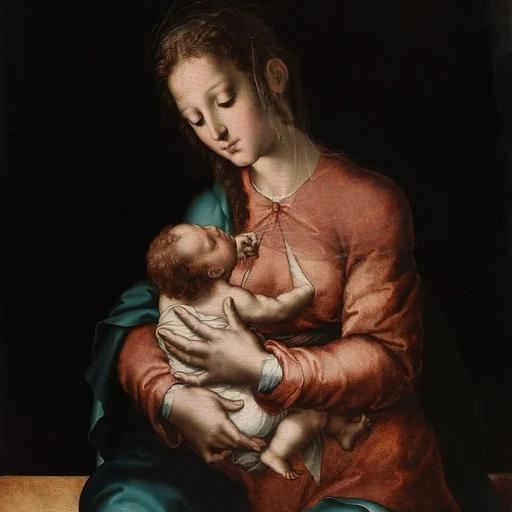
Luis de Morales (1509 – 9 May 1586) was a Spanish painter active during the Spanish Renaissance in the 16th century.