Artwork
Retrato Masculino (António Gomes da Mata?)
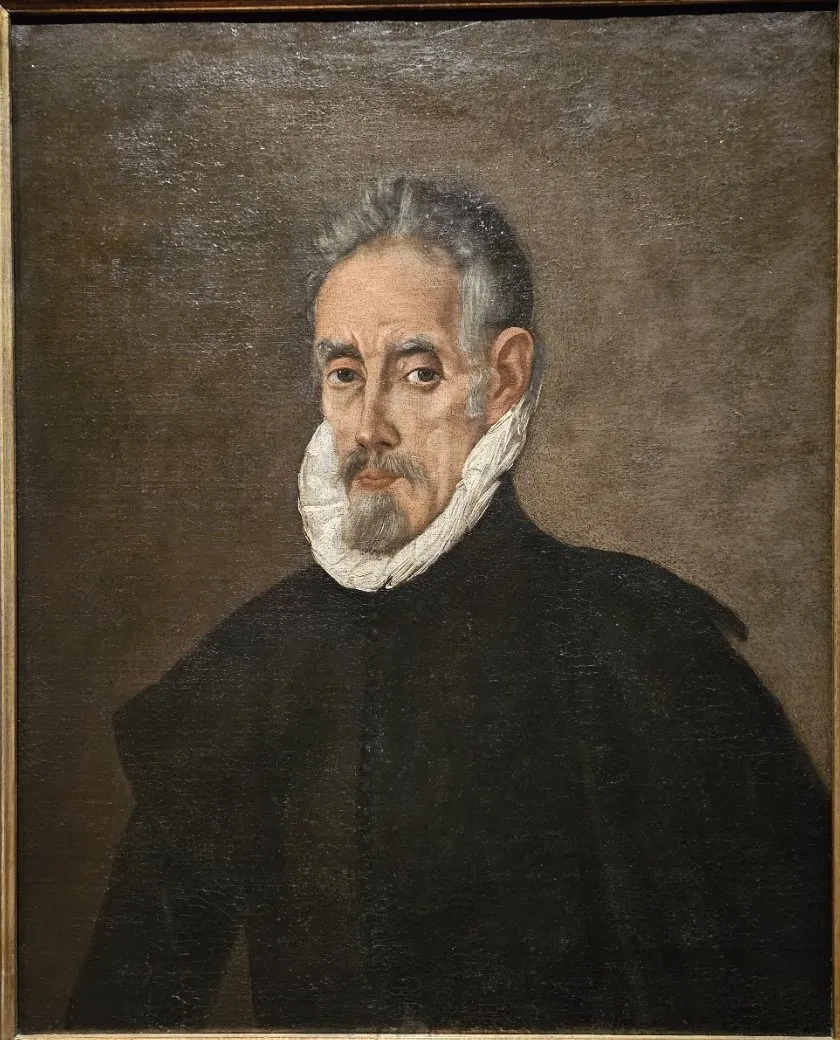
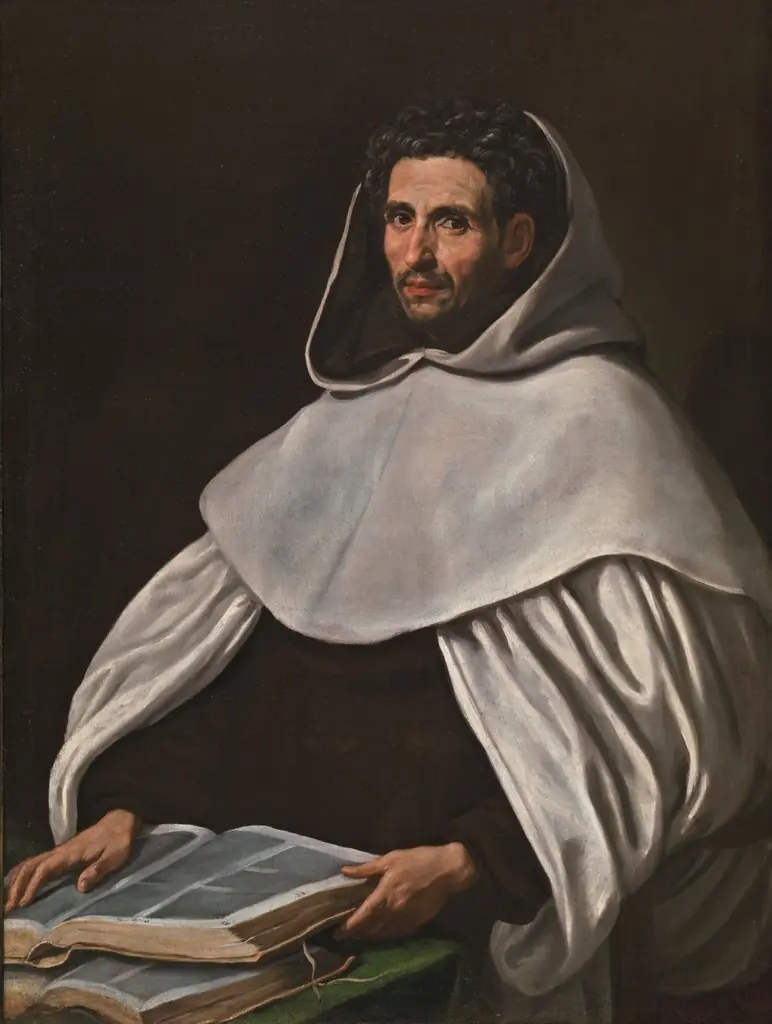
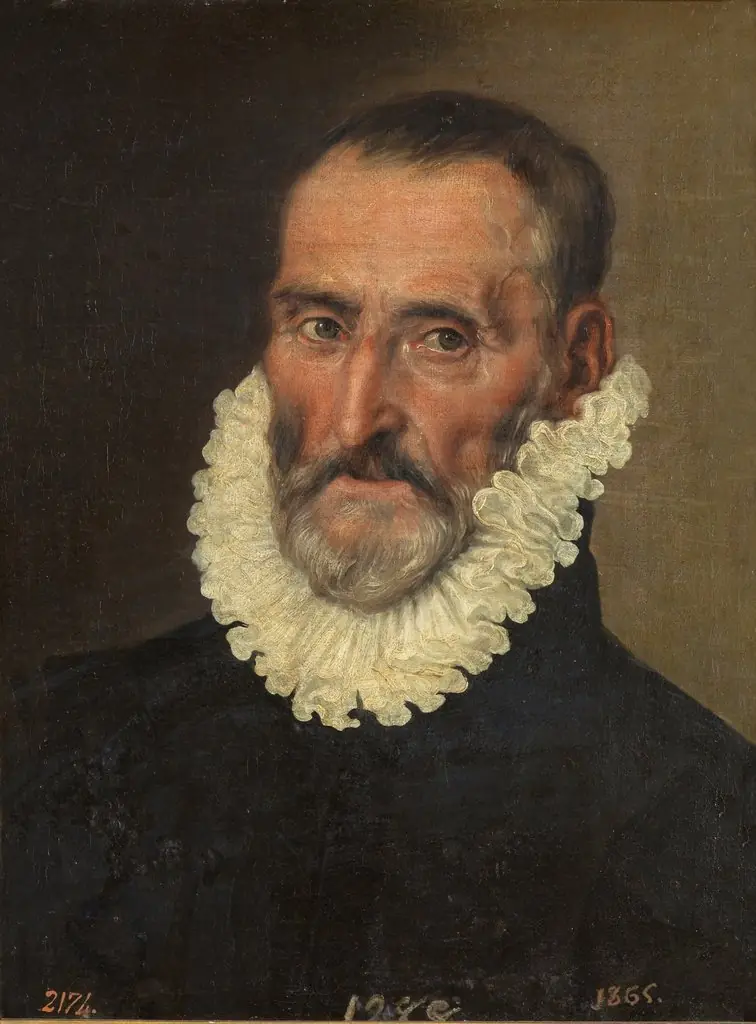
Retrato Masculino (António Gomes da Mata?) is an unspecified painting by the Early Baroque Italian artist Luis Tristán. It dates from 1619 and is held in the collection of the National Museum of Ancient Art.
About this work
Overview
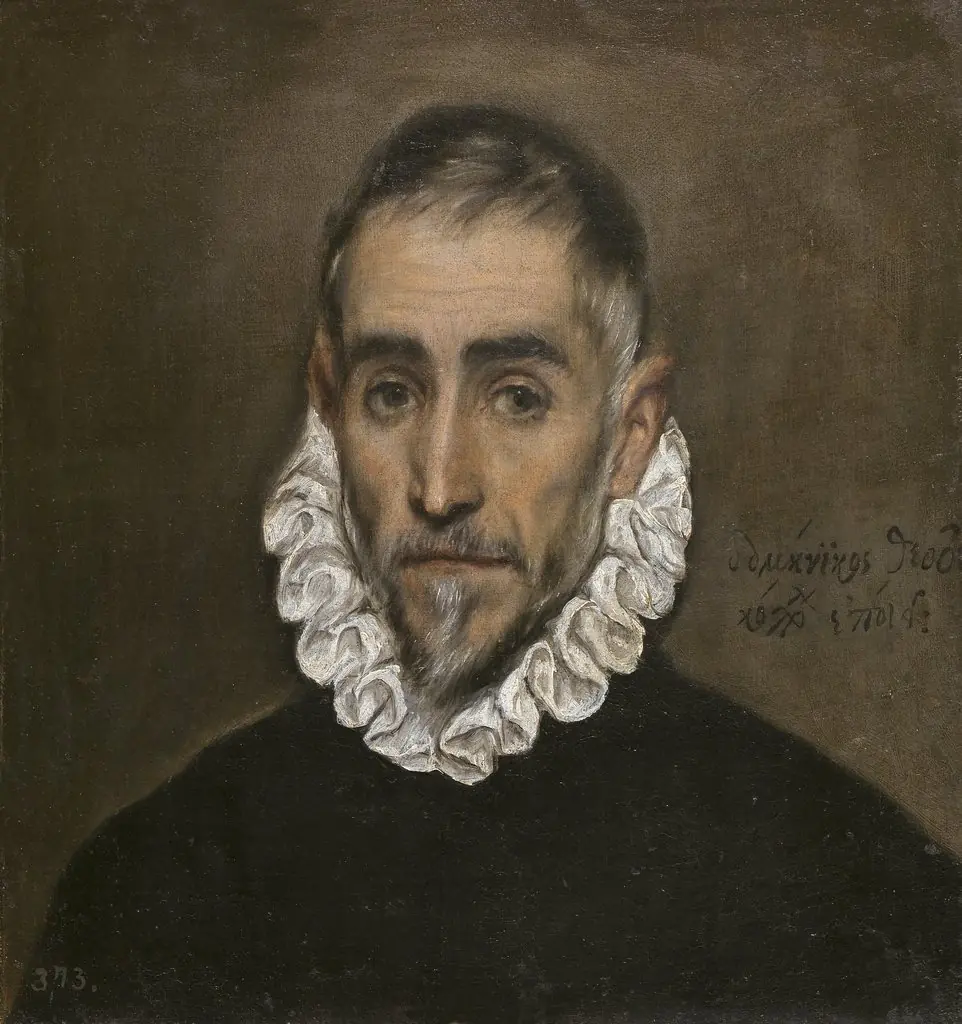
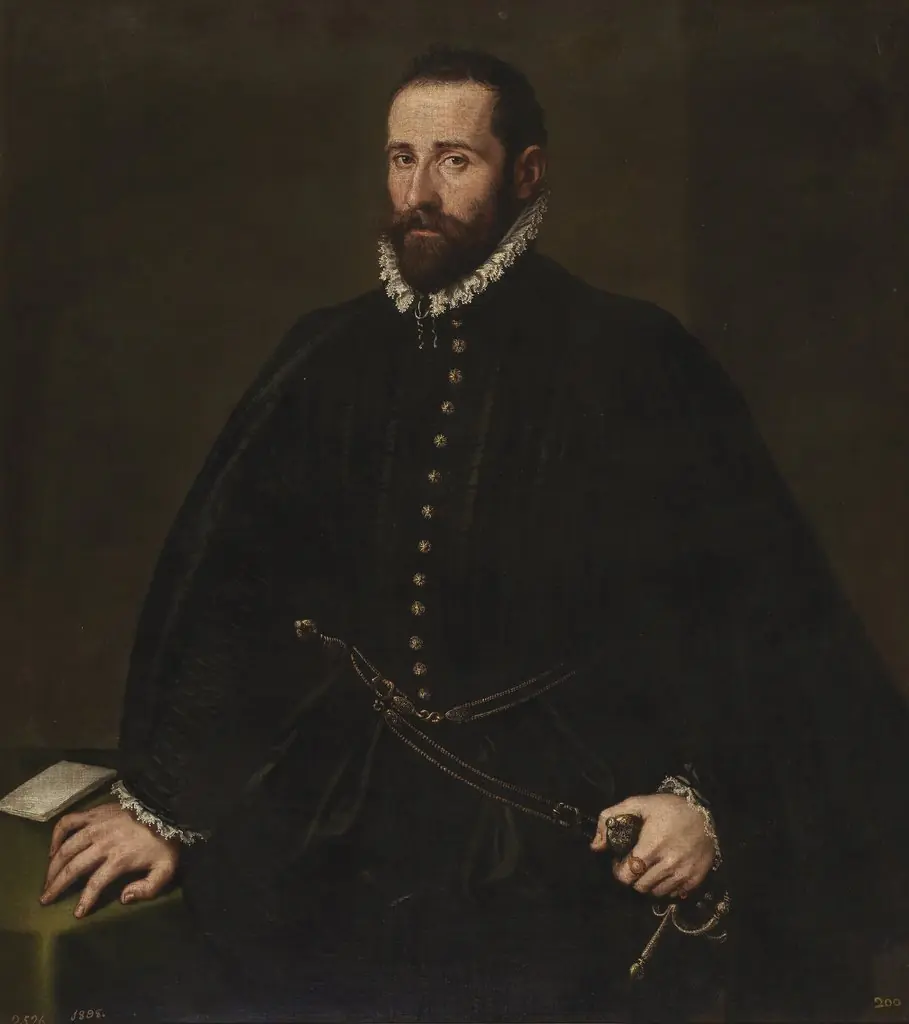
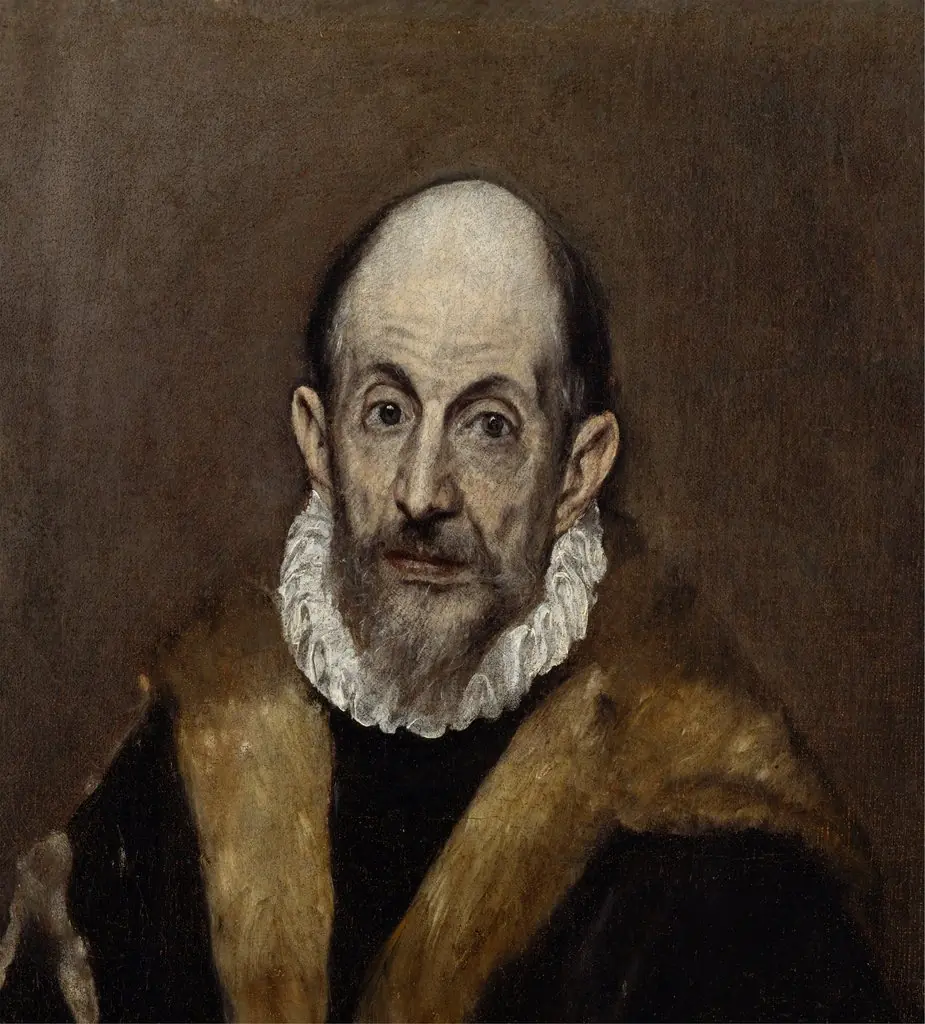
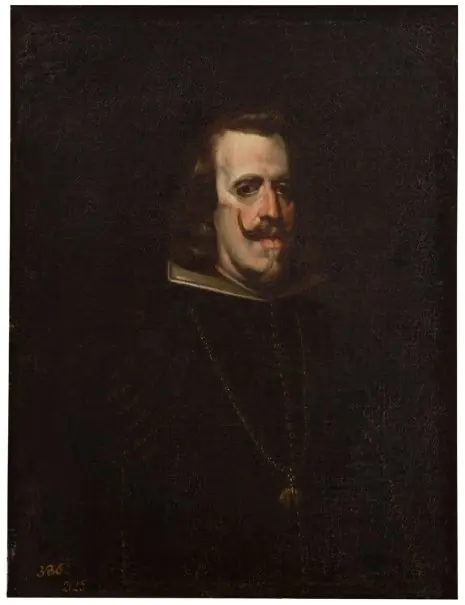
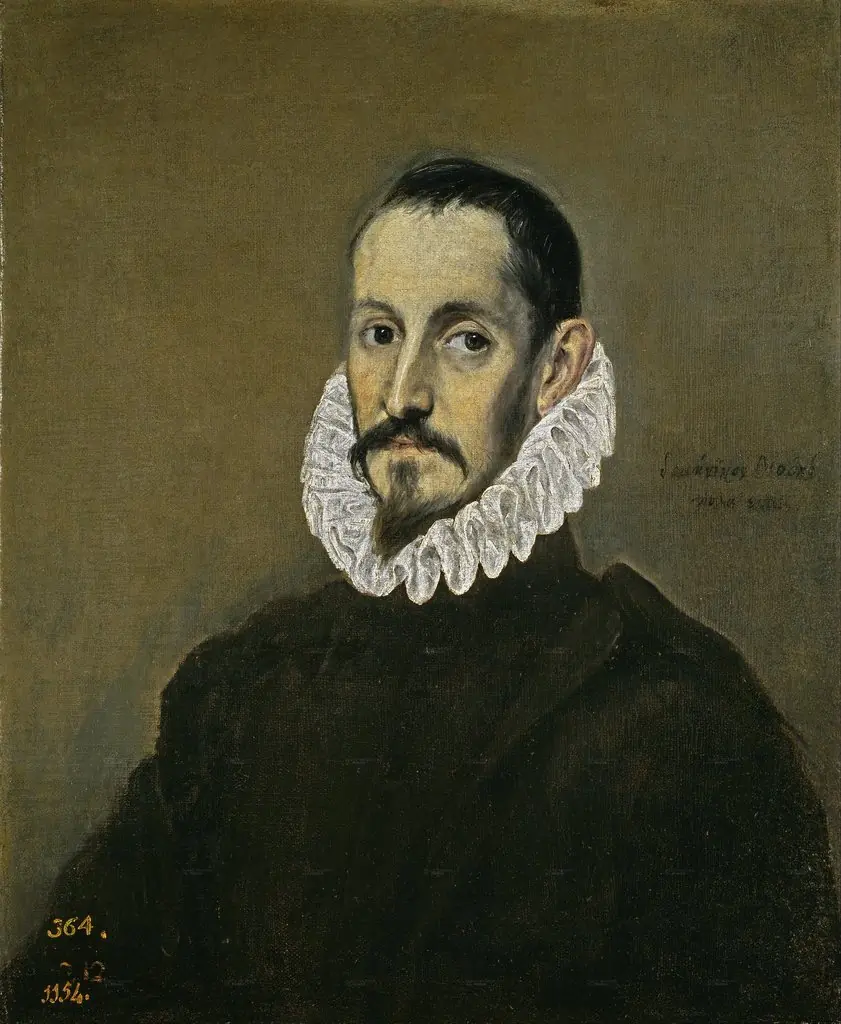
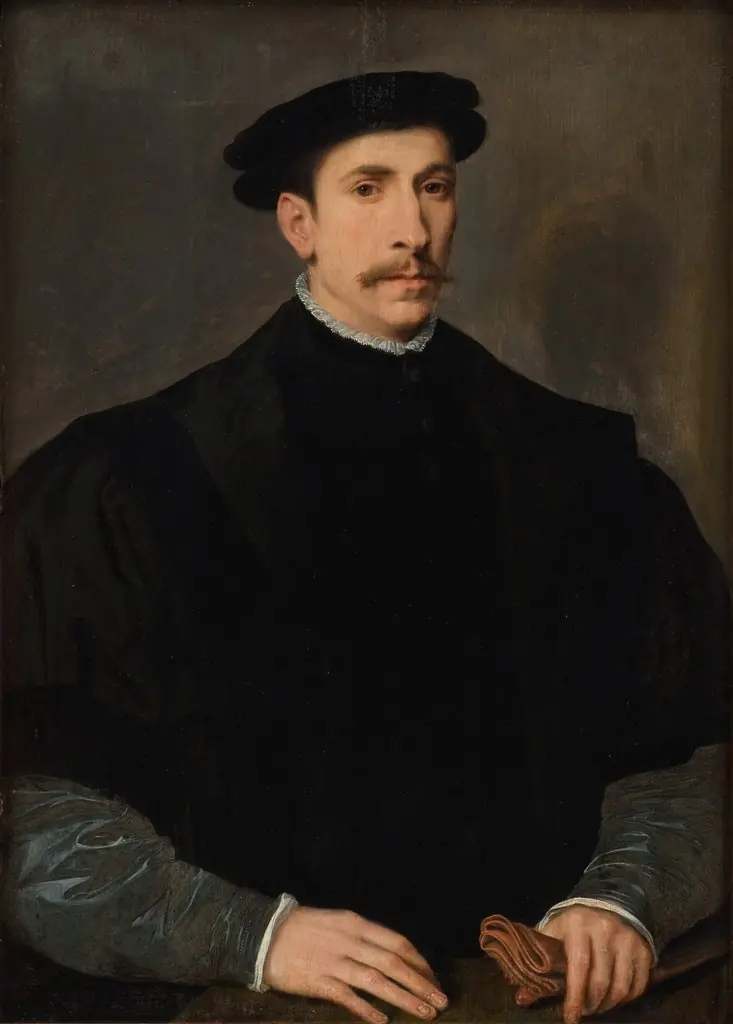
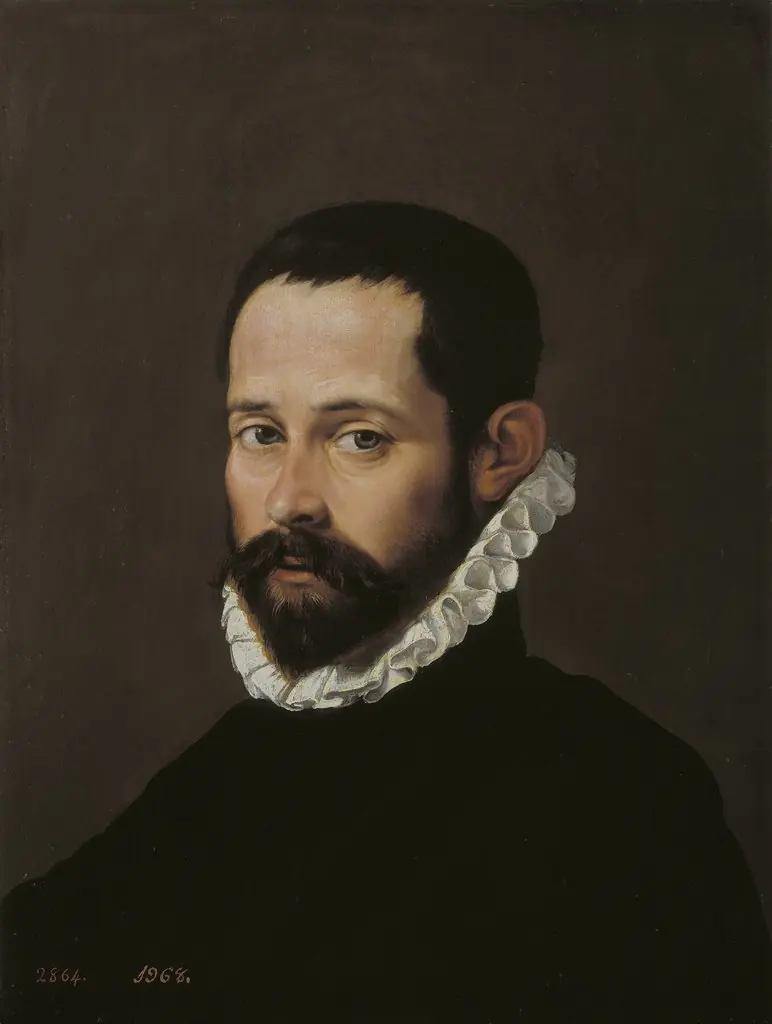
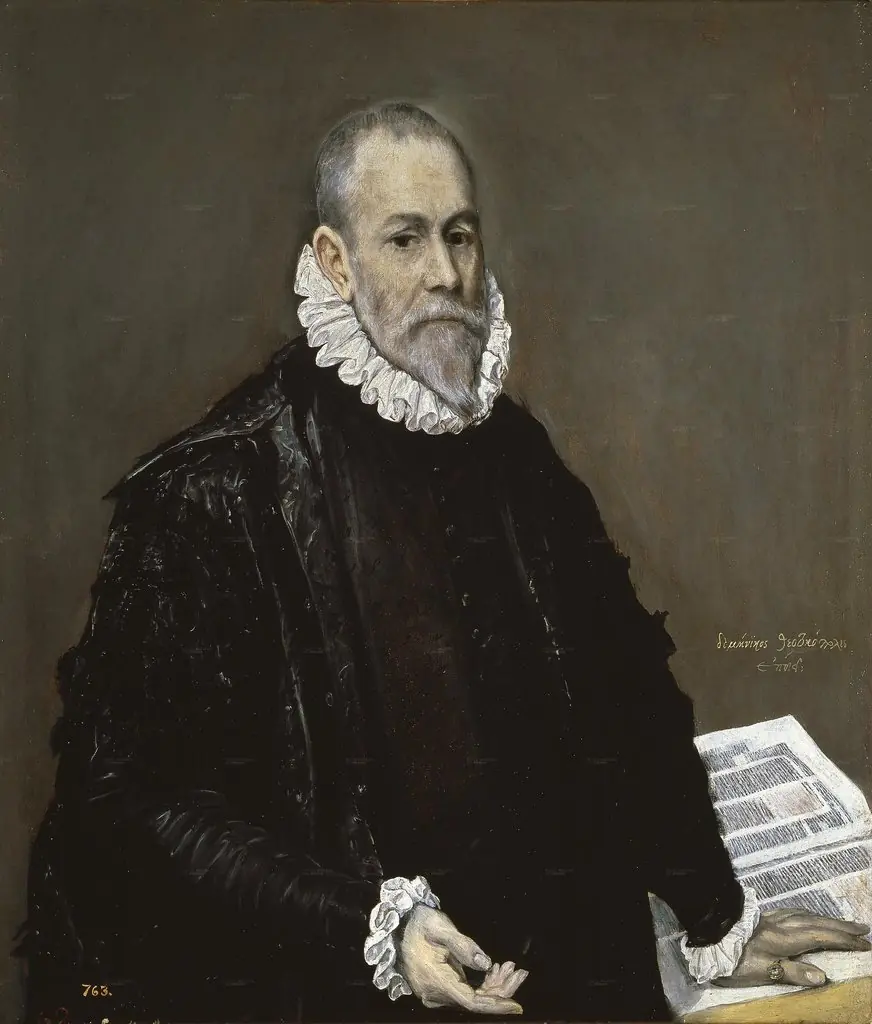
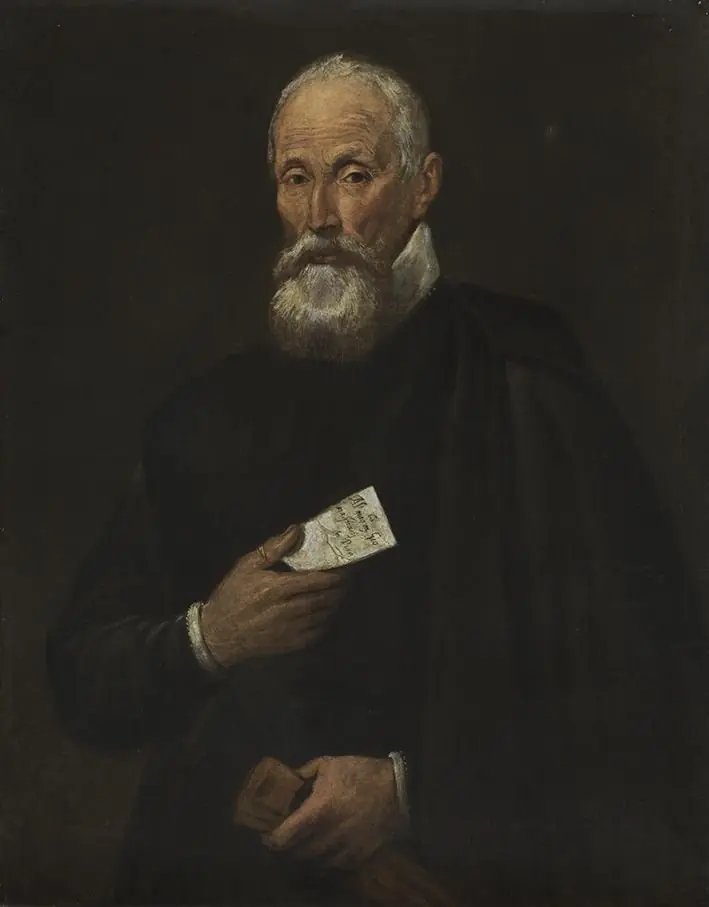
It presents a solemn male figure against a dark, nondescript background, emphasizing psychological presence over narrative context.
Painted in 1619, this portrait is attributed to Luis Tristán, a Spanish artist influenced by El Greco’s Mannerist traditions. Executed during his time in Toledo, the work belongs to the National Museum of Ancient Art’s collection. It presents a solemn male figure against a dark, nondescript background, emphasizing psychological presence over narrative context. The date and style align with Tristán’s mature period, when his brushwork grew more tactile and his tonality more subdued.
Subject & Meaning
The sitter is likely António Gomes da Mata, a Portuguese nobleman connected to Spanish court circles, though his identity remains unconfirmed. His dignified bearing, formal attire, and introspective gaze suggest a man of status and reflection. The absence of symbols or setting shifts focus to his demeanor—calm yet weary—inviting contemplation of inner life rather than external achievement. The portrait functions as a quiet testament to individual character in an era of rigid social hierarchy.
Technique & Style
Tristán employs chiaroscuro to model the face and ruff with subtle gradations of light, enhancing volume without theatricality. The white beard and collar are rendered with thick, textured strokes of impasto, contrasting with the smooth, dark robe. The palette is restrained—dominated by blacks, grays, and off-whites—echoing Mannerist austerity. Brushwork is deliberate but not overly refined, revealing the artist’s tactile engagement with the surface and a preference for emotional resonance over idealized beauty.
History & Provenance
The painting entered the National Museum of Ancient Art’s holdings in the 19th century, though its earlier ownership is undocumented. Its attribution to Tristán was solidified through stylistic comparison with his other known works, particularly those from his Toledo years. The tentative identification of the sitter as Gomes da Mata derives from archival references linking the name to Portuguese elites active in Spain around 1619, though no definitive documentation confirms the portrait’s original commission.
Context
In early 17th-century Spain and Portugal, portraiture served both personal and political functions, often commissioned by clergy, nobility, or court officials. Tristán’s work reflects the transition from Mannerist elongation to Baroque naturalism, bridging El Greco’s spiritual intensity and the emerging realism of Velázquez. This portrait, devoid of heraldic elements, signals a shift toward intimate, psychologically grounded representation, characteristic of regional trends in Iberian painting during the Habsburg era.
Legacy
Though not widely known outside specialist circles, this portrait exemplifies Tristán’s contribution to Spanish portraiture’s evolution. His use of texture and subdued color influenced later artists seeking emotional depth over ornamentation. The work remains a quiet anchor in the museum’s collection, illustrating how regional painters adapted broader European styles to convey individual presence with restraint and dignity, preserving a moment of introspection in a turbulent age.
Artist & collection
Artist
Luis Tristán de Escamilla, also known as Luis de Escamilla or Luis Rodríguez Tristán (c.1585, Toledo - 1624, Toledo), was a Spanish painter in the mannerist style.