Artwork
The Calling of Saint Matthew
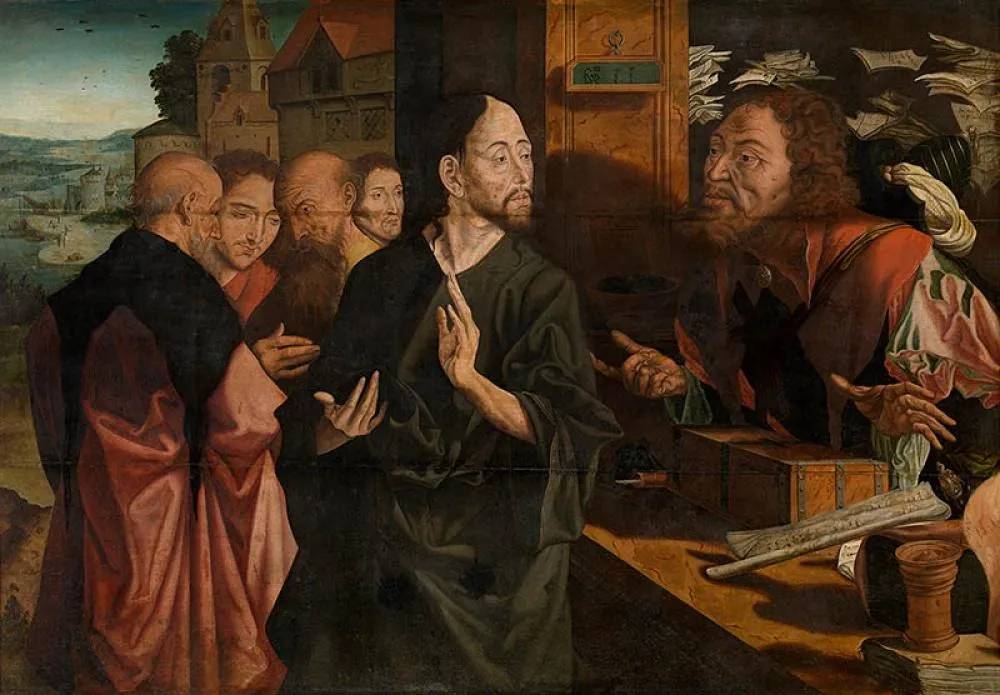
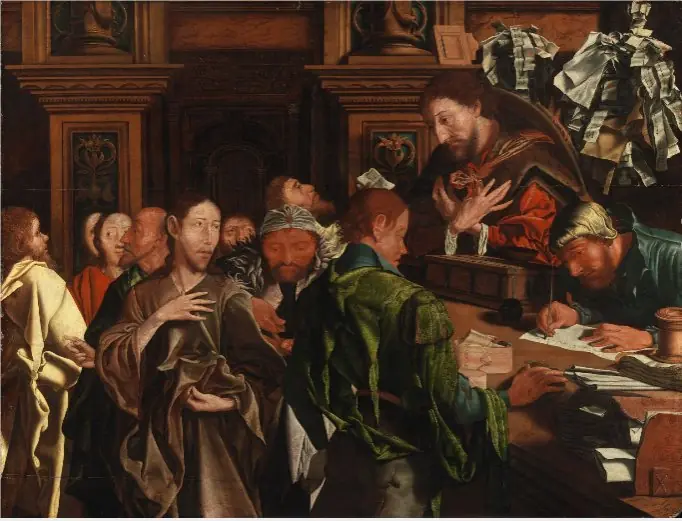
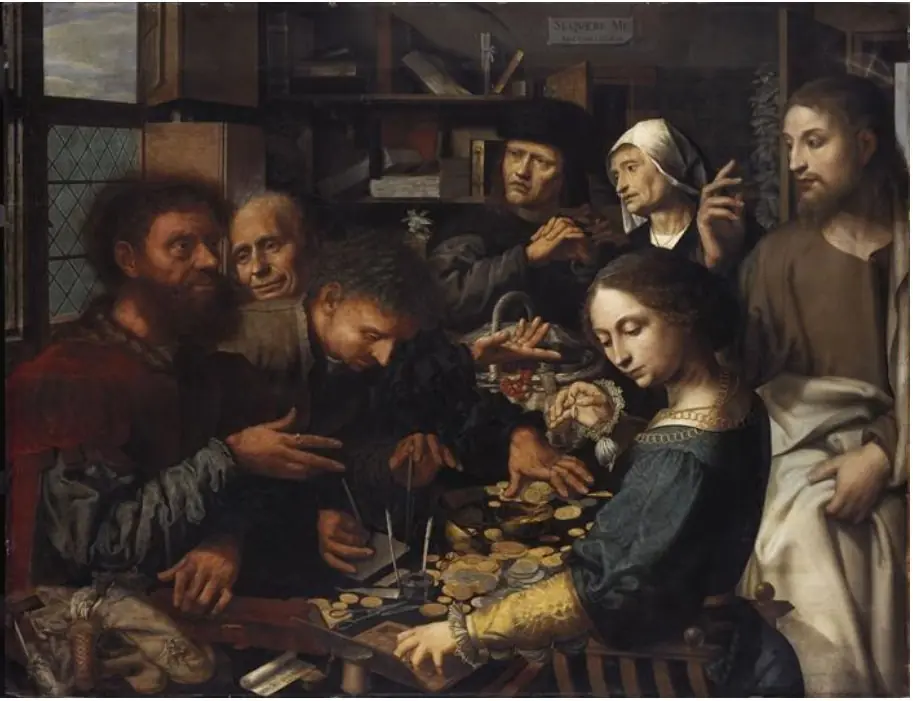
The Calling of Saint Matthew is an oil painting by the Early Baroque Italian artist Marinus van Reymerswaele. It dates from 1530 and is held in the collection of the Royal Museum of Fine Arts Antwerp.
About this work
Overview
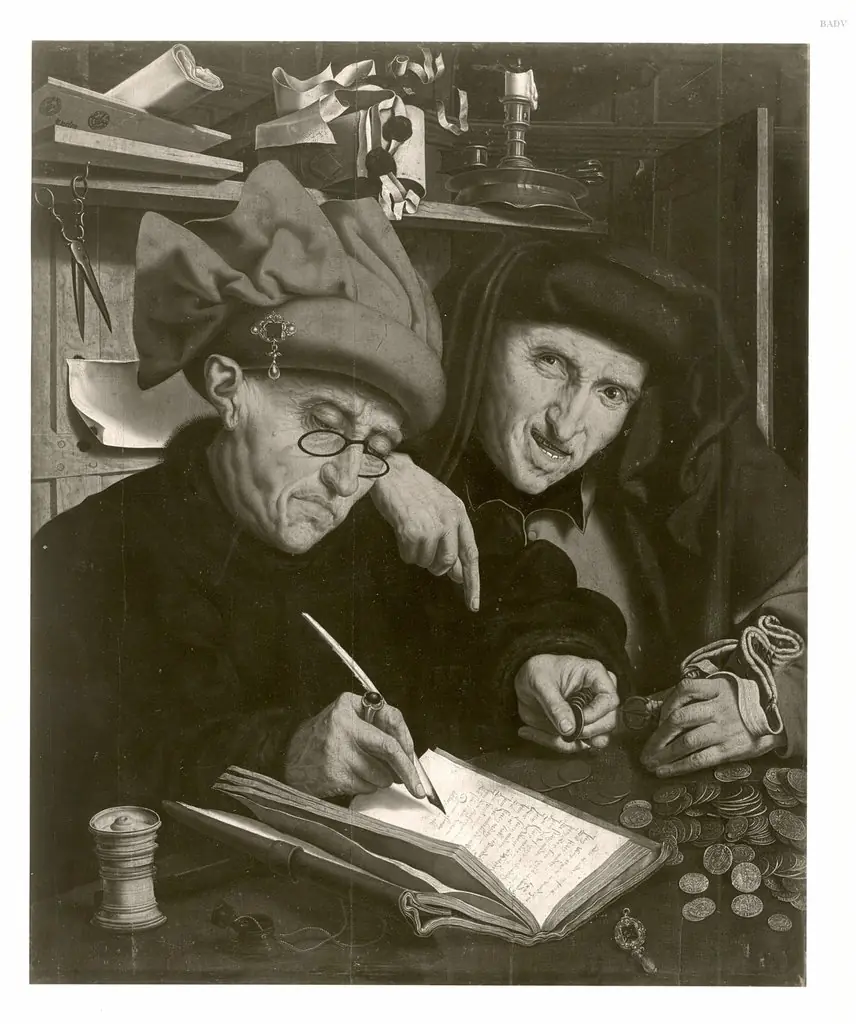
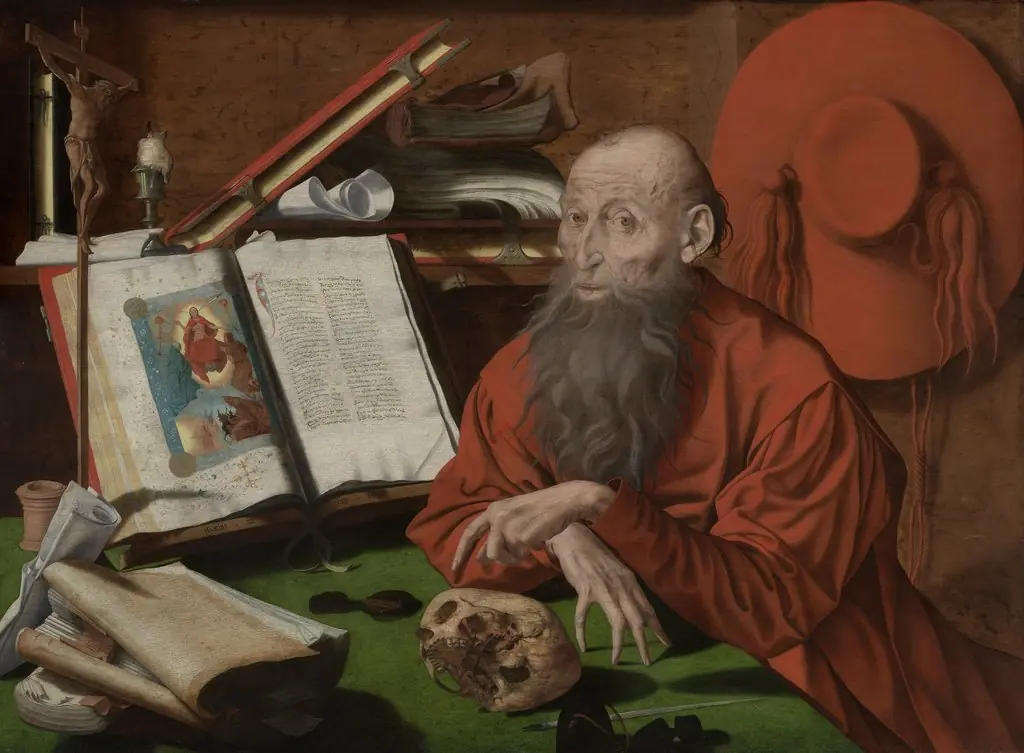
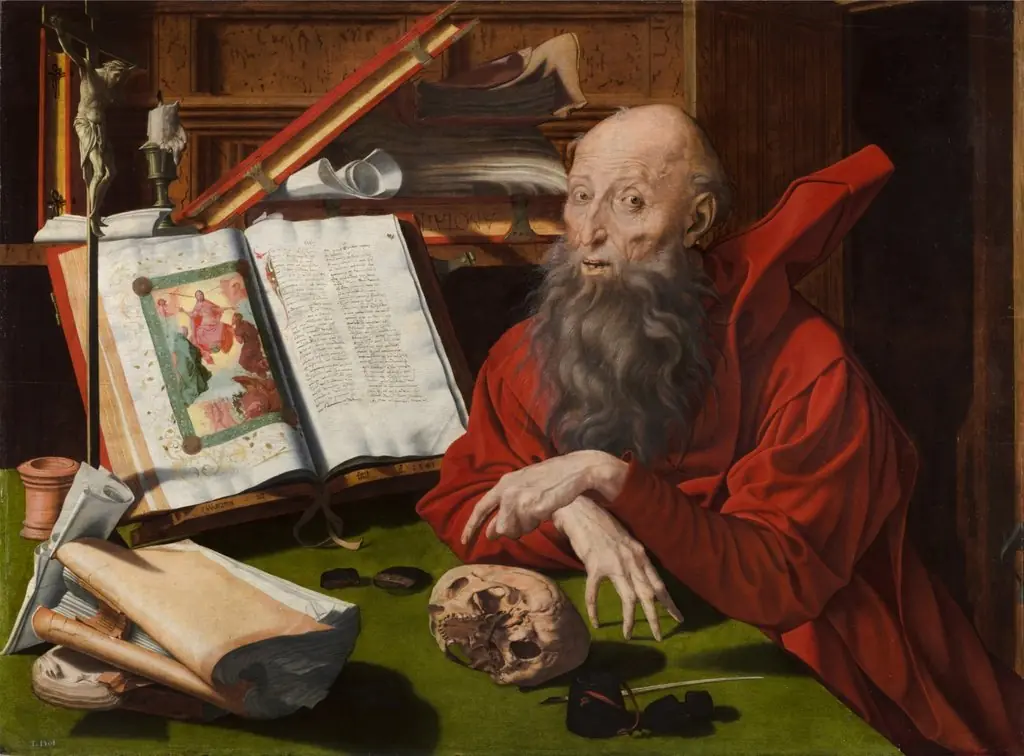
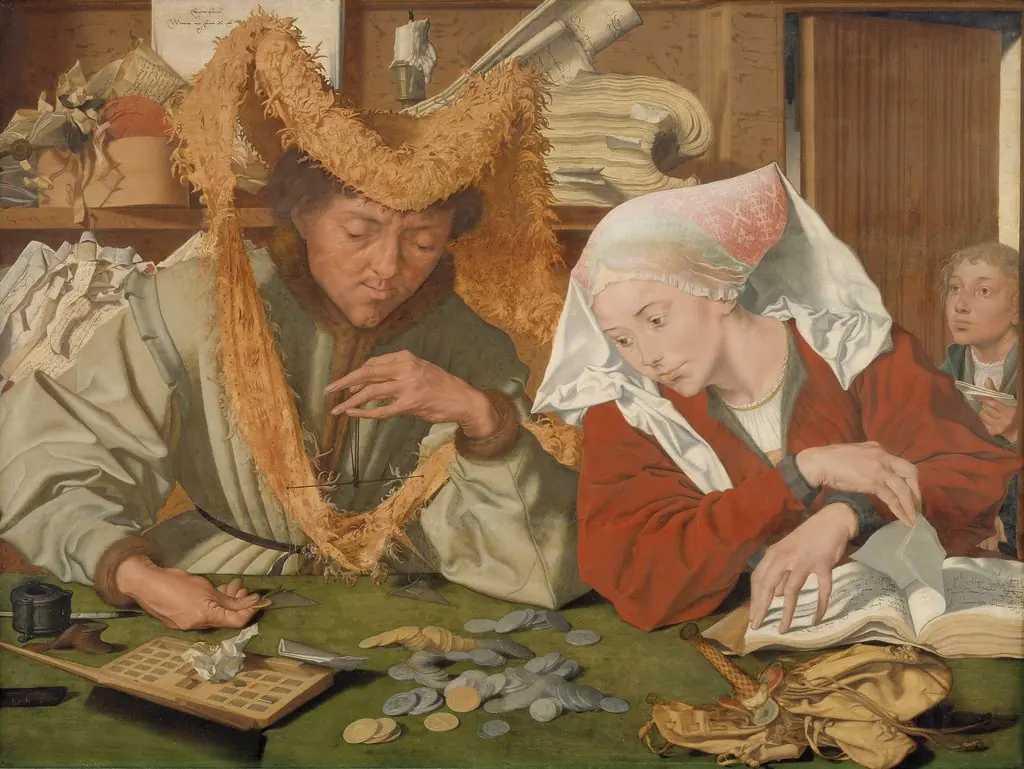
The Calling of Saint Matthew is an oil painting created by Marinus van Reymerswaele around 1530. Characterized by its blend of Northern European and early Baroque Italian influences, the work depicts a biblical scene in a contemporary setting.
Subject & Meaning
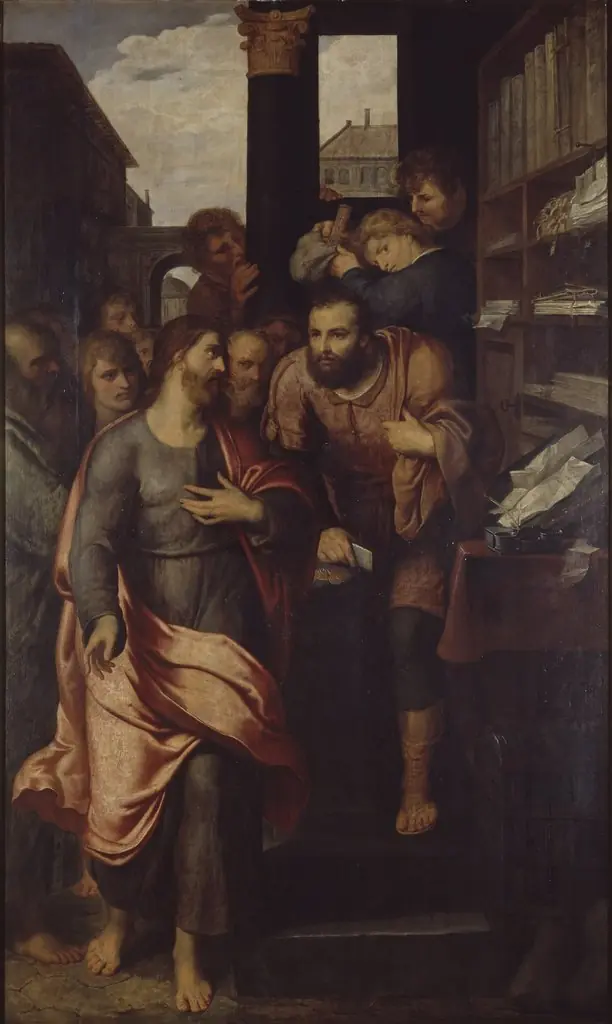
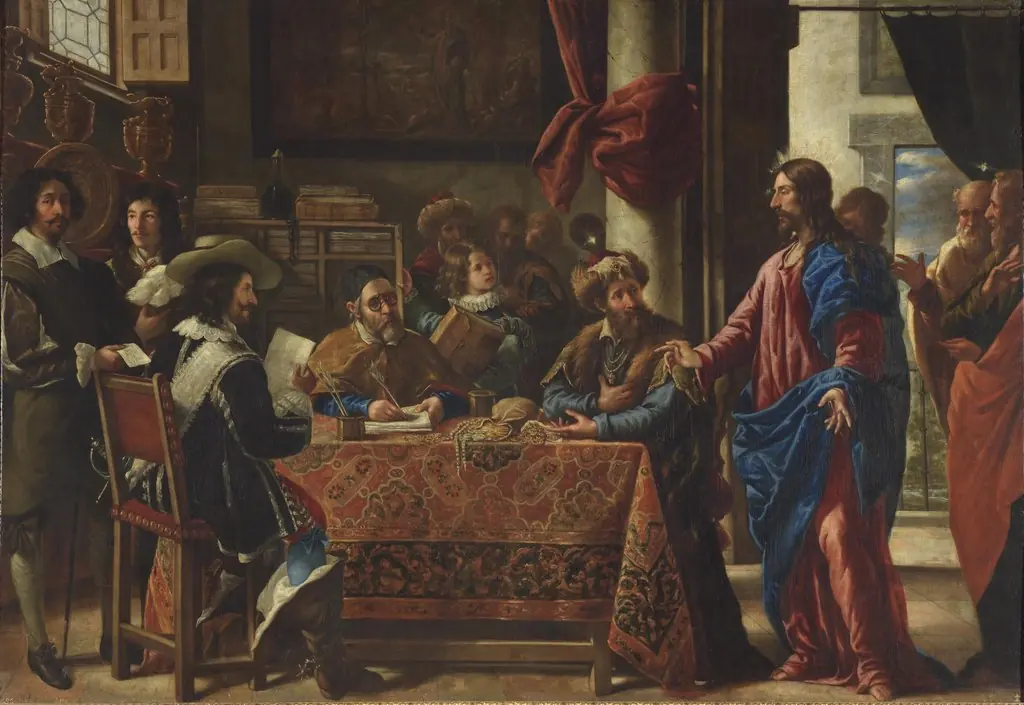
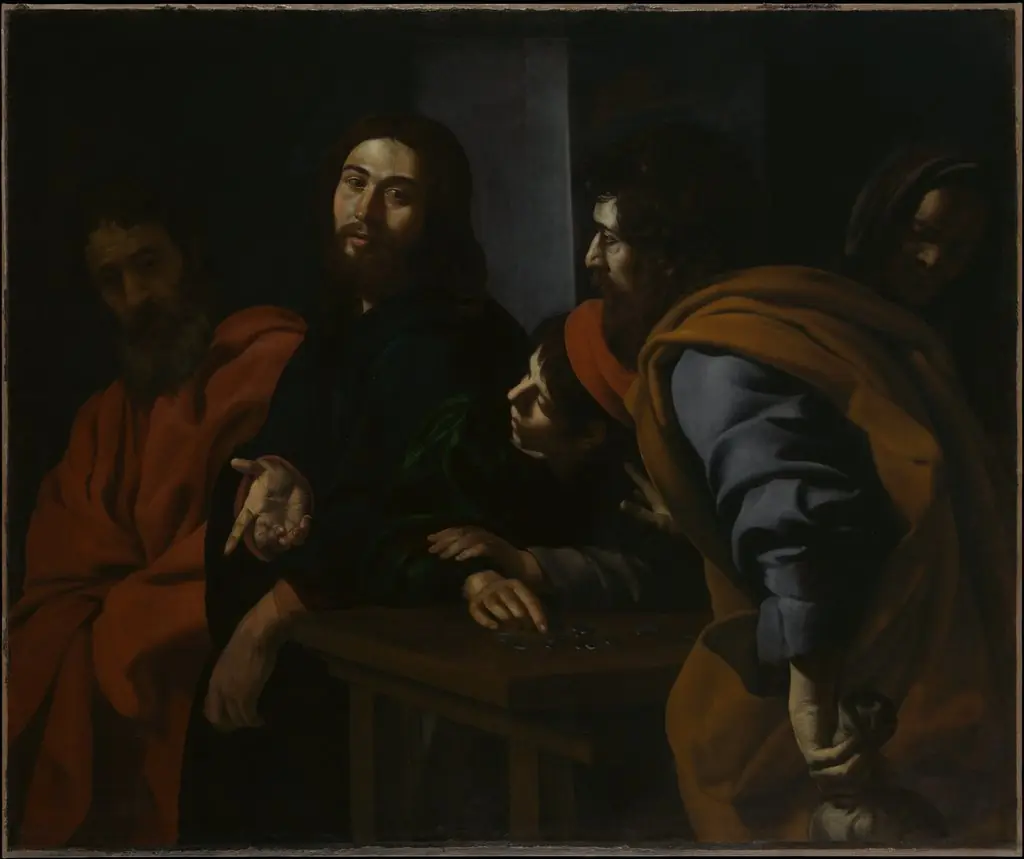
The painting illustrates the moment of Saint Matthew's calling, as described in the New Testament. A central figure, likely Matthew, reacts with raised hands amidst a group of men, one of whom holds a book, suggesting a scene of spiritual or scholarly significance.
Technique & Style
Van Reymerswaele employed chiaroscuro to achieve depth and volume, contrasting strong light and dark tones. The dimly lit interior, with a window in the background, enhances the contemplative atmosphere, reflecting the artist's Northern European style infused with Italian Renaissance techniques.
History & Provenance
Created in the early 16th century, the painting is part of Van Reymerswaele's prolific output from his workshop in Antwerp and the Northern Netherlands. It is currently housed in the Royal Museum of Fine Arts Antwerp.
Context
This work exemplifies the artistic transition of the time, combining the detailed realism of Northern Europe with the expressive lighting of early Baroque Italy, set against the religious themes prevalent in 16th-century art.
Legacy
While specific lasting impacts on the art world are not widely documented, *The Calling of Saint Matthew* remains a notable example of the fusion of Northern and Italian Renaissance styles during the early 16th century.
Artist & collection
Artist
Marinus van Reymerswaele or Marinus van Reymerswale (c. 1490 – c. 1546) was a Dutch Renaissance painter mainly known for his genre scenes and religious compositions. After studying in Leuven and training and working as…