Artwork
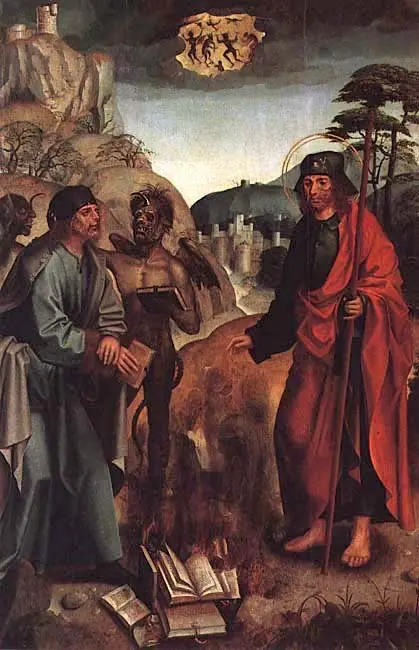
Christ Sends St. John and St. James in Apostolic Mission
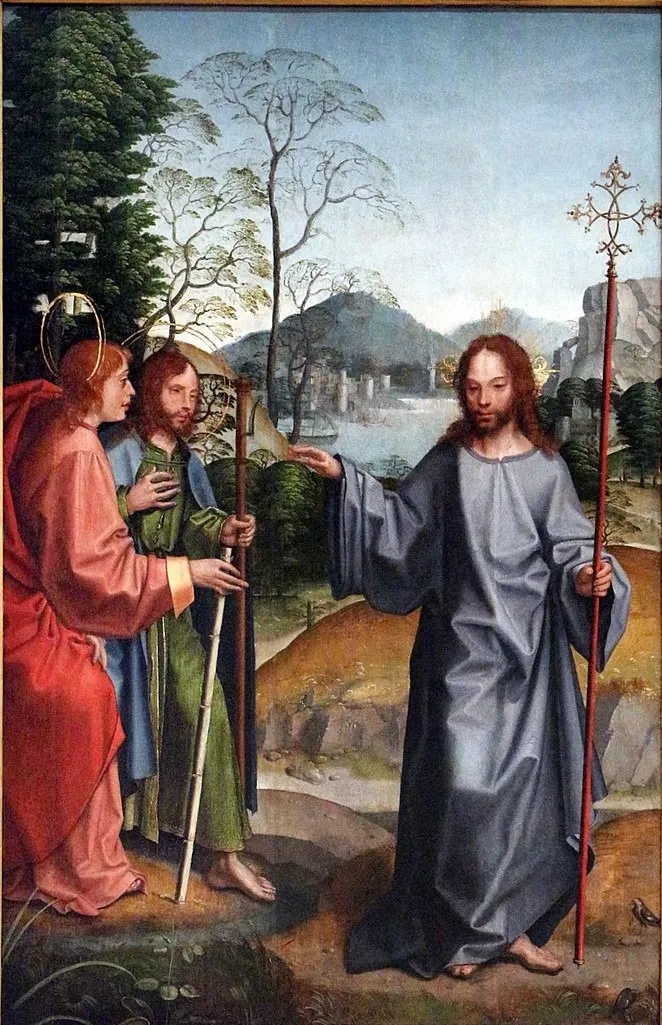
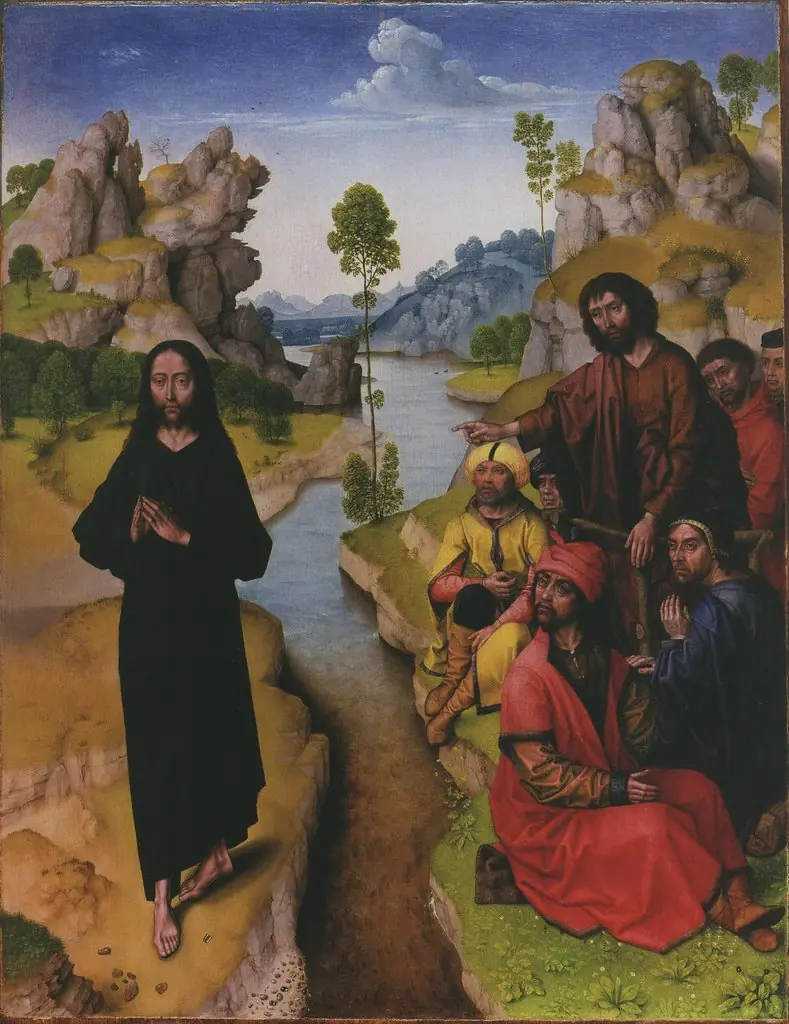
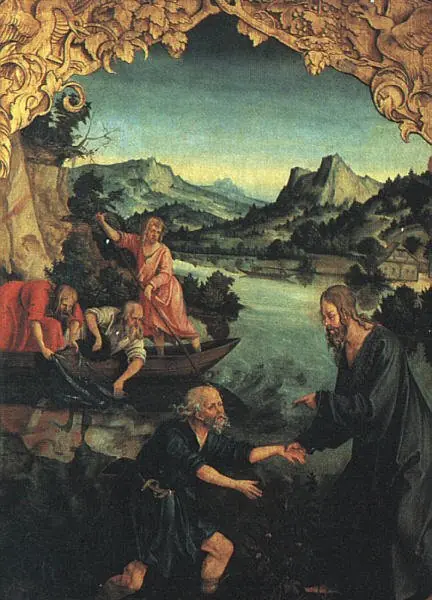
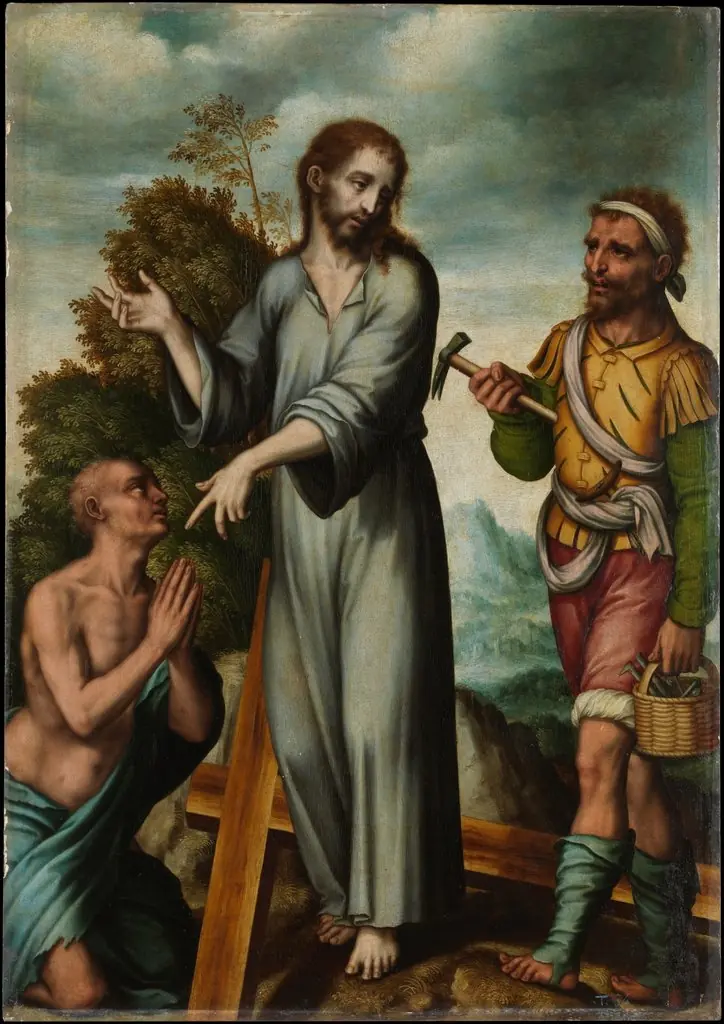
Christ Sends St. John and St. James in Apostolic Mission is an unspecified painting by the Northern Renaissance artist Master of Lourinhã. It dates from 1520 and is held in the collection of the National Museum of Ancient Art.
About this work
Overview
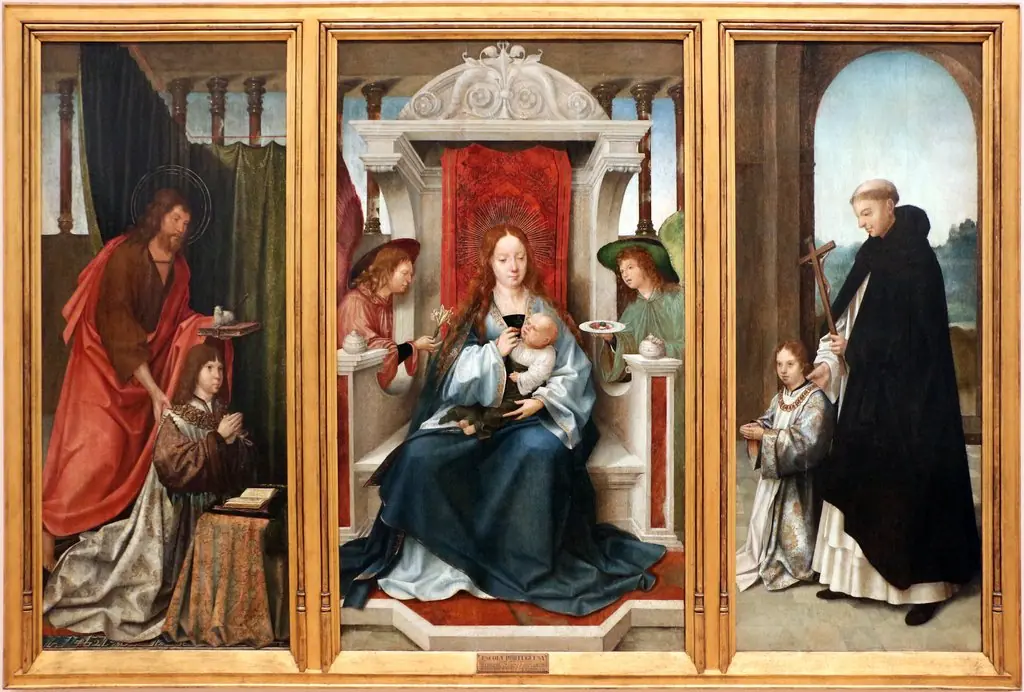
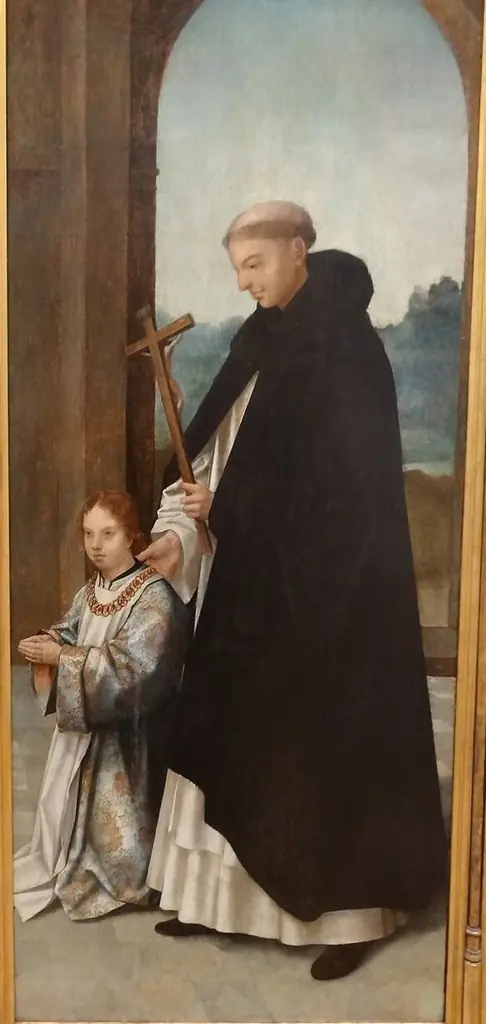
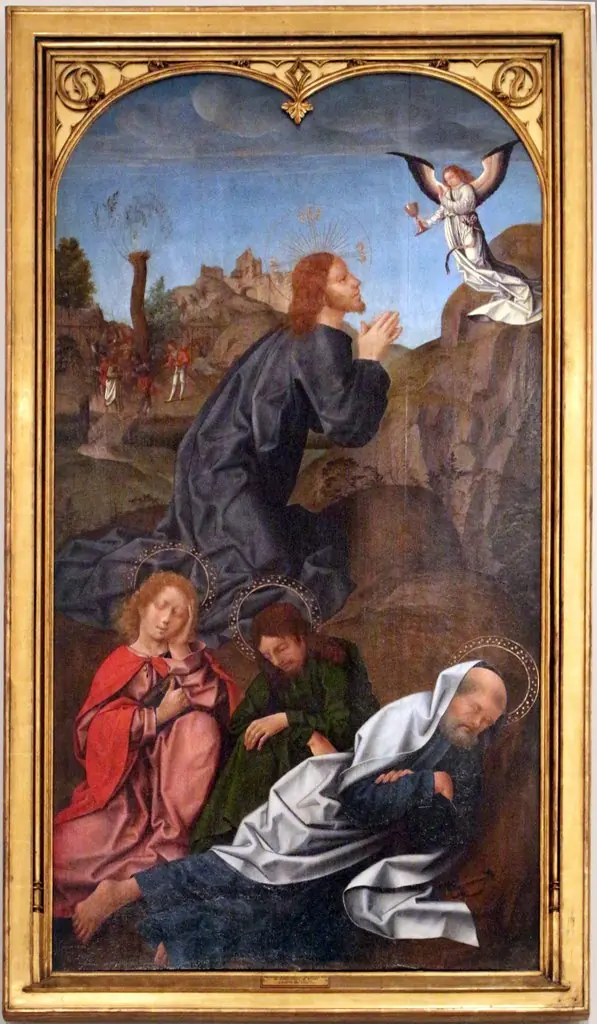
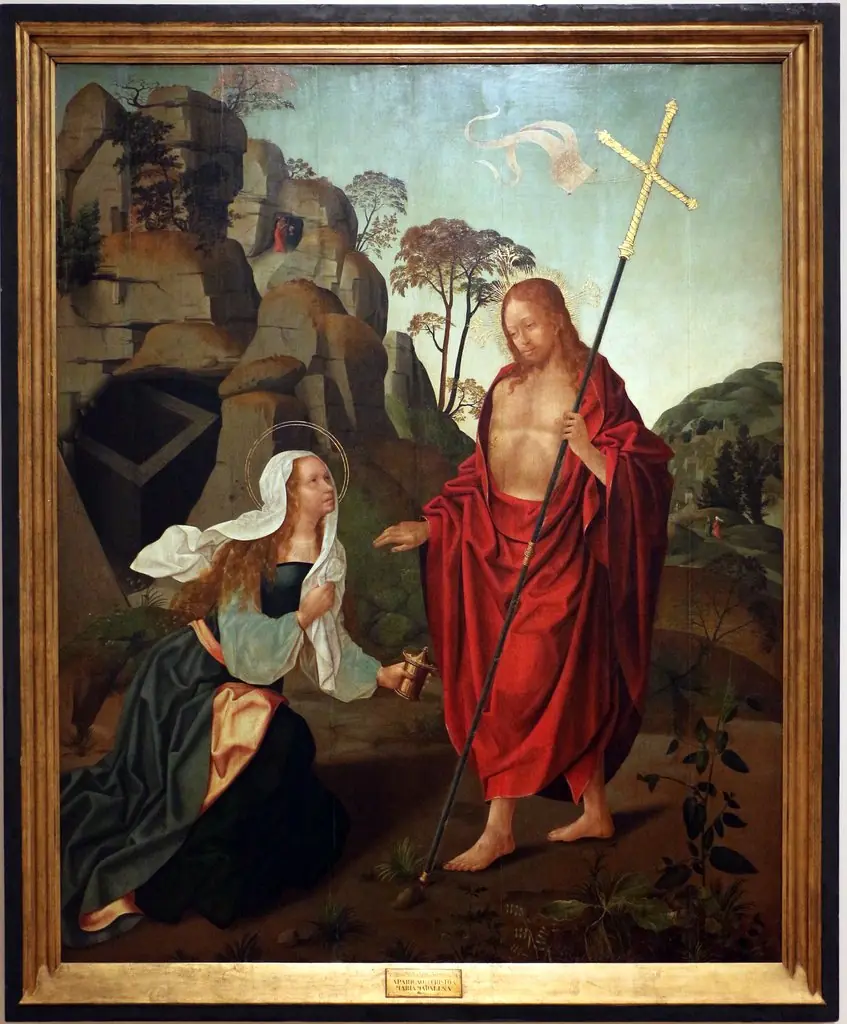
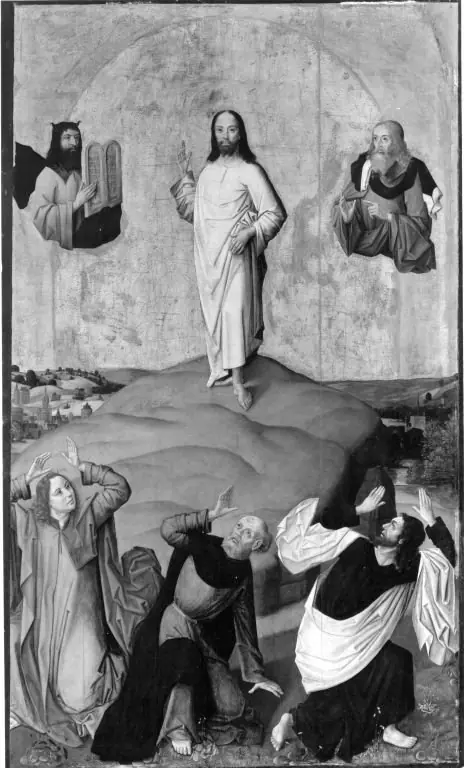
Painted in 1520 by the Master of Lourinhã, this work belongs to a small group of religious panels produced in Portugal during the early 16th century.
Painted in 1520 by the Master of Lourinhã, this work belongs to a small group of religious panels produced in Portugal during the early 16th century. The artist, possibly of North Netherlandish origin, operated within a Northern Renaissance idiom adapted to local devotional needs. The painting is now held in the National Museum of Ancient Art in Lisbon, where it remains one of the few securely attributed works from this obscure but skilled painter.
Subject & Meaning
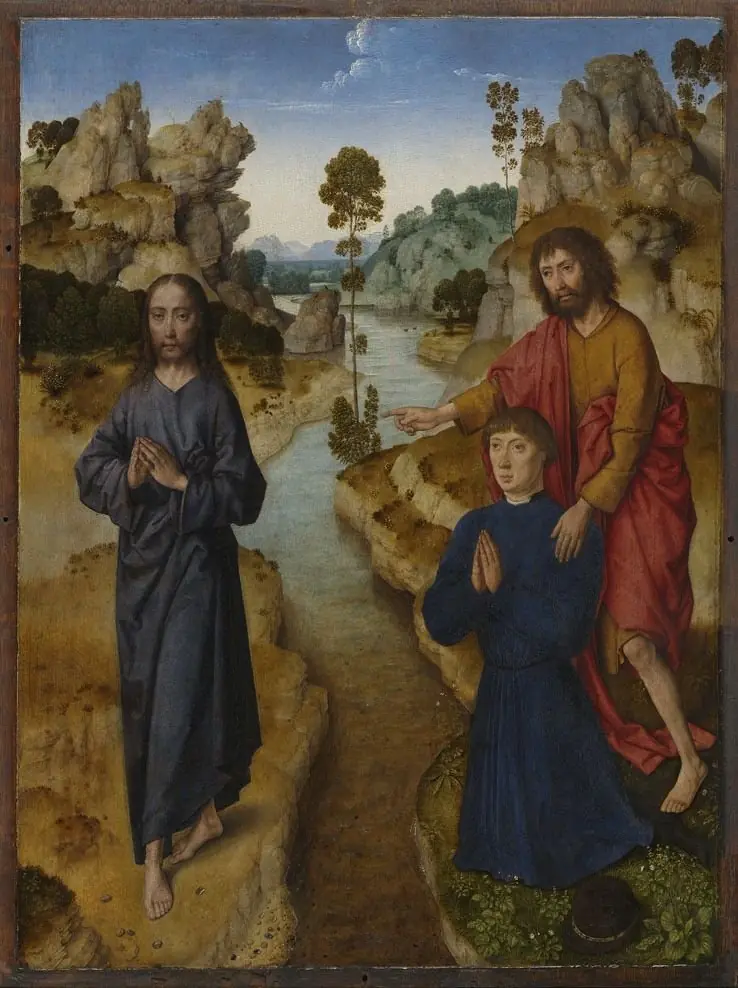
The scene illustrates Christ commissioning two apostles—traditionally identified as John and James—for missionary work. Christ stands centrally, his outstretched hand suggesting both blessing and directive authority. The quiet proximity of his left hand near one apostle’s shoulder implies intimate transmission of purpose. The moment captures the beginning of apostolic duty, emphasizing divine sanction over dramatic action, aligning with contemplative devotional practices of the period.
Technique & Style
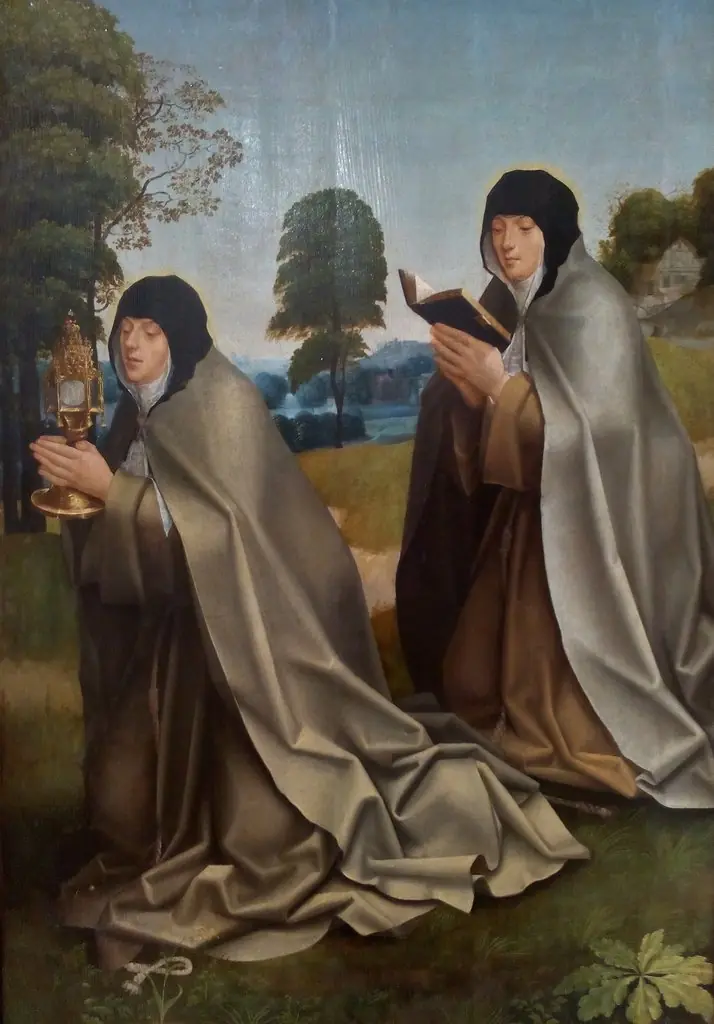
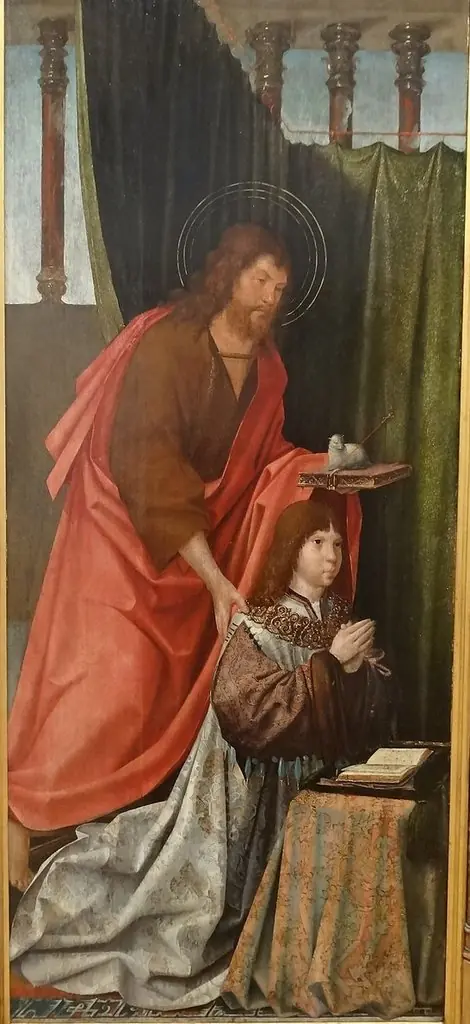
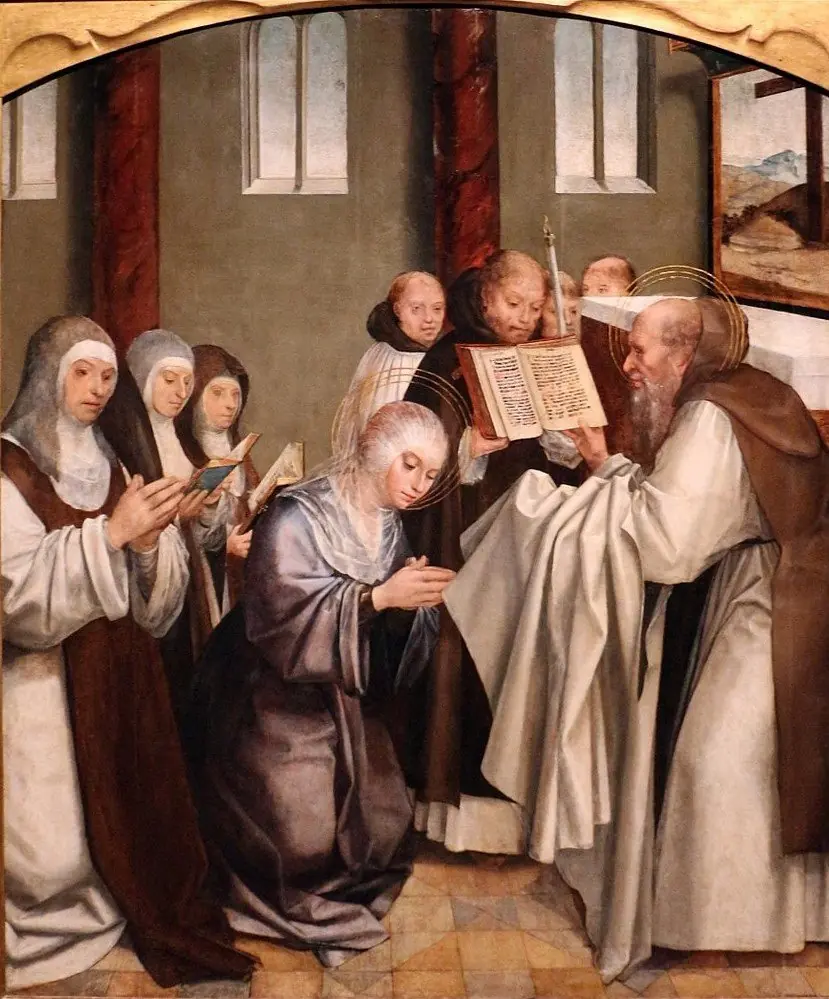
The painting employs tempera on wood, with fine brushwork defining folds of fabric and subtle gradations in landscape elements. Figures are rendered with restrained naturalism, their forms grounded in Northern European traditions yet softened by Portuguese sensibilities. The palette is muted—gray, ochre, and deep red—enhancing the solemnity of the moment. Spatial depth is suggested through receding hills and water, though the composition remains deliberately flat and symbolic rather than illusionistic.
History & Provenance
The painting entered the collection of the National Museum of Ancient Art in the 19th century, likely from a Portuguese ecclesiastical source. Its attribution to the Master of Lourinhã was established through stylistic comparison with other unsigned works from the same period, including altarpiece fragments found in churches near Lourinhã. No documentary records of its original commission survive, but its quality suggests it was made for a private chapel or monastic setting.
Context
Created during Portugal’s Age of Discovery, the painting reflects a spiritual focus on apostolic mission that paralleled the nation’s global expansion. While maritime exploration expanded Portugal’s reach, religious imagery reinforced the divine legitimacy of its endeavors. This panel fits within a broader trend of devotional art that linked biblical authority with contemporary imperial identity, though it avoids overt political symbolism.
Legacy
The Master of Lourinhã’s oeuvre remains limited, but this work exemplifies the quiet synthesis of Northern Renaissance techniques with Portuguese religious aesthetics. It stands as a testament to the regional production of high-quality devotional art outside major centers like Lisbon or Coimbra. Though not widely known beyond specialist circles, it continues to inform studies of early 16th-century Iberian painting and the transmission of Netherlandish styles in southern Europe.
Artist & collection
Artist
The Master of Lourinhã (Portuguese: Mestre da Lourinhã) was a Portuguese painter of religious scenes active between 1510 and 1525.