Artwork
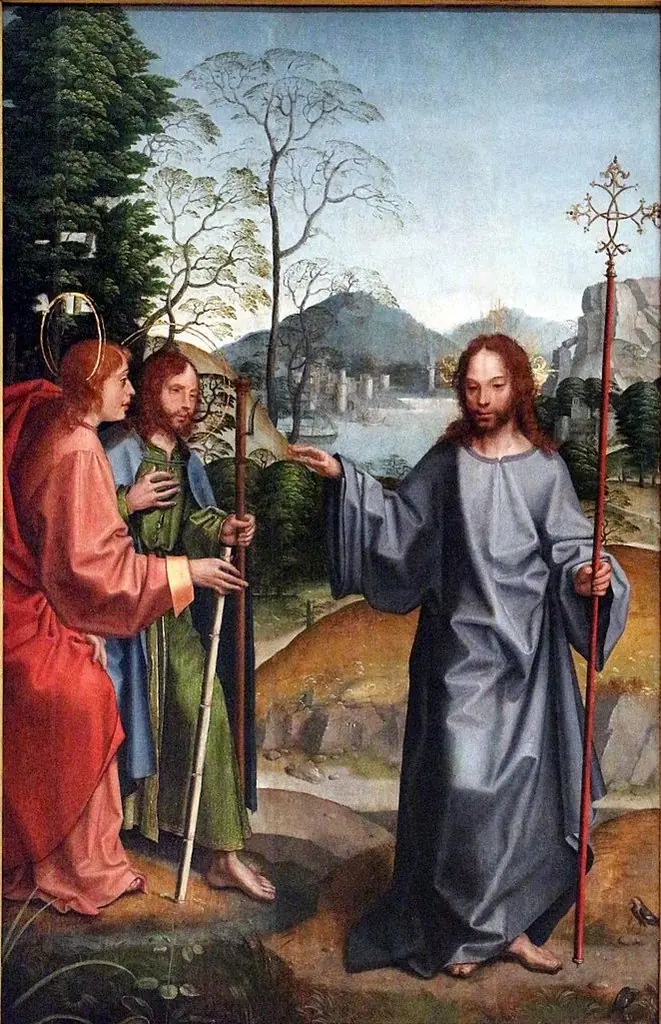
Santiago and Hermógenes
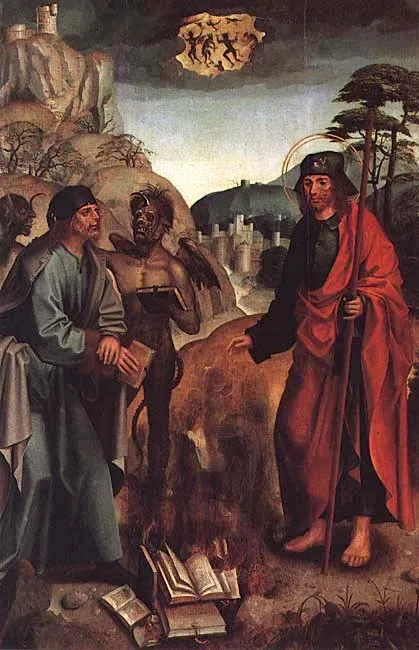
Santiago and Hermógenes is an unspecified painting by the Early Renaissance artist Master of Lourinhã. It dates from 1520 and is held in the collection of the National Museum of Ancient Art.
About this work
Overview
Santiago and Hermógenes is a religious painting from the early Renaissance, created circa 1520 by the Master of Lourinhã, a Portuguese painter possibly of North Netherlandish origin. It is housed at the National Museum of Ancient Art.
Subject & Meaning
The painting portrays two figures in conversation within a landscape: Santiago (in red with a halo) and Hermógenes (in blue with a black hat). Santiago gestures towards Hermógenes, suggesting a narrative or instructional scene, though the specific context or message is not explicitly stated in the provided information.
Technique & Style
The work employs chiaroscuro to achieve depth and volume, focusing the viewer’s attention on the central figures. The artist’s use of contrasting colors (red and blue robes) further emphasizes the subjects.
History & Provenance
Attributed to the Master of Lourinhã, active between 1510 and 1525, the painting’s exact commissioning context and ownership history before its acquisition by the National Museum of Ancient Art are not detailed in the provided information.
Context
As an early Renaissance piece, it reflects the period’s religious themes and artistic innovations, such as the use of chiaroscuro, which was influential in European art of the time.
Legacy
While specific influences or subsequent artistic impacts of *Santiago and Hermógenes* are not outlined in the provided details, it contributes to the understanding of the Master of Lourinhã’s oeuvre and early Renaissance religious art in Portugal.
Artist & collection
Artist
The Master of Lourinhã (Portuguese: Mestre da Lourinhã) was a Portuguese painter of religious scenes active between 1510 and 1525.

 Diogenes Throwing away his Drinking Cup
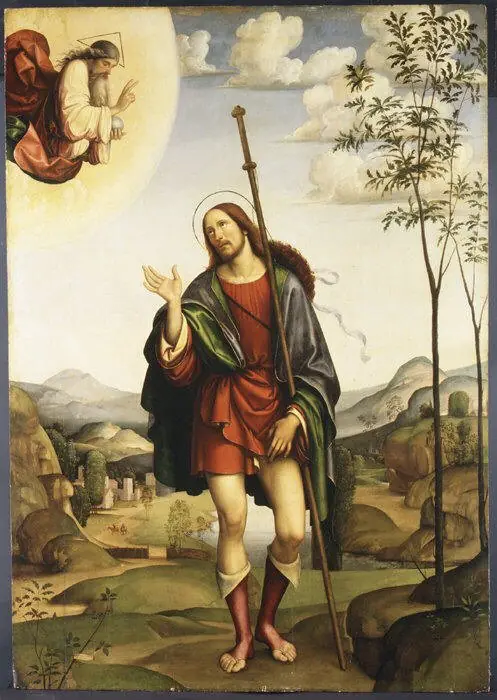 Saint Roch
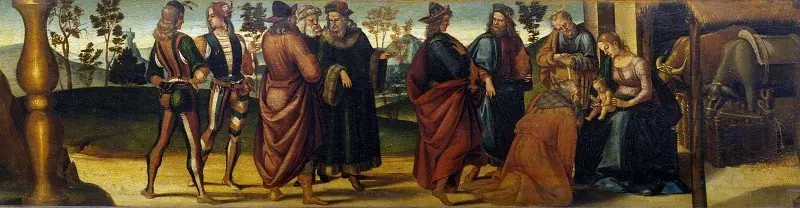 Adoration of the Magi
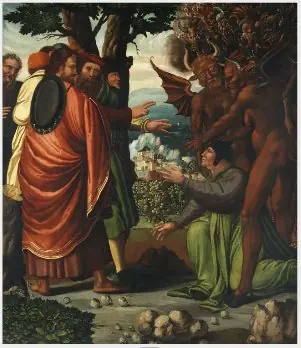 Landscape with an Angel Bearing the Crown of Martyrdom; Saint James the Greater and Hermogenes (on verso)
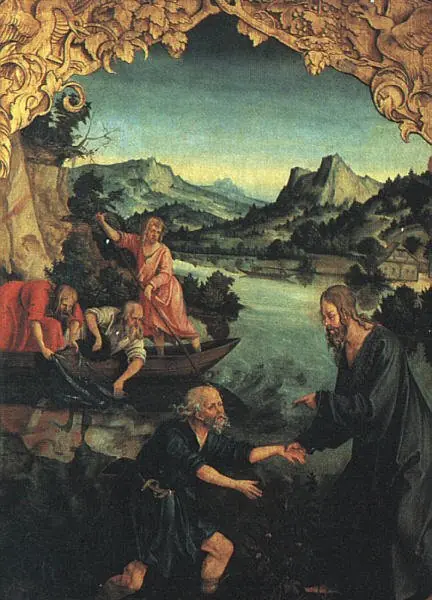 The Calling of St Peter
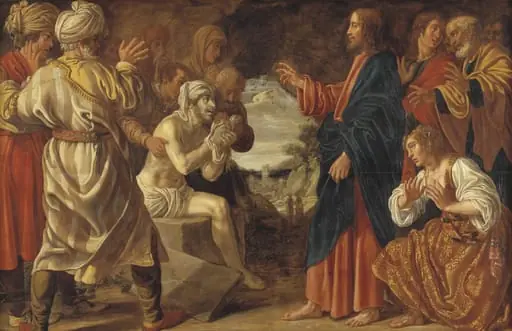 The Raising of Lazarus
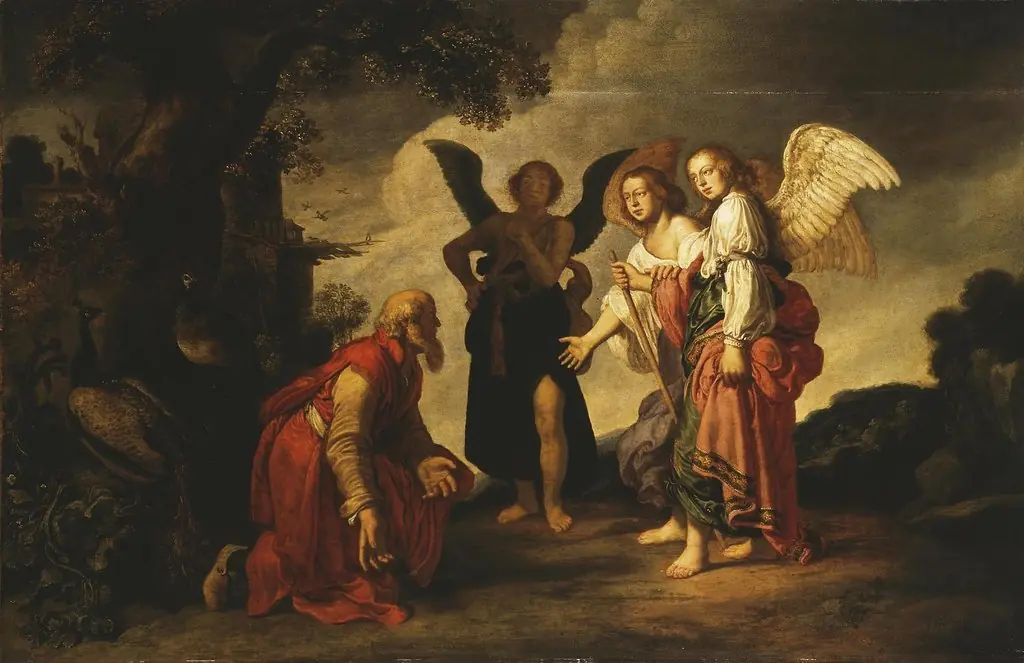 Abraham and the Three Angels
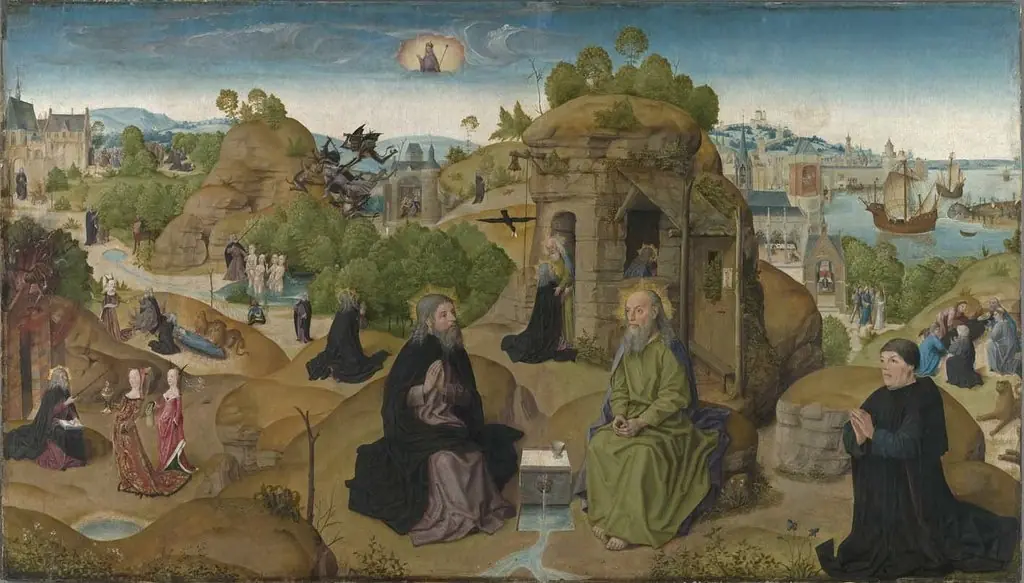 Legend of the Holy Ermite Anthony
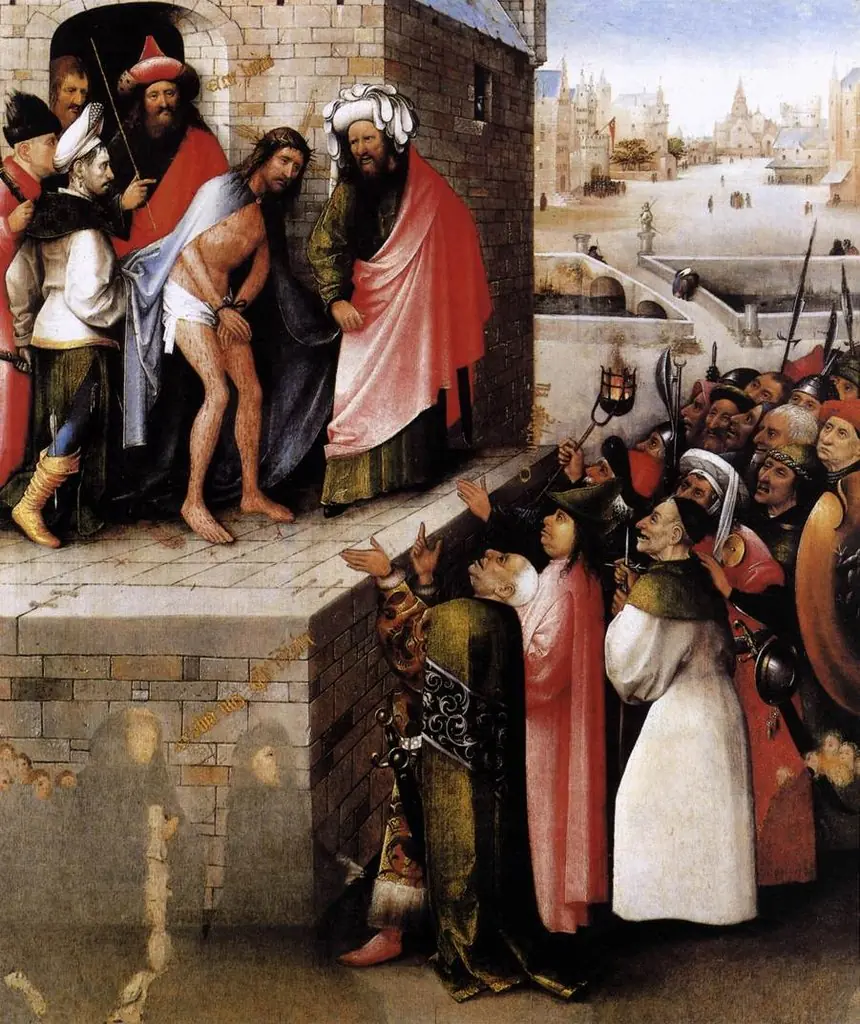 Ecce Homo
 Saint Jerome
 Marter des Apostels Matthias