Artwork
Saint Agatha
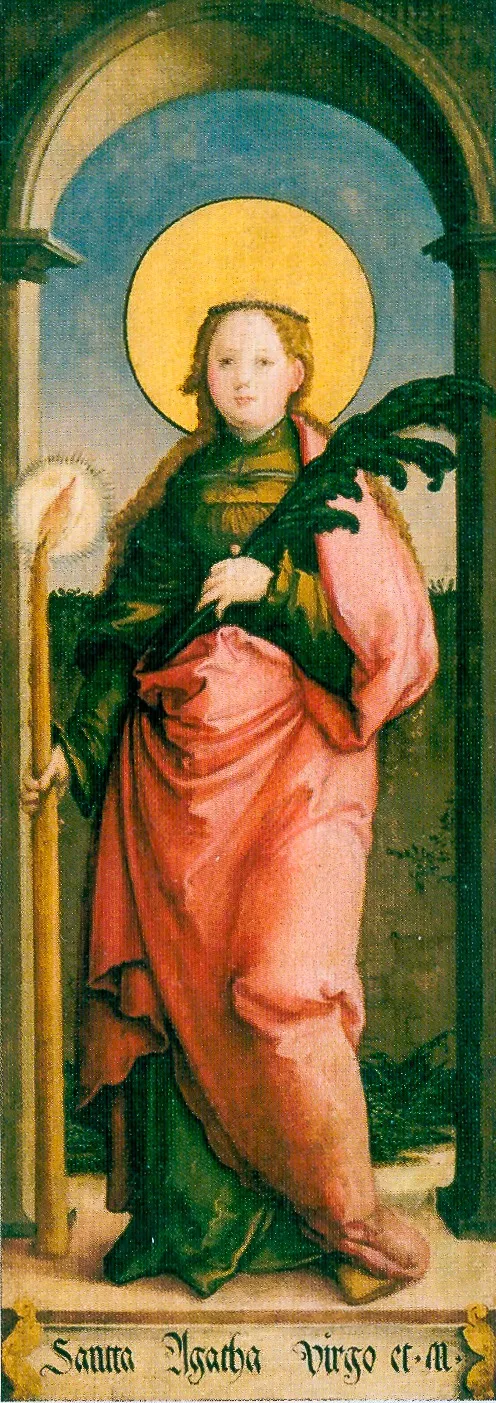
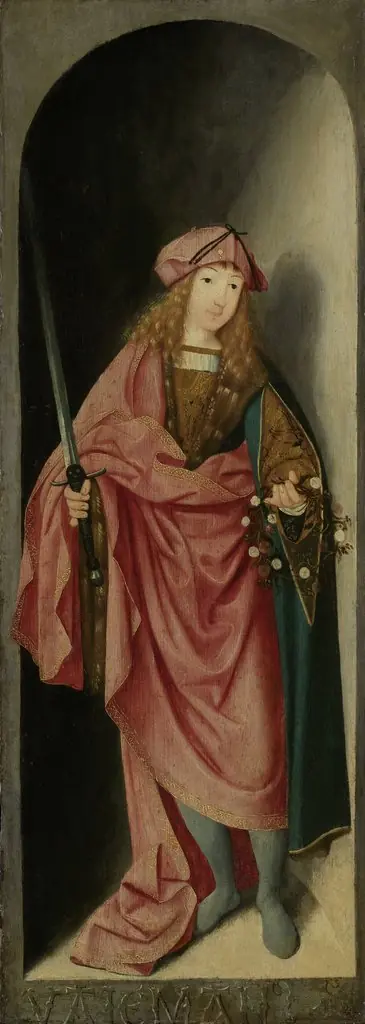
Saint Agatha is a wood painting by the Northern Renaissance artist Master of Messkirch. It dates from 1537 and is held in the collection of the Philadelphia Museum of Art.
About this work
Overview
Saint Agatha is a 1537 religious painting by the Master of Messkirch, rendered on softwood. It portrays Agatha of Sicily and is part of the collection at the Philadelphia Museum of Art.
Subject & Meaning
The painting depicts Saint Agatha, identifiable by her attributes: a halo, a palm branch (symbolizing martyrdom) in her right hand, and her severed breasts on a plate in her left. Her calm, downward-cast gaze conveys serenity and devotion, reflecting her legendary endurance of torture.
Technique & Style
The artist employed a thoughtful use of color and composition to achieve depth and dimensionality. A blue sky with visible trees through an arched doorway creates a sense of space, while the central figure, clad in a pink robe over a green dress, is emphasized through chiaroscuro, a technique that utilizes strong contrasts between light and dark to enhance volumetric form.
History & Provenance
Created in 1537, the painting's history prior to its acquisition by the Philadelphia Museum of Art is not detailed here. It is currently held in the museum's collection.
Context
Saint Agatha's depiction aligns with 16th-century religious art's focus on martyrs and saints. The choice of subject reflects the period's devotional practices and the veneration of female saints.
Legacy
While specific influence or notable exhibitions of this work are not highlighted, it contributes to the broader understanding of the Master of Messkirch's oeuvre and 16th-century religious painting traditions.
Artist & collection

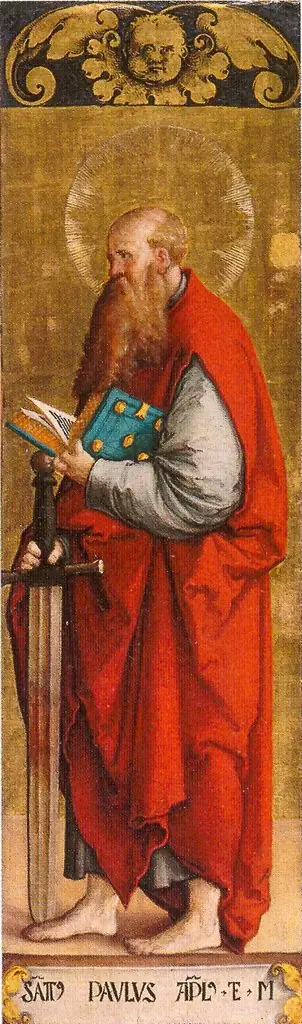
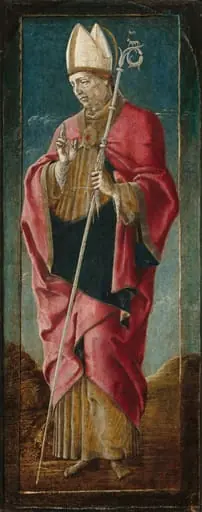 Saint Louis of Toulouse
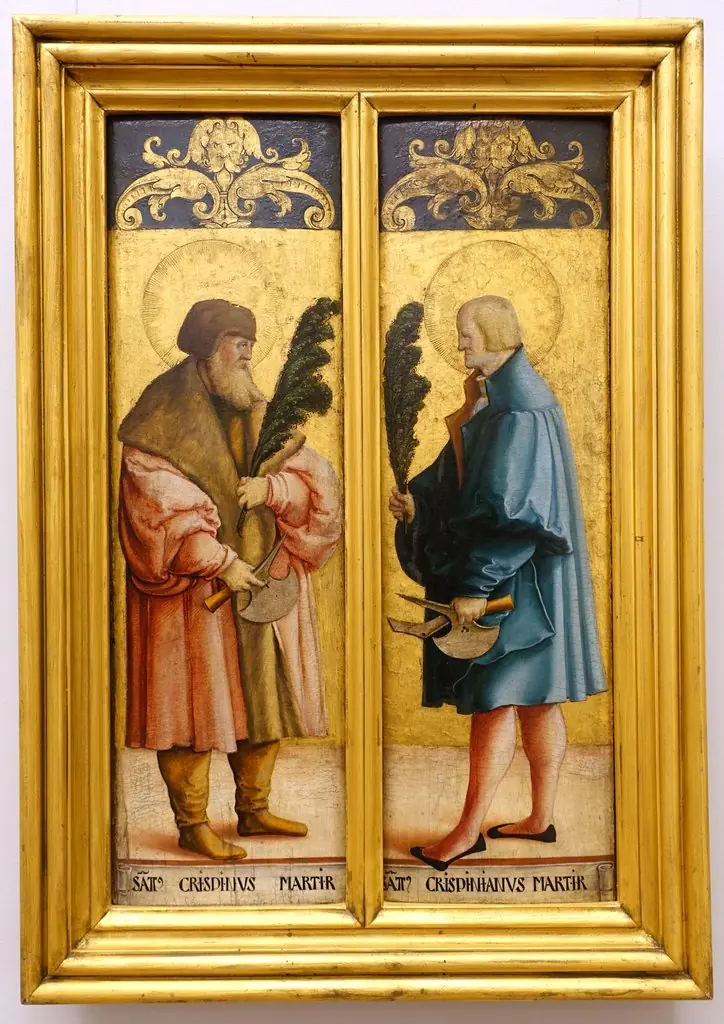
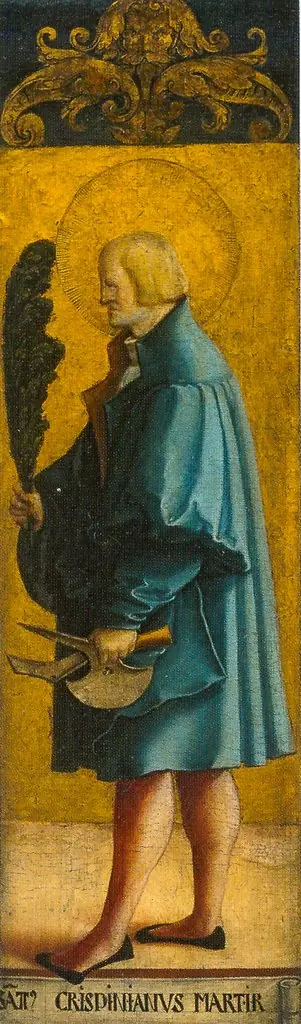 Der heilige Crispinianus
![The Archangel Gabriel [middle left panel], by Cosmè Tura](https://artifactworldgallery.com/img/cosme-tura--the-archangel-gabriel-middle-left-panel--c900f72d54477be2-w320.webp) The Archangel Gabriel [middle left panel]
The Archangel Gabriel [middle left panel]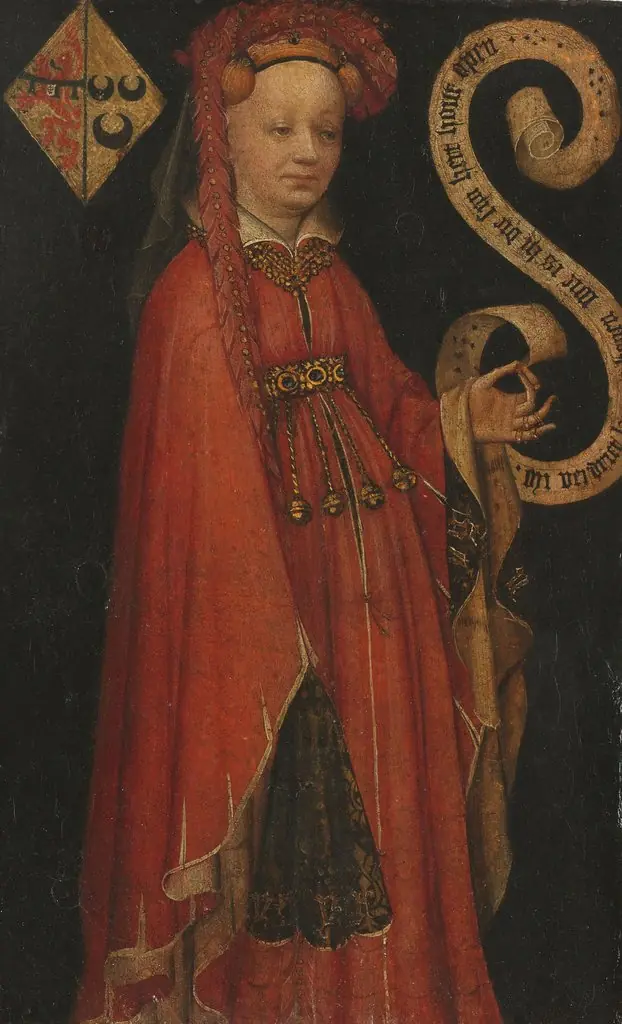 Portrait of Lysbeth van Duvenvoorde
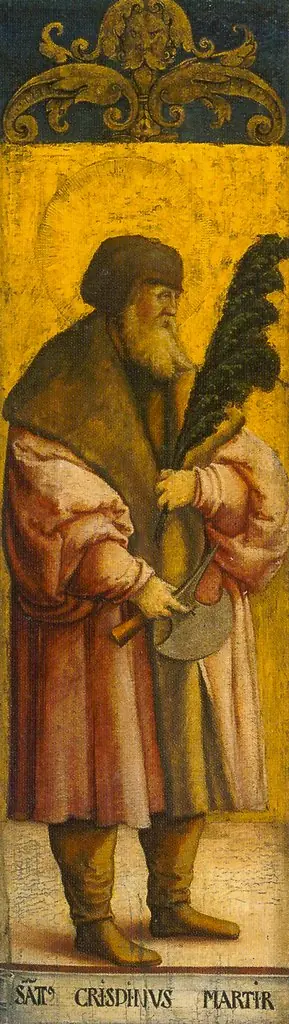 Der heilige Crispinus
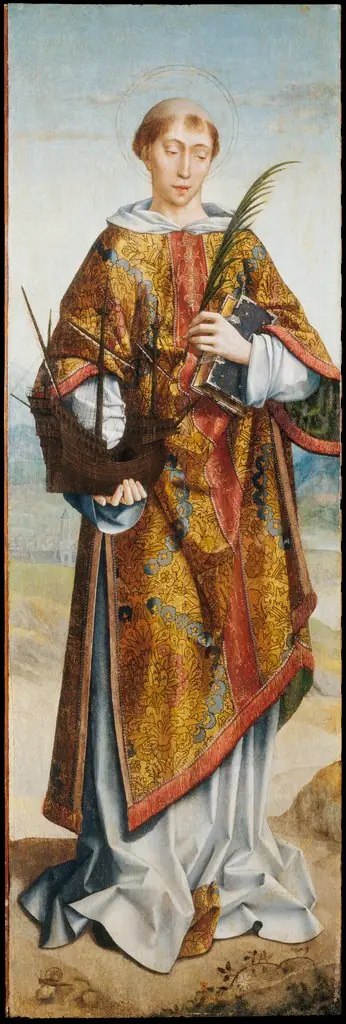 Saint Vincent, Patron Saint of Lisbon
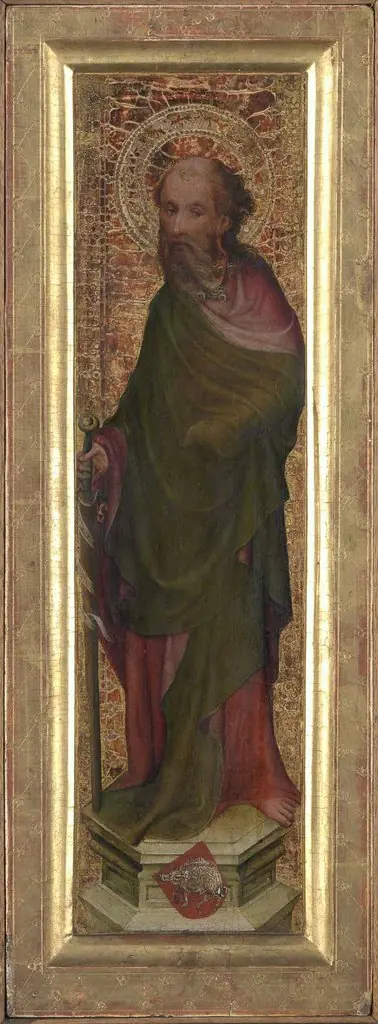 Hl. Paulus Rückseite: Hl. Reinoldus
![The Virgin Annunciate [middle right panel], by Cosmè Tura](https://artifactworldgallery.com/img/cosme-tura--the-virgin-annunciate-middle-right-panel--9eeab22c5567995d-w320.webp) The Virgin Annunciate [middle right panel]
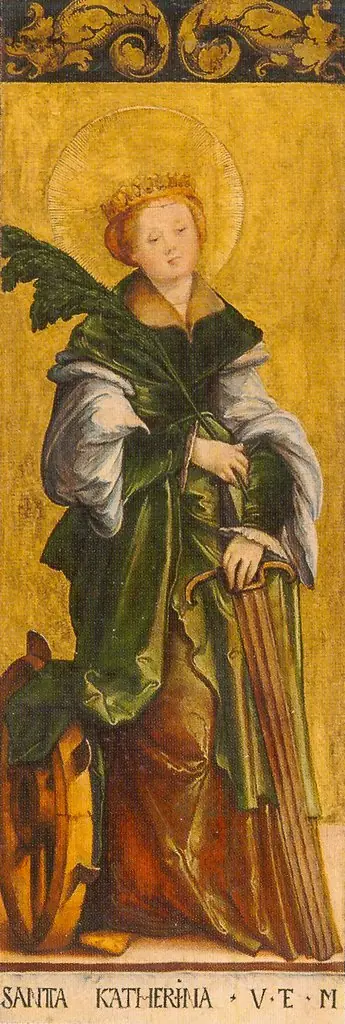
The Virgin Annunciate [middle right panel]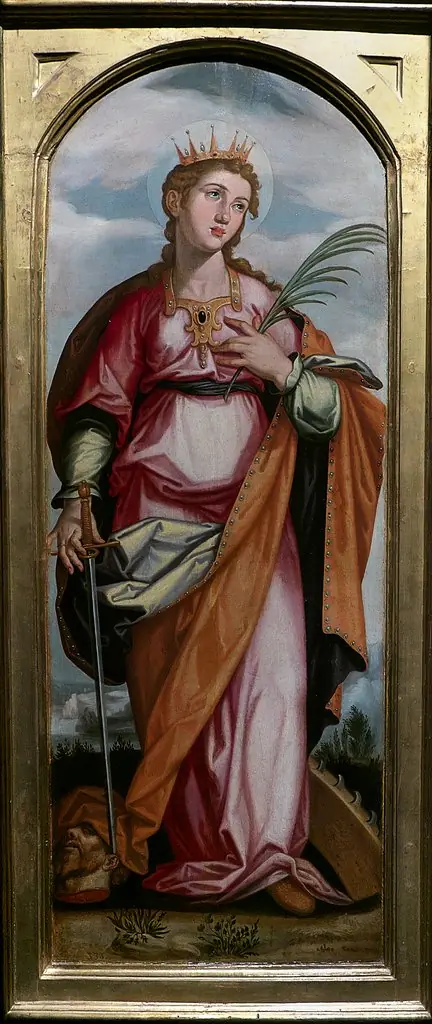 Santa Catalina
 Left wing of a triptych with St Valerianus