Artwork
Capitals from the Baths of Antoninus, Rome
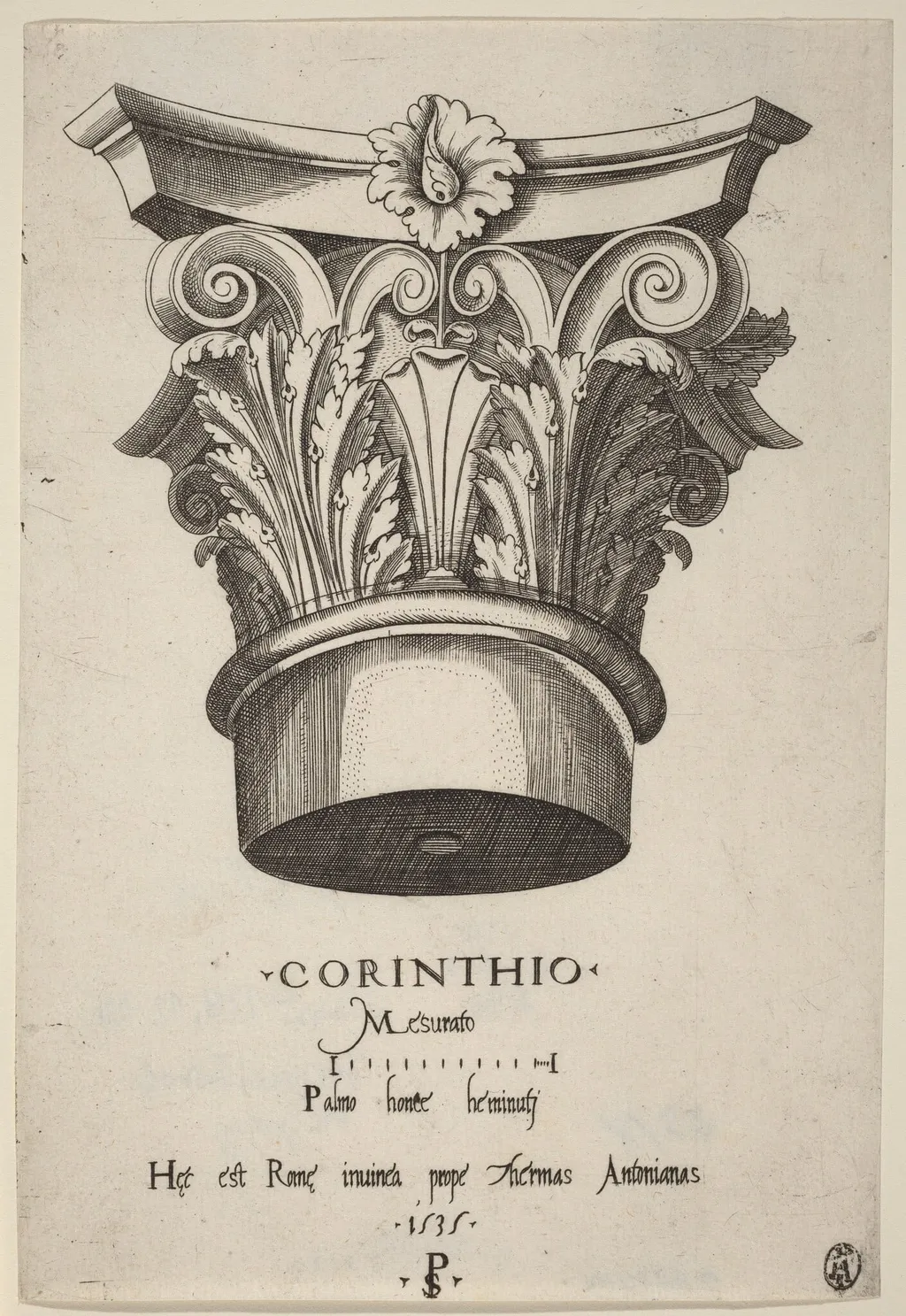
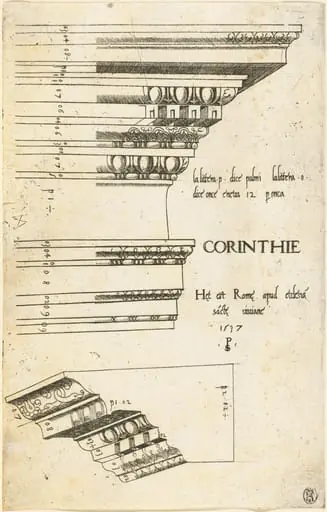
Capitals from the Baths of Antoninus, Rome is an ink print by the Renaissance artist Pseudo-Pier Francesco Fiorentino. It dates from 1535 and is held in the collection of the National Gallery of Art. Created in 1535 by an artist known as Master PS, this engraving captures architectural details from the Baths of Antoninus in Rome.
About this work
The lines are crisp and clean, showing tiny grooves called cross-hatching that make shadows.
You see precise engravings of Roman column capitals from the Baths of Antoninus. The lines are crisp and clean, showing tiny grooves called cross-hatching that make shadows. These details let us study shapes carved 1,500 years ago.
The artist, Master PS, dated the prints 1535. Back then, artists copied ancient ruins to learn classic forms. These prints helped spread Roman design ideas across Europe.
Next, check out engraving.
Overview
Created in 1535 by an artist known as Master PS, this engraving captures architectural details from the Baths of Antoninus in Rome. Rendered in fine, controlled lines, the work focuses on the ornate capitals of columns that once stood in the imperial bath complex. As a printed image, it served not as decoration but as a study tool, preserving the forms of ancient Roman stonework for wider circulation among artists and scholars.
Subject & Meaning
The engraving depicts the carved capitals of columns from the Baths of Antoninus, a major public bathing complex built in the 2nd century CE. These capitals, likely of the Corinthian order, reflect the refined classical vocabulary of Roman imperial architecture. The artist’s choice to isolate and document them suggests an intent to preserve and analyze ancient design principles rather than to commemorate the ruins themselves.
Technique & Style
Master PS employed precise engraving techniques, using fine incised lines and cross-hatching to model light and shadow on the stone surfaces. The crispness of the lines emphasizes the intricate vegetal and scroll motifs of the capitals, while the absence of background elements directs focus entirely to the architectural detail. This method allowed for high-fidelity reproduction, essential for academic study and transmission of classical forms.
History & Provenance
The print was made during a period of renewed interest in Roman antiquities, when artists and architects traveled to Rome to document surviving ruins. Master PS, likely part of a network of printmakers working in Rome, produced this image around 1535. Though little is known of the artist’s identity, the print’s survival in collections across Europe indicates its use as a reference in the study of classical architecture.
Context
In the early 16th century, Roman ruins were studied not merely as relics but as sources of formal instruction. Artists and architects sought to understand the proportions and ornamentation of ancient buildings to inform contemporary design. Engravings like this one functioned as portable archives, enabling the dissemination of classical motifs beyond Rome to studios and academies throughout Europe.
Legacy
This engraving contributed to the broader revival of classical architecture in Renaissance Europe. By translating three-dimensional stone carvings into two-dimensional prints, Master PS helped standardize visual knowledge of Roman ornament. Such images became foundational references for later architects and designers, embedding ancient forms into the evolving language of European building traditions.
Artist & collection

 Madonna and Child with the Infant Saint John the Baptist and Angels
 Virgin and Child
 The Annunciation to the Virgin
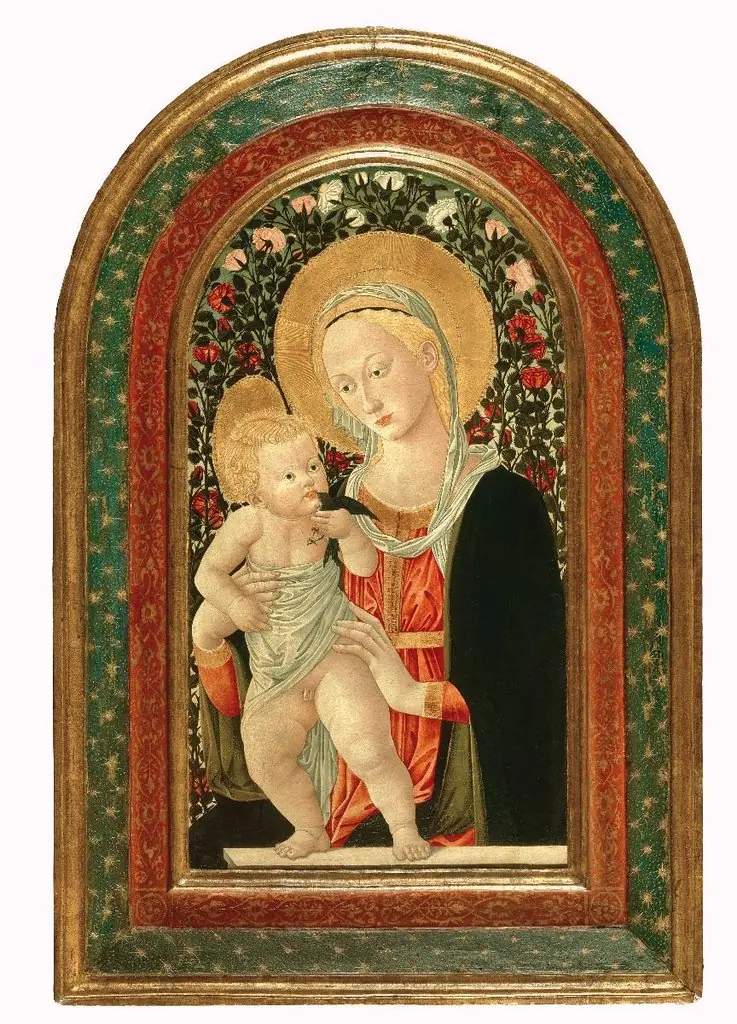 Maria col bambino
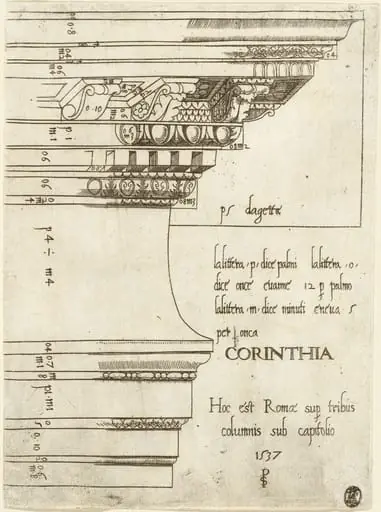 Entablature from the Temple of Castor and Pollux, Rome
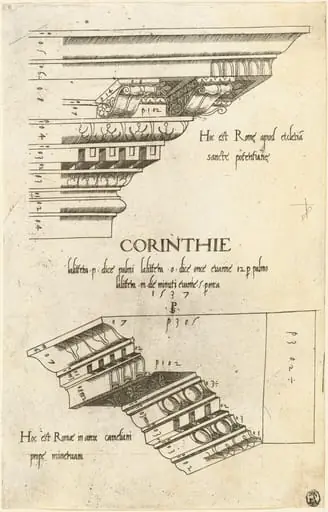 Entablatures from Santa Pudenziana and the Arch of Camigliano, Rome
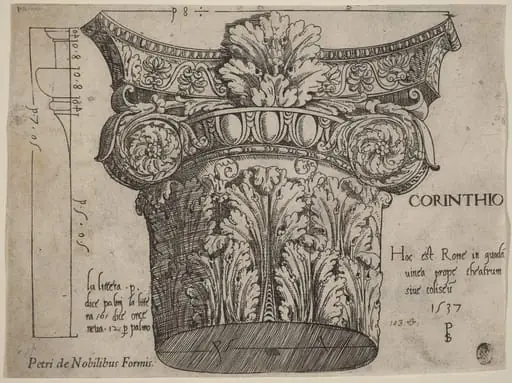 Capital from the Colosseum, Rome
 Entablature from the Church of Saint Bibiana, Rome
 Goblet, rim decorated with masque and bouquet of fruit
 Covered Cup with Satyrs
 Goblet with lid surmounted by a Roman soldier
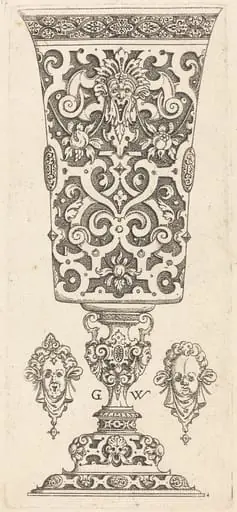 Goblet with base decorated with two large scallops
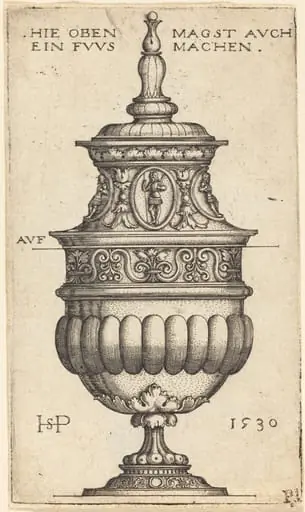 Double Goblet with Oval Medallions of Knights
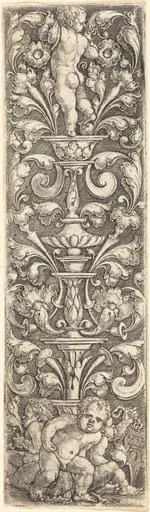 High Ornament
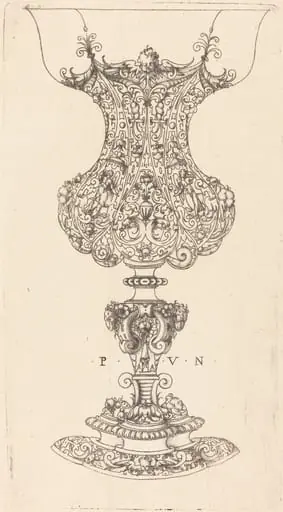 A Cup with Rams' Heads at the Foot
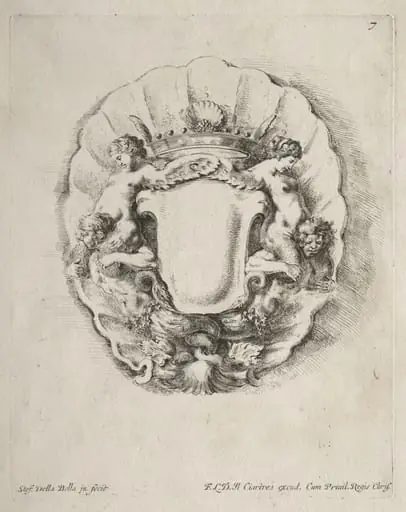 Collection of Various Caprices and New Designs of Cartouches and Ornaments: No 7
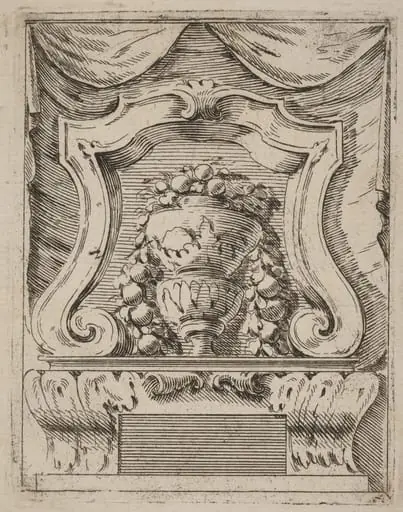 Architectural Motif with Fruit in a Vase
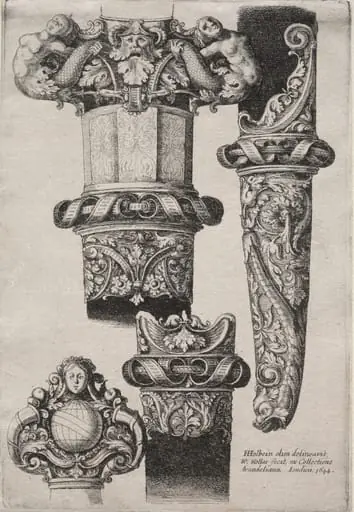 Design for Daggers
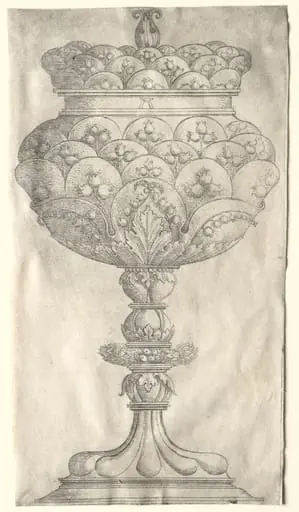 Goblet with Lillies of the Valley