Artwork
Untitled
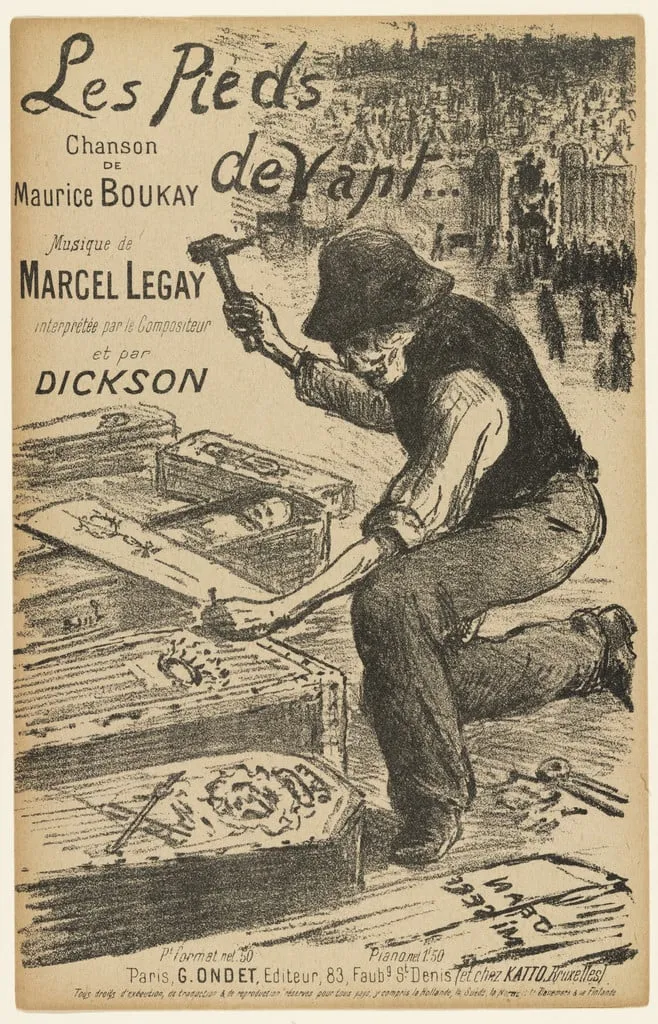
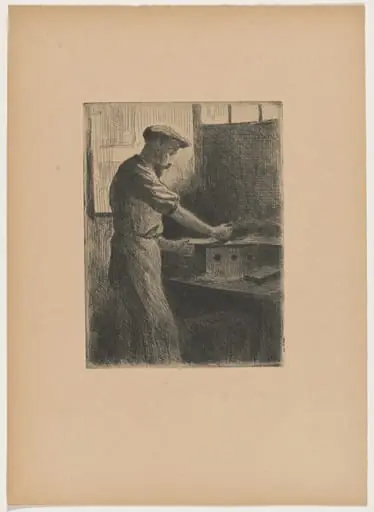
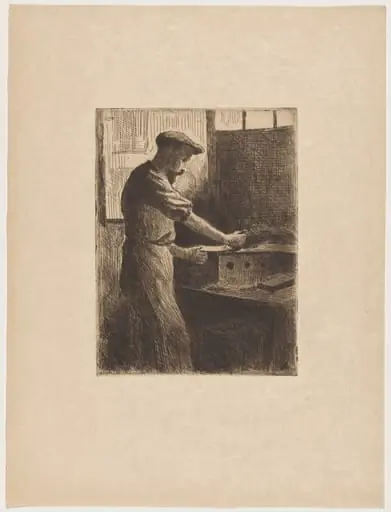
Untitled is an ink print by the Impressionist artist Maximilien Luce. It dates from 1890 and is held in the collection of the Museum of Modern Art.
About this work
Overview
Created around 1890, this lithograph by Maximilien Luce is part of The Museum of Modern Art’s collection.
Created around 1890, this lithograph by Maximilien Luce is part of The Museum of Modern Art’s collection. It depicts a laborer bent over a stone surface, striking cobblestones with a heavy mallet. Surrounding him are scattered tools and the blurred motion of pedestrians and a horse-drawn carriage. The image carries an inscription referencing a 'song' and 'feet in front,' hinting at a connection to musical performance, though the scene itself focuses on manual toil.
Subject & Meaning
The figure embodies the physical strain of urban labor, isolated yet surrounded by the rhythm of city life. The contrast between his solitary exertion and the passing crowd underscores the anonymity of workers in modernizing cities. The reference to a 'song' may be ironic or metaphorical, framing labor as a kind of unacknowledged rhythm, grounding the image in the everyday rather than the theatrical.
Technique & Style
Luce employed a loose, energetic lithographic line to convey texture and movement. The roughness of the stone, the weight of the hammer, and the blur of passing figures are rendered with minimal detail but strong gestural force. The tonal contrasts and fragmented forms reflect the immediacy of sketching, translating the urgency of street life into a printed medium without idealization.
History & Provenance
The work dates from a period when Luce was deeply engaged with scenes of working-class life and socialist ideals. Though originally produced as a poster, likely for a music hall or public event, its artistic merit led to its preservation. It entered The Museum of Modern Art’s collection as part of a broader effort to document print culture and social realism in late 19th-century Europe.
Context
In the 1890s, Paris was undergoing rapid urban transformation, and artists like Luce turned to laborers as subjects of social observation. Lithography, then widely used for posters and illustrations, allowed for mass distribution and direct expression. This print aligns with broader movements that sought to elevate ordinary life as worthy of artistic attention, away from academic traditions.
Legacy
The work contributes to a visual record of industrial labor in fin-de-siècle Europe, influencing later realist and socially conscious printmakers. Its unembellished portrayal of work, combined with the tension between individual effort and collective motion, remains a quiet but persistent commentary on the human cost of urban progress.
Artist & collection
Artist
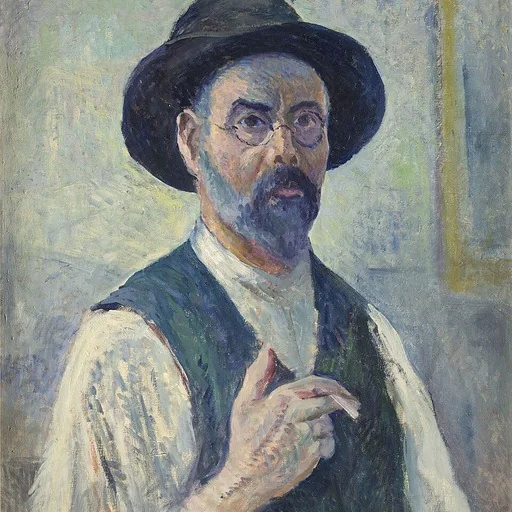
Maximilien Luce was a French Neo-impressionist artist known for his paintings, graphic art, and his anarchist activism.

 Untitled
![Mariage d'argent; Le Fardeau de la liberté; Un Client sérieux [recto], by Henri de Toulouse-Lautrec](https://artifactworldgallery.com/img/henri-de-toulouse-lautrec--mariage-d-argent-le-fardeau-de-la-liberte-un-client-serieux--1a2c6f77da89ba3b-w320.webp) Mariage d'argent; Le Fardeau de la liberté; Un Client sérieux [recto]
Mariage d'argent; Le Fardeau de la liberté; Un Client sérieux [recto] T'as tort de vouloir afficher cette ... annonce ...
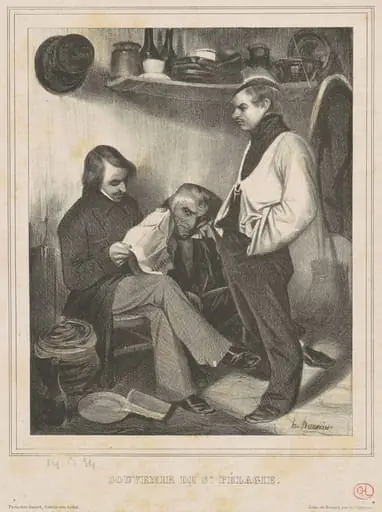 Souvenir de Ste. Pélagie
![Mariage d'argent; Le Fardeau de la liberté; Un Client sérieux [recto], by Henri de Toulouse-Lautrec](https://artifactworldgallery.com/img/henri-de-toulouse-lautrec--mariage-d-argent-le-fardeau-de-la-liberte-un-client-serieux--a315ef4a50771215-w320.webp) Mariage d'argent; Le Fardeau de la liberté; Un Client sérieux [recto]
Mariage d'argent; Le Fardeau de la liberté; Un Client sérieux [recto]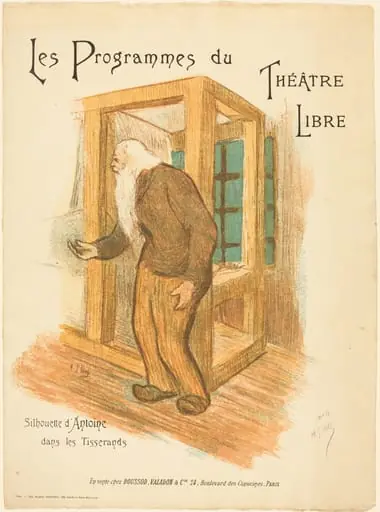 Les Programmes du Théâtre Libre
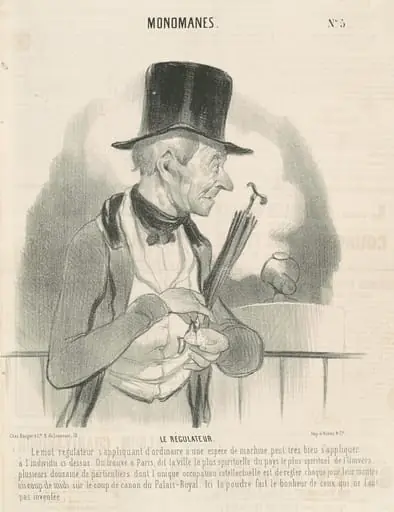 Le regulateur
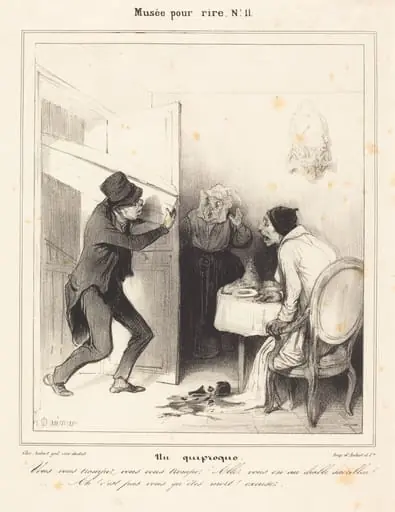 Un quiproquo - Vous vous trompez... allez... au diable...
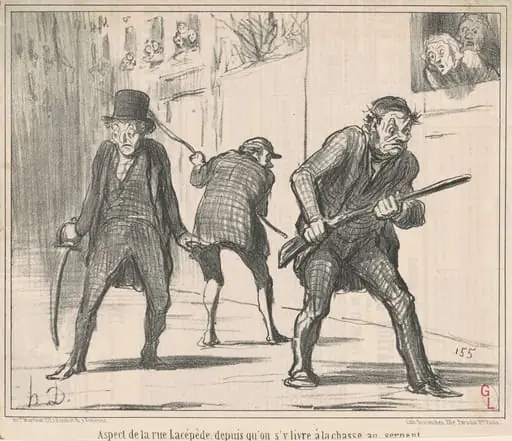 Aspect de la rue Lacépède ...
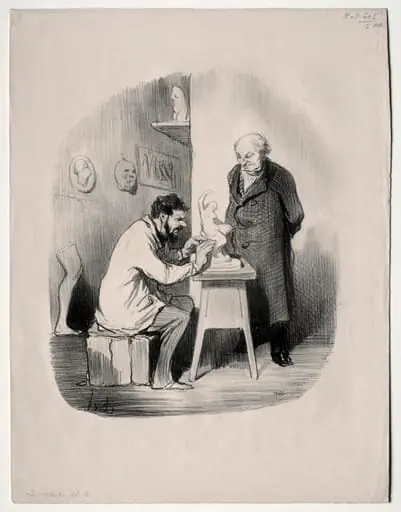 One of theses day you have to do my portrait in this style
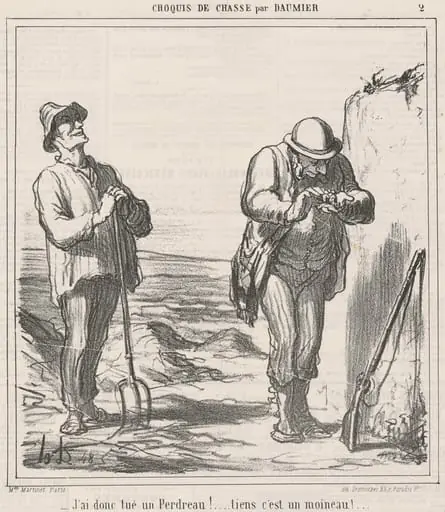 J'ai donc tué un perdreau!
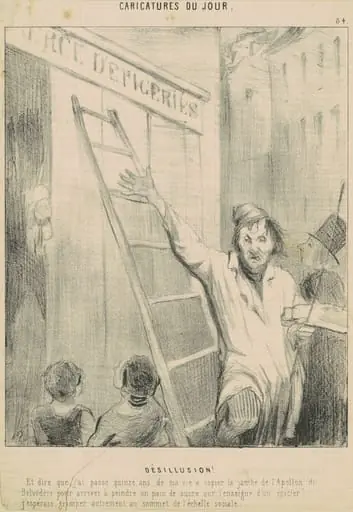 Désillusion!