Artwork
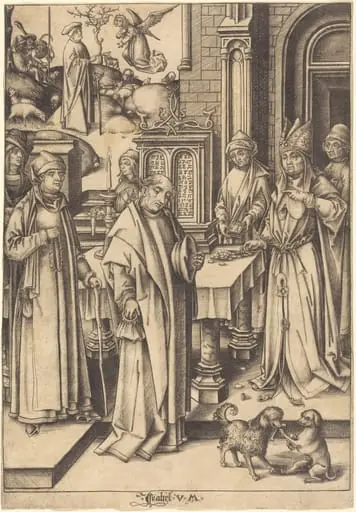
The Presentation of the Virgin
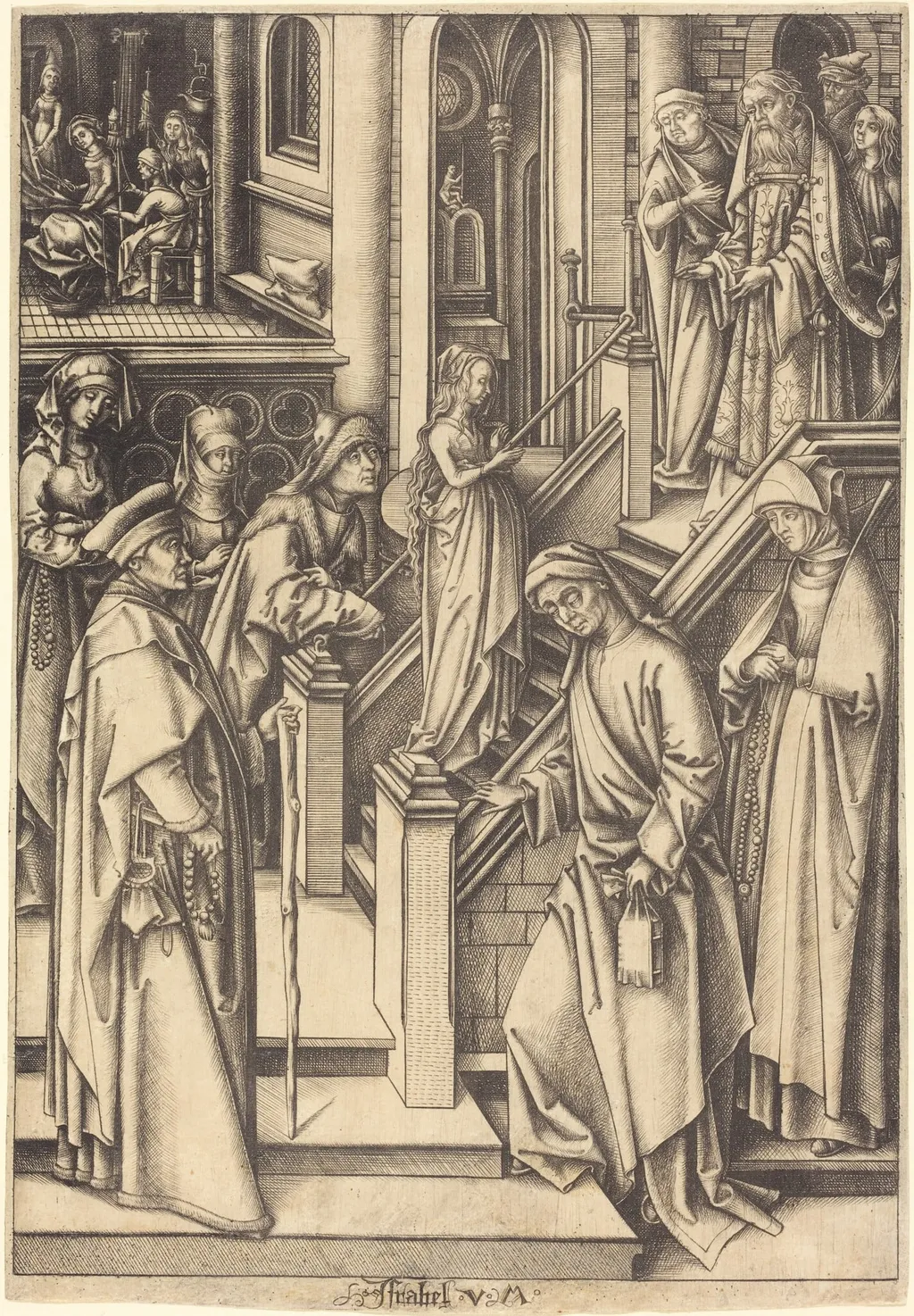
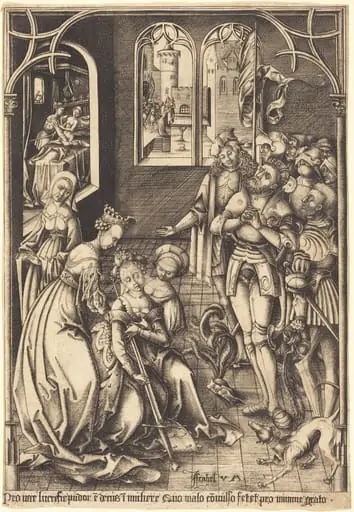
The Presentation of the Virgin is an ink print by the Renaissance artist Israhel van Meckenem. It dates from 1495 and is held in the collection of the National Gallery of Art.
About this work
Overview
The Presentation of the Virgin is a late 15th-century engraving created by Israhel van Meckenem around 1495. As a prolific German printmaker and goldsmith, Meckenem was known for producing numerous prints, often based on existing compositions.
Subject & Meaning
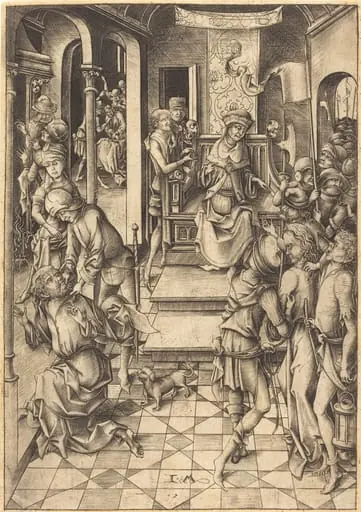
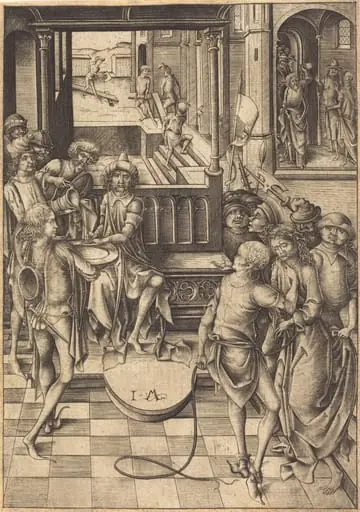
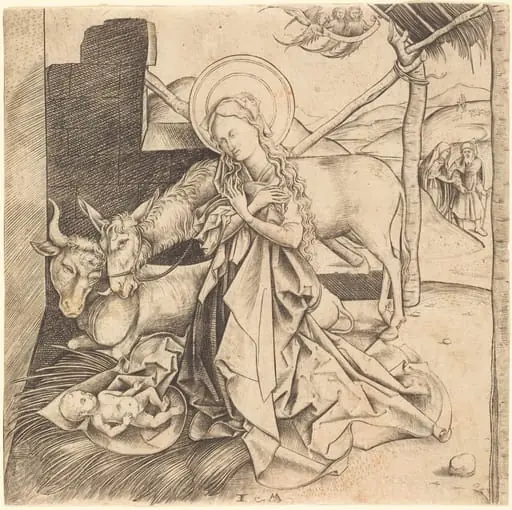
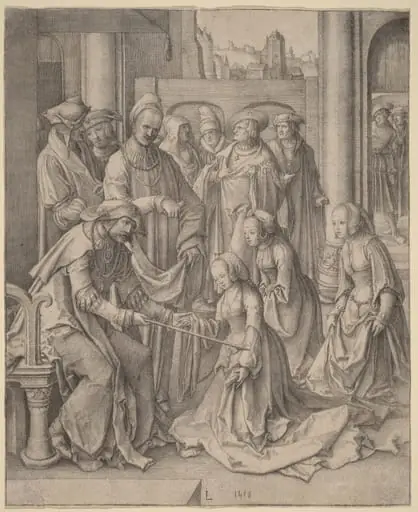
The engraving illustrates the biblical scene of the young Virgin Mary's presentation at the temple. Figures in medieval attire gather around the event, with a woman (likely Mary's mother, Anne) handing an object to a kneeling figure, surrounded by onlookers bearing staffs and keys.
Technique & Style
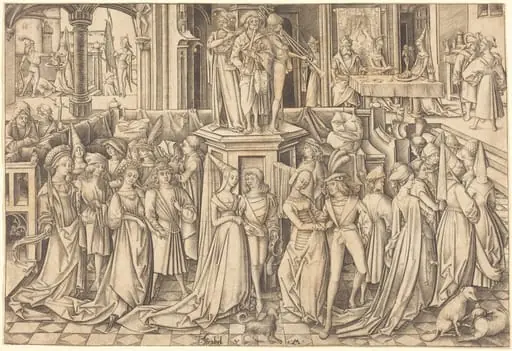
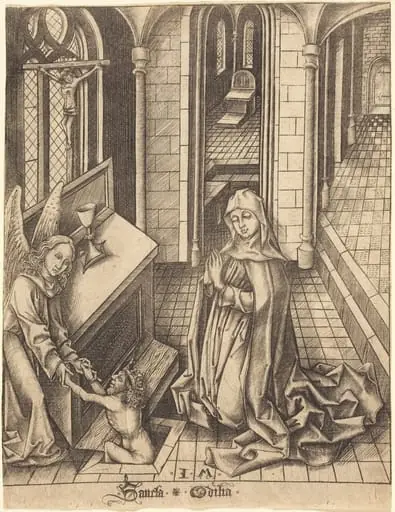
Characteristic of Northern European printmaking at the time, the work features intricate linework. Meckenem employed cross-hatching to achieve deep shadows and textured effects, evident in the three-dimensional rendering of fabric folds and architectural details.
History & Provenance
Created circa 1495, this engraving is part of Meckenem's extensive oeuvre of over 620 prints, many of which were reproductions of existing artworks. Specific provenance details for this piece are not provided.
Context
The work reflects the prevalent interest in biblical narratives in 15th-century European art. As an engraving, it also speaks to the growing demand for disseminated religious imagery during this period.
Legacy
As one of Meckenem's numerous prints, The Presentation of the Virgin contributes to the artist's reputation as the most prolific engraver of the 15th century, highlighting the role of printmaking in widespread artistic and religious dissemination.
Artist & collection
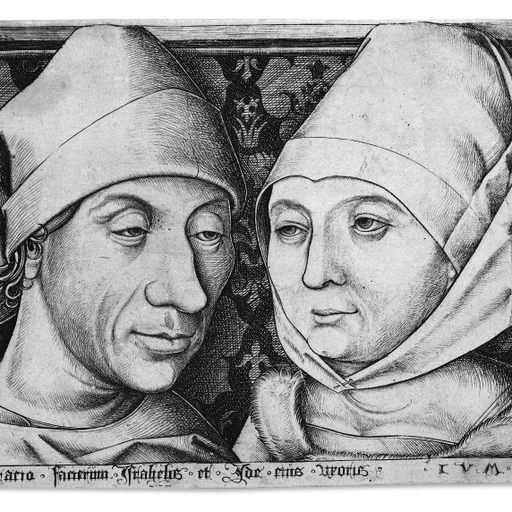
Artist
Israhel van Meckenem (c. 1445 – 10 November 1503), also known as Israhel van Meckenem the Younger, was a German printmaker and goldsmith, perhaps of a Dutch family origin. He was the most prolific engraver of the…