Artwork
Rébus: "Béranger ne fut véritablement fort, car il n'eut jamais la clef des champs" (Rebus: "Beranger was not really strong, for he never had the key of the fields")
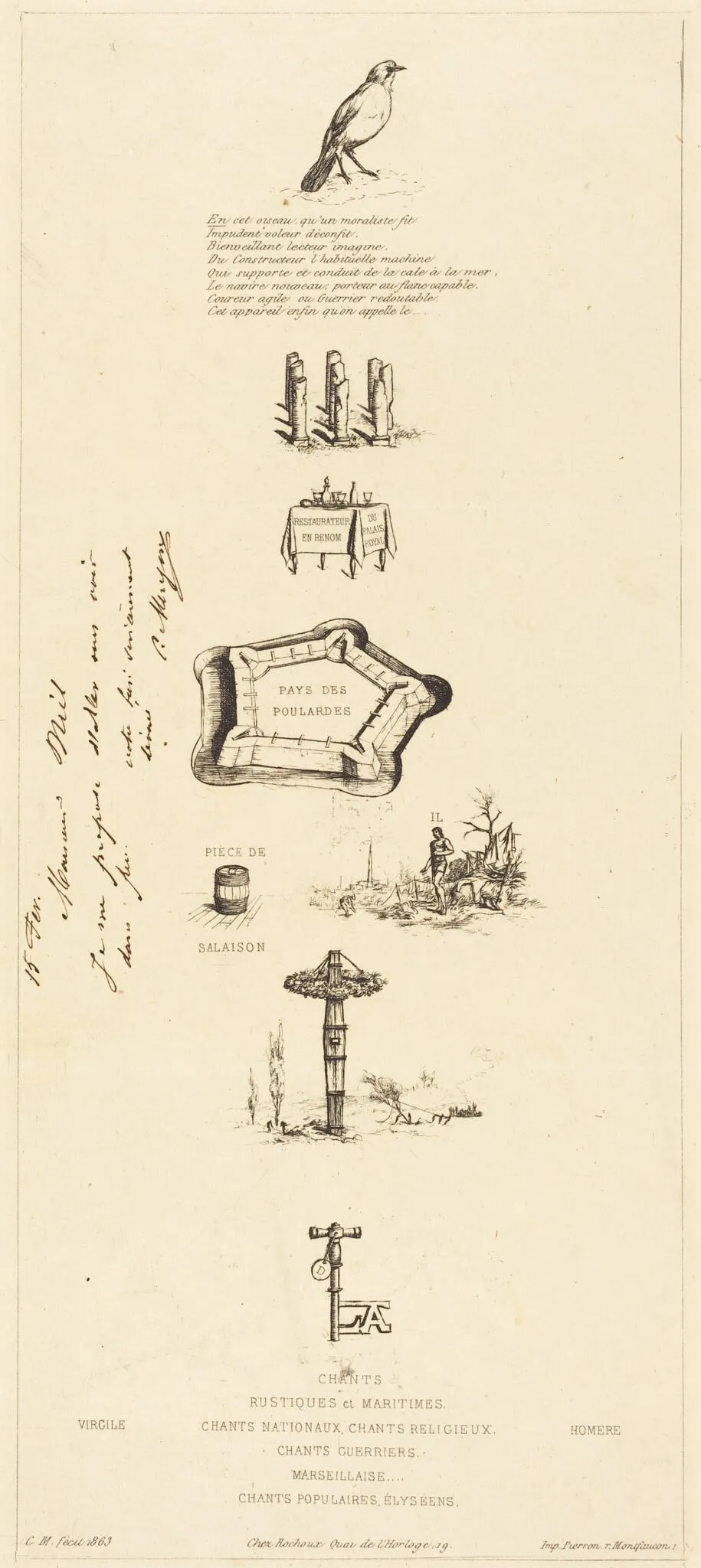
Rébus: "Béranger ne fut véritablement fort, car il n'eut jamais la clef des champs" (Rebus: "Beranger was not really strong, for he never had the key of the fields") is an ink print by the Impressionist artist Charles Meryon. It dates from 1863 and is held in the collection of the National Gallery of Art. Created in 1863, this etching on d&c blauw paper presents a sequence of six small images that function as a visual puzzle.
About this work
Overview
Created in 1863, this etching on d&c blauw paper presents a sequence of six small images that function as a visual puzzle. Each vignette contains a distinct object—a bird, three posts, a table with a sign, a piece of cured meat, a mushroom‑shaped form, and a hammer—arranged to suggest a rebus, a play on words popular in 19th‑century French culture.
Subject & Meaning
The title, a French rebus, translates to “Beranger was not truly strong, for he never had the key of the fields.” The individual pictures act as cryptic clues that, when interpreted together, resolve the phrase. The work therefore invites viewers to decode layered meanings, reflecting the artist’s fascination with linguistic riddles and the interplay between image and text.
Technique & Style
Executed entirely in etching, the piece showcases Charles Meryon’s precise line work and stark contrasts, hallmarks of his practice after he abandoned colour due to his colour‑blindness. The fine incisions on the smooth d&c blauw paper create a clear, almost graphic quality, emphasizing the symbolic nature of each element while maintaining the atmospheric mood typical of his Parisian series.
History & Provenance
Meryon produced the work during the later phase of his career, a period marked by increasing mental instability that culminated in his confinement and death in 1868. The etching was likely circulated among his close circle of fellow artists and collectors before entering museum holdings, though specific acquisition records remain sparse.
Context
Rebus puzzles were a popular pastime in mid‑19th‑century France, appearing in newspapers and salons. Meryon’s choice to embed such a puzzle within an etching aligns with contemporary interests in wordplay and the intellectual amusements of the bourgeoisie, while also echoing his broader preoccupation with the hidden narratives of urban life.
Artist & collection
Artist
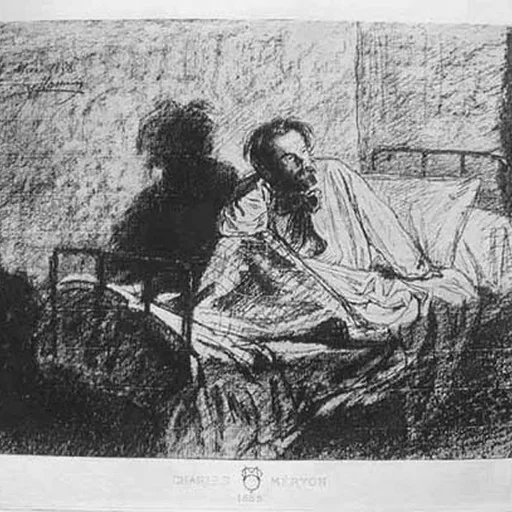
Charles Meryon (sometimes Méryon, 23 November 1821 – 14 February 1868) was a French artist who worked almost entirely in etching, as he had colour blindness.

 The Porte de Versailles at Pont du Jour
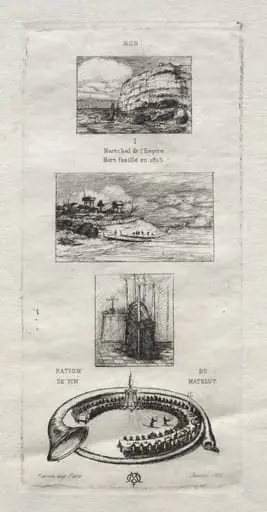 Rebus: "No, Morny is not dead for he is marrying again"
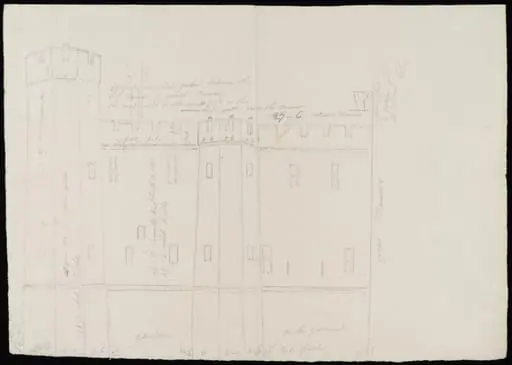 Elevation of part of the façade.
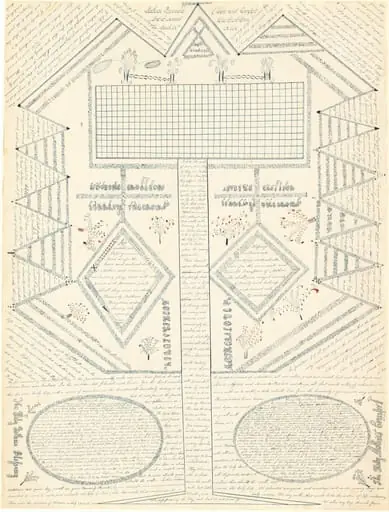 Mother's Banner of Love and Comfort
![The Siege of Breda [plate 3 of 6], by Jacques Callot](https://artifactworldgallery.com/img/jacques-callot--the-siege-of-breda-plate-3-of-6--c43bd4a835426ed7-w320.webp) The Siege of Breda [plate 3 of 6]
The Siege of Breda [plate 3 of 6]![The Siege of Breda [plate 1 of 6], by Jacques Callot](https://artifactworldgallery.com/img/jacques-callot--the-siege-of-breda-plate-1-of-6--979d3482f5499305-w320.webp) The Siege of Breda [plate 1 of 6]
The Siege of Breda [plate 1 of 6]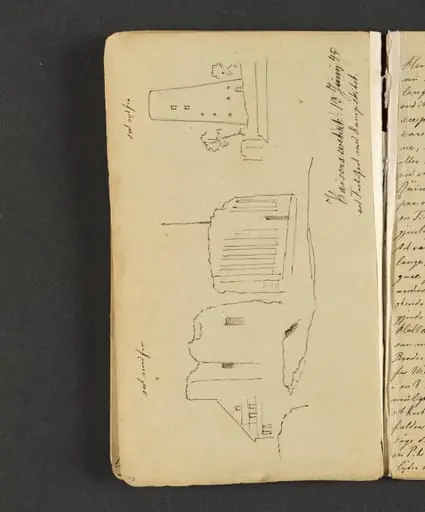 Ruiner og et tårn ved Kaiserswerth, Düsseldorff
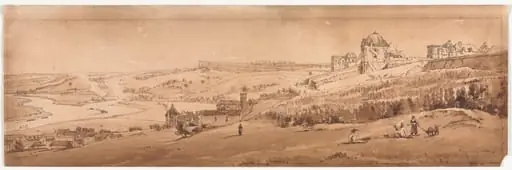 A Selection of Twenty of the Most Picturesque Views in Paris: View from Palace Terrace at St. Germain-en-Laye, the Aqueduct of Marli seen in the Distance
![The Siege of Breda [plate 4 of 6], by Jacques Callot](https://artifactworldgallery.com/img/jacques-callot--the-siege-of-breda-plate-4-of-6--3e777c648194dcba-w320.webp) The Siege of Breda [plate 4 of 6]
The Siege of Breda [plate 4 of 6]![Rathgar Castle, 1 1/2 miles from Dublin [...], by Gabriel, ca.1729-1817 Beranger](https://artifactworldgallery.com/img/gabriel-ca-1729-1817-beranger--rathgar-castle-1-1-2-miles-from-dublin--17cfe3f4e70405c2-w320.webp) Rathgar Castle, 1 1/2 miles from Dublin [...]
Rathgar Castle, 1 1/2 miles from Dublin [...]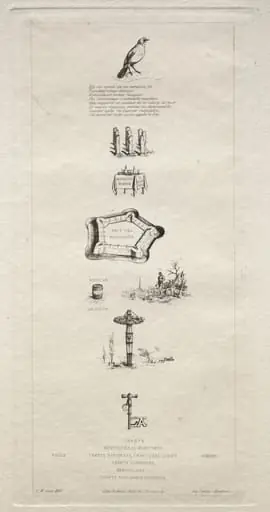 Rebus: "Beranger was not really strong for he never had the key to the fields"
 Plan and Elevation of the Church near the House of Annas