Artwork
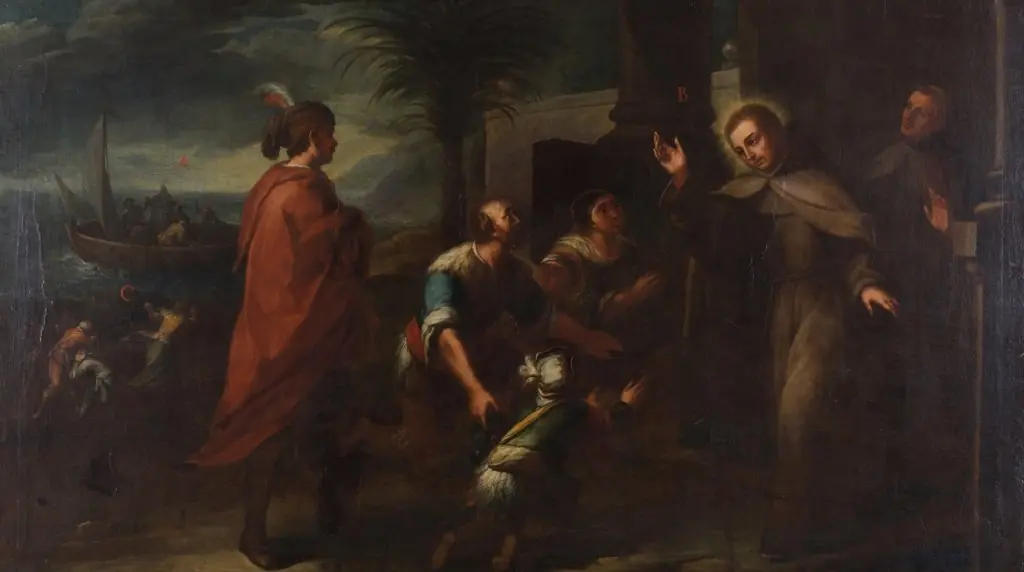
San Francisco de Regis predicando
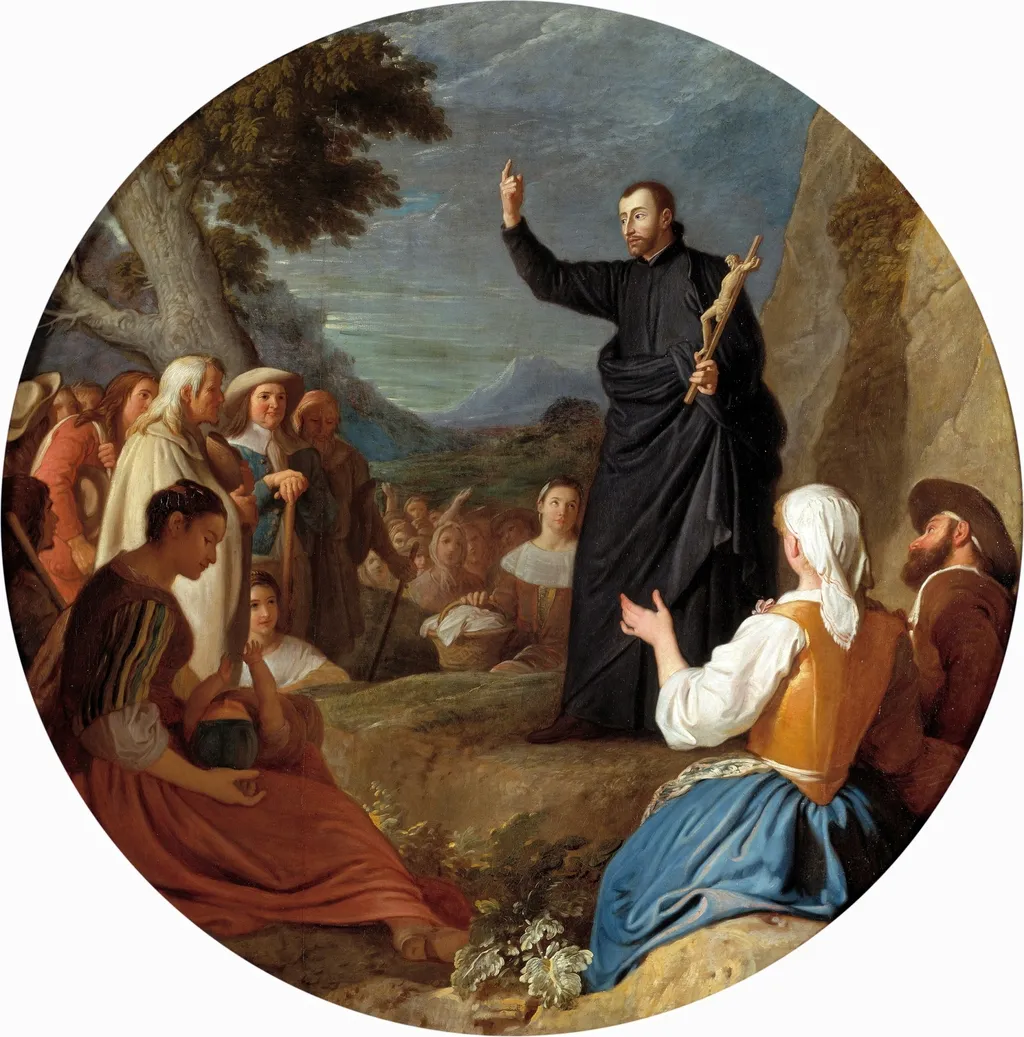
San Francisco de Regis predicando is an oil painting by the High Baroque Italian artist Michel Ange Houasse. It dates from 1702 and is held in the collection of the Museo del Prado.
About this work
Overview
Created during his early career, the piece reflects his training in a French academic tradition and his emerging engagement with Italian Baroque conventions.
Painted in 1702, *San Francisco de Regis predicando* is an oil on canvas work by French artist Michel Ange Houasse. Created during his early career, the piece reflects his training in a French academic tradition and his emerging engagement with Italian Baroque conventions. Though French by birth, Houasse would later become a key figure in Spanish court art, and this painting anticipates his transition into the Iberian artistic sphere.
Subject & Meaning
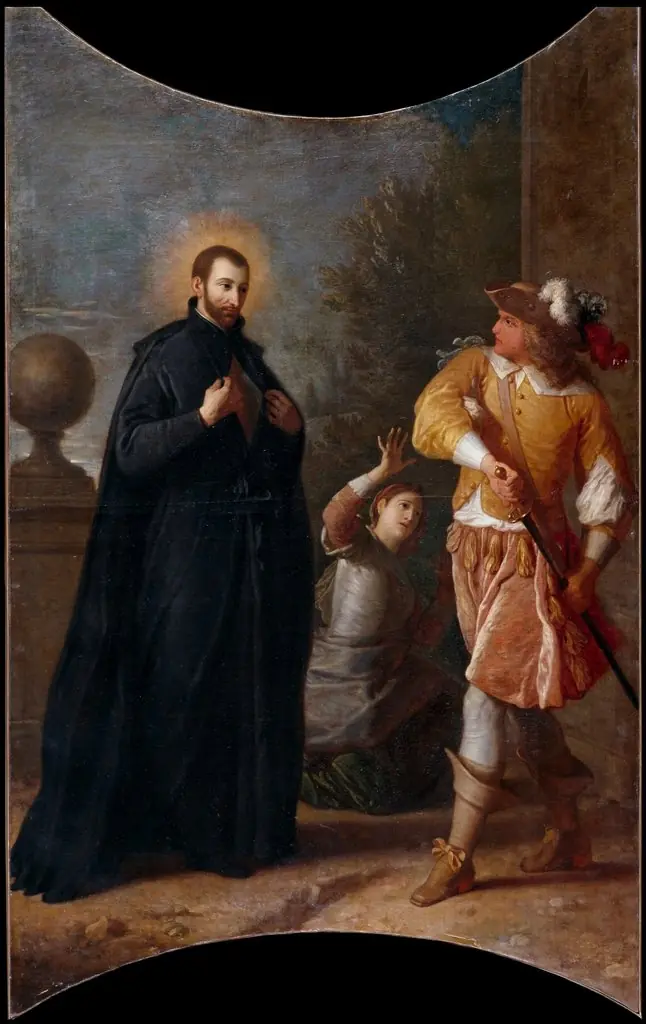
The painting portrays Saint Francis of Reggio delivering a sermon to a gathered crowd, a moment intended to convey spiritual authority and communal devotion. The saint, clad in dark robes and holding a staff, stands elevated on a rocky ledge, his gesture directing attention toward the message rather than the spectacle. The diverse assembly—men in hats, laborers, onlookers—suggests a broad appeal of his preaching, aligning with Counter-Reformation ideals of accessible religious instruction.
Technique & Style
Houasse employs chiaroscuro to isolate the central figure, using strong contrasts between light and shadow to heighten emotional focus. The composition follows the dynamic diagonals and theatrical staging typical of High Baroque painting, while the landscape background—softly rendered with distant mountains and drifting clouds—adds depth without distracting from the narrative. Figures are modeled with careful attention to drapery and posture, showing influence from both Italian and Flemish traditions.
History & Provenance
Commissioned before Houasse’s formal move to Spain, the painting was likely produced in France or Italy. It entered Spanish collections after 1715, when King Philip V invited the artist to Madrid to work on royal decorative projects. The work’s presence in Spain underscores its role in the cultural exchange between French-trained artists and the Spanish court’s desire to align with broader European religious and artistic currents.
Context
In the early 18th century, Spain’s monarchy sought to reinforce Catholic orthodoxy through visual culture. Religious scenes like this one served both devotional and political functions, promoting piety under Bourbon rule. Houasse’s synthesis of Italian drama with Flemish naturalism offered a fresh alternative to rigid Spanish ecclesiastical styles, helping to modernize court-sponsored imagery during a period of artistic renewal.
Legacy
Though less known than his later court commissions, this painting marks an early step in Houasse’s adaptation to Spanish tastes. It demonstrates his ability to merge Northern European detail with Southern Baroque grandeur, influencing a generation of painters at the Madrid court. The work remains a testament to the transnational nature of Baroque art and the mobility of artists across European courts.
Artist & collection
Artist
Michel Ange Houasse (1680–1730) was a French painter, most of whose career was spent at the court of Philip V of Spain, who summoned him to the court in Madrid in 1715 whilst he was still Philip of Anjou.

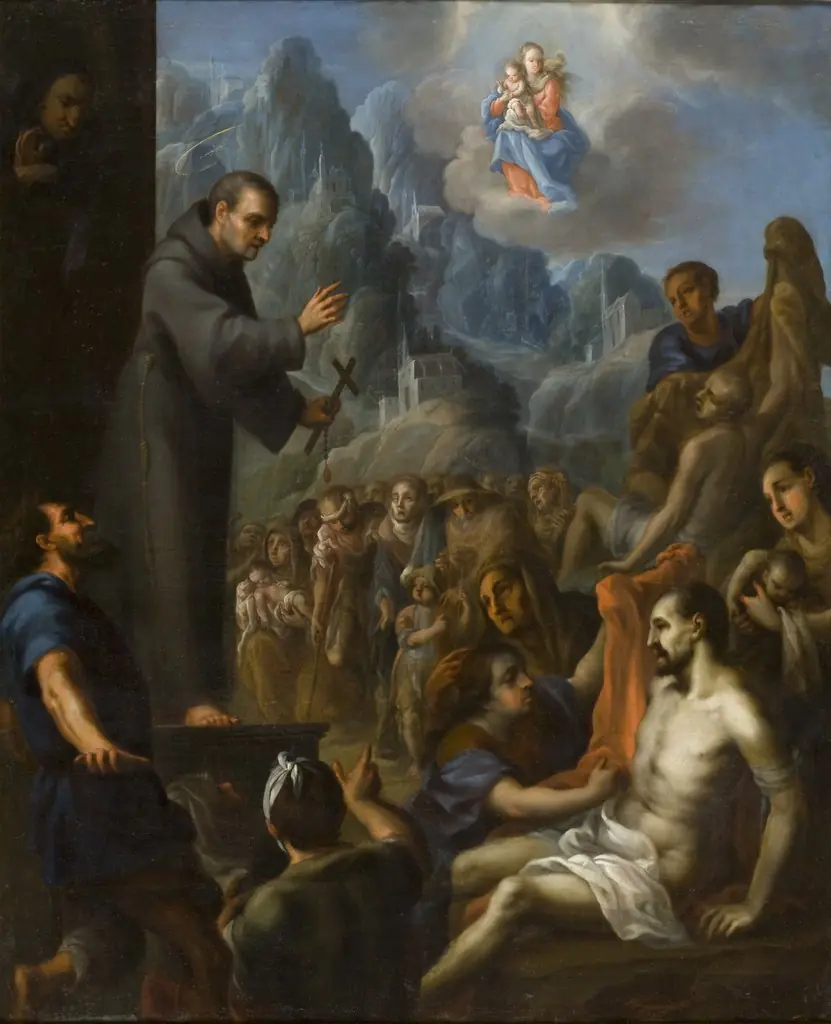 Miracles of Saint Salvador de Horta (Milagros del beato Salvador de Horta)
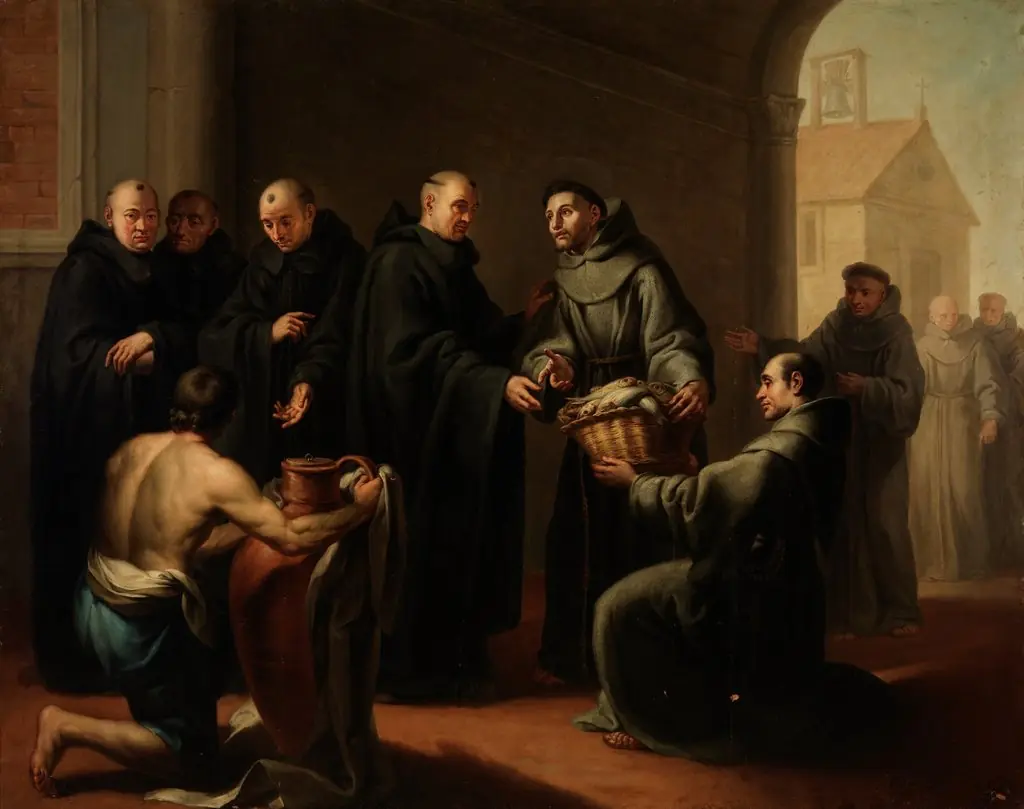 San Francisco recibiendo un cesto de peces
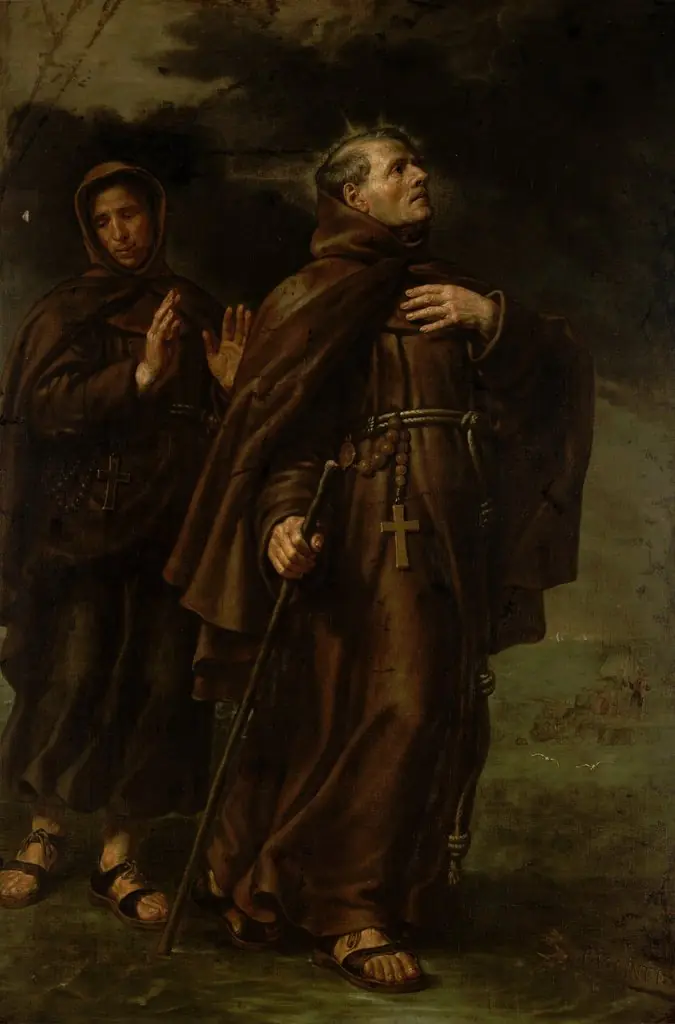 The Miracle of Saint John of Capestrano
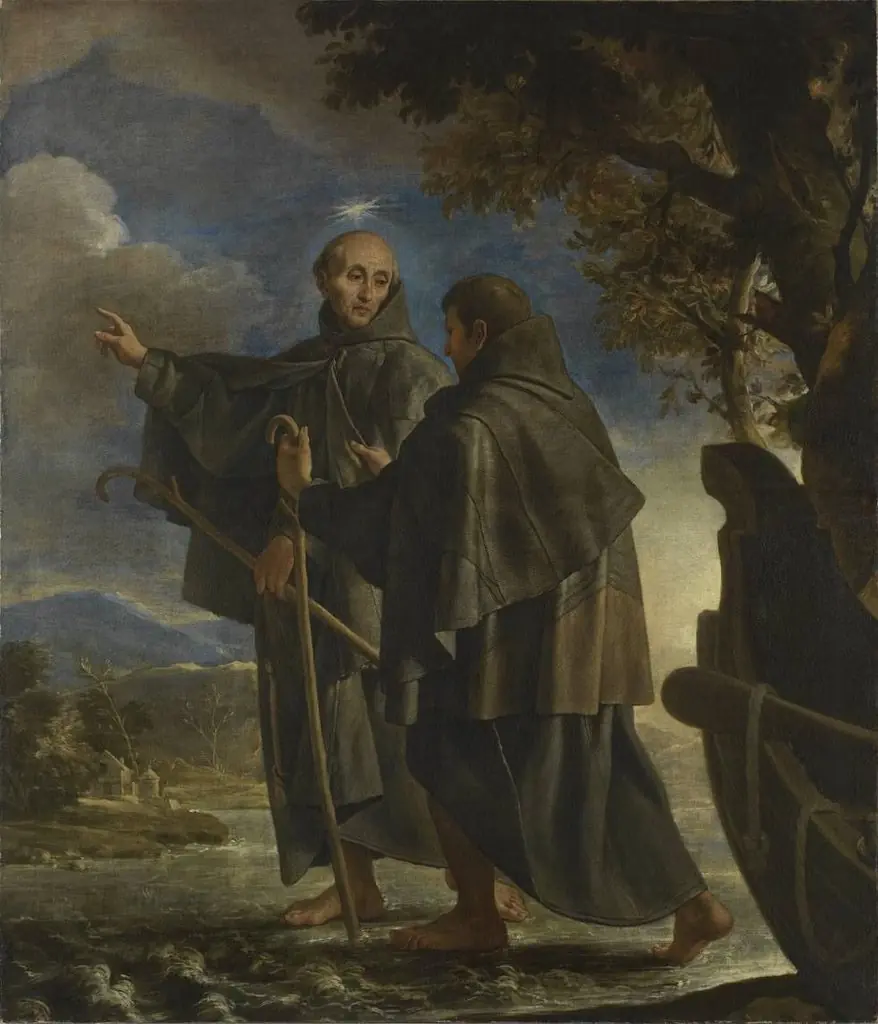 Der hl. Petrus von Alcántara wandelt über den Fluss Quadiana
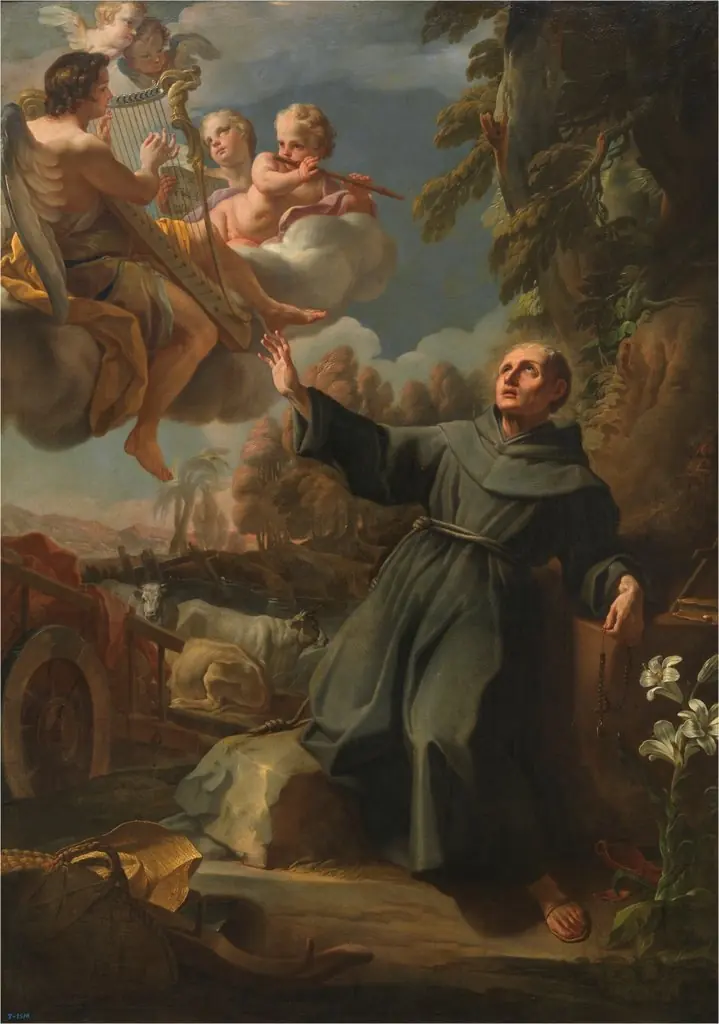 The Vision of the Blessed Sebastián Aparicio
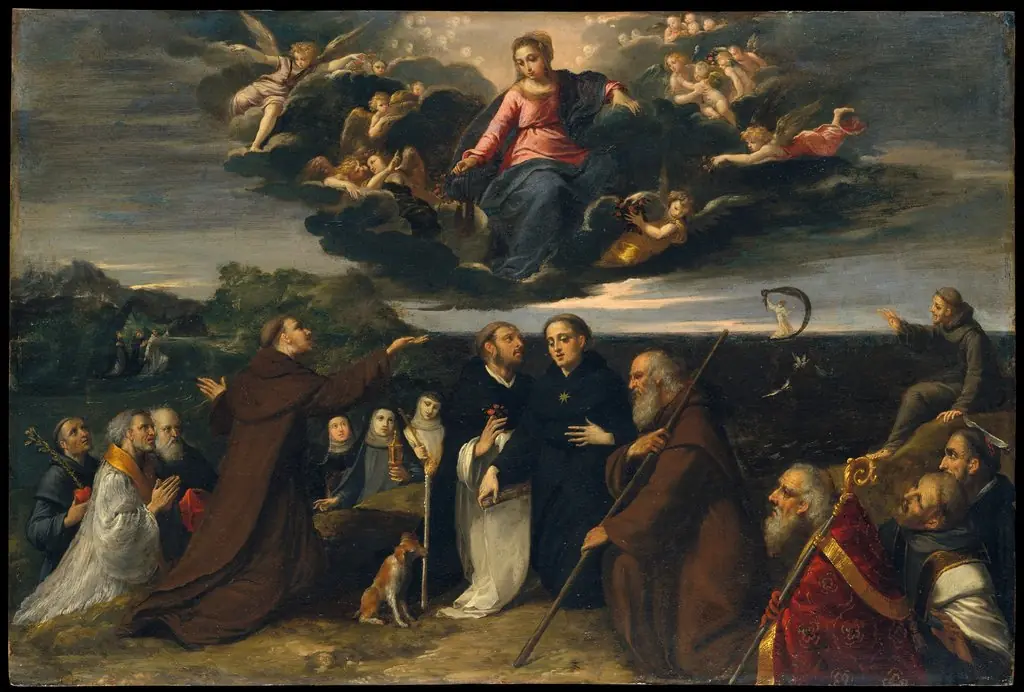 The Virgin Adored by Saints
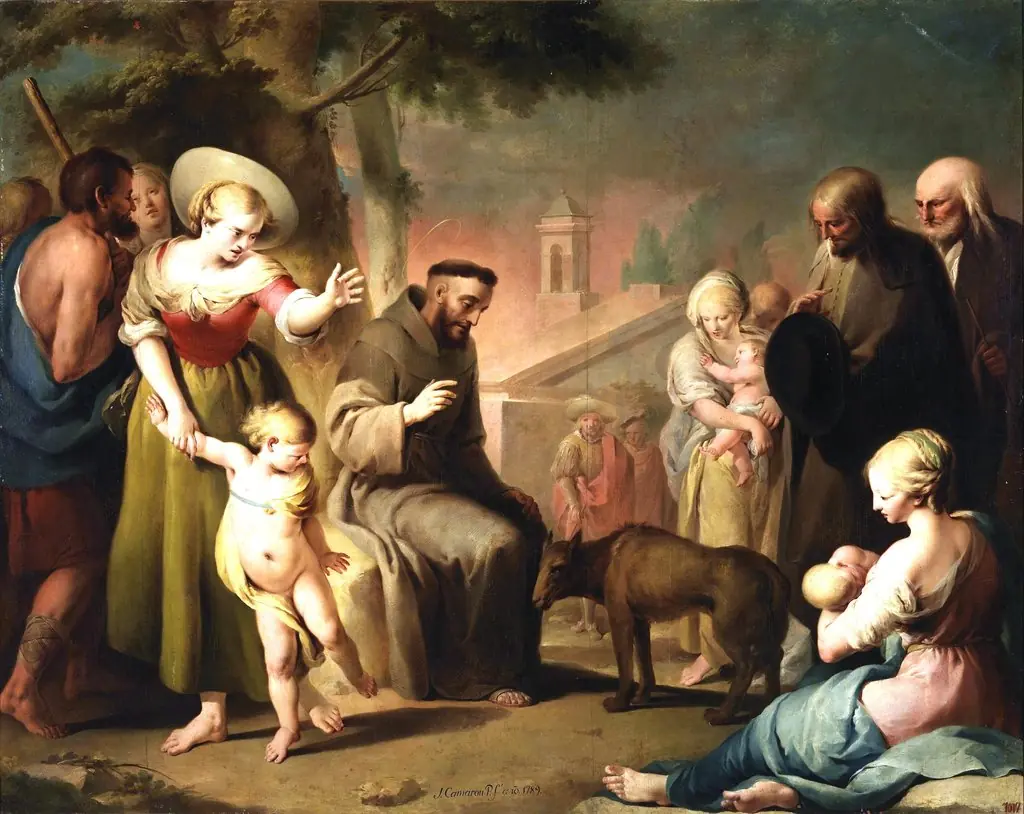 La conversión del lobo de Gubbio
 San Diego de Alcalá en las islas Canarias