Artwork
Michiel Coxie I. Triptiek Zijpaneel: Martelaarschap van Johannes de Evangelist
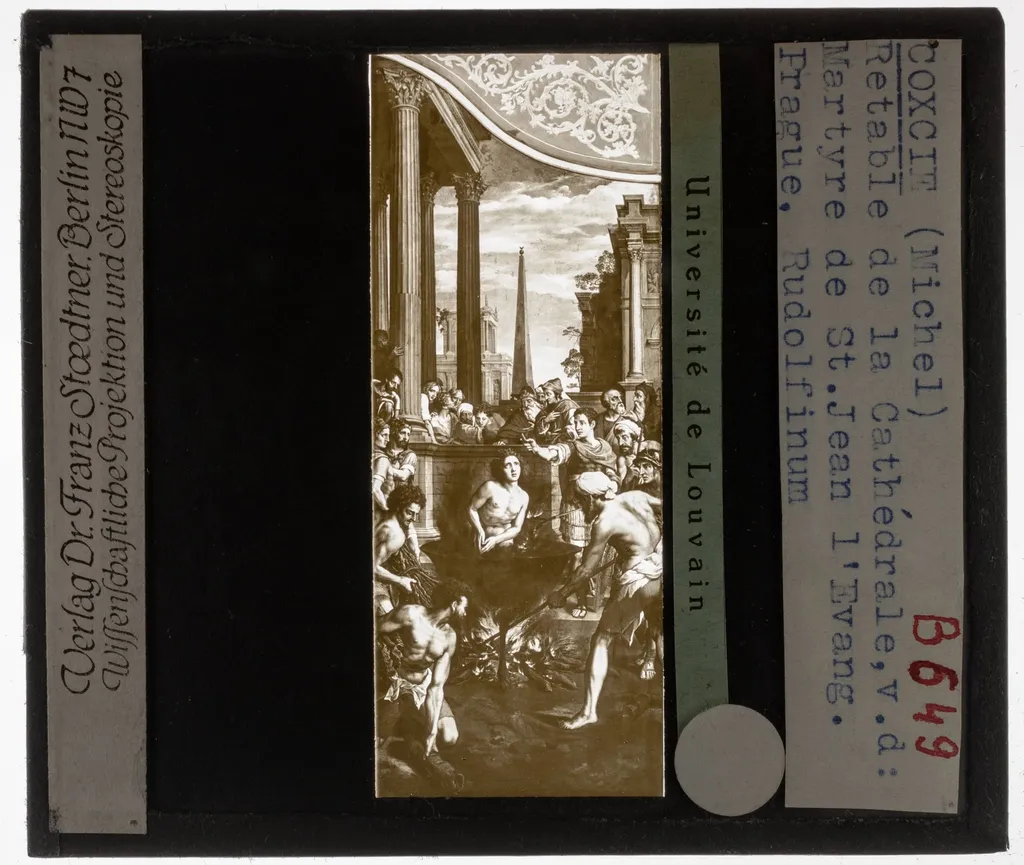
Michiel Coxie I. Triptiek Zijpaneel: Martelaarschap van Johannes de Evangelist is an unspecified painting by Michiel Coxie. It dates from 1579 and is held in the collection of the Catholic University of Leuven.
About this work
Overview
Executed in oil on wooden panel, it reflects the Northern Renaissance tradition of combining religious narrative with meticulous detail.
Painted between 1578 and 1580, this triptych panel by Michiel Coxie depicts the martyrdom of John the Evangelist. Executed in oil on wooden panel, it reflects the Northern Renaissance tradition of combining religious narrative with meticulous detail. The work is now held in the National Museum in Prague, having passed through European collections since its creation. Its quiet intensity distinguishes it from more theatrical depictions of martyrdom common in the period.
Subject & Meaning
The scene captures John the Evangelist kneeling in serene resignation as he prepares for flaying, a punishment traditionally associated with his martyrdom. The calmness of his posture contrasts sharply with the brutal act about to unfold. The executioners appear detached, their focus mechanical, reinforcing a sense of divine acceptance over human suffering. This quiet dignity elevates the moment from mere violence to spiritual testimony.
Technique & Style
Coxie employed oil on oak panel, a standard medium in 16th-century Flanders, allowing for fine detail and subtle tonal transitions. His rendering of skin, fabric, and light shows a strong influence from Albrecht Dürer’s precision and naturalism. Shadows fall with clinical clarity, enhancing the tactile realism of the figures. The composition avoids dramatic motion, favoring stillness to amplify emotional weight.
History & Provenance
The panel was likely part of a larger altarpiece commissioned for a religious institution in the Low Countries. It entered the collection of the National Museum in Prague through 19th-century acquisitions, possibly from Central European ecclesiastical sources. Its journey reflects the movement of Northern Renaissance works across Europe after the Reformation, when many religious artworks were dispersed or repurposed.
Context
Created during the later years of the Northern Renaissance, the painting responds to a cultural moment where religious imagery balanced doctrinal clarity with human emotion. While Catholic Europe still commissioned devotional art, Protestant regions favored simpler forms. Coxie’s work, rooted in Flemish tradition, maintained a restrained dignity that appealed to both devotional and aesthetic sensibilities of the time.
Legacy
Coxie’s treatment of martyrdom influenced later Northern artists seeking emotional restraint amid violent subjects. His ability to convey spiritual resolve through stillness and precise observation set a precedent for the transition from Mannerist drama to Baroque naturalism. Though less widely known than contemporaries, his work remains a quiet benchmark in 16th-century religious painting.
Artist & collection
Artist
Michiel Coxie the Elder, Michiel Coxcie the Elder or Michiel van Coxcie, Latinised name Coxius (1499 – 3 March 1592), was a Flemish painter of altarpieces and portraits, a draughtsman and a designer of stained-glass windows, tapestries and…
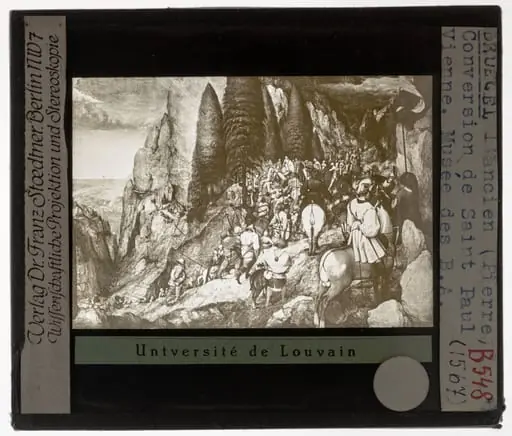 Pieter Brueghel the Elder. Conversion of Paul
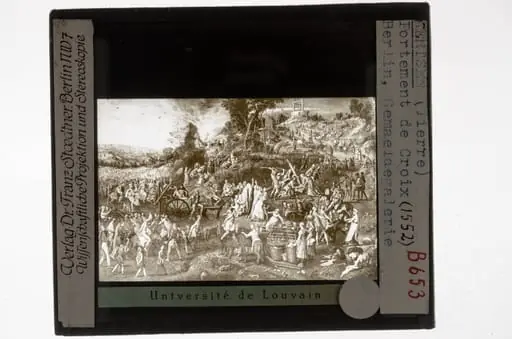 Pieter Aertsen. Crucifixion
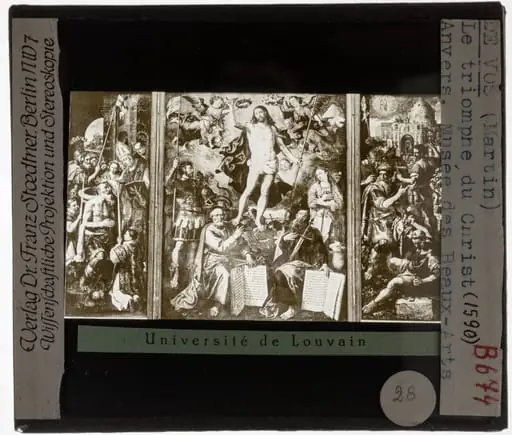 Maarten de Vos. Altaarstuk van de gilde van de oude voetboog
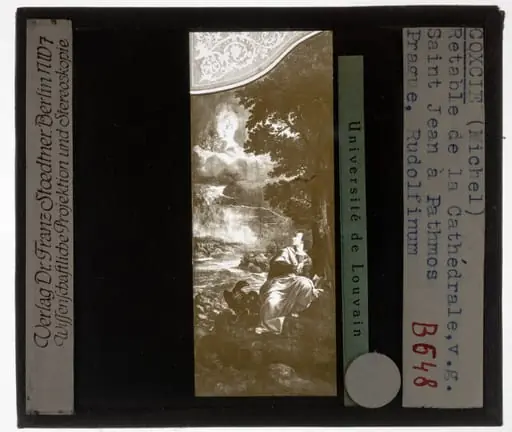 Michiel Coxie I. Triptiek Zijpaneel: Johannes de Evangelist in Patmos
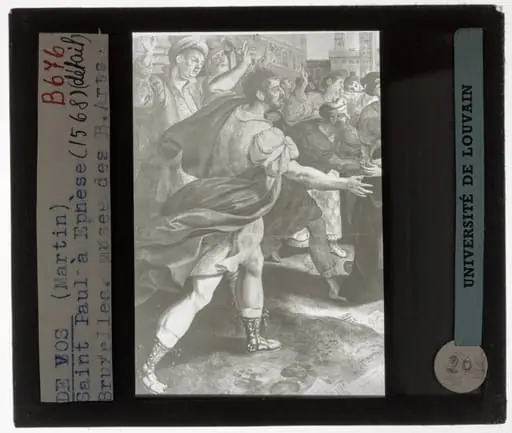 Maarten de Vos. De Heilige Paulus te Ephese Detail
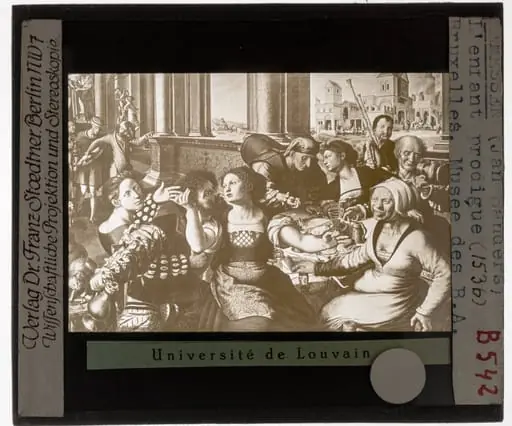 Jan van Hemessen. De verloren zoon
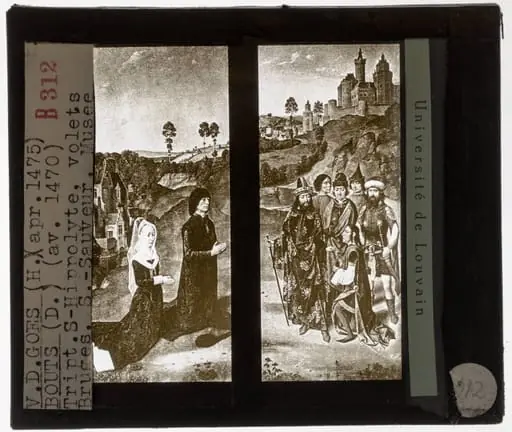 Dirk Bouts (en atelier). Hugo van der Goes. Anoniem. Triptiek met de Marteldood van de Heilige Hippolytus Zijpanelen, voorzijde
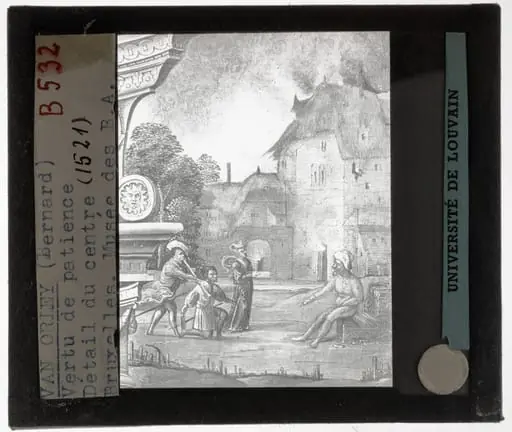 Bernard van Orley. Triptiek met de deugd van het Geduld Centraal paneel: Het feestmaal van Jobs kinderen, detail rechts boven
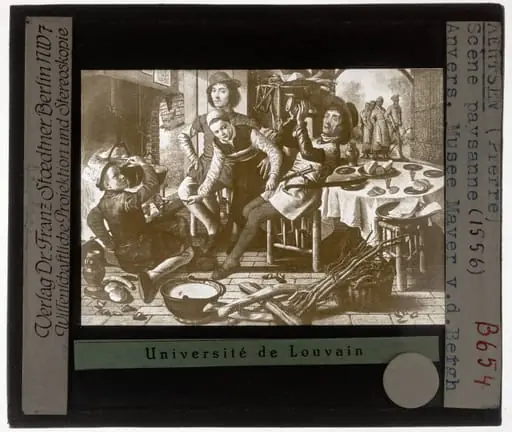 Pieter Aertsen. Boerengezelschap bij de haard
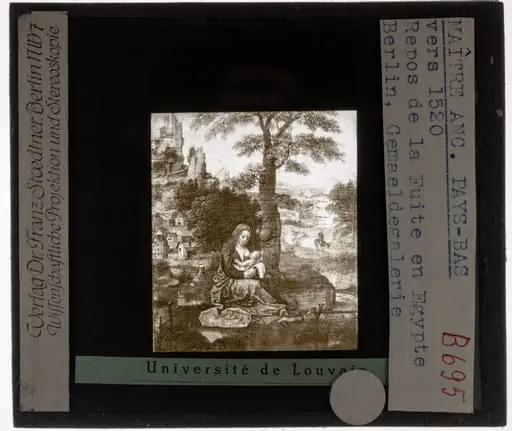 Anoniem (naar Joachim Patinir). Rust op de vlucht naar Egypte
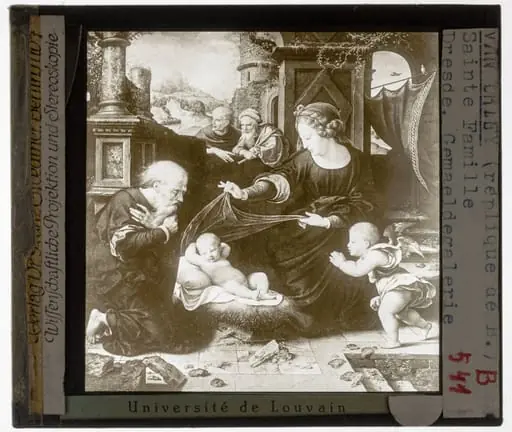 Bernard van Orley (kopie). Heilige Familie