Artwork
The Trinity
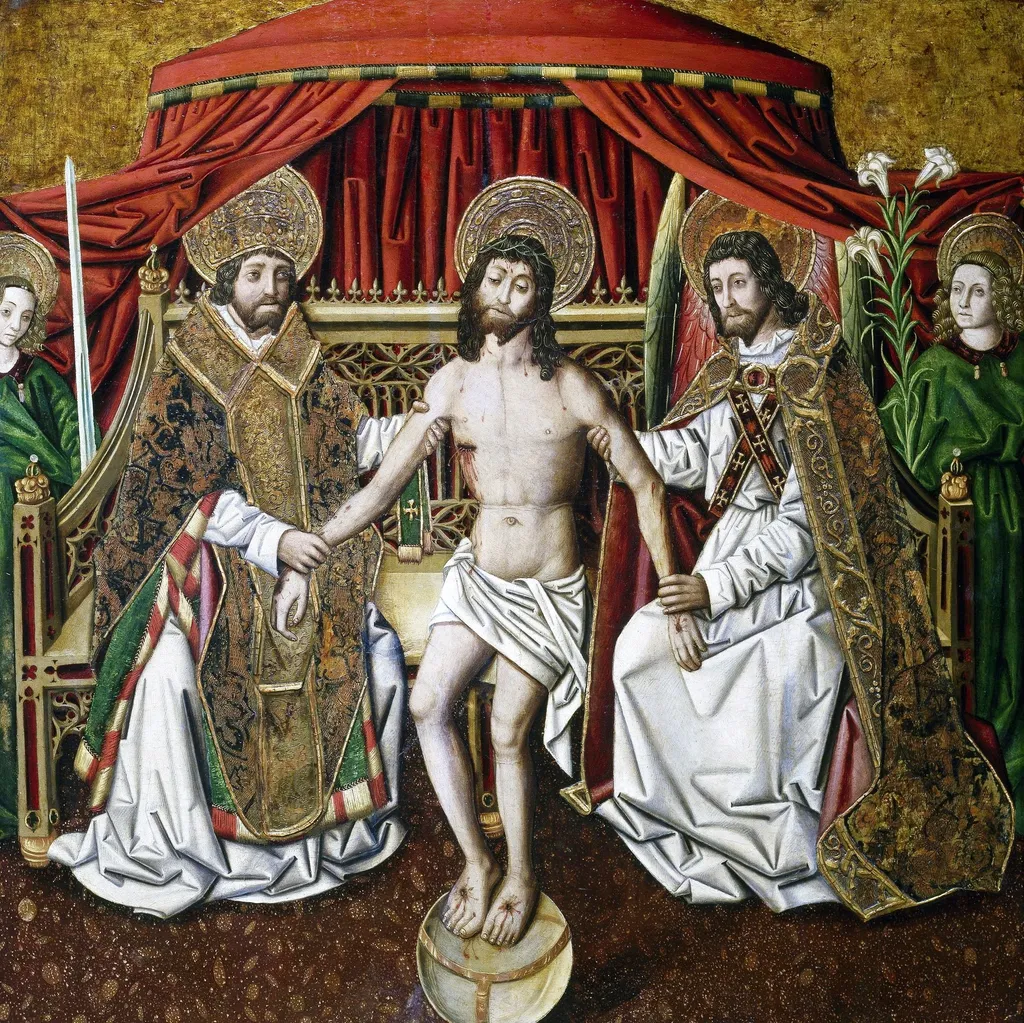
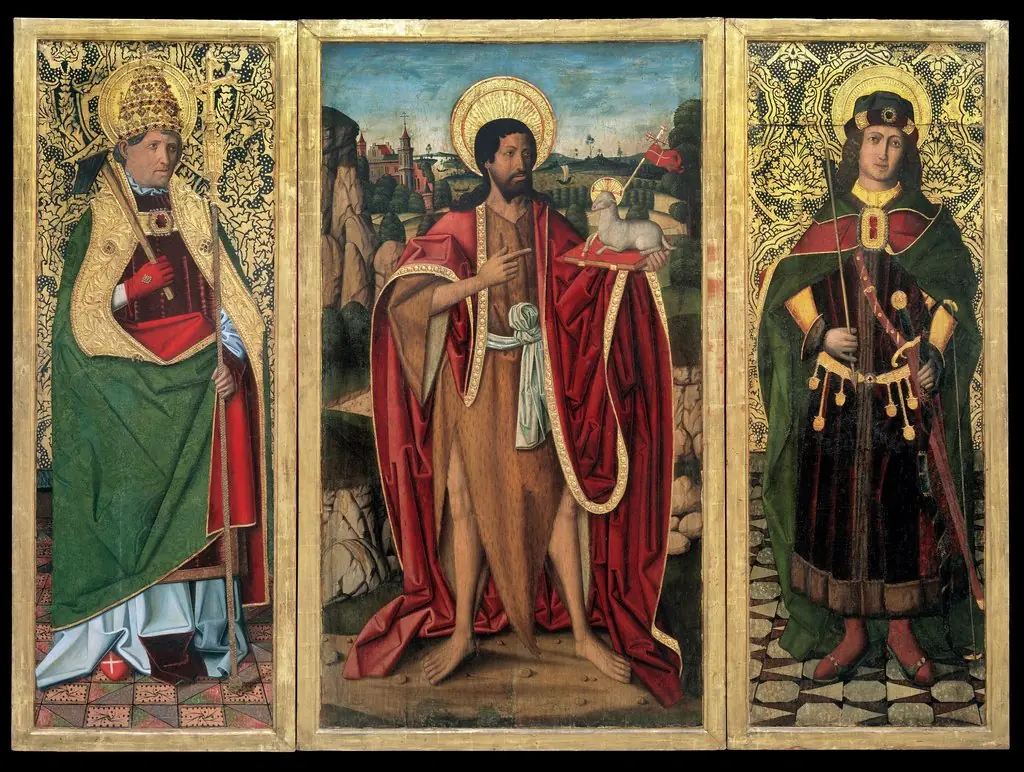
The Trinity is a mixed painting by the Early Renaissance artist Miguel Ximénez. It dates from 1490 and is held in the collection of the Museo del Prado.
About this work
Overview
Created circa 1490, *The Trinity* is a mixed‑technique panel by the Spanish Gothic painter Miguel Ximénez. Executed in the early Renaissance period, the work is part of the Prado Museum’s collection and illustrates a religious composition centered on the Holy Trinity.
Subject & Meaning
The painting presents three solemn figures in richly embroidered garments. The central figure occupies a throne, while the flanking figures stand on either side; one of them holds a sword, a symbolic element often associated with divine authority or martyrdom. A deep red curtain forms the backdrop, enhancing the solemn atmosphere.
Technique & Style
Ximénez combines several media to achieve texture and depth, rendering the fabrics, throne, and sword with meticulous detail. The layered application of pigments and tempera creates a tactile surface, while subtle modeling produces a convincing sense of three‑dimensional space, characteristic of the transitional Gothic‑Renaissance style.
History & Provenance
Active in Saragossa between 1462 and 1505, Miguel Ximénez served as court painter to Ferdinand II of Aragon from 1484. *The Trinity* entered the Museo del Prado’s holdings in the 20th century, reflecting the museum’s focus on Spanish Renaissance art.
Legacy
Ximénez’s work displays the refined realism that would later inform artists such as Bartolomé Bermejo and Martín Bernat. He often collaborated with his son, Juan Ximénez, suggesting a workshop environment that contributed to the dissemination of his stylistic approaches across Aragonese painting.
Artist & collection
Artist
Miguel Ximénez (Pareja -Guadalajara-, 15th century) was a Spanish Gothic painter.

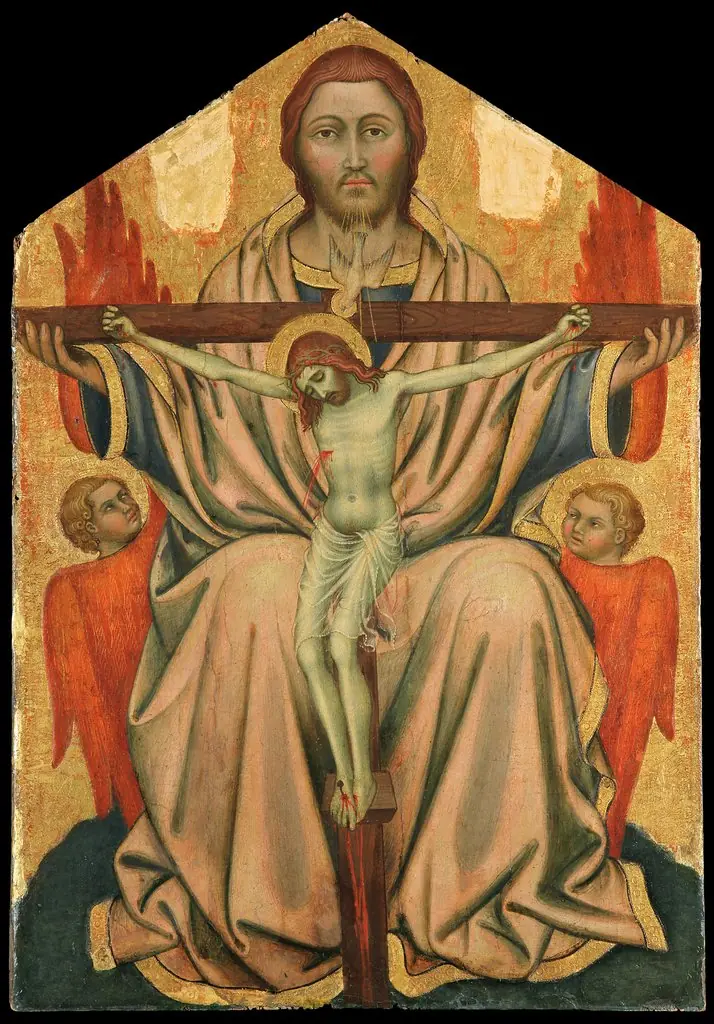 The Holy Trinity (Seat of Mercy)
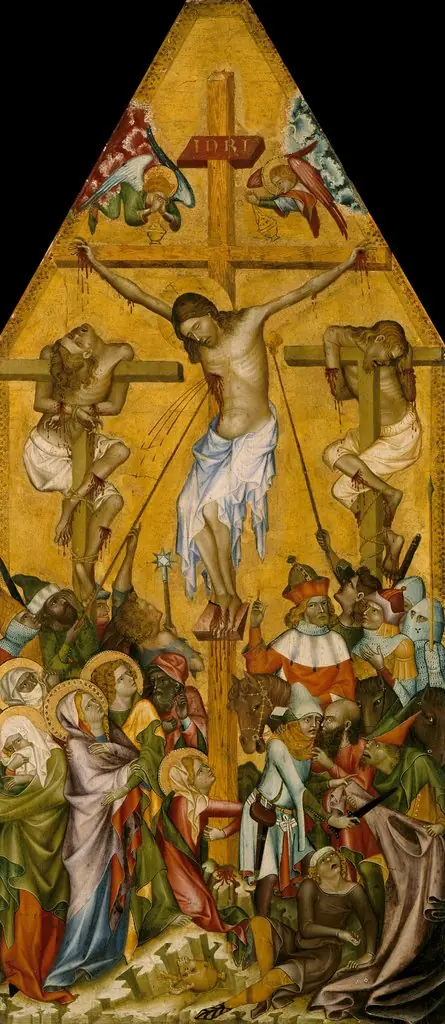 The Crucifixion of Christ
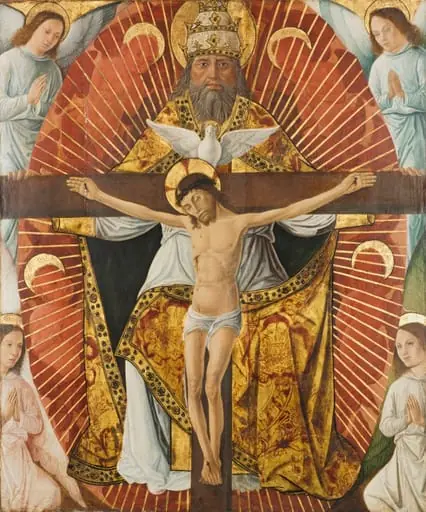 The Trinity
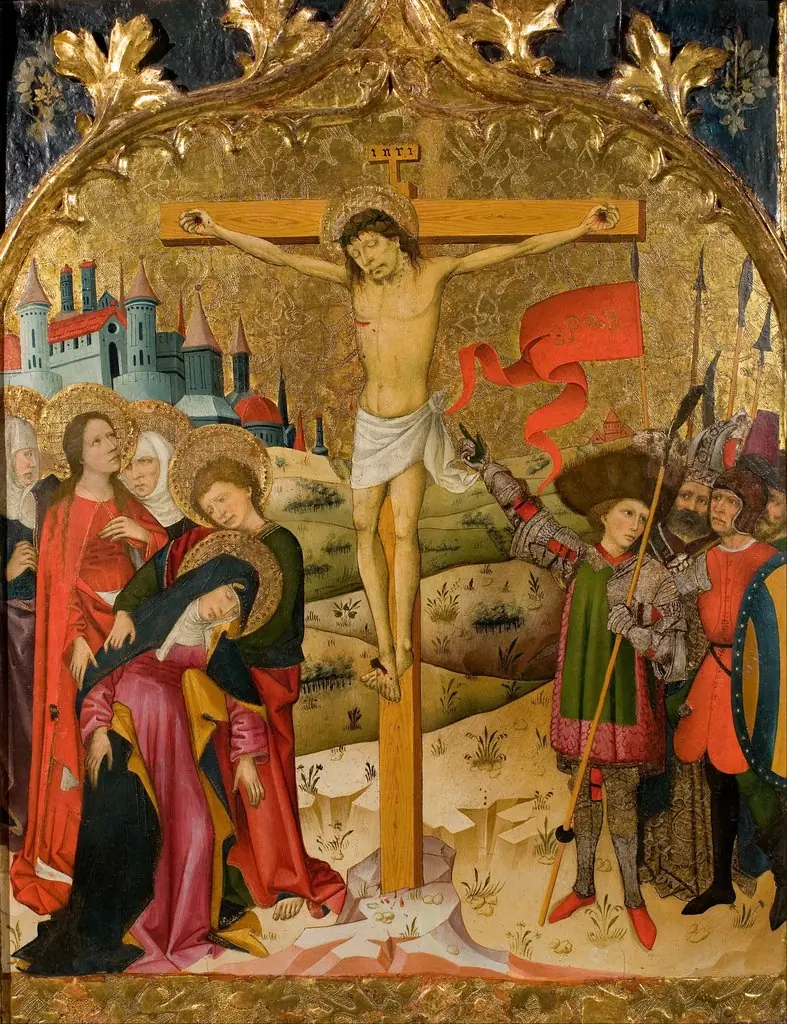 Calvary
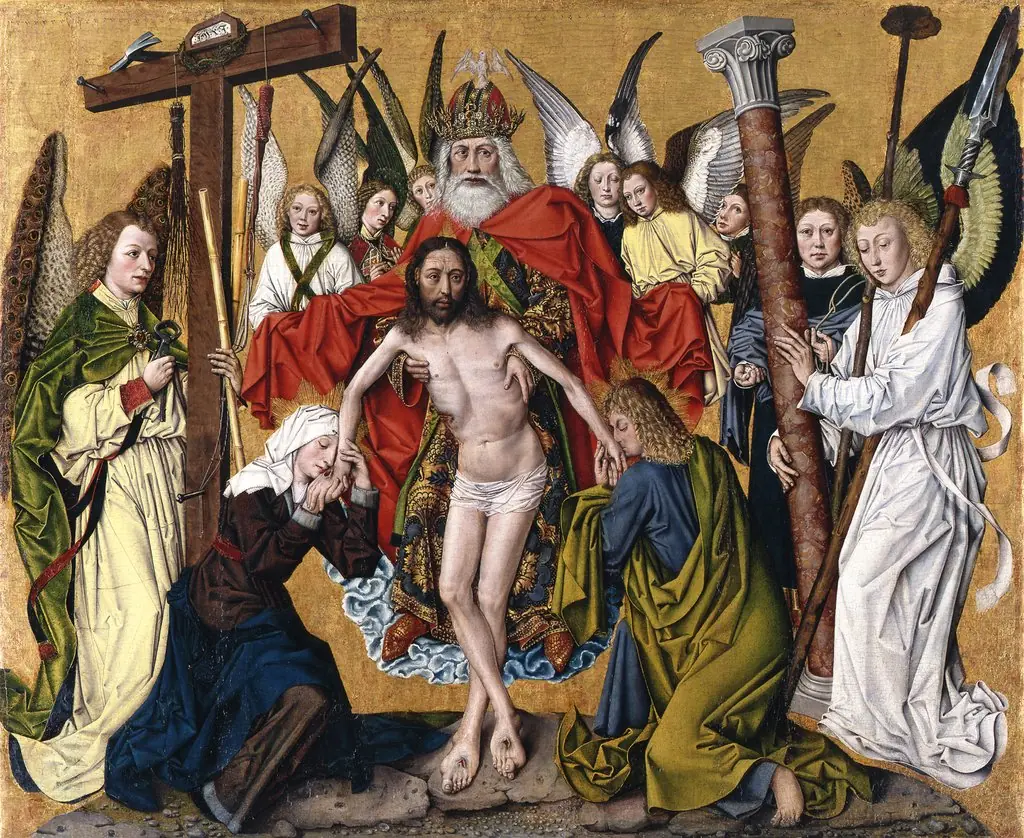 The Throne of Mercy with the Virgin, St. John, and Angels with the Arma Christi
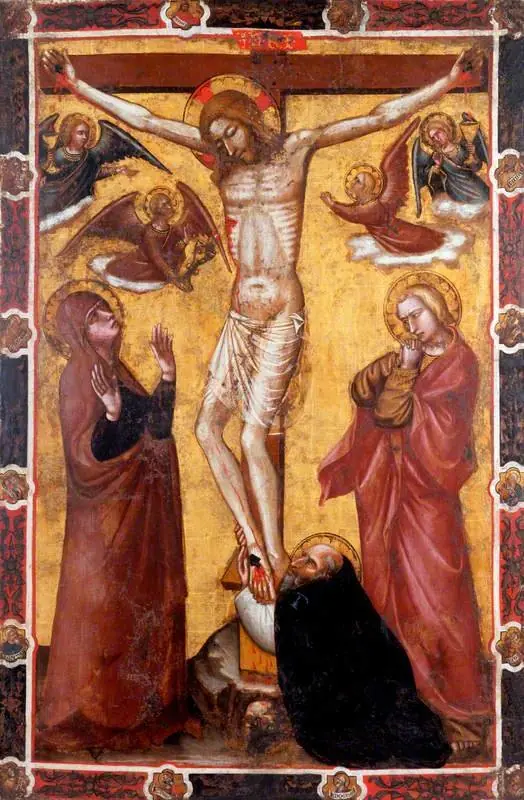 The Crucifixion with the Virgin and Saint John; Saint Anthony Abbot at the Foot of the Cross (one side of a processional banner) (formerly attributed to Barnaba da Modena)
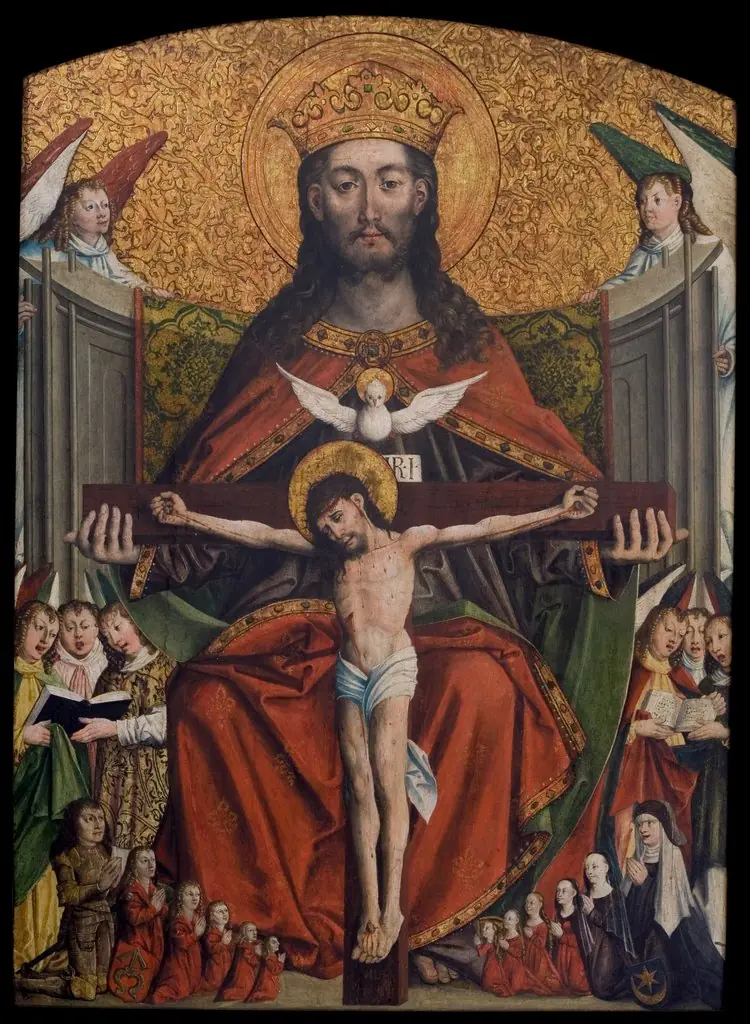 Holy Trinity. Votive painting of Jakub Dębiński, from the Parish Church of St Margaret in Dębno near Brzesko
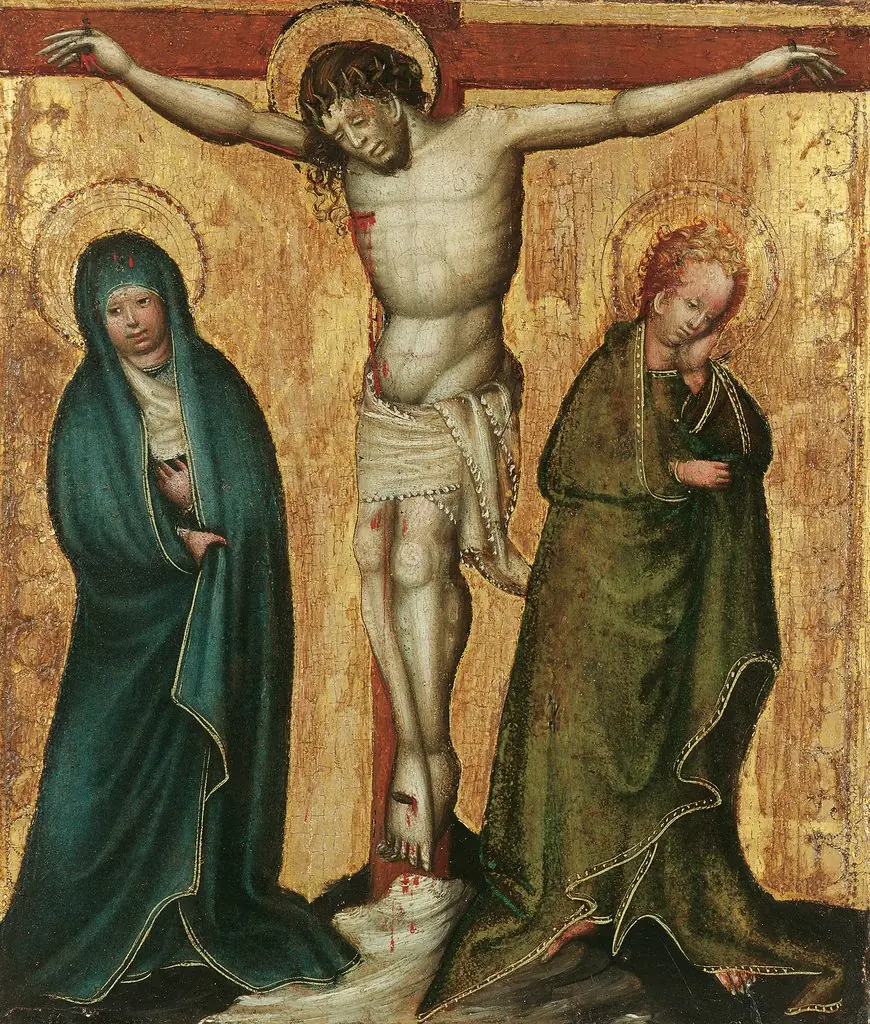 Dreifigurige Kreuzigung
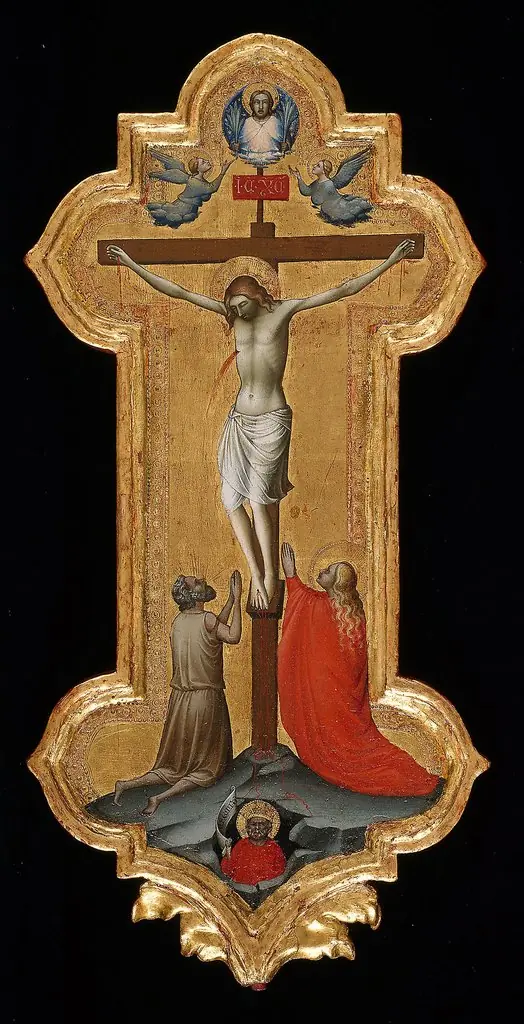 Processional Cross