Artwork
Portrait of Marie Lemasson
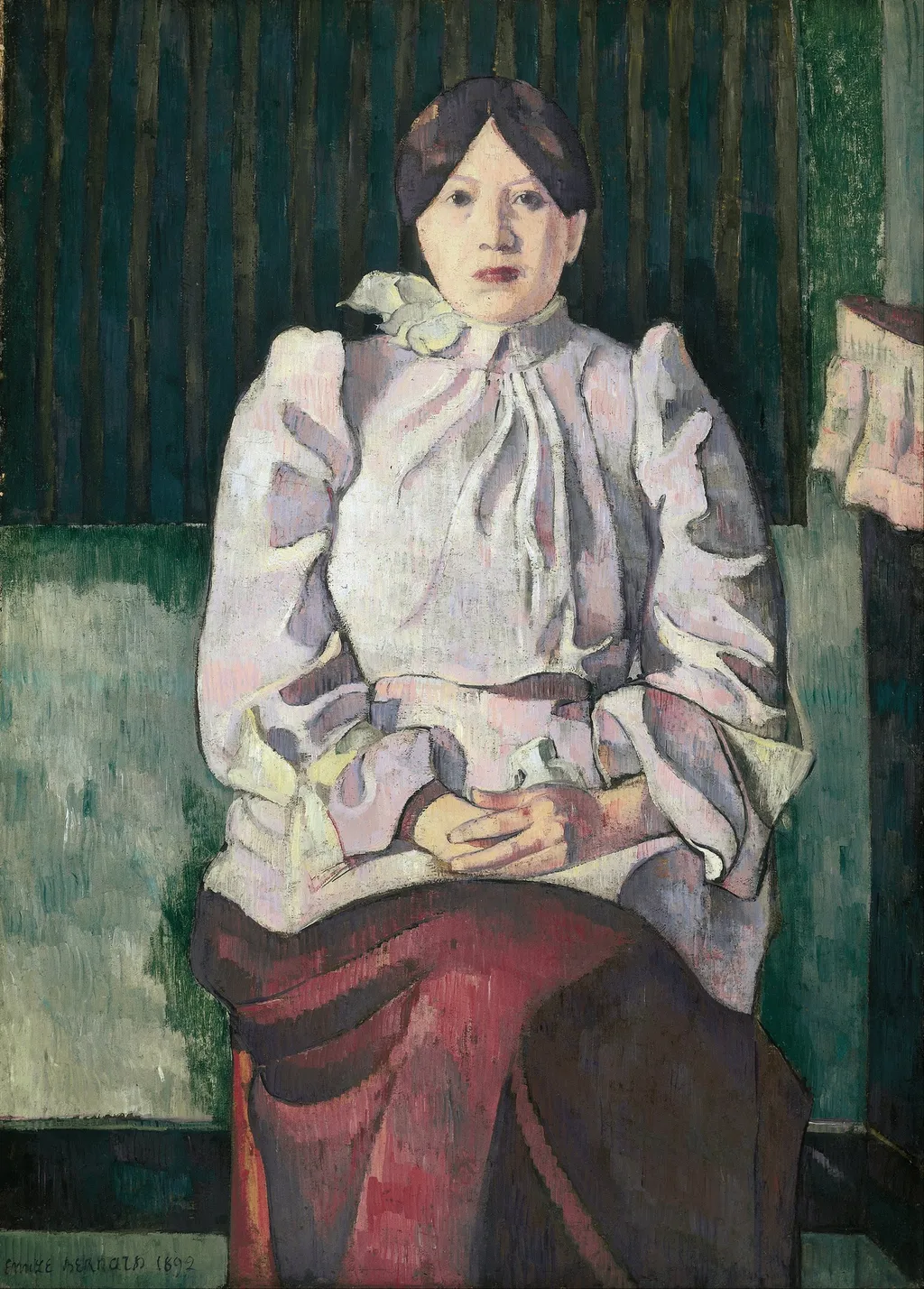
Portrait of Marie Lemasson is an oil painting by the Post-Impressionist artist Émile Bernard. It dates from 1896 and is held in the collection of the Israel Museum.
About this work
Overview
The painting reflects Bernard’s engagement with Synthetism, emphasizing simplified forms and expressive hues over naturalistic detail.
Painted in 1896, *Portrait of Marie Lemasson* is an oil on canvas work by French artist Émile Bernard. It captures a seated woman in a composed, frontal pose, rendered with deliberate flatness and bold color contrasts. The painting reflects Bernard’s engagement with Synthetism, emphasizing simplified forms and expressive hues over naturalistic detail. It resides today in the collection of the Israel Museum in Jerusalem.
Subject & Meaning
The subject, Marie Lemasson, is portrayed with quiet dignity, her neutral gaze and still posture suggesting introspection rather than narrative. Her attire—a white blouse with puffed sleeves and a deep red skirt—contrasts sharply with the striped green wall behind her, reinforcing a sense of quiet isolation. The absence of overt emotion or context invites contemplation of the sitter’s inner state, consistent with Bernard’s interest in symbolic representation over realism.
Technique & Style
Bernard employs Cloisonnist techniques, using dark outlines to separate areas of flat, unmodulated color. The background’s vertical green stripes create rhythmic structure, while the subject’s clothing is rendered in solid blocks of white and red, minimizing shadow and volume. This stylized approach prioritizes emotional resonance over spatial illusion, aligning with Synthetist principles that sought to distill visual experience into essential forms and colors.
History & Provenance
The painting was completed during Bernard’s mature period, following his time in Pont-Aven and his collaborations with Gauguin and other Post-Impressionists. It entered the Israel Museum’s collection in the 20th century, though its earlier ownership history remains undocumented. Its presence in Jerusalem reflects broader postwar efforts to assemble significant European modernist works outside traditional Western institutions.
Context
Created in 1896, the portrait emerged amid a shift in French art away from Impressionism toward symbolic and decorative modes. Bernard, influenced by Japanese prints and medieval stained glass, rejected naturalism in favor of expressive simplification. This work aligns with contemporaneous efforts by artists like Denis and Serusier to infuse painting with spiritual and emotional weight through formal restraint.
Legacy
Though less widely known than his peers, Bernard’s *Portrait of Marie Lemasson* exemplifies the quiet innovation of Synthetism. Its restrained palette and structured composition influenced later modernists interested in abstraction and emotional economy. The painting endures as a testament to Bernard’s role in redefining portraiture through symbolic form rather than psychological realism.
Own this work as a print
Artist & collection
Artist
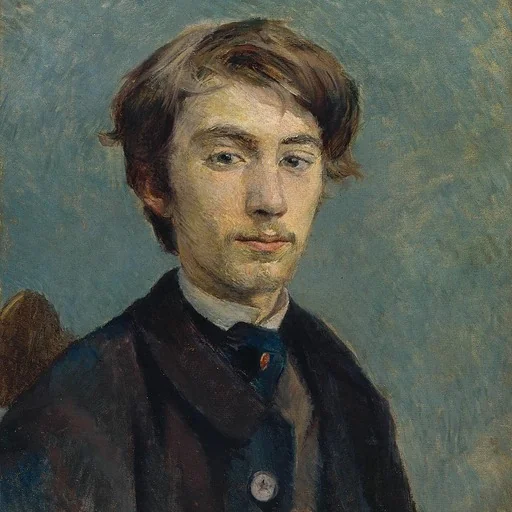
Émile Henri Bernard (French pronunciation: ; 28 April 1868 – 16 April 1941) was a French Post-Impressionist painter and writer, who had artistic friendships with Vincent van Gogh, Paul Gauguin and Eugène Boch, and at a later time, Paul…

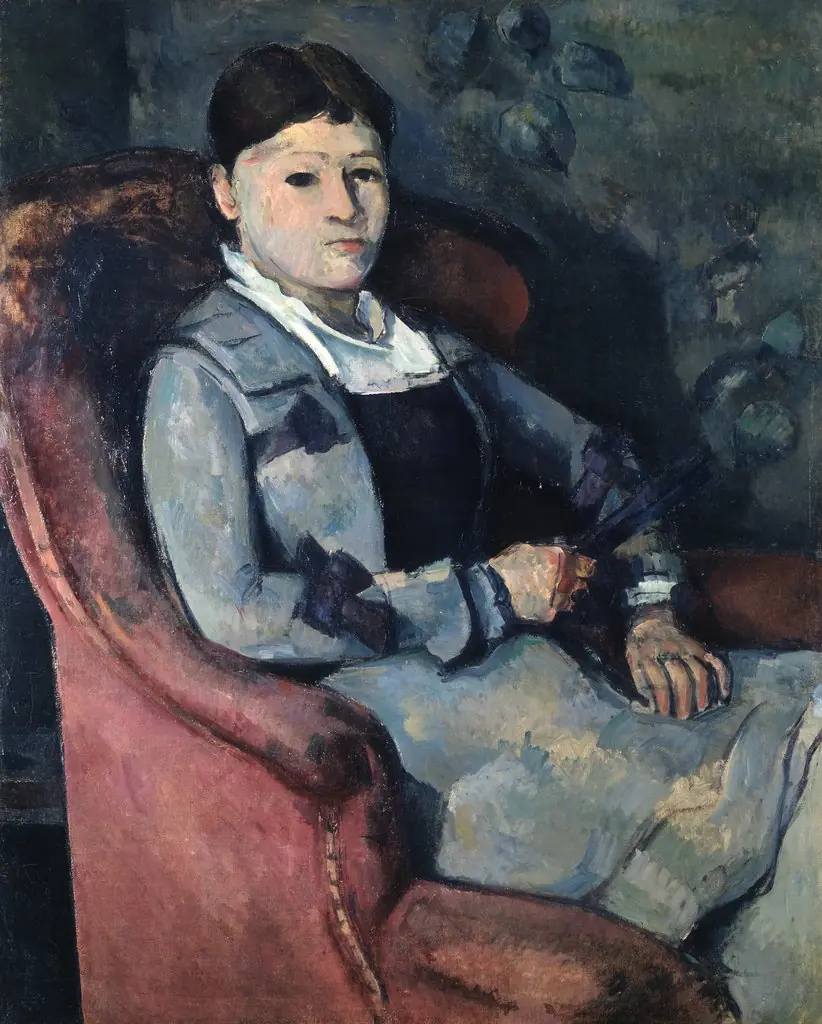 Portrait of Mme. Cézanne
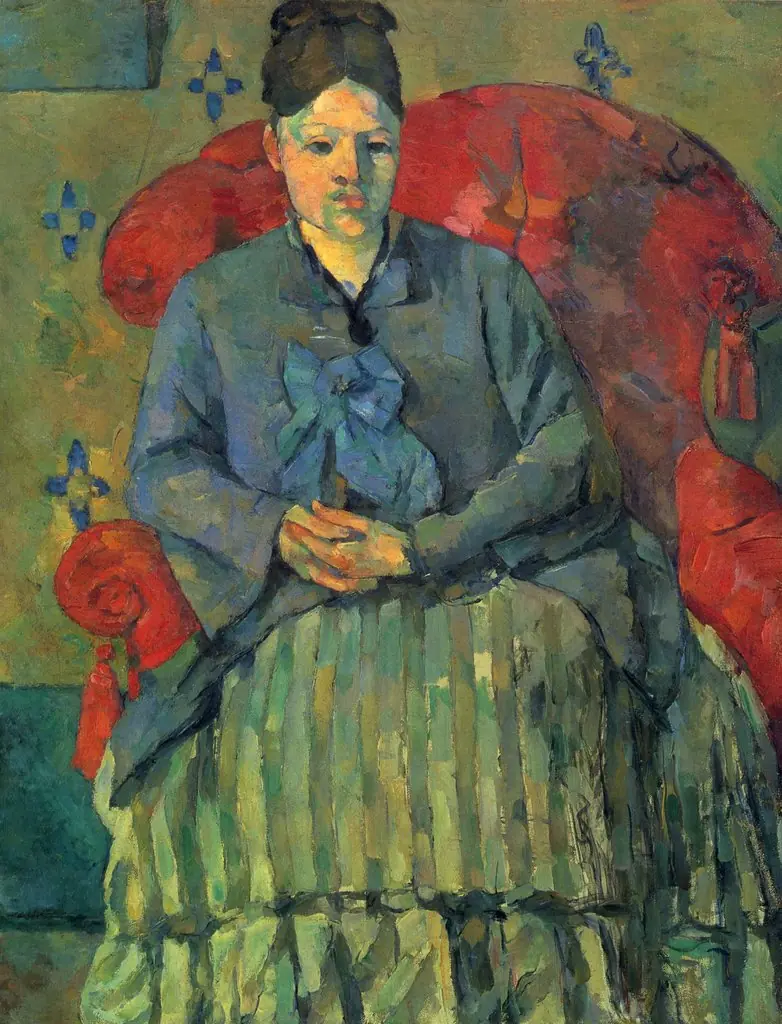 Madame Cézanne à la jupe rayée (Madame Cézanne in a Red Armchair)
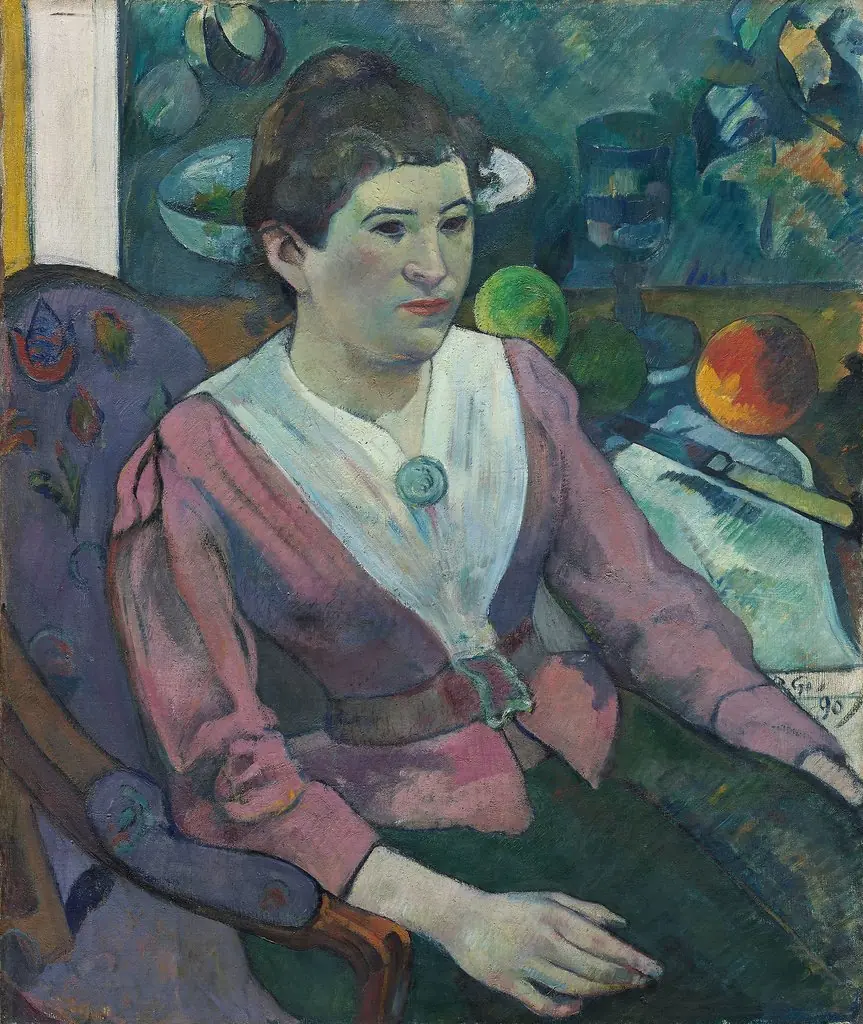 Woman in Front of a Still Life by Cézanne
 Woman in Front of a Still Life by Cezanne
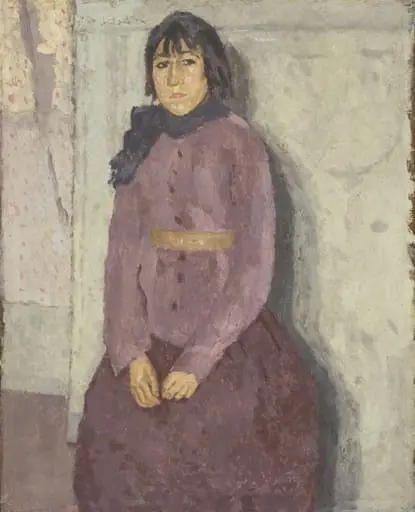 Untitled
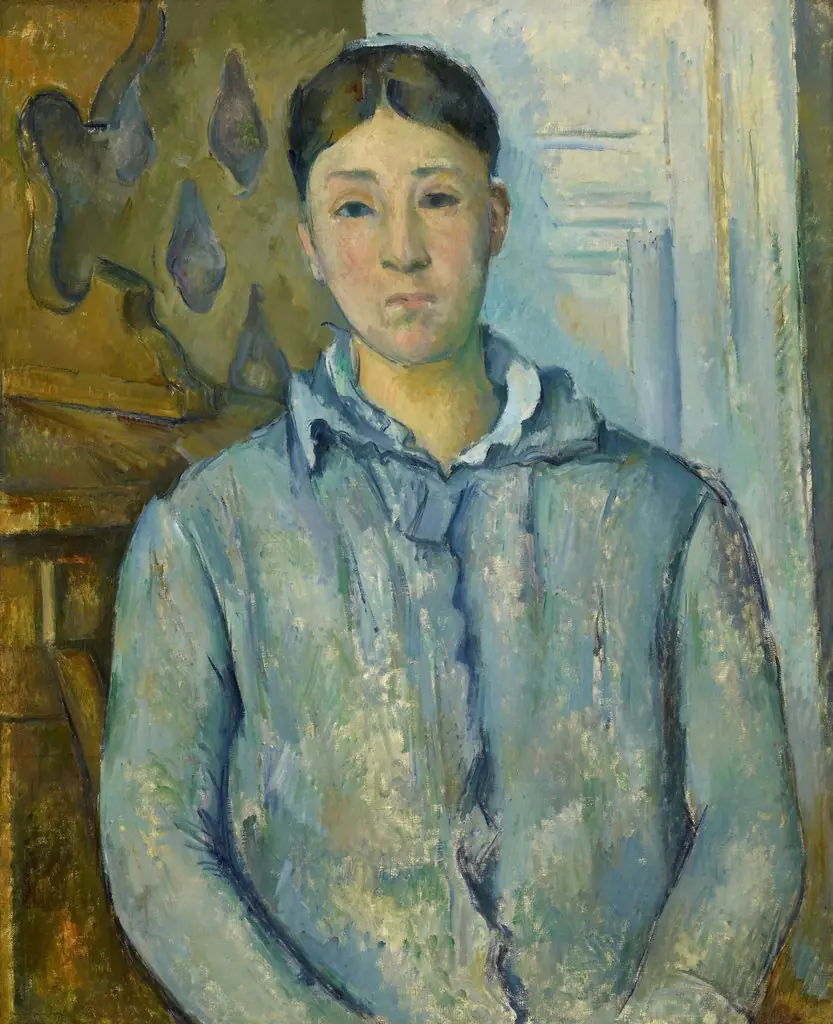 Madame Cézanne in Blue
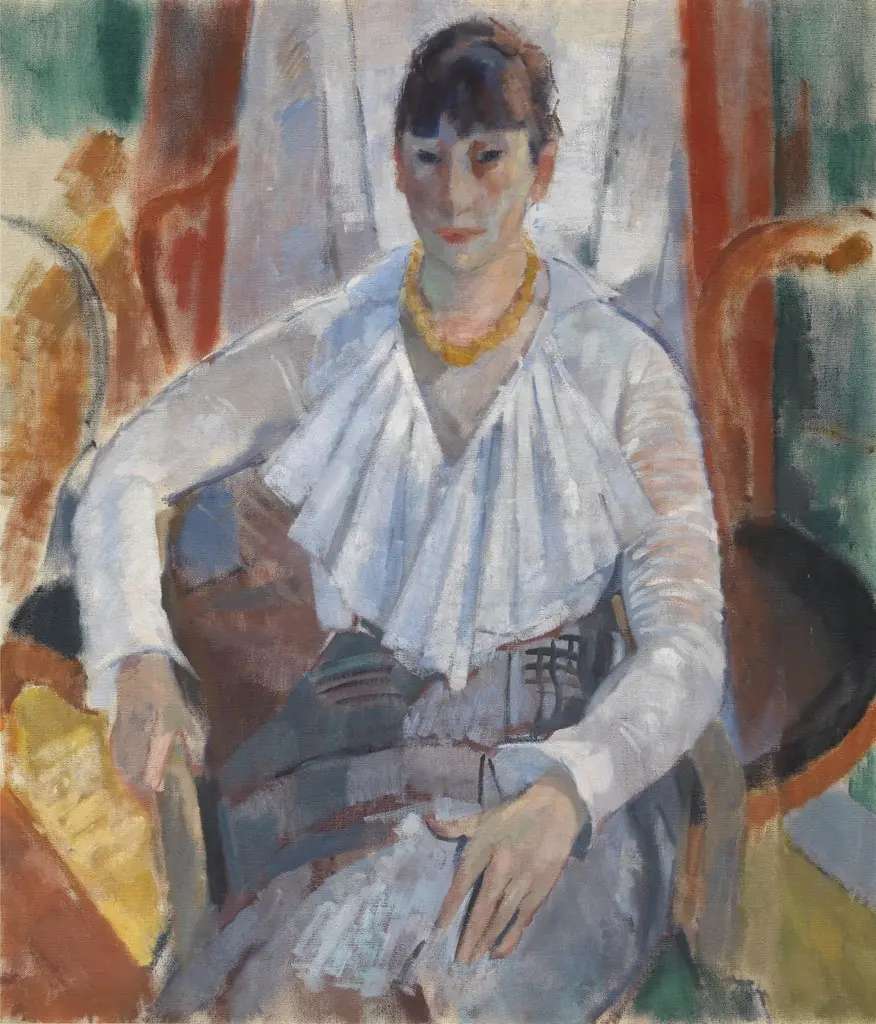 Woman in White
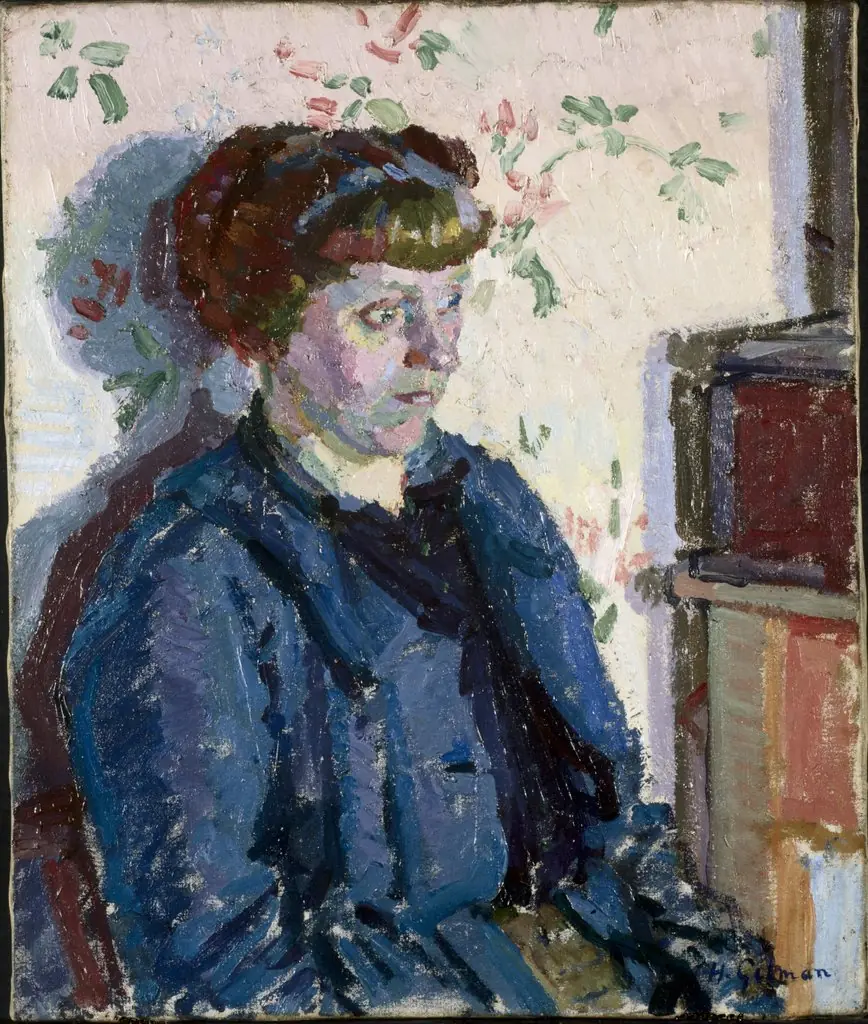 Sylvia Gosse
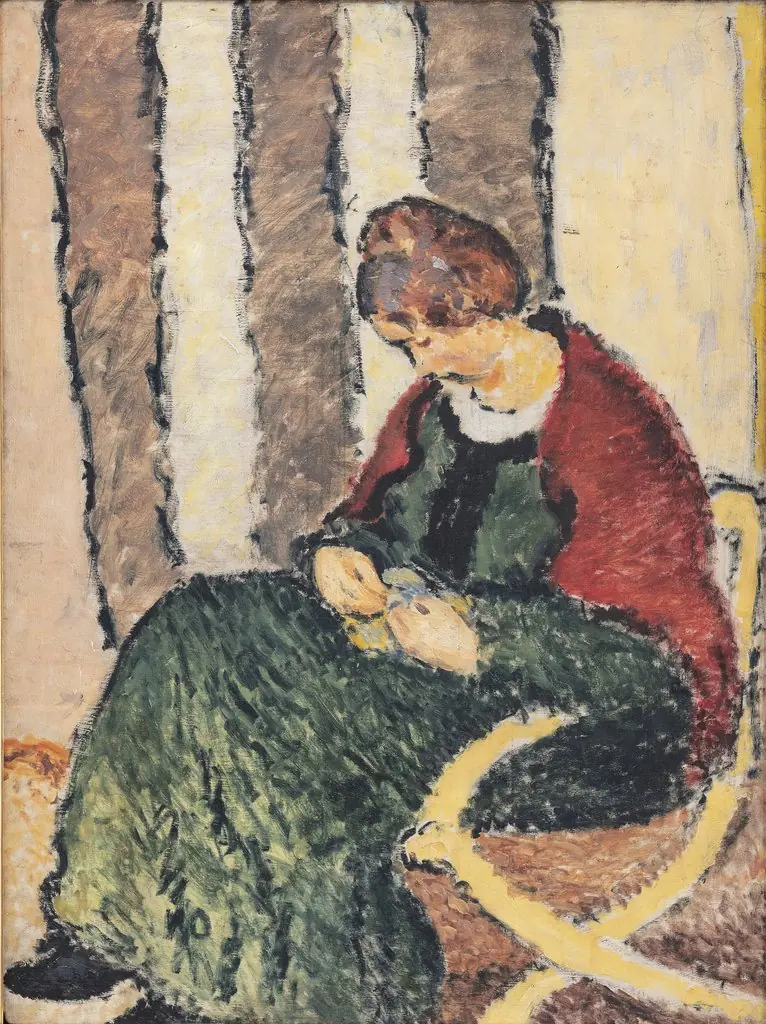 The Artist's Sister, Anna Giersing, Wearing a Red Shawl
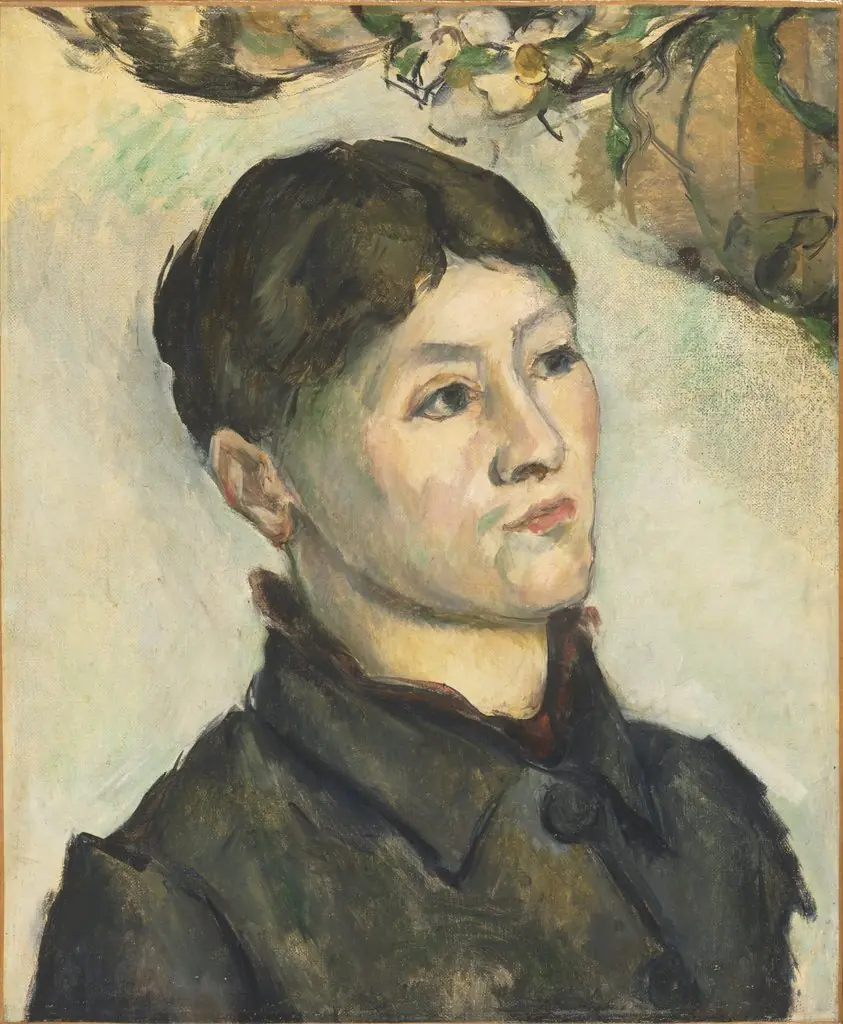 Portrait of Madame Cézanne
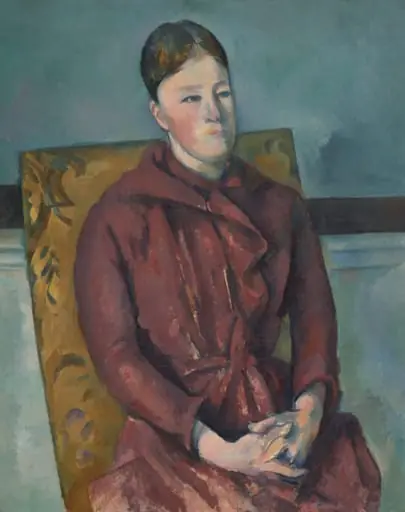 Madame Cezanne in a Yellow Chair
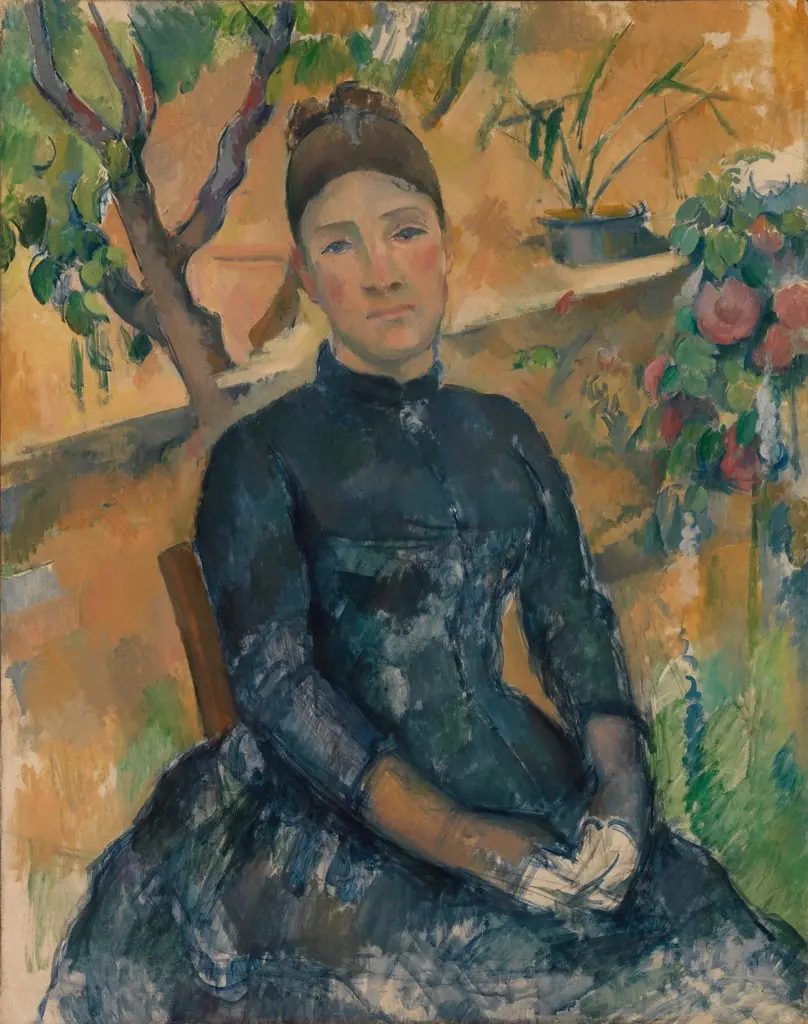 Madame Cézanne (Hortense Fiquet, 1850–1922) in the Conservatory