Artwork
Portrait of a Qajar Man
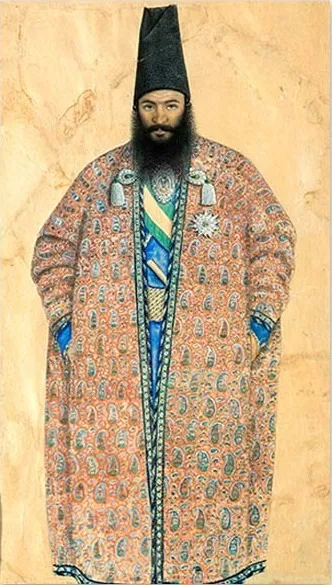
Portrait of a Qajar Man is a watercolor painting by Mirza Abolhassan Khan Ghaffari. It dates from 1850 and is held in the collection of the Museum of the Islamic Era.
About this work
Overview
Sani al-Mulk, who served as Chief Court Painter before traveling to Europe, employed delicate watercolor techniques to render the subject with quiet precision.
Created around 1850 by Mirza Abolhassan Khan Ghaffari Kashani, known as Sani al-Mulk, this watercolor portrait depicts a Qajar-era nobleman. Sani al-Mulk, who served as Chief Court Painter before traveling to Europe, employed delicate watercolor techniques to render the subject with quiet precision. The work is part of the National Museum of Iran’s collection and exemplifies the fusion of Persian visual traditions with emerging European influences in mid-19th-century Iranian art.
Subject & Meaning
The sitter is portrayed in formal attire, suggesting high social standing. His tall black hat and elaborately patterned robe, accented by a blue and yellow sash, reflect Qajar aristocratic dress codes. Hands tucked into the robe convey composure and dignity, common in portraiture of the time. The absence of overt symbolism or setting shifts focus to the individual’s presence, emphasizing status through attire rather than narrative context.
Technique & Style
Sani al-Mulk used transparent watercolor layers to achieve subtle tonal gradations and fine detail in the robe’s intricate patterns. The glazing technique allowed for depth in the orange, blue, and green motifs without obscuring the fabric’s texture. The light, mottled background isolates the figure, enhancing the focus on facial expression and textile detail. His training in miniature painting informed the precision of line and color application.
History & Provenance
The portrait was likely commissioned during Sani al-Mulk’s tenure at the Qajar court, prior to his travels to Italy in the 1840s. It reflects the artistic environment of Tehran before significant Western stylistic influences became dominant. The work entered the National Museum of Iran’s collection in the 20th century, preserving its place as a document of elite Qajar visual culture and the artist’s evolving practice.
Context
In mid-19th century Iran, portraiture was increasingly valued as a marker of personal and political identity. While traditional Persian miniatures emphasized symbolic composition, Qajar artists like Sani al-Mulk began integrating naturalistic rendering and individualized features. This portrait sits at the intersection of indigenous aesthetics and the early adoption of European observational methods, mirroring broader cultural shifts under Mohammad Shah’s reign.
Legacy
Sani al-Mulk’s work, including this portrait, helped bridge Persian miniature traditions with emerging realist tendencies in Iranian art. His technical mastery in watercolor influenced later court artists and contributed to the development of a distinct Qajar visual language. Though not widely exhibited internationally, the portrait remains a key reference for understanding the transition in Iranian painting during the 19th century.
Artist & collection
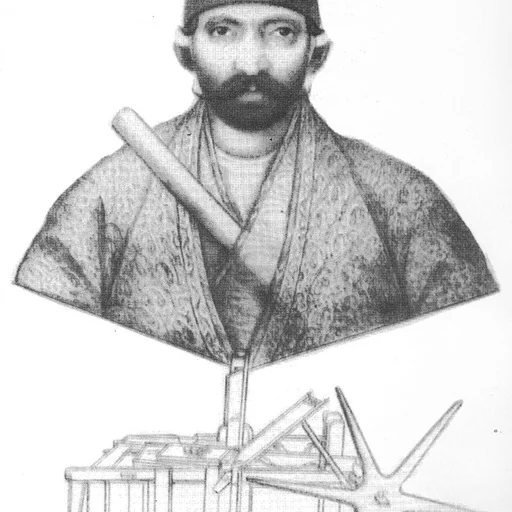
Artist
Mirza Abolhassan Khan Ghaffari
Mirza Abu'l-Hasan Khan Ghaffari Kashani (Persian: میرزا ابوالحسن خان غفاری کاشانی; 1814–1866) was an Iranian painter, miniature and lacquer artist, and book illustrator.

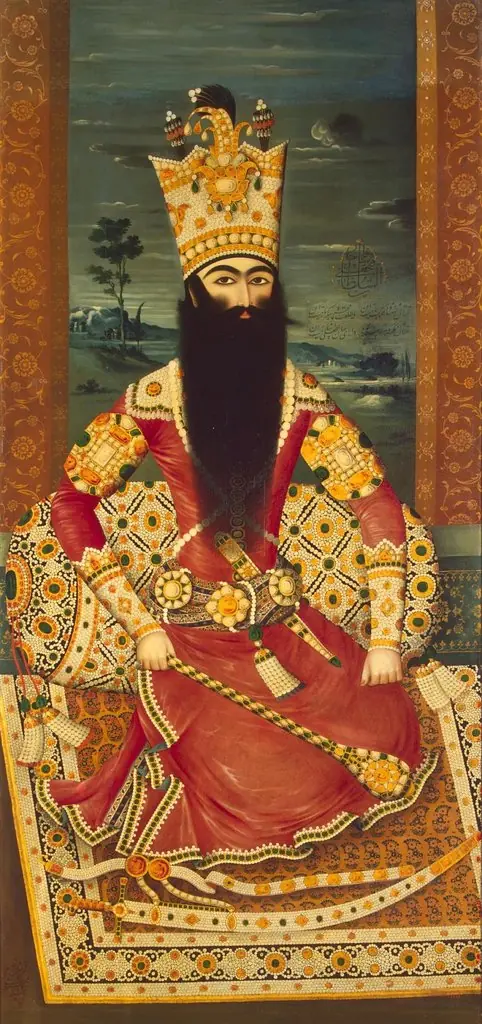 Portrait of Fath Ali Shah Seated
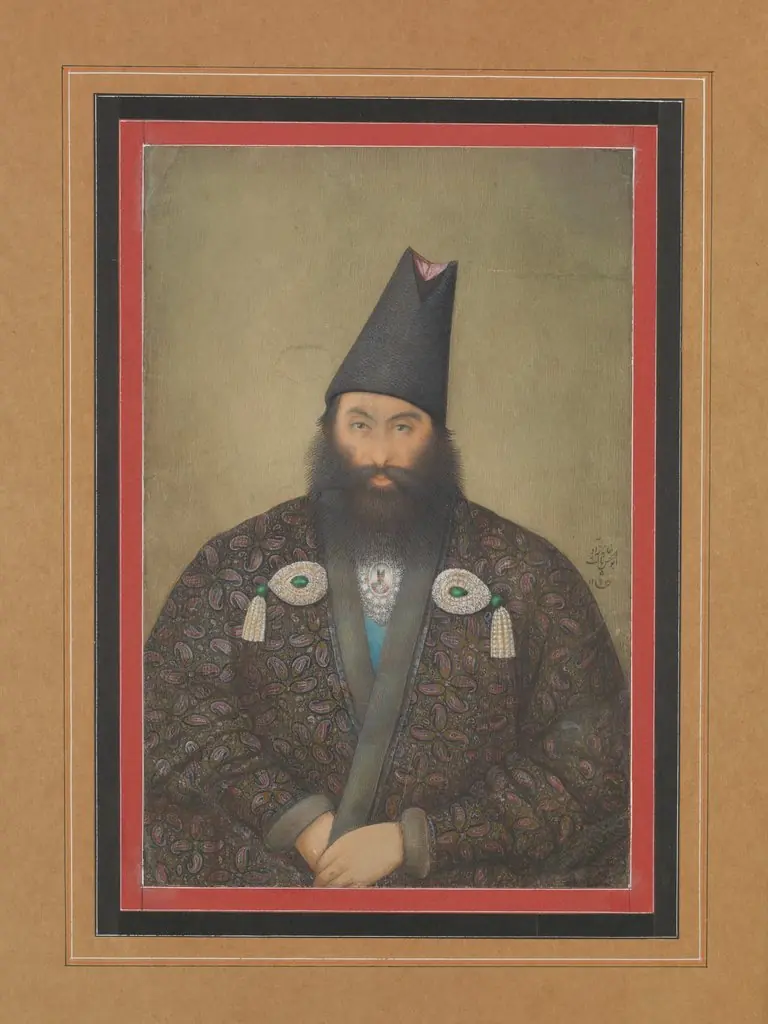 A Portrait of a Statesman
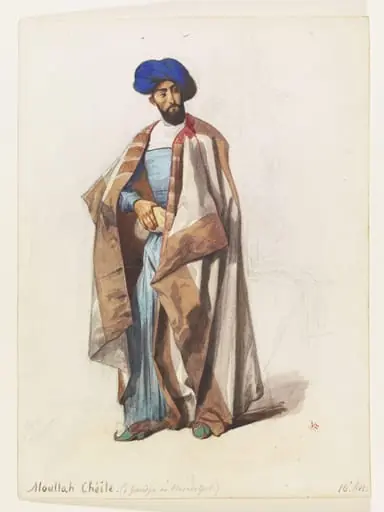 Moullah Chéite - (à Gandjà ou Elisavetopol.)
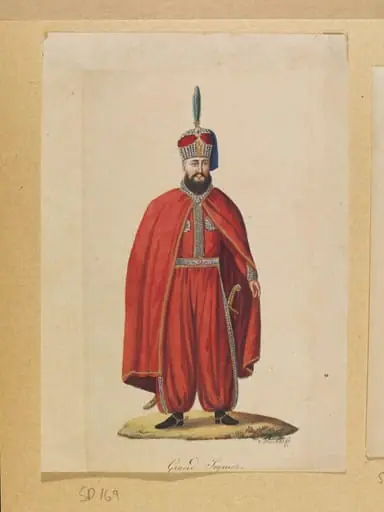 Grand Signior
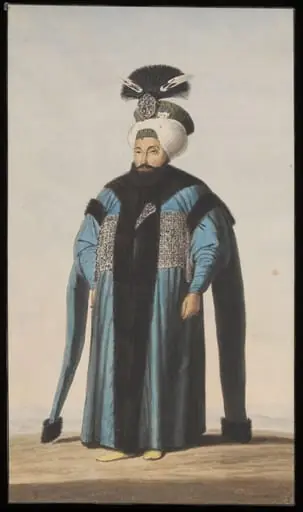 Portrait of Sultan Mahmud II of Turkey
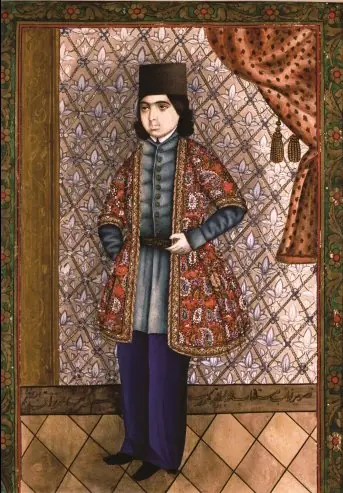 Portrait of a Young Man
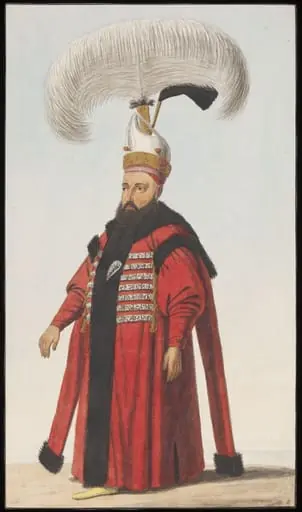 A Kulkethüdagasi or Commander of a Janissary Regiment
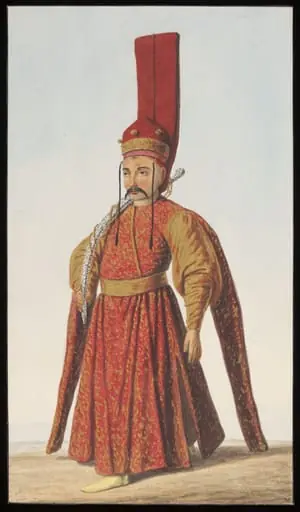 Silâhdar Aga, or sword bearer to the Sultan
![An Armenian[?], by Anonymous Greek artist](https://artifactworldgallery.com/img/anonymous-greek-artist--an-armenian--8a9ee8f2d8733d94-w320.webp) An Armenian[?]
An Armenian[?]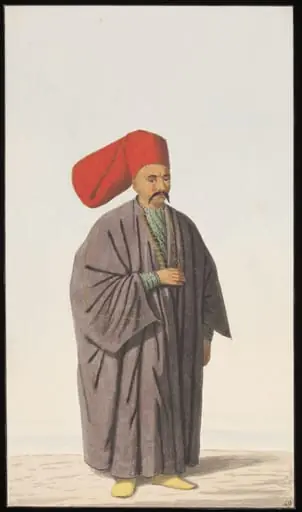 Bostancibasi, or member of the Imperial Guard
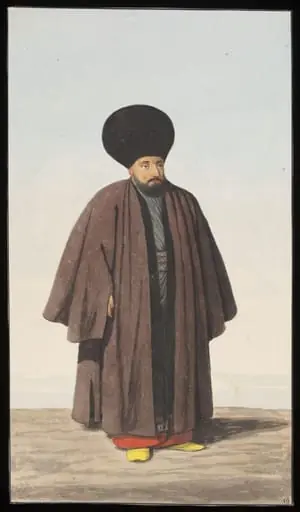 An Armenian official
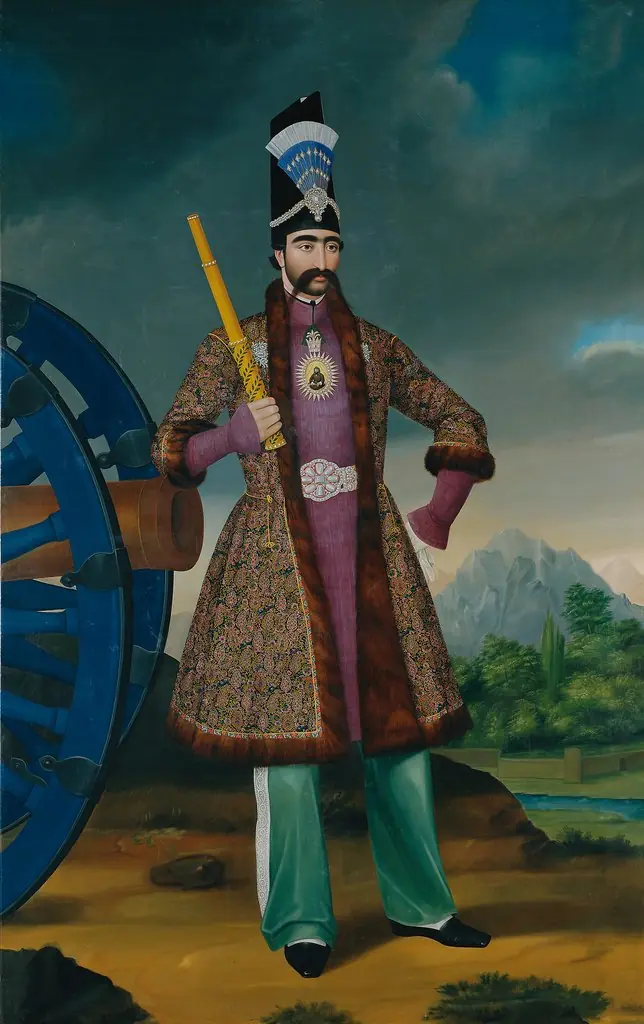 The Shah of Persia Nāser ad-Dīn Shāh