Artwork
Anne of Austria
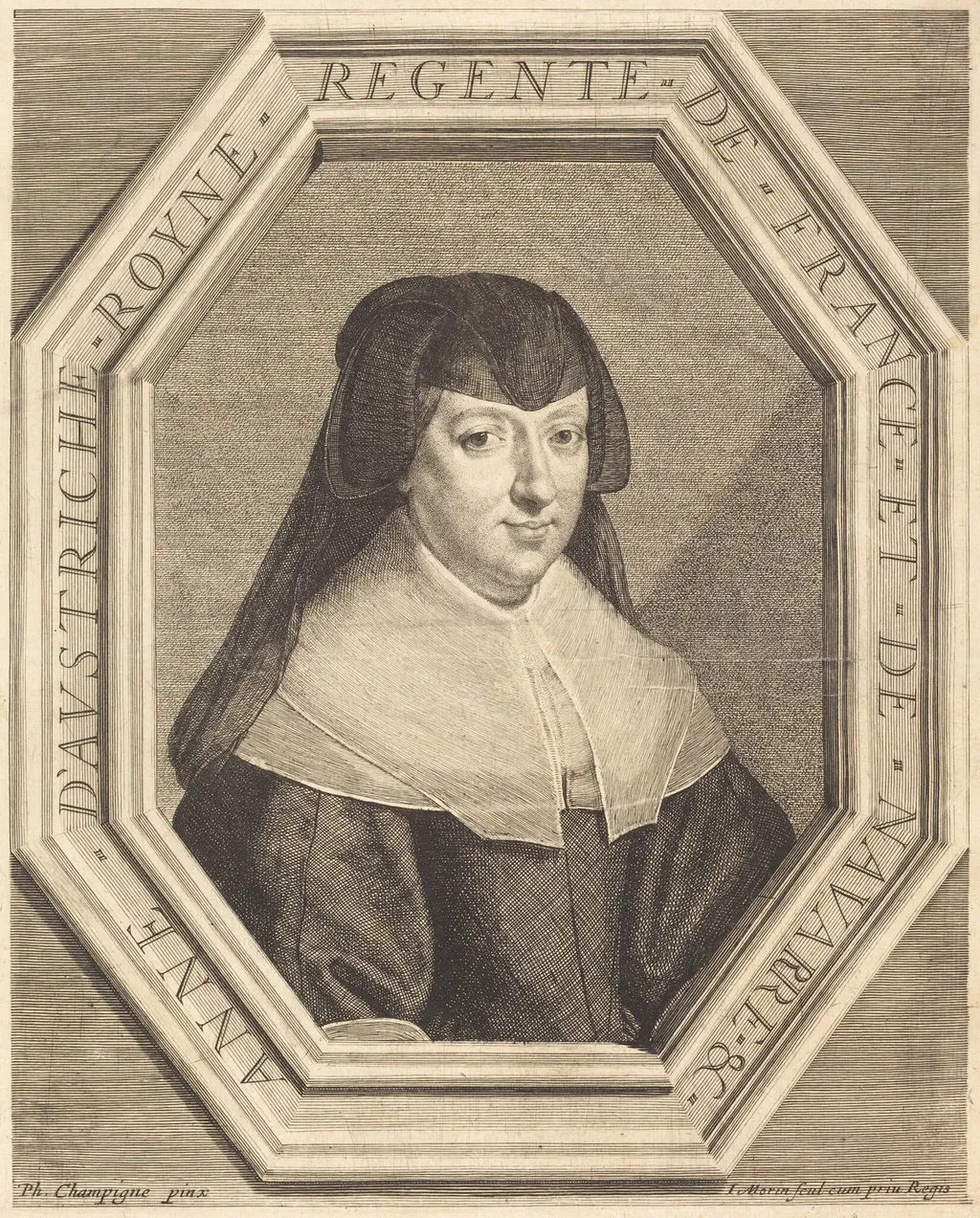
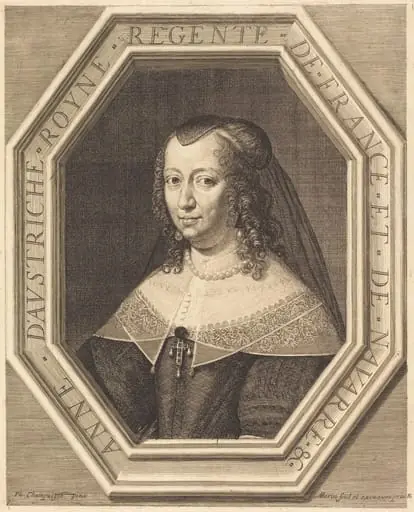
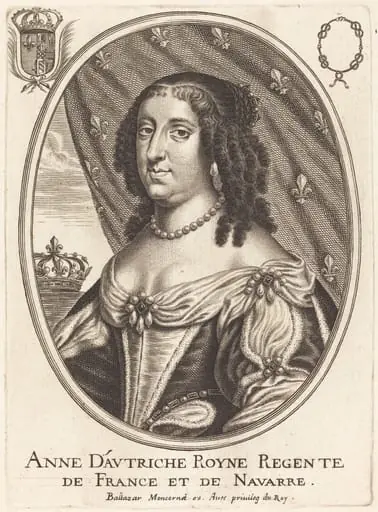
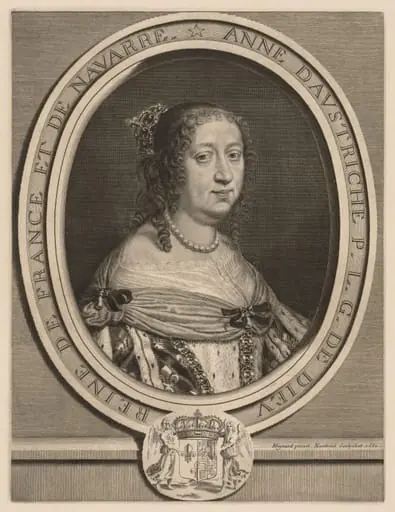
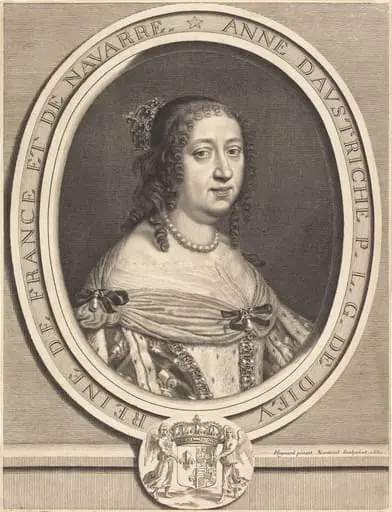
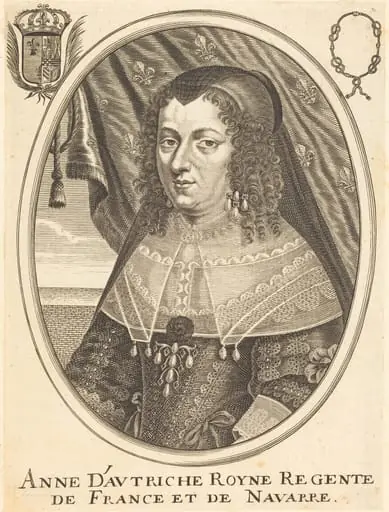
Anne of Austria is an ink print by the Baroque artist Jean Morin. It dates from 1625 and is held in the collection of the National Gallery of Art. Created in 1625, this print combines etching, engraving, and stippling on laid paper.
About this work
Overview
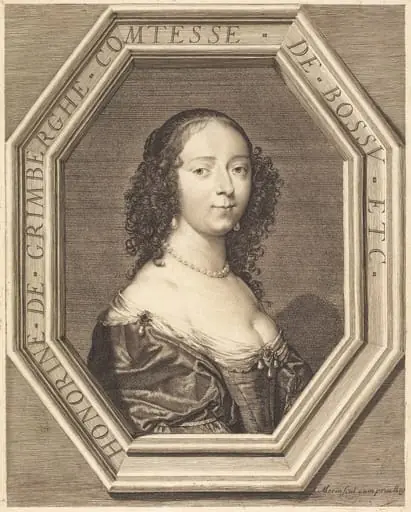
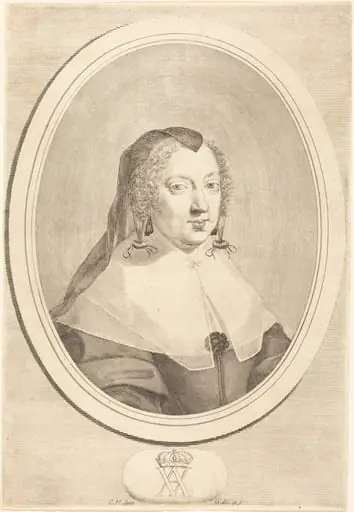
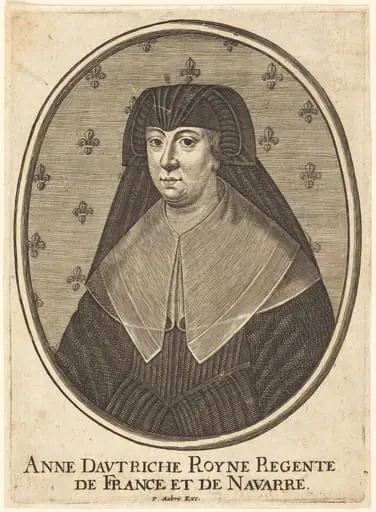
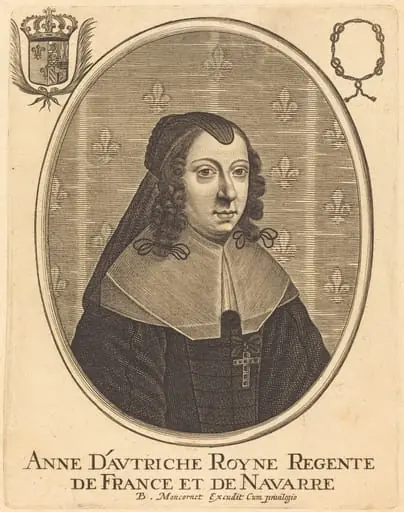
Created in 1625, this print combines etching, engraving, and stippling on laid paper. The portrait presents a woman in a sober pose, wearing a dark cloak over a white collar, her hair gathered beneath a cap, against an unadorned background framed by decorative script.
Subject & Meaning
The figure is Anne of Austria, a notable member of the French royal family who later became queen consort of France. The serious expression and modest attire reflect the conventions of court portraiture, emphasizing dignity and status.
Technique & Style
Morin employed a mixed approach, intertwining engraved lines with etched washes and fine stipple dots. This combination yields a soft yet precise rendering of facial features and textiles, illustrating the artist’s skill in manipulating tonal variation within a monochrome medium.
History & Provenance
Jean Morin, a French Baroque artist recognized for his innovations in printmaking, produced the work. Morin’s practice of merging engraving and etching on a single plate was influential and quickly adopted by contemporaries, situating this piece within a broader technical development of early 17th‑century prints.
Context
The portrait belongs to a period when royal portraiture served both decorative and propagandistic purposes, reinforcing dynastic legitimacy. Printed images could be disseminated more widely than painted portraits, extending the visual presence of figures like Anne of Austria across the kingdom.
Artist & collection
Artist
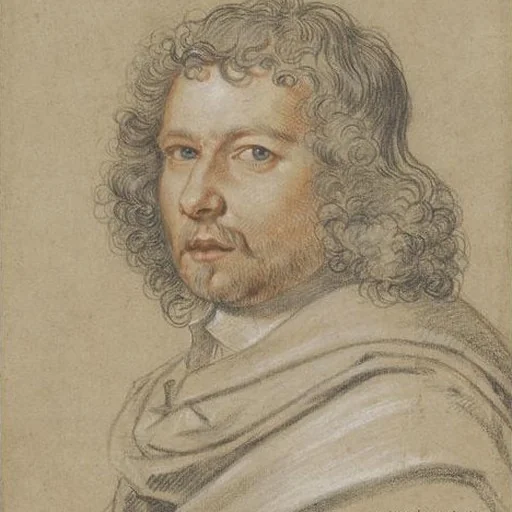
Jean Morin (c.1595 or 1605 – 1650) was a French baroque painter, printmaker, painter, etcher, engraver and publisher.