Artwork
Francois de Villemontee
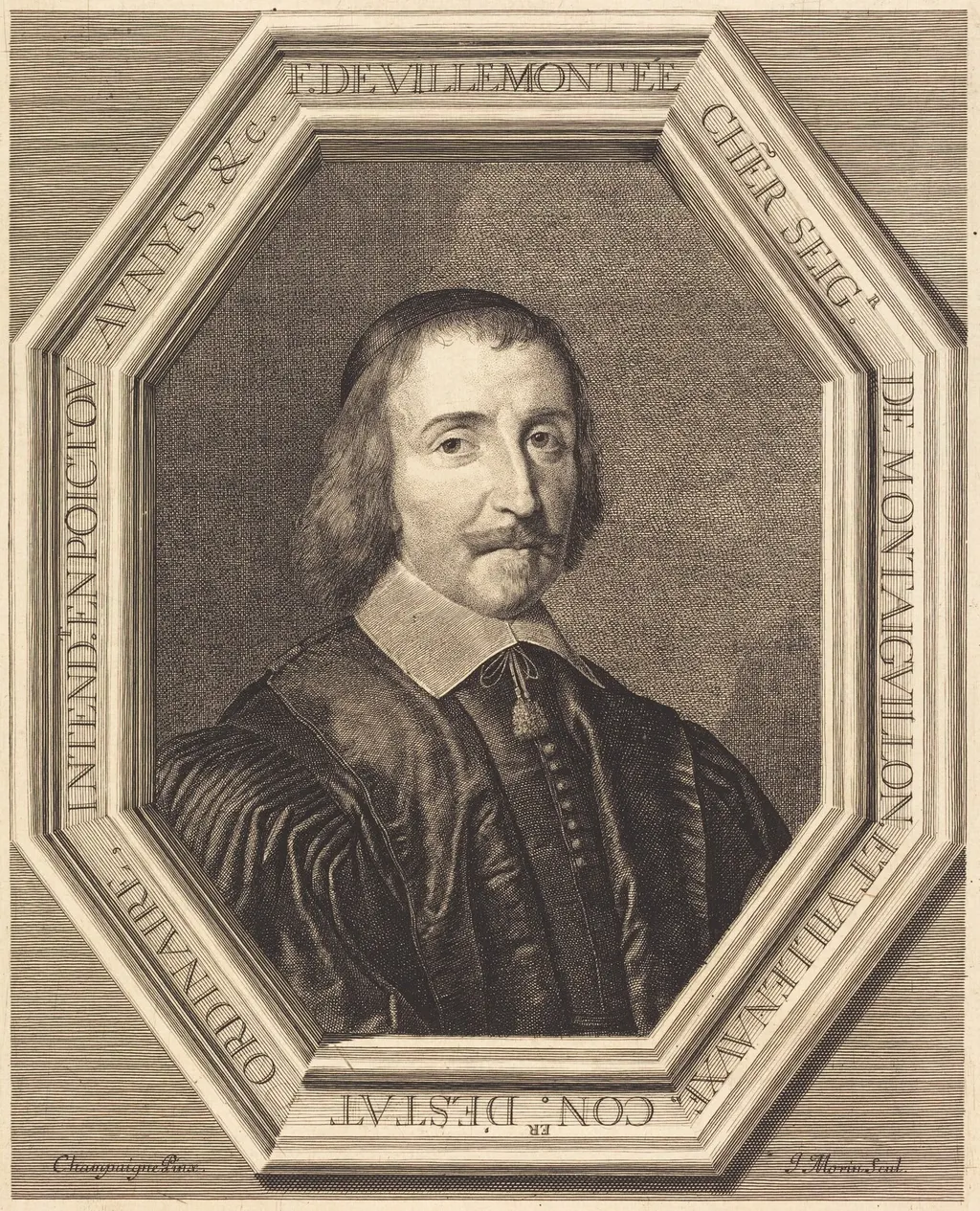
Francois de Villemontee is an ink print by the Baroque artist Jean Morin. It dates from 1625 and is held in the collection of the National Gallery of Art.
About this work
Overview
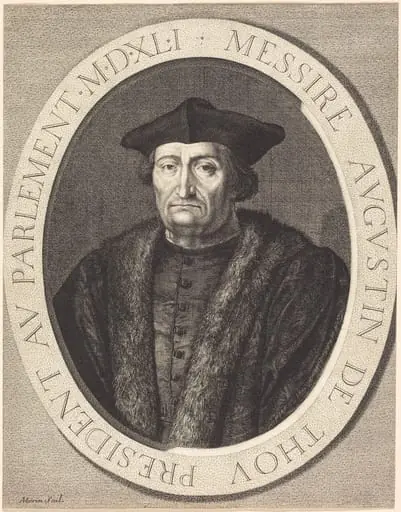
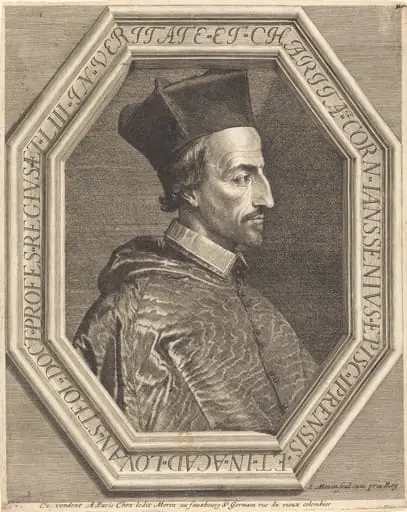
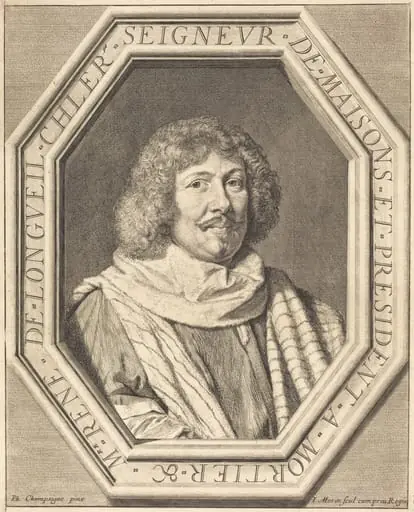
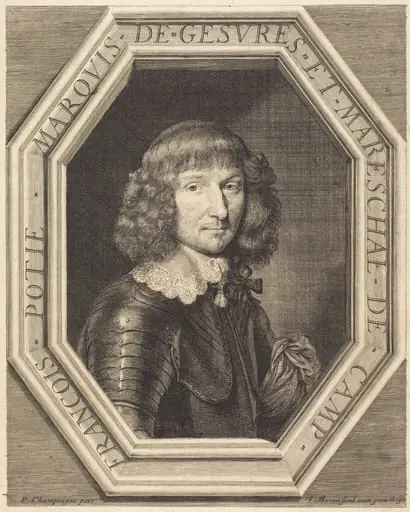
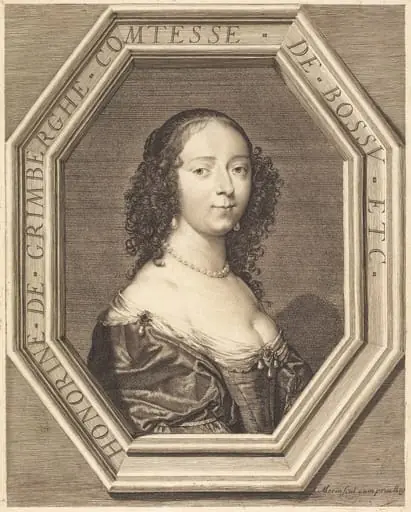
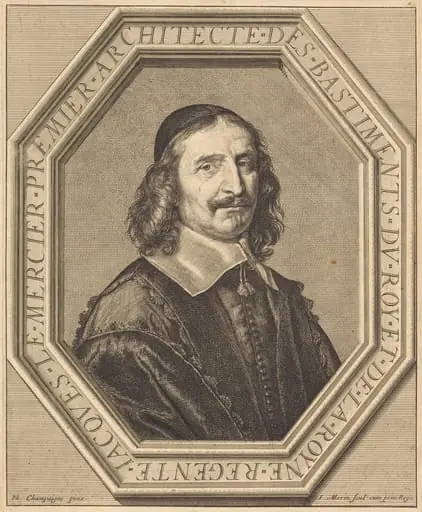
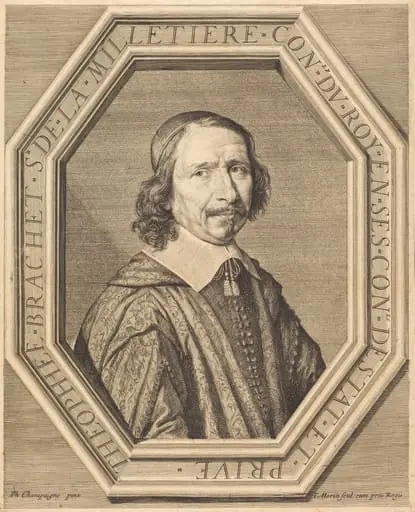
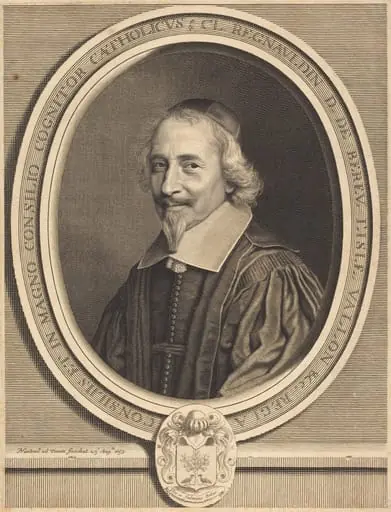
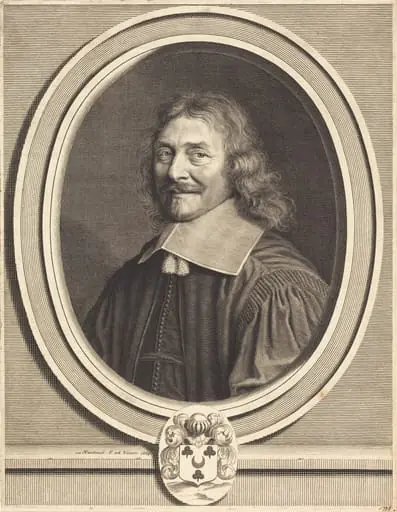
The work is a black‑and‑white portrait executed as an etching in 1625 by the French printmaker Jean Morin. It depicts a man with curly hair, a neatly trimmed beard, and a dark shirt with a ruffled collar, set against an unadorned background. The composition is framed by decorative carved lettering, and Morin’s signature appears at the bottom of the plate.
Subject & Meaning
The sitter is identified by the inscription at the top of the image as François de Villemonte. While no narrative context is provided, the formal pose and careful rendering of facial features suggest a conventional portrait intended to record the individual’s appearance and social standing.
Technique & Style
Morin employed a combination of engraving and etching on a single copper plate, a method he helped popularize in the early Baroque period. The lines are crisp and precise, characteristic of the engraving component, while the tonal variations derive from the etched areas, allowing subtle modeling of the subject’s features.
History & Provenance
Created in 1625, the print forms part of Morin’s broader oeuvre as a publisher and painter active in early seventeenth‑century France. The work has survived as a printed impression, bearing the artist’s signature at the lower margin, confirming its attribution to Morin.
Context
During the early 1600s, French printmaking was evolving toward greater technical sophistication. Morin’s practice of merging engraving with etching reflects contemporary experiments to achieve finer detail and richer tonal range, situating this portrait within the broader development of Baroque print culture.
Artist & collection
Artist
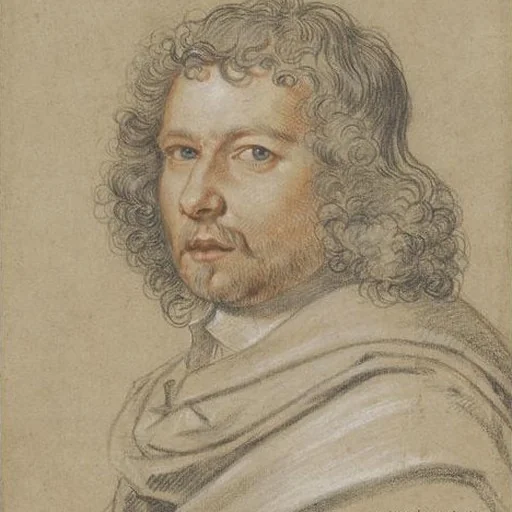
Jean Morin (c.1595 or 1605 – 1650) was a French baroque painter, printmaker, painter, etcher, engraver and publisher.