Artwork
Jean du Verger de Hauranne
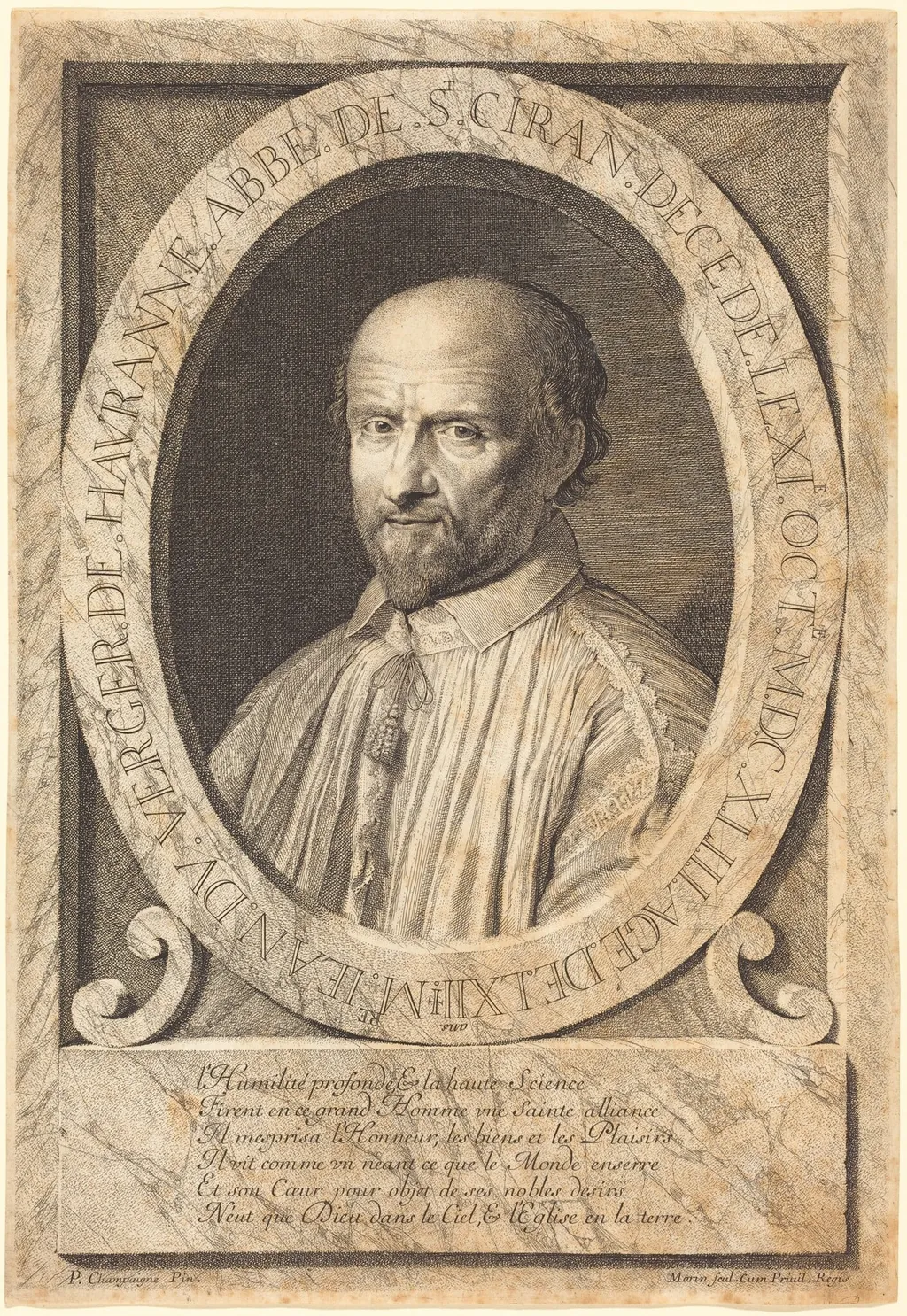
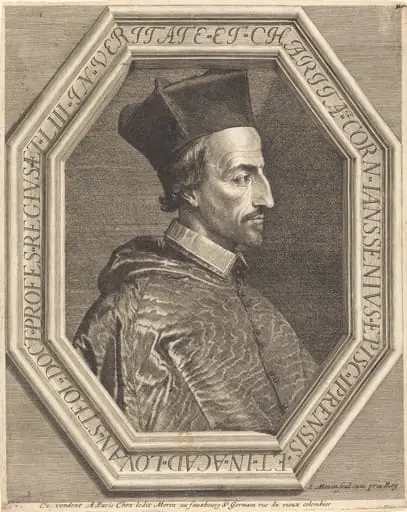
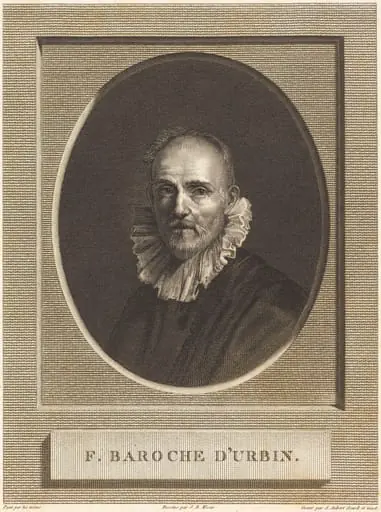
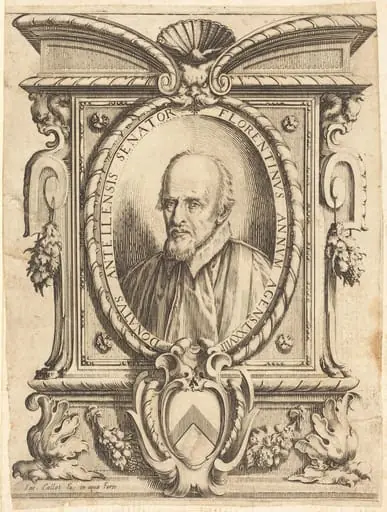
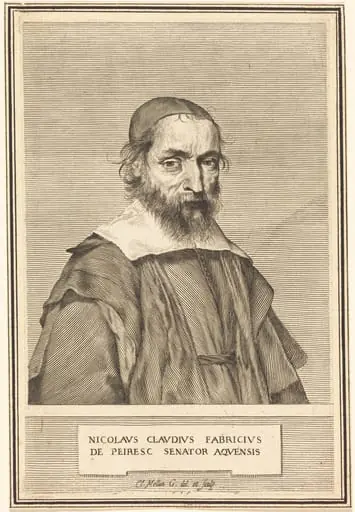
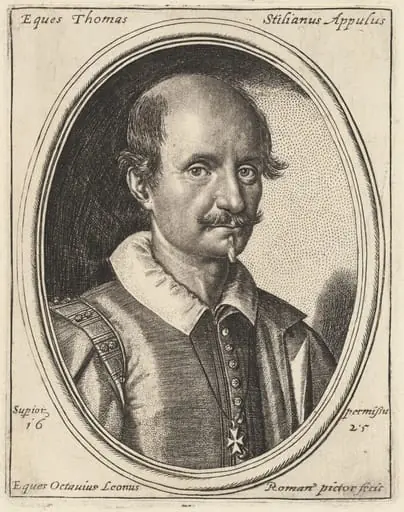
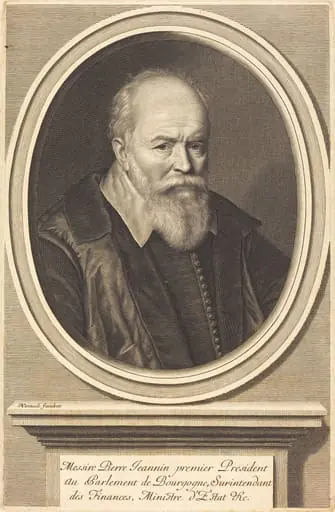
Jean du Verger de Hauranne is an ink print by the Baroque artist Jean Morin. It dates from 1625 and is held in the collection of the National Gallery of Art.
About this work
Overview
This 1625 print combines etching, engraving, and stippling on laid paper to render a portrait of Jean du Verger de Hauranne. Produced by French printmaker Jean Morin, the work exemplifies his experimental approach to intaglio techniques, merging multiple methods on a single plate to achieve varied tonal effects and fine detail.
Subject & Meaning
The portrait depicts Jean du Verger de Hauranne, a French clergyman and theologian linked to Jansenism, a movement emphasizing original sin and divine grace. His sober expression and clerical attire underscore his intellectual and religious authority. Surrounding inscriptions, including his name and an accompanying verse, frame him as a figure of scholarly and spiritual significance.
Technique & Style
Morin’s integration of etching, engraving, and stippling allowed for precise linework and subtle gradations of tone. The layered techniques enabled intricate detailing in the subject’s beard, collar, and decorative emblem, while ornamental lettering and scrollwork at the margins demonstrate the period’s decorative conventions in portrait prints.
History & Provenance
Created in 1625, the print originates from Morin’s active period in early 17th-century France, where he contributed to the evolution of reproductive printmaking. Little is documented about its early ownership, though its survival on laid paper suggests it was preserved in collections or bound volumes, a common practice for prints of notable figures.
Context
During the 17th century, portrait prints served as tools for disseminating images of religious and intellectual leaders.
During the 17th century, portrait prints served as tools for disseminating images of religious and intellectual leaders. Morin’s work reflects the era’s demand for precise, reproducible likenesses, while the inclusion of biographical text aligns with the humanist tradition of celebrating individual achievement. The print’s production coincides with Jansenism’s rise, a movement later condemned by ecclesiastical authorities.
Legacy
Morin’s technical innovations, particularly his hybrid use of etching and engraving, influenced subsequent printmakers by expanding the medium’s expressive range. While the portrait’s immediate impact is unrecorded, it endures as an example of Baroque printmaking’s capacity to convey both likeness and symbolic weight, preserving the legacy of its subject within art historical and theological discourse.
Artist & collection
Artist
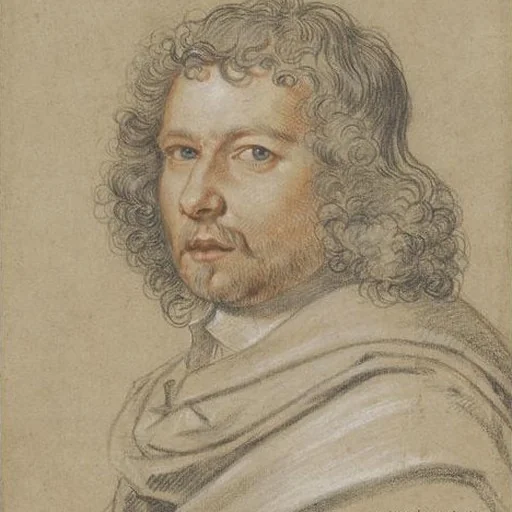
Jean Morin (c.1595 or 1605 – 1650) was a French baroque painter, printmaker, painter, etcher, engraver and publisher.