Artwork
Cardinal Mazarin
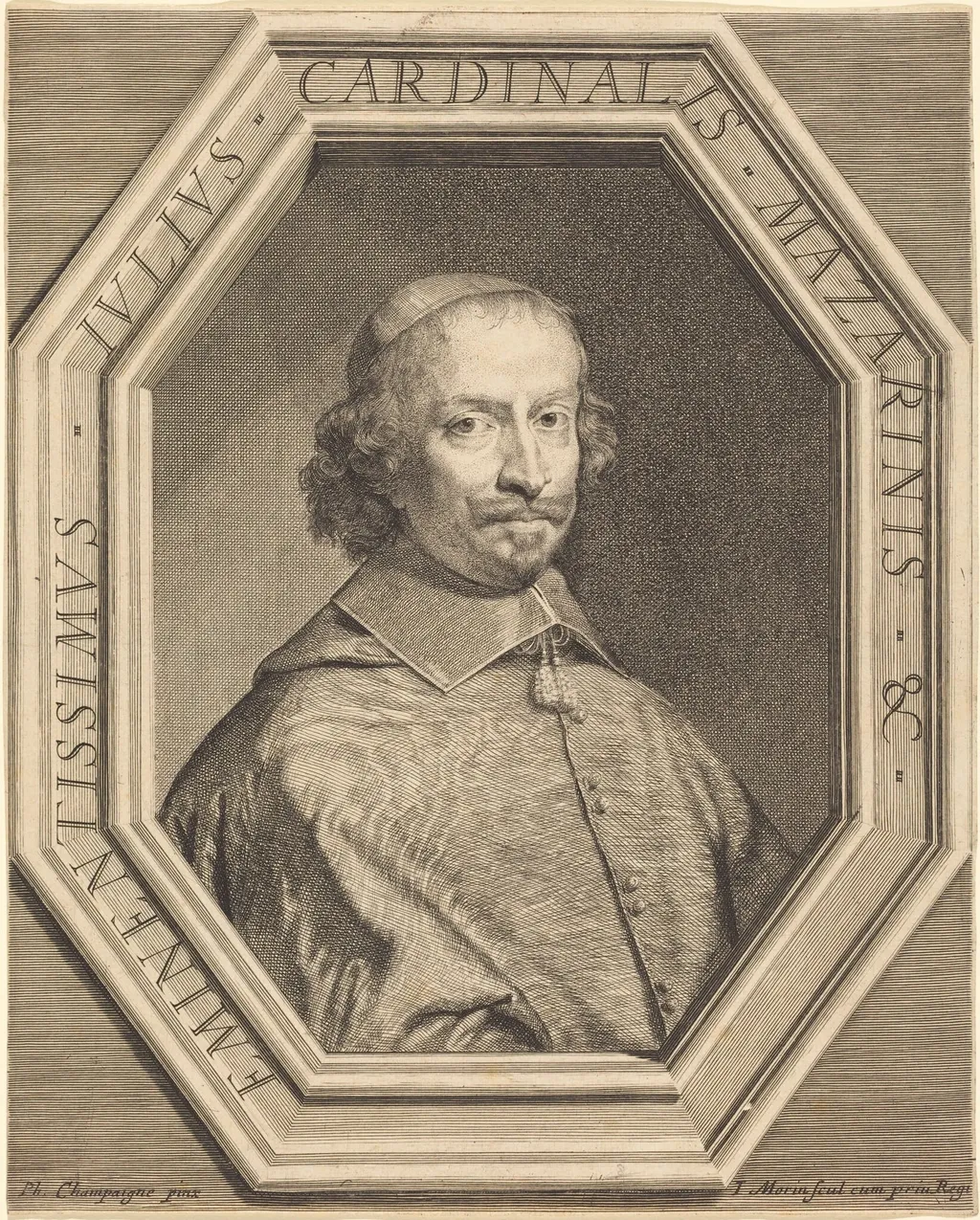
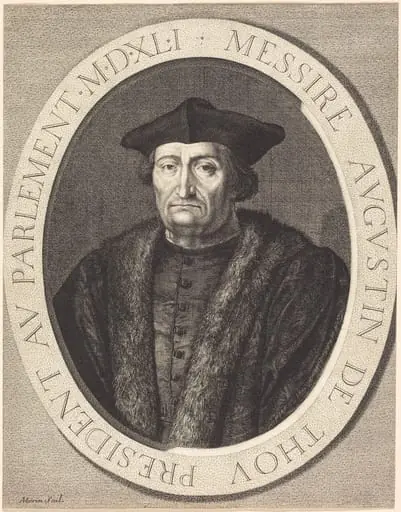
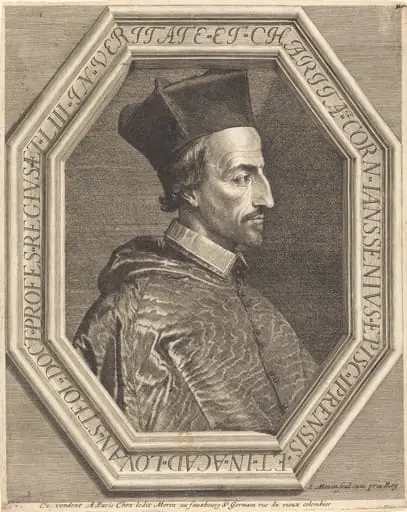
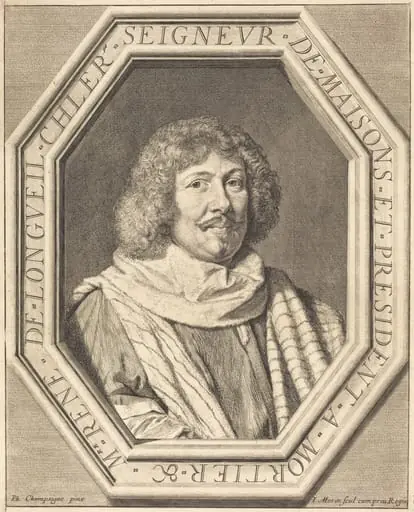
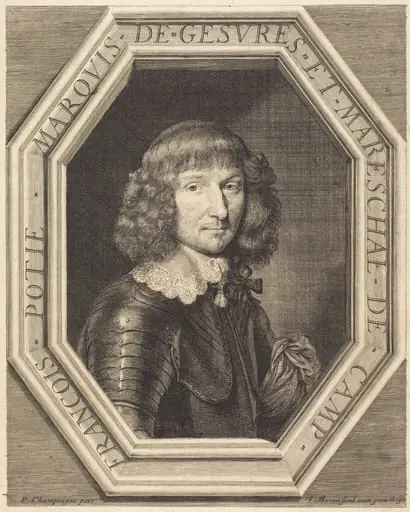
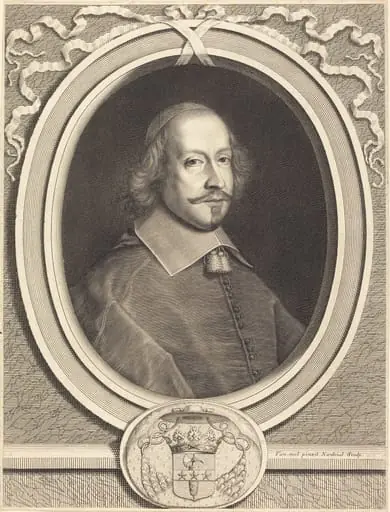
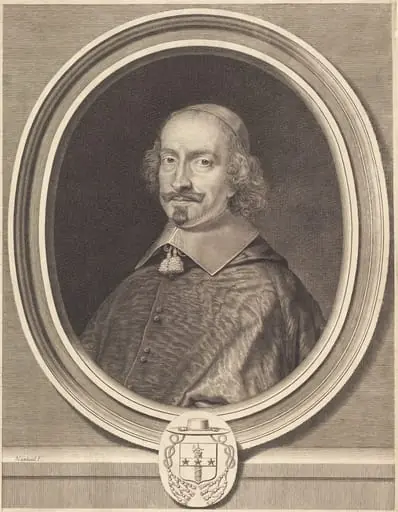
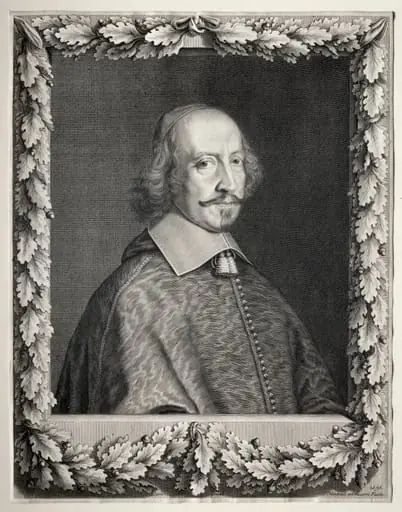
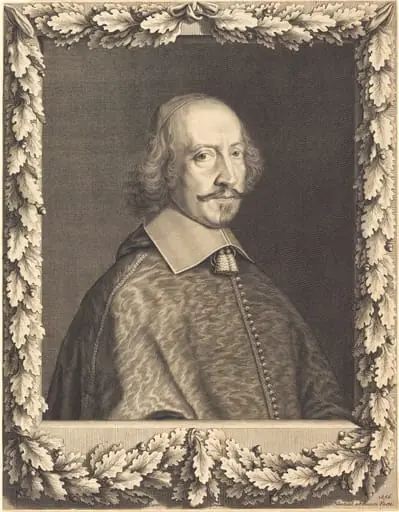
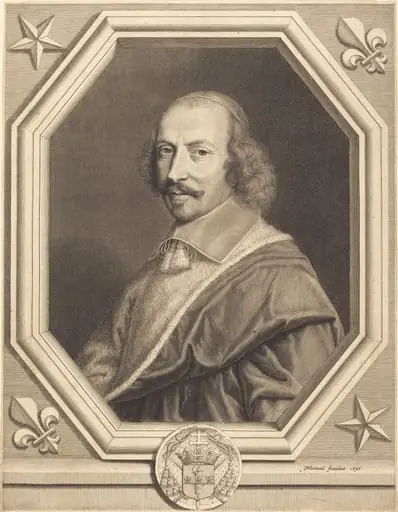
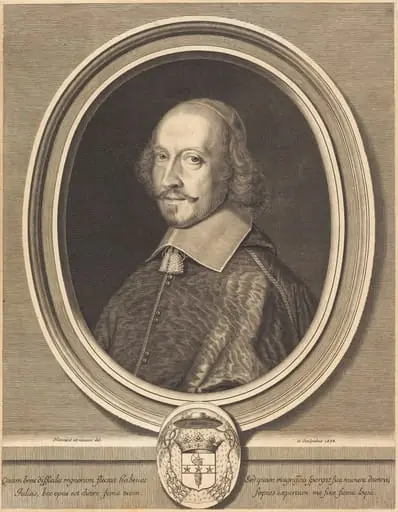
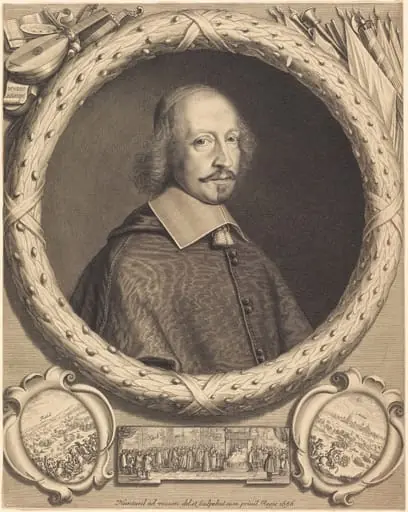
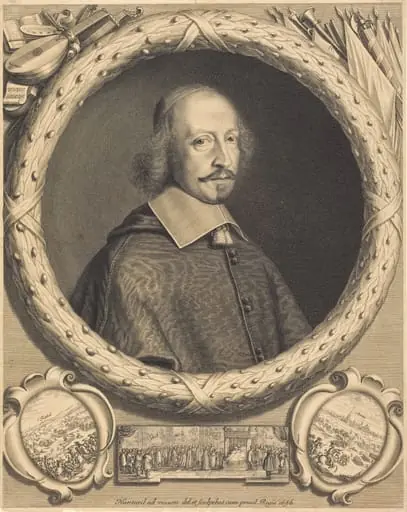
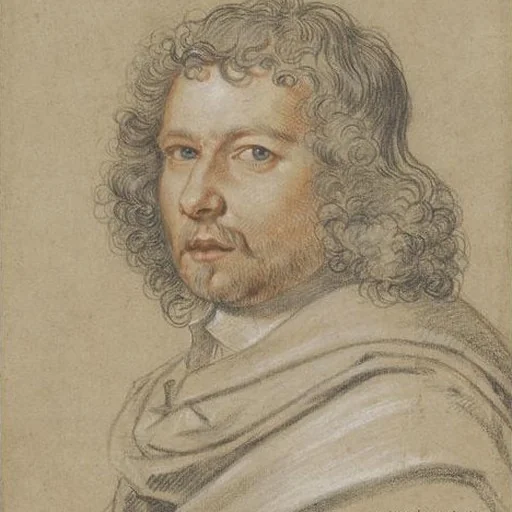
Cardinal Mazarin is an ink print by the Baroque artist Jean Morin. It dates from 1625 and is held in the collection of the National Gallery of Art.
About this work
Overview
Jean Morin produced this portrait of Cardinal Mazarin in 1625 as a printed image on laid paper, combining etching, engraving, and stippling techniques.
Jean Morin produced this portrait of Cardinal Mazarin in 1625 as a printed image on laid paper, combining etching, engraving, and stippling techniques. A French printmaker active in the early Baroque period, Morin was known for integrating multiple intaglio methods on a single plate to achieve nuanced tonal effects. The work belongs to a tradition of portrait prints that circulated among elite audiences, serving both as likeness and political statement.
Subject & Meaning
The portrait depicts Jules Mazarin, an Italian-born cardinal who rose to power in France as chief minister under Louis XIII and later Louis XIV. Rendered with solemn expression and formal attire, the image emphasizes his ecclesiastical authority and political gravity. The surrounding inscriptions—'Cardinal' and 'Mazarin'—frame the figure like a heraldic badge, reinforcing his status and public recognition in a period of shifting French governance.
Technique & Style
Morin employed fine, controlled lines through etching and engraving to define facial features and fabric folds, while stippling added subtle gradations of tone across the skin and collar. The use of laid paper, with its characteristic chain lines, enhanced the print’s tactile quality. Decorative script borders, common in 17th-century portraiture, functioned as both labeling and ornamental framing, reflecting the era’s fusion of textual and visual authority.
History & Provenance
Created early in Mazarin’s rise to influence, the print likely served to disseminate his image among courtiers and diplomats before his formal appointment as chief minister. Its survival in institutional collections suggests it was preserved as a document of political portraiture. No record of a specific original owner is known, but its technique aligns with prints produced in Parisian workshops for scholarly and aristocratic patrons.
Context
In early 17th-century France, printmaking was a vital medium for shaping public perception of powerful figures. Morin’s integration of etching and engraving reflected broader technical innovations in print studios, where precision and reproducibility were prized. This portrait aligns with a wave of images that elevated church-state leaders through controlled, repeatable visual formats, reinforcing hierarchy in an age of centralized power.
Legacy
Morin’s approach influenced later French printmakers who sought to blend tonal subtlety with linear clarity in portraiture. While not widely replicated, this work remains a representative example of how political figures were visually codified before the rise of photography. It stands as a quiet testament to the role of print in early modern identity construction, where craftsmanship and authority converged on paper.
Artist & collection
Artist
Jean Morin (c.1595 or 1605 – 1650) was a French baroque painter, printmaker, painter, etcher, engraver and publisher.