Artwork
Cardinal Jules Mazarin
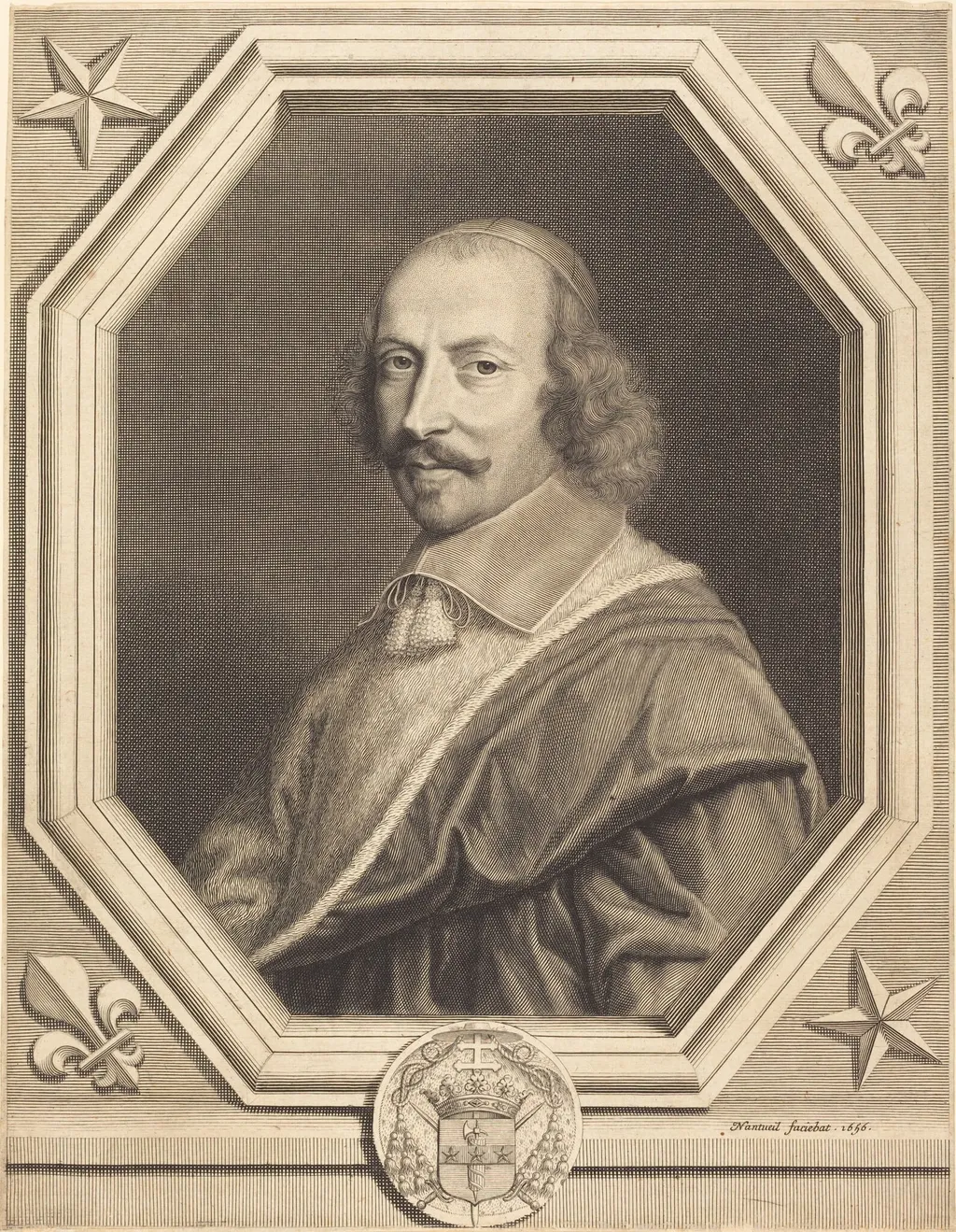
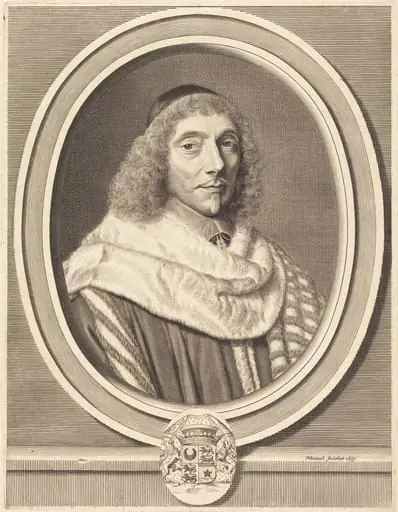
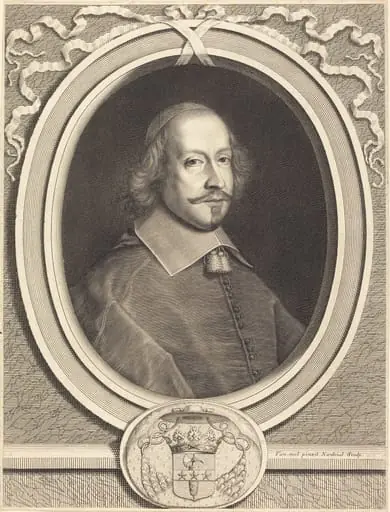
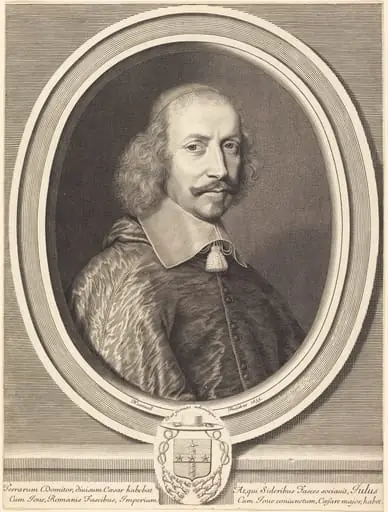
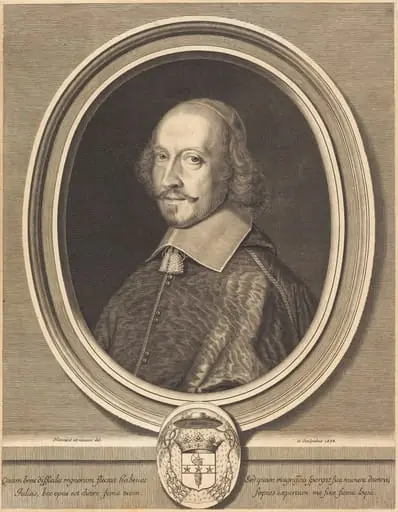
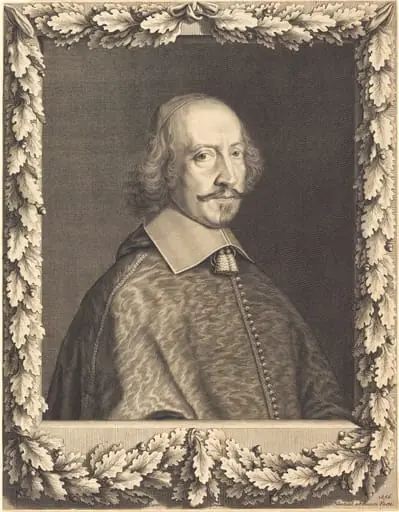
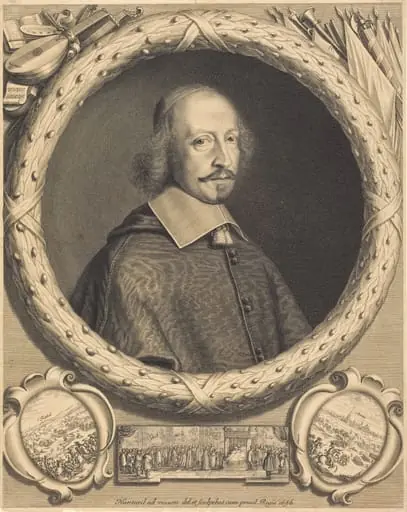
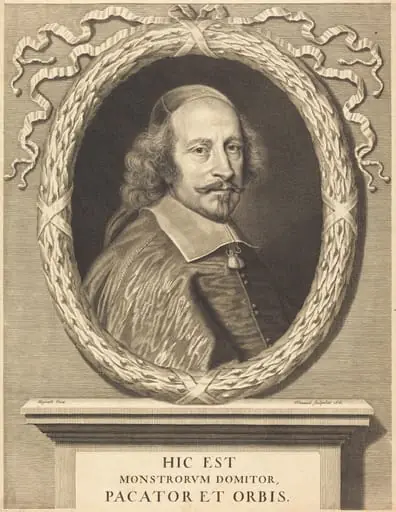
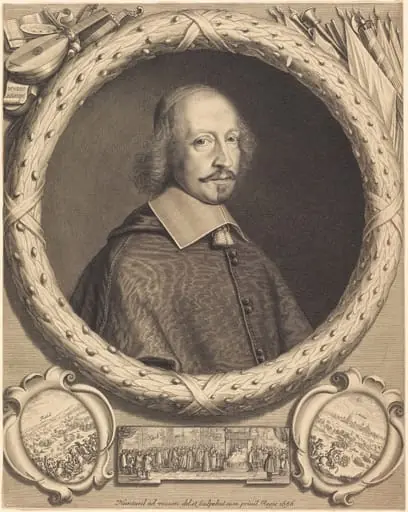
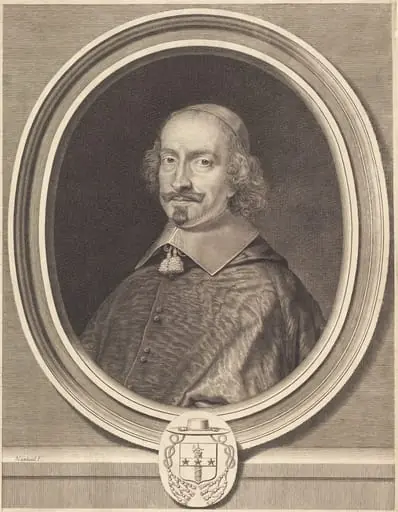
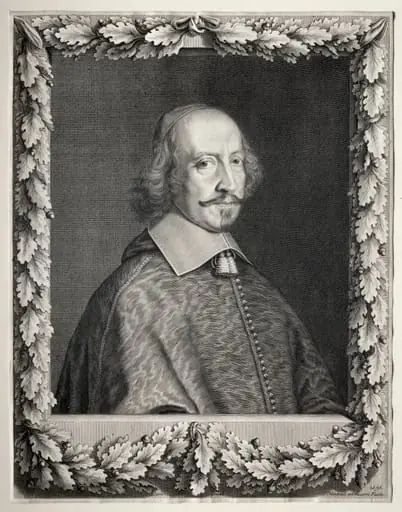
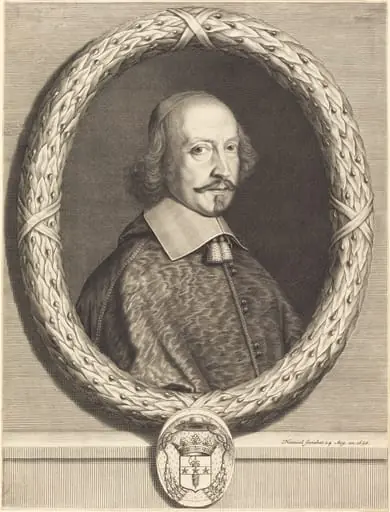
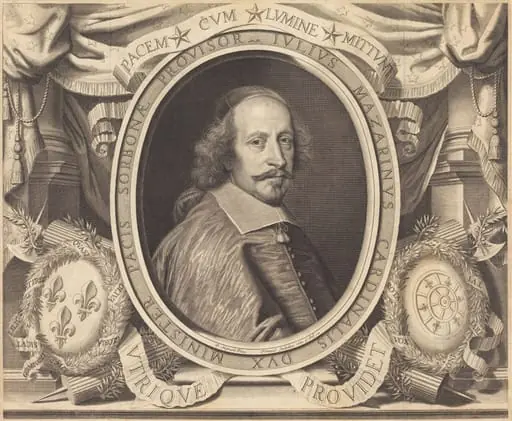
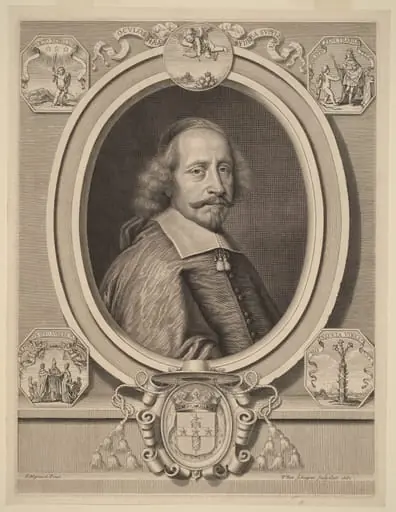
Cardinal Jules Mazarin is an ink print by the Baroque artist Robert Nanteuil. It dates from 1656 and is held in the collection of the National Gallery of Art.
About this work
Overview
Executed with fine linear precision, the portrait captures Mazarin in formal ecclesiastical attire against a neutral background.
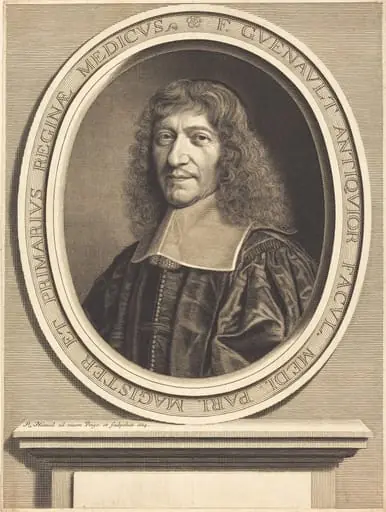
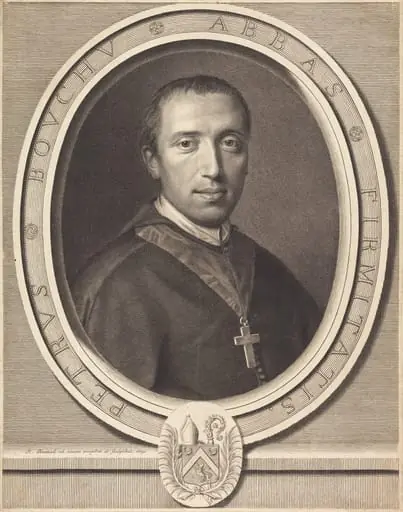
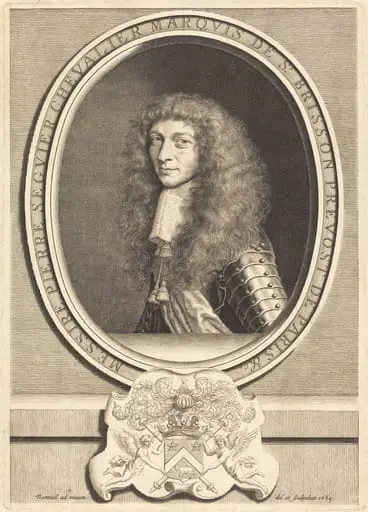
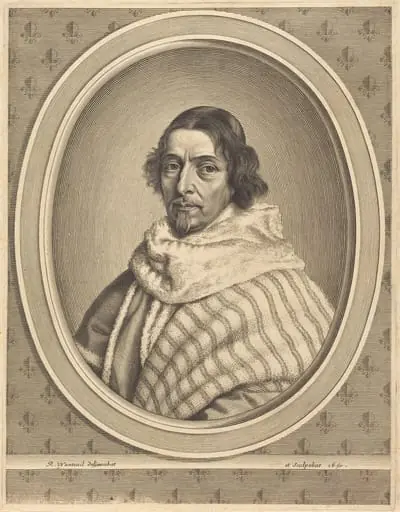
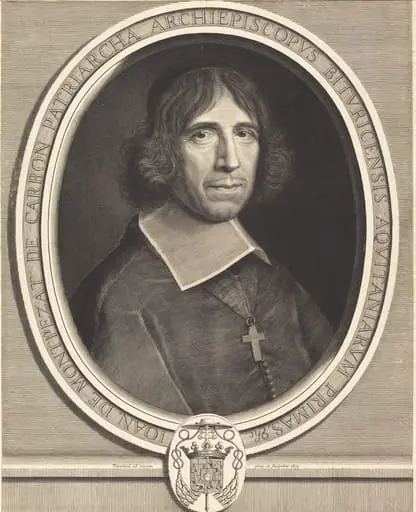
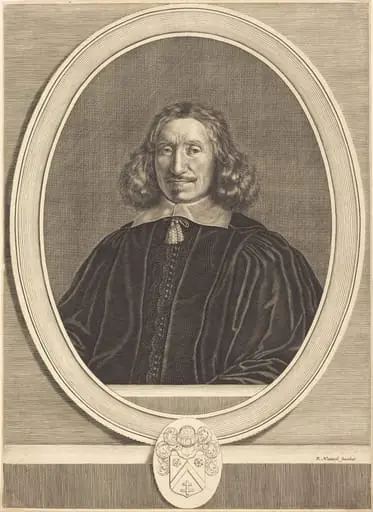
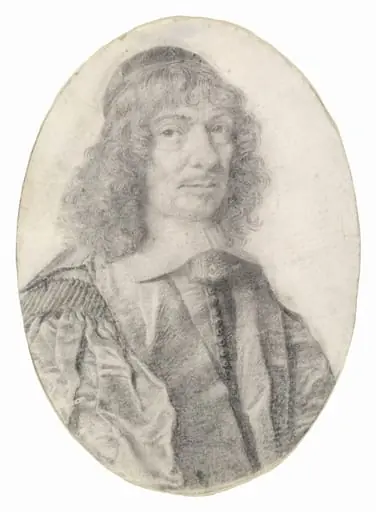
Created in 1656, this black-and-white engraving by Robert Nanteuil depicts Cardinal Jules Mazarin, chief minister to Louis XIV. Executed with fine linear precision, the portrait captures Mazarin in formal ecclesiastical attire against a neutral background. Nanteuil, a leading French engraver of the era, employed meticulous hatching to model volume and texture, reflecting the technical sophistication of mid-17th-century printmaking in France.
Subject & Meaning
Cardinal Mazarin, an Italian-born statesman who dominated French politics during the minority of Louis XIV, is portrayed with solemn authority. His curled hair, trimmed mustache, and high-collared robe convey clerical dignity and political gravitas. The absence of symbolic objects or elaborate settings emphasizes his personal presence rather than his titles, aligning with the era’s shift toward psychological portraiture among elite figures.
Technique & Style
Nanteuil rendered the portrait using fine, controlled lines etched into a metal plate, a hallmark of his engraving practice. Subtle gradations of tone are achieved through dense cross-hatching, particularly around the face and hands, lending a sculptural depth. The ornamental border—featuring scrollwork and a small heraldic seal—frames the image without distracting, reinforcing the portrait’s formal and institutional character.
History & Provenance
Commissioned during Mazarin’s tenure as chief minister, the engraving was likely intended for diplomatic or aristocratic circulation. Nanteuil held the official title of engraver to the French court, and his portraits of political and religious leaders were widely disseminated. This print survives in multiple impressions, indicating its use as both a personal likeness and a tool of political representation.
Context
In mid-17th-century France, engraved portraits served as key instruments of image-making for the elite, especially when painted originals were inaccessible. Mazarin’s role as regent during a turbulent period made his likeness politically significant. Nanteuil’s restrained style contrasted with Baroque flamboyance, favoring clarity and psychological nuance—qualities that aligned with the emerging culture of courtly refinement under Louis XIV.
Legacy
Nanteuil’s portrait of Mazarin exemplifies the height of French portrait engraving before the rise of mezzotint and lithography. His technique influenced generations of printmakers, and his depictions of court figures became standard references. Though Mazarin’s political legacy is complex, Nanteuil’s image endures as a precise, sober record of a pivotal figure in French statecraft.
Artist & collection
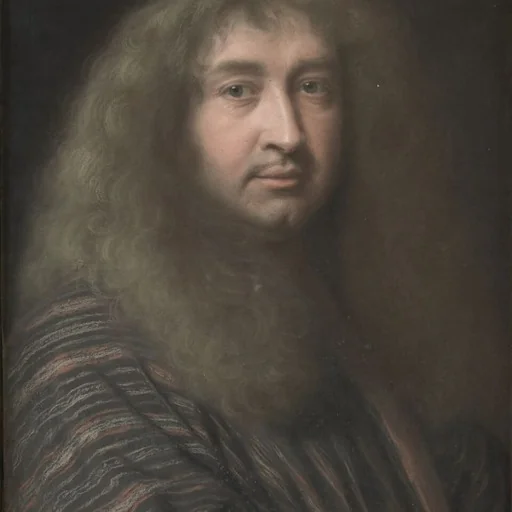
Artist
Robert Nanteuil (French pronunciation: ; 1623 – 9 December 1678) was a French portrait artist: engraver, draughtsman and pastellist to the court of Louis XIV.