Artwork
John Harington, First Baron of Exton
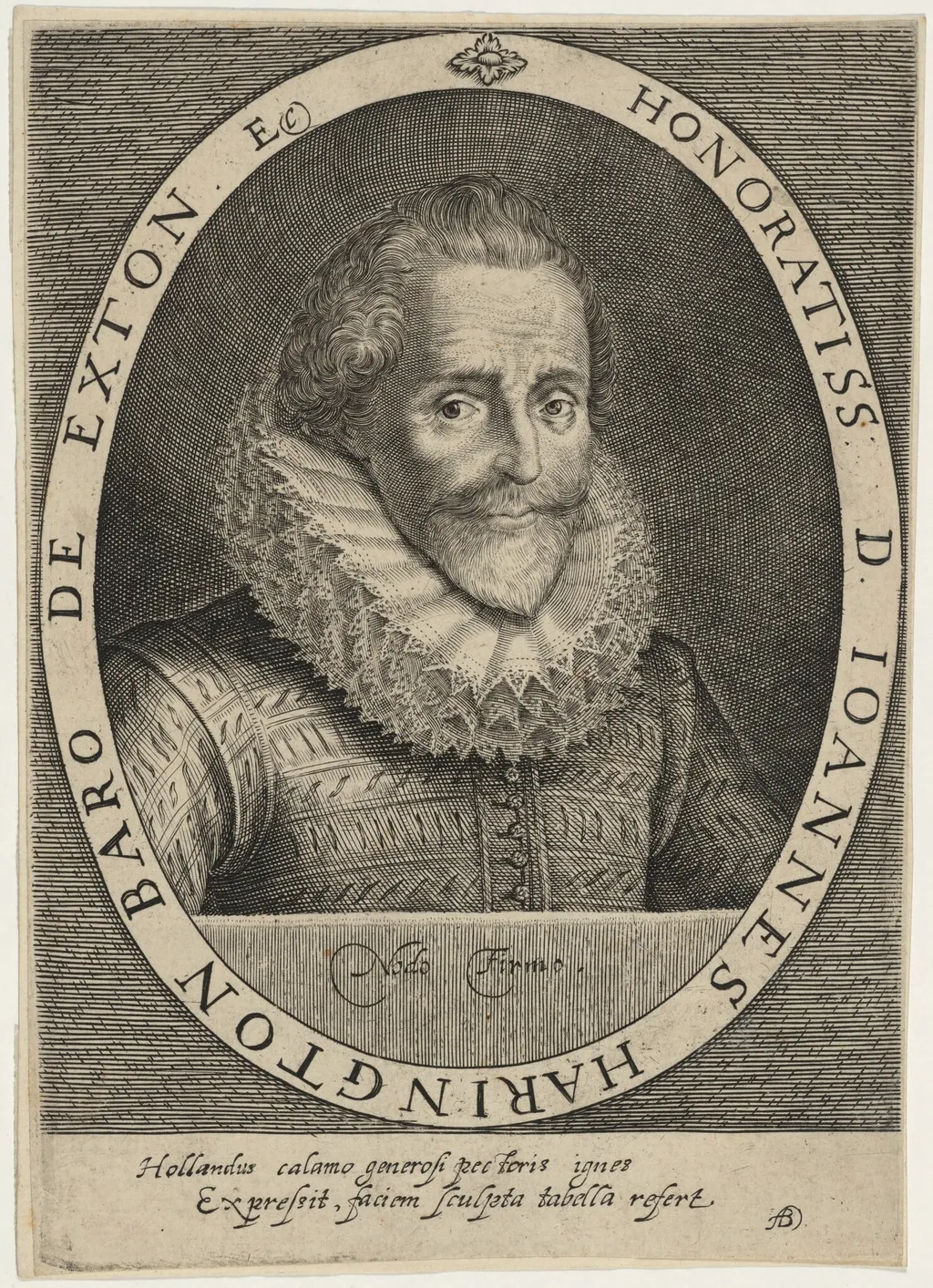
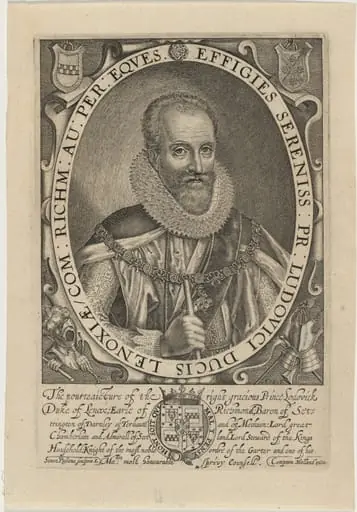
John Harington, First Baron of Exton is an ink print by the Baroque artist Magdalena van de Passe. It dates from 1620 and is held in the collection of the National Gallery of Art.
About this work
Overview
This 1620 engraving depicts John Harington, First Baron of Exton, produced by Magdalena van de Passe, a skilled Dutch printmaker.
This 1620 engraving depicts John Harington, First Baron of Exton, produced by Magdalena van de Passe, a skilled Dutch printmaker. The work is a portrait in black-and-white ink on paper, rendered with fine linear precision. It captures the subject in a formal, full-face pose, characteristic of early 17th-century aristocratic portraiture. The medium reflects the era’s reliance on engraving for disseminating likenesses among the elite.
Subject & Meaning
John Harington, a courtier and member of the English nobility, is portrayed with the dignity expected of his rank. His curled hair and full beard align with contemporary male fashion, while the ruffled collar and dark doublet signify wealth and status. His direct gaze and subtle facial warmth suggest approachability without compromising authority, reflecting the balance between personal presence and public role in Jacobean society.
Technique & Style
Magdalena van de Passe employed fine, controlled engraving lines to model form and texture, particularly in the fabric of the collar and the contours of the beard. The tonal gradations are achieved through cross-hatching and stippling, creating a sense of volume. The composition is tightly framed, focusing attention on the face and upper torso, a convention that emphasizes individual identity over environmental context.
History & Provenance
The engraving was made during van de Passe’s time in the Netherlands, where she worked within a family of printmakers known for portraiture. It likely served as a reproductive image for Harington’s circle or as part of a broader collection of noble figures. Its survival suggests it was valued enough to be preserved, possibly in private collections or institutional archives focused on early modern British elites.
Context
Produced during the reign of James I, the portrait reflects the cultural practice of using engraved likenesses to reinforce social standing. While Baroque aesthetics were emerging in continental Europe, English portraiture retained a more restrained, linear approach. Van de Passe’s work bridges Dutch technical refinement with English aristocratic subject matter, illustrating transnational artistic exchange in the early 1600s.
Legacy
As one of the few surviving engravings by Magdalena van de Passe, this work contributes to the recognition of women’s roles in printmaking during a male-dominated field. It remains a documented example of how noble identities were visually constructed and circulated before photography. The piece is now studied for its craftsmanship and as a historical record of Jacobean portraiture conventions.
Artist & collection

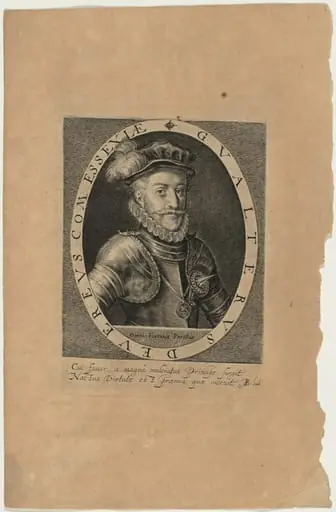 Walter Devereux, First Earl of Essex
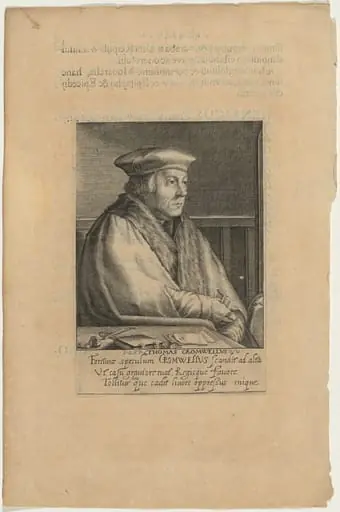 Thomas Cromwell, Earl of Essex
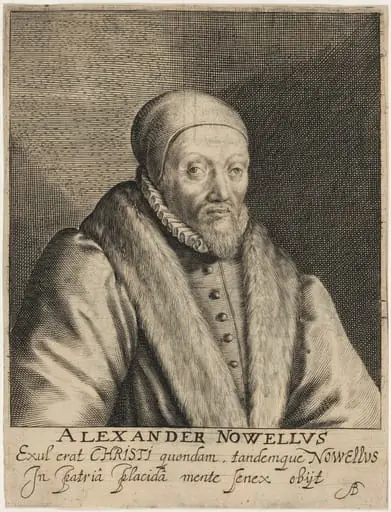 Alexander Nowell, Dean of Saint Paul's
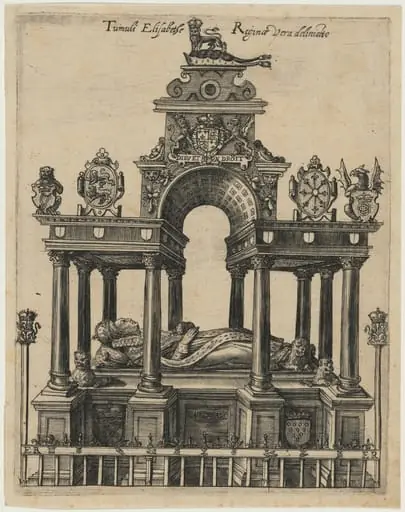 Elizabeth's Tomb
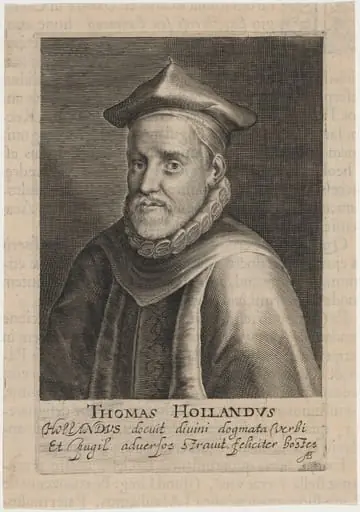 Thomas Holland, Regius Professor of Divinity at Oxford, and Rector of Exeter College
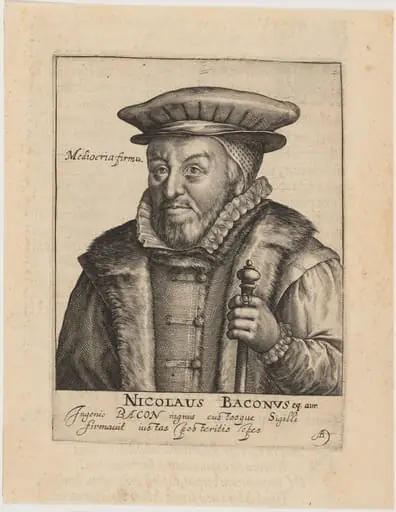 Sir Nicholas Bacon, Lord Keeper
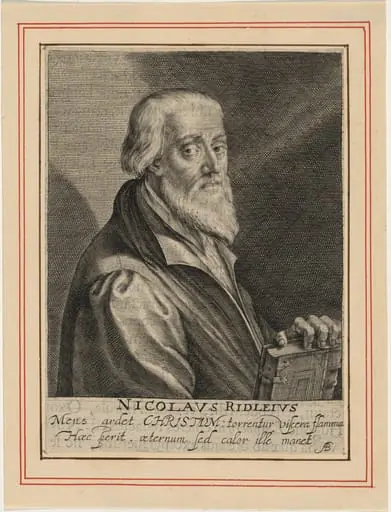 Nicholas Ridley, Bishop of London, Protestant Martyr
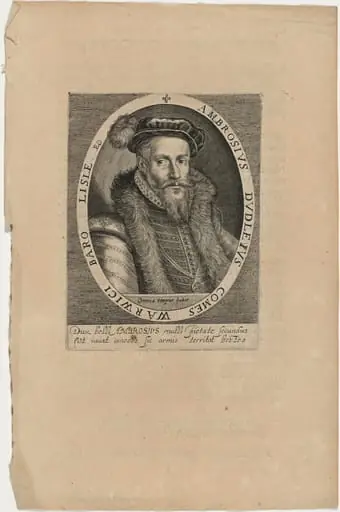 Ambrose Dudley, Earl of Warwick