Artwork
Robert Abbot, Bishop of Salisbury
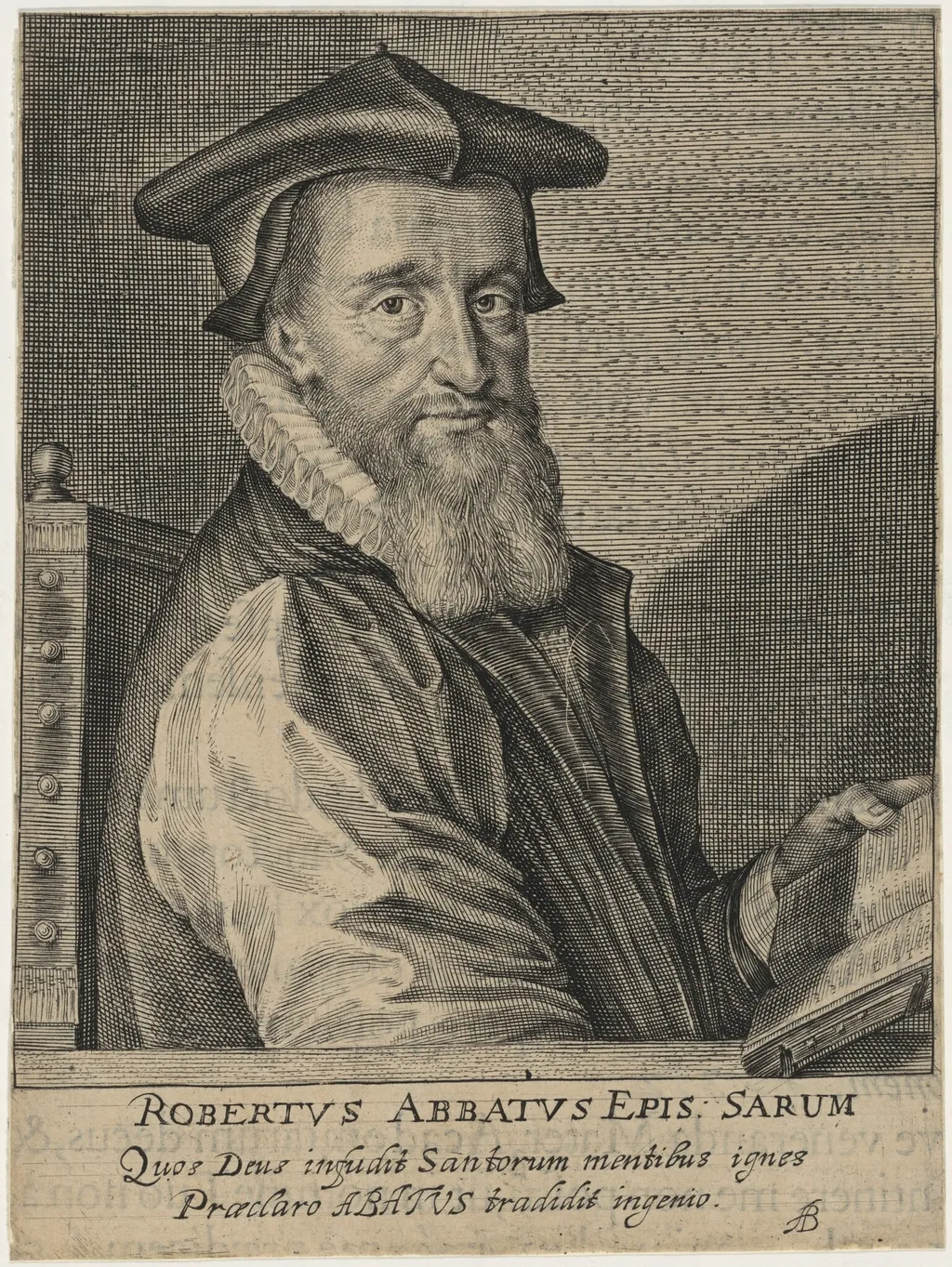
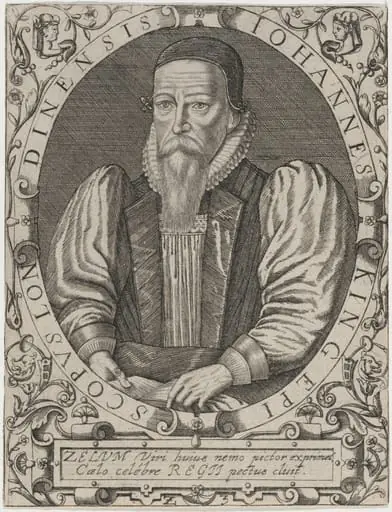
Robert Abbot, Bishop of Salisbury is an ink print by the Baroque artist Magdalena van de Passe. It dates from 1620 and is held in the collection of the National Gallery of Art.
About this work
Overview
Rendered in fine linear detail, the image captures the bishop’s likeness with precision, reflecting the conventions of early 17th-century portraiture in print.
This 1620 engraving by Magdalena van de Passe portrays Robert Abbot, Bishop of Salisbury, in a formal half-length composition. Rendered in fine linear detail, the image captures the bishop’s likeness with precision, reflecting the conventions of early 17th-century portraiture in print. The work is part of a broader tradition of ecclesiastical portraiture disseminated through engraved plates during the Baroque period.
Subject & Meaning
Robert Abbot, a prominent Anglican bishop and theologian, is depicted with solemnity and composure. His direct gaze and restrained posture convey spiritual authority and intellectual gravitas. The clean lines of his attire and the absence of ornate symbolism emphasize his role as a church leader grounded in doctrine rather than ceremonial display, aligning with Protestant ideals of the time.
Technique & Style
Magdalena van de Passe employed fine, controlled engraving lines to render texture in the bishop’s beard, collar, and hat. The dark, unmodeled background isolates the figure, focusing attention on facial expression and costume. Her technique reflects the Northern European tradition of detailed portraiture, where clarity and likeness were prioritized over dramatic lighting or decorative elements.
History & Provenance
Created in 1620, the engraving likely served to circulate Abbot’s image among clergy and patrons. As one of the few known female engravers of her era, van de Passe’s involvement underscores the role of women in print production. The work was probably issued in series with other ecclesiastical figures, though its early ownership records remain sparse.
Context
In early 17th-century England, engraved portraits of bishops were used to reinforce institutional identity amid religious tensions. Abbot’s image, distributed in print, helped solidify his public presence as a defender of Anglican orthodoxy. Van de Passe’s work, produced in the Netherlands, illustrates the transnational nature of religious imagery in the Baroque era.
Legacy
The engraving remains a key example of Magdalena van de Passe’s skill in capturing likeness through line. It contributes to the historical record of Anglican leadership and highlights the role of print in shaping religious authority. Though not widely exhibited today, it endures in institutional collections as a document of both artistic and ecclesiastical history.
Artist & collection

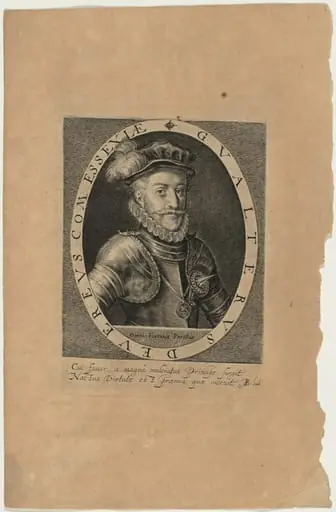 Walter Devereux, First Earl of Essex
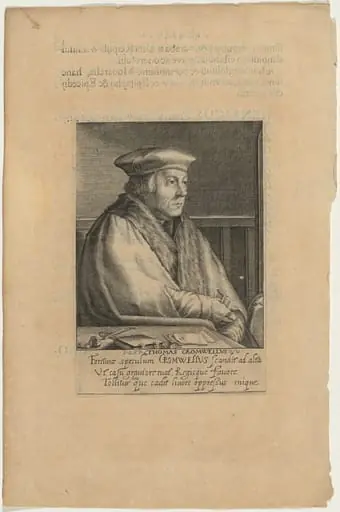 Thomas Cromwell, Earl of Essex
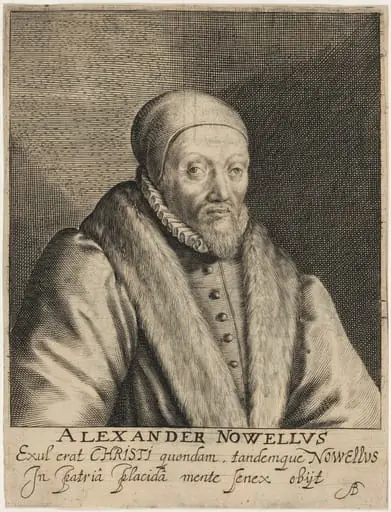 Alexander Nowell, Dean of Saint Paul's
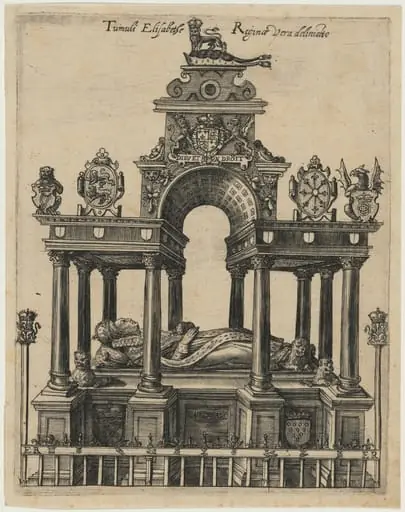 Elizabeth's Tomb
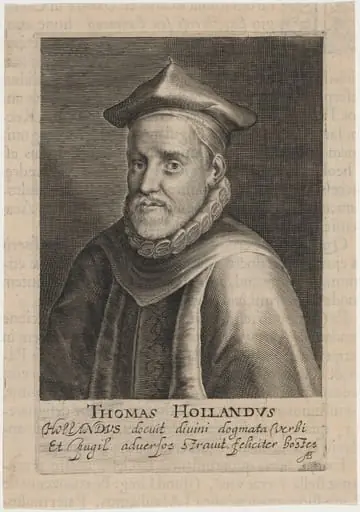 Thomas Holland, Regius Professor of Divinity at Oxford, and Rector of Exeter College
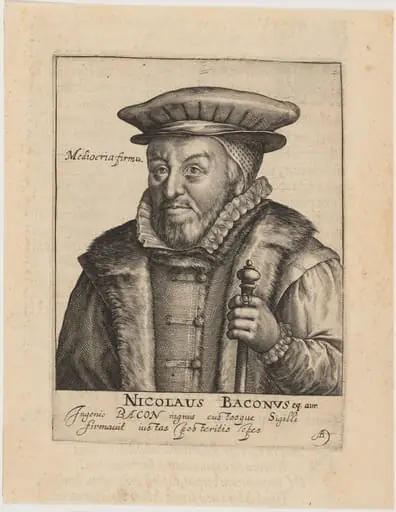 Sir Nicholas Bacon, Lord Keeper
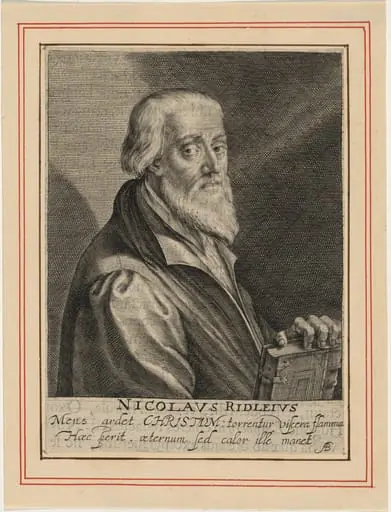 Nicholas Ridley, Bishop of London, Protestant Martyr
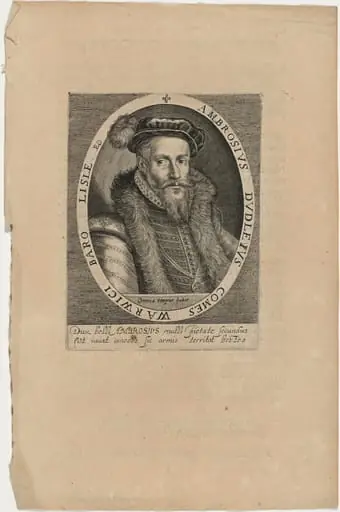 Ambrose Dudley, Earl of Warwick