Artwork
Edward Cecil, Viscount Wimbledon
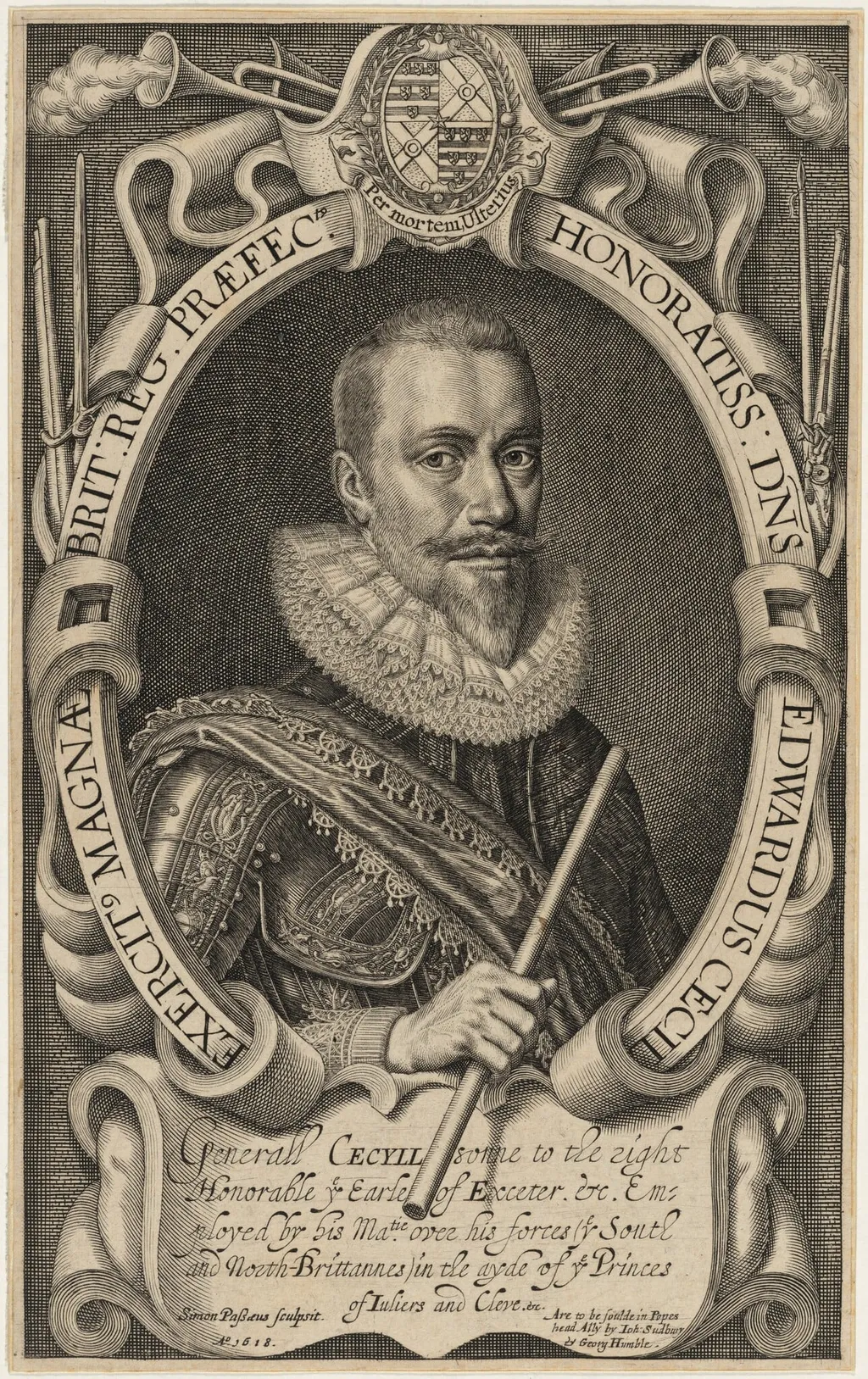
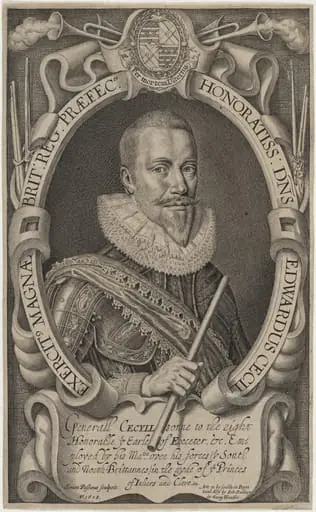
Edward Cecil, Viscount Wimbledon is an ink print by the Baroque artist Simon van de Passe. It dates from 1617 and is held in the collection of the National Gallery of Art.
About this work
Overview
The composition emphasizes dignity through precise detail and structured design, typical of early 17th-century print portraiture.
This 1617 engraving by Simon van de Passe depicts Edward Cecil, Viscount Wimbledon, a prominent English military figure. Rendered in fine line work, the portrait captures the subject in formal attire, framed within an ornate oval border. The composition emphasizes dignity through precise detail and structured design, typical of early 17th-century print portraiture. The work was produced as a reproductive image, intended for dissemination among elite circles.
Subject & Meaning
Edward Cecil, a soldier and courtier, is portrayed with attributes of authority: a ceremonial staff in hand and elaborate clothing signaling his status. The inclusion of a family coat of arms and heraldic trumpets reinforces his noble lineage and public role. The portrait functions not merely as likeness but as a statement of identity, aligning the sitter with ideals of aristocratic virtue and military service in Jacobean England.
Technique & Style
Van de Passe employed fine engraving techniques, using cross-hatching and delicate line variation to model form and texture. The ruffled collar, fabric folds, and facial features are rendered with meticulous attention to detail, creating a sense of three-dimensionality. The oval frame, adorned with decorative motifs, frames the figure with classical restraint, reflecting the Northern Mannerist tradition in which the artist was trained.
History & Provenance
Created in 1617, the engraving was likely commissioned to commemorate Cecil’s military achievements and social standing. It circulated among aristocratic and diplomatic networks in Europe, serving as both personal memento and political statement. The print survives in several institutional collections, with early impressions noted in British and Dutch archives, indicating its widespread reproduction and enduring recognition.
Context
In early 17th-century England, engraved portraits were vital tools for projecting status beyond the court. Van de Passe, a Dutch artist working in England, was part of a network of printmakers who translated painted likenesses into accessible formats. This work reflects the fusion of Dutch technical precision with English aristocratic iconography, illustrating the transnational nature of elite visual culture at the time.
Legacy
The engraving stands as an example of how print media extended the reach of portraiture beyond painted originals. Van de Passe’s skill in translating texture and presence into line influenced later generations of engravers. Though not widely known today, the image remains a documented artifact of Jacobean nobility and the role of print in shaping public perception of power.
Artist & collection

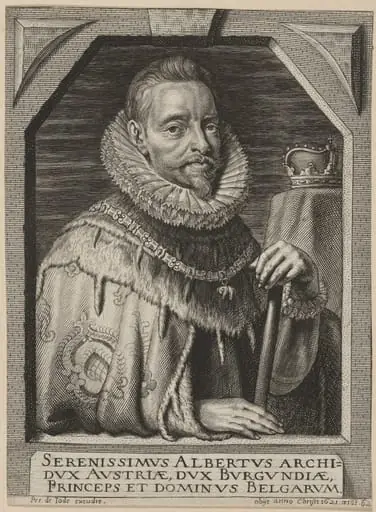 Albert VII, Archduke of Austria
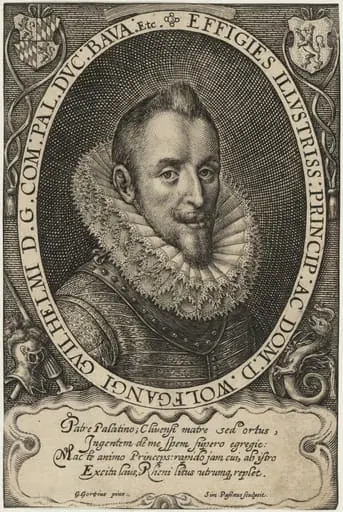 Wolfgang William, Count Palatine
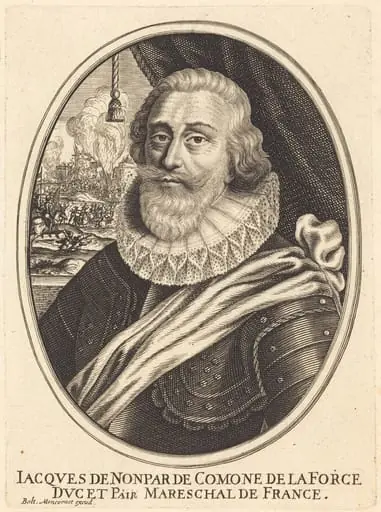 Jacques de la Force
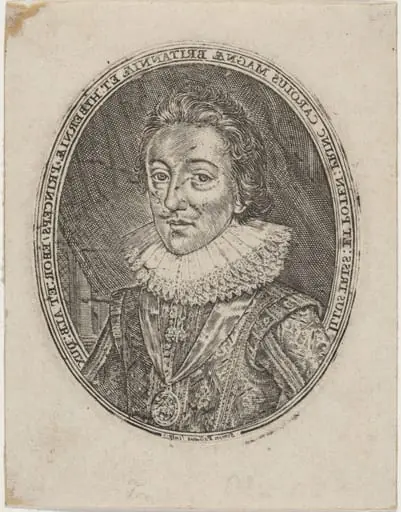 Charles I, King of England
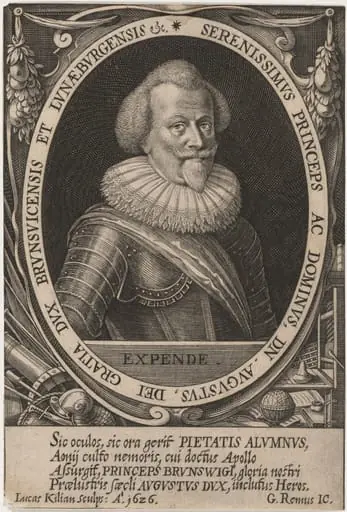 Augustus II, Duke of Brunswick
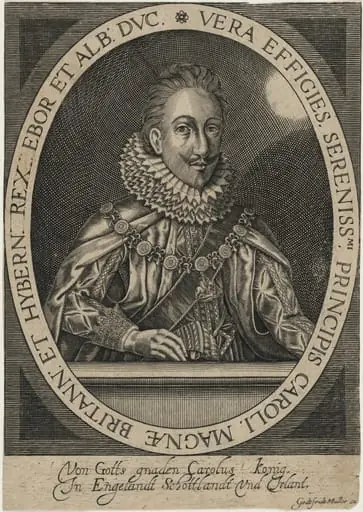 Charles I
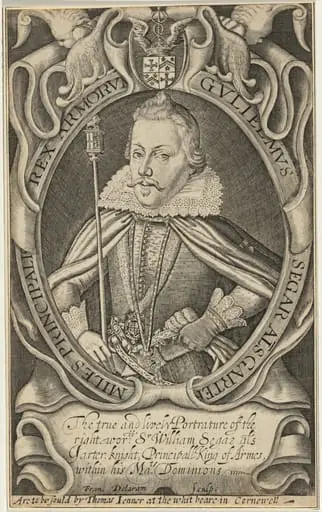 Guliemus Segar (Sir William Segar)
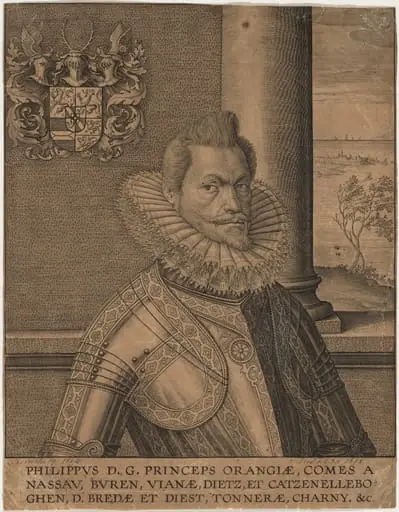 Philip William, Prince of Orange
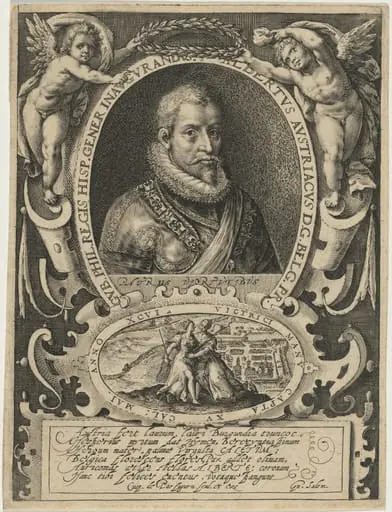 Albert of Austria, Archduke
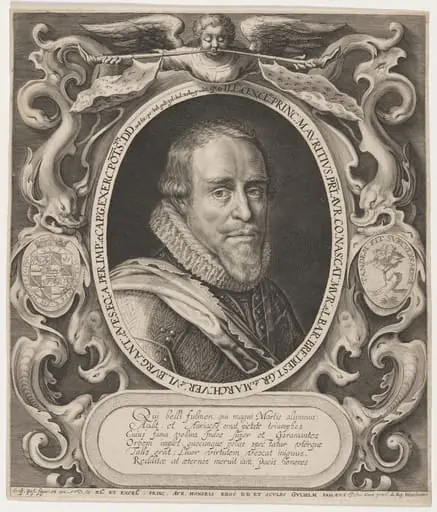 Maurice of Nassau, Prince of Orange
 Edward Cecil, Viscount Wimbledon
 Philip III, King of Spain