Artwork
Jan van den Wouwer
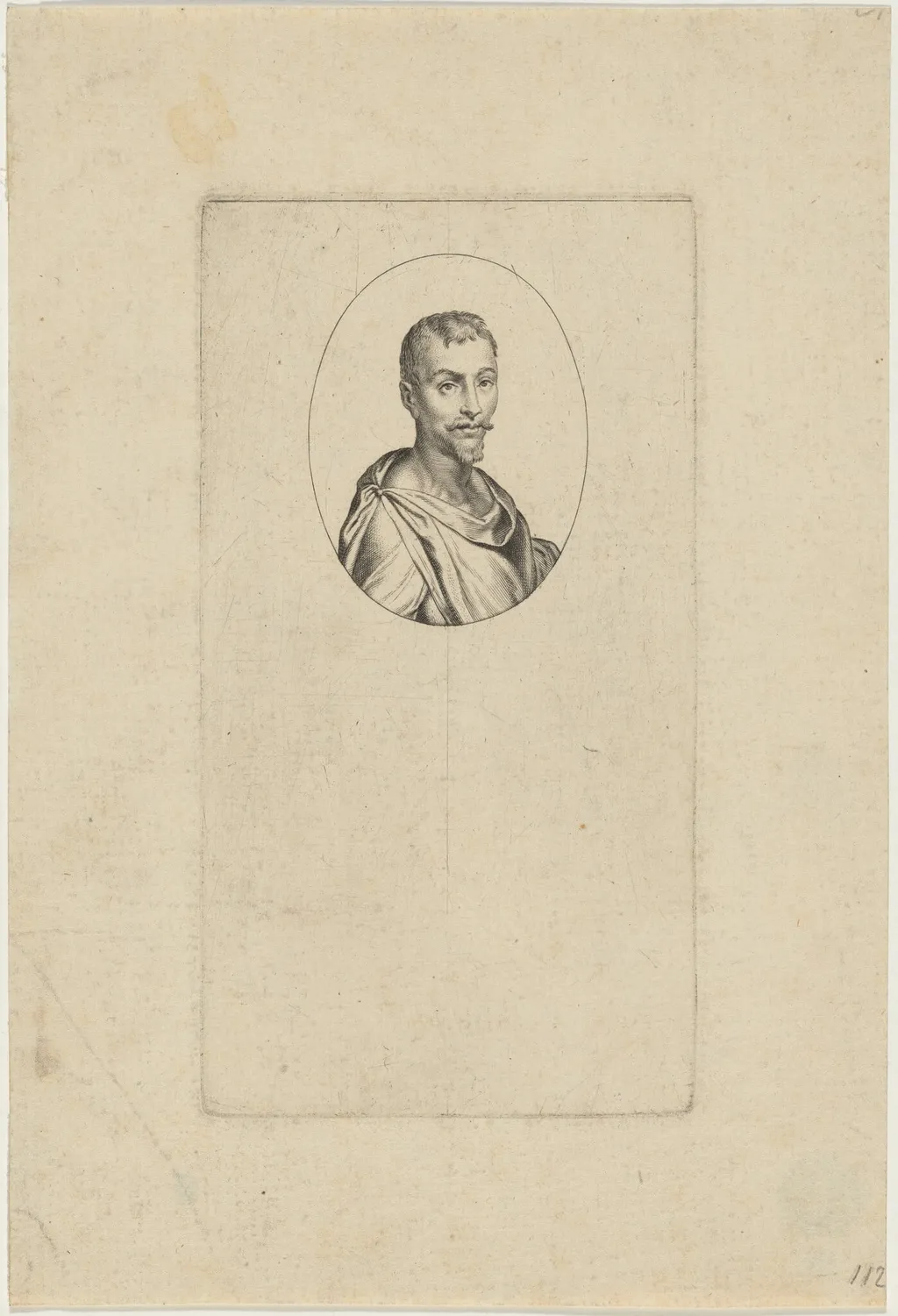
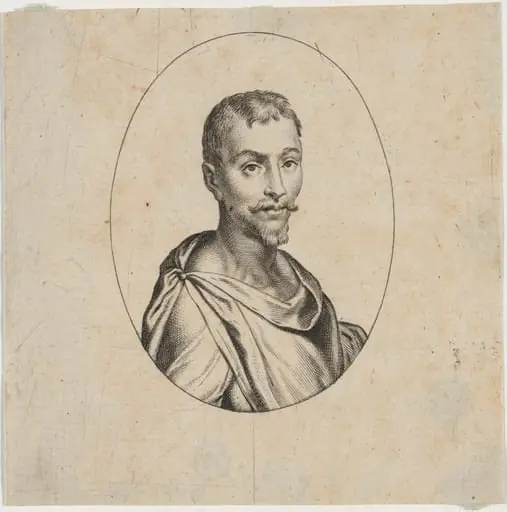
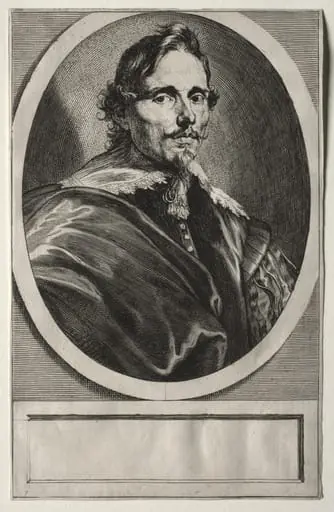
Jan van den Wouwer is an ink print by the Renaissance artist Netherlandish 16th Century. It dates from 1600 and is held in the collection of the National Gallery of Art.
About this work
Overview
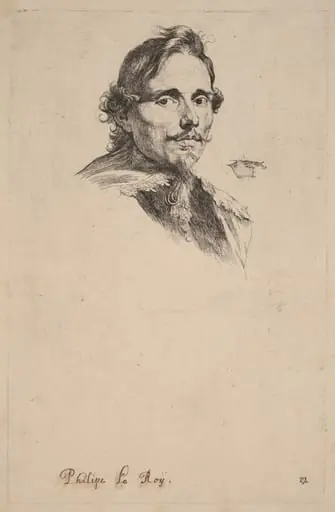
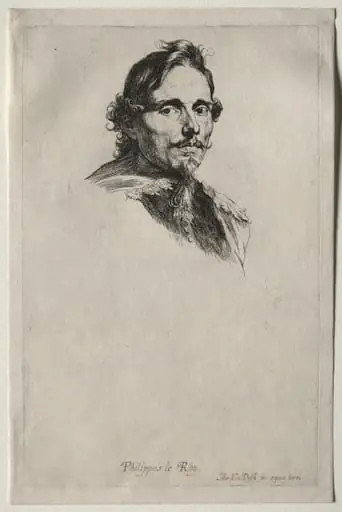
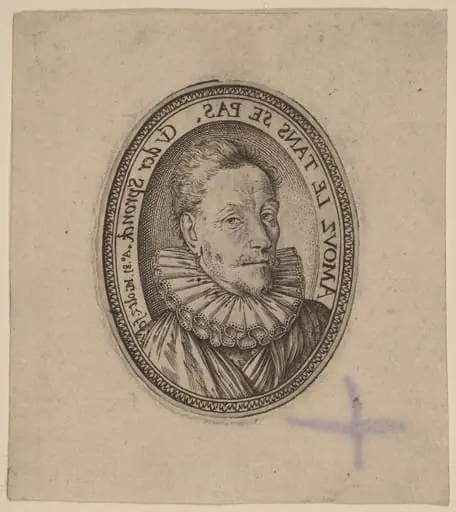
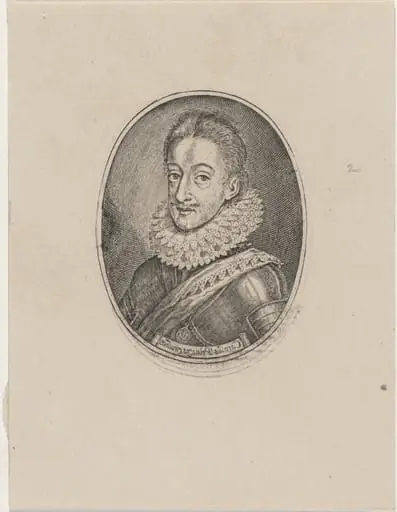
This engraving by Jan van den Wouwer depicts a male figure in a simple, draped robe, rendered with precise linear detail on laid paper. Set against an empty background, the subject faces slightly to the right with a calm, unexpressive gaze. The work exemplifies the restrained portraiture common in Northern Renaissance printmaking, emphasizing clarity and subtle modeling over decorative flourish.
Subject & Meaning
The identity of the sitter is not recorded, but his attire and composed demeanor suggest a person of modest social standing, possibly a scholar or civic figure.
The identity of the sitter is not recorded, but his attire and composed demeanor suggest a person of modest social standing, possibly a scholar or civic figure. The absence of symbolic objects or heraldic elements points to an emphasis on personal presence rather than status markers. The neutral expression invites contemplation, aligning with Renaissance ideals of inner dignity and quiet reflection.
Technique & Style
The portrait is executed in fine, controlled engraving lines that define form through tone and texture rather than shading. Hair, fabric folds, and facial contours are rendered with meticulous precision, characteristic of Northern European printmakers of the period. The lack of background or contextual elements focuses attention entirely on the figure’s likeness and the craftsmanship of the line work.
History & Provenance
The print’s origin is tied to Jan van den Wouwer’s activity as a printmaker in the Southern Netherlands during the late 16th or early 17th century. Few records survive regarding its initial commission or circulation, but its technical quality suggests it was produced for a private or scholarly audience rather than mass distribution.
Context
This work reflects the broader Renaissance trend in the Low Countries of producing intimate, lifelike portraits through print media. Engravings like this served as portable likenesses, circulated among intellectuals and collectors. The style diverges from Italian grandeur, favoring restrained realism and attention to individual detail over idealization.
Legacy
Van den Wouwer’s engraving contributes to a body of Northern Renaissance prints that prioritized technical mastery and psychological subtlety. While not widely known today, such works helped establish the portrait as a standalone genre in print, influencing later generations of engravers who valued precision and quiet expression over spectacle.
Artist & collection

Artist
This artist carved scenes with fine lines, mostly religious and mythological ones.