Artwork
Abraão envia Eliezer a Procurar Esposa para Isaac
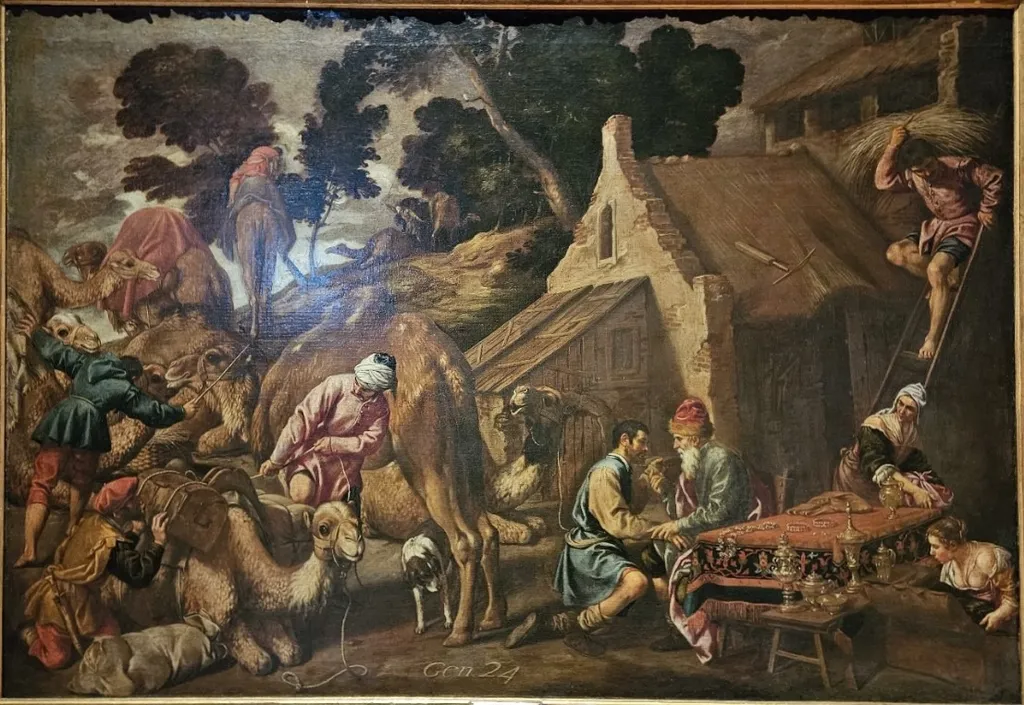
Abraão envia Eliezer a Procurar Esposa para Isaac is an unspecified painting by the Early Baroque Italian artist Pedro Orrente. It dates from 1625 and is held in the collection of the National Museum of Ancient Art.
About this work
Overview
Executed in the early Baroque style, the painting reflects Orrente’s commitment to naturalism, grounding a sacred narrative in observable, everyday details.
Painted in 1625 by Spanish artist Pedro Orrente, this work illustrates a moment from the Book of Genesis: Abraham dispatching his servant Eliezer to find a bride for Isaac. Executed in the early Baroque style, the painting reflects Orrente’s commitment to naturalism, grounding a sacred narrative in observable, everyday details. It is currently held in the collection of the National Museum of Ancient Art in Lisbon.
Subject & Meaning
The scene captures the moment Abraham entrusts Eliezer with the task of securing a wife from his kin in Mesopotamia, as instructed by divine will. Rather than emphasizing grandeur, Orrente focuses on quiet preparation—figures arranging supplies, animals being readied, and gestures of trust. The domestic setting underscores the theme of faith expressed through ordinary action, aligning with Counter-Reformation ideals of humility and devotion.
Technique & Style
Orrente employs a muted palette and soft, diffused light to enhance the painting’s realism. Figures are rendered with attention to texture in fabric and skin, while animals and landscape elements are observed with documentary precision. The composition avoids dramatic tension, instead arranging bodies and objects in a calm, horizontal rhythm that invites contemplation rather than awe.
History & Provenance
The painting was created during Orrente’s mature period, when he was active in Valencia and influenced by Caravaggisti and Flemish realism. It entered the collection of the National Museum of Ancient Art in the 19th century, likely through royal or ecclesiastical acquisitions. Its survival in relatively intact condition reflects its early recognition as a significant regional work.
Context
In early 17th-century Spain, religious subjects dominated painting, but artists increasingly sought to humanize biblical stories. Orrente’s approach aligned with broader trends in Iberian art that favored intimate, lifelike depictions over idealized forms. This painting reflects a shift toward narrative clarity and emotional restraint, responding to both theological demands and emerging naturalist aesthetics.
Legacy
Though not widely known outside Portugal and Spain, the painting exemplifies how regional Baroque painters adapted broader European styles to local sensibilities. Orrente’s focus on mundane details in sacred scenes influenced later Spanish and Portuguese artists who prioritized authenticity over theatricality, contributing to a quieter, more introspective strand of religious art.
Artist & collection
Artist
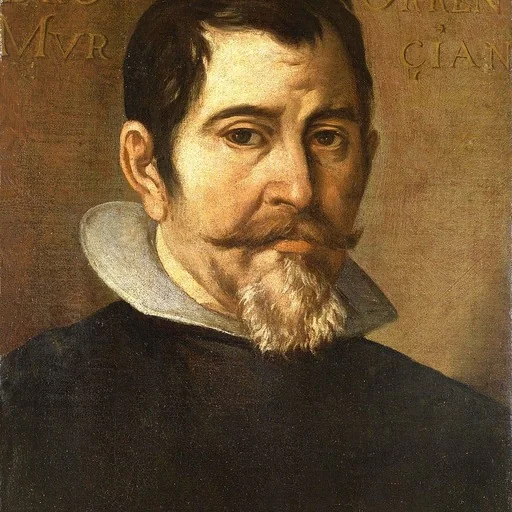
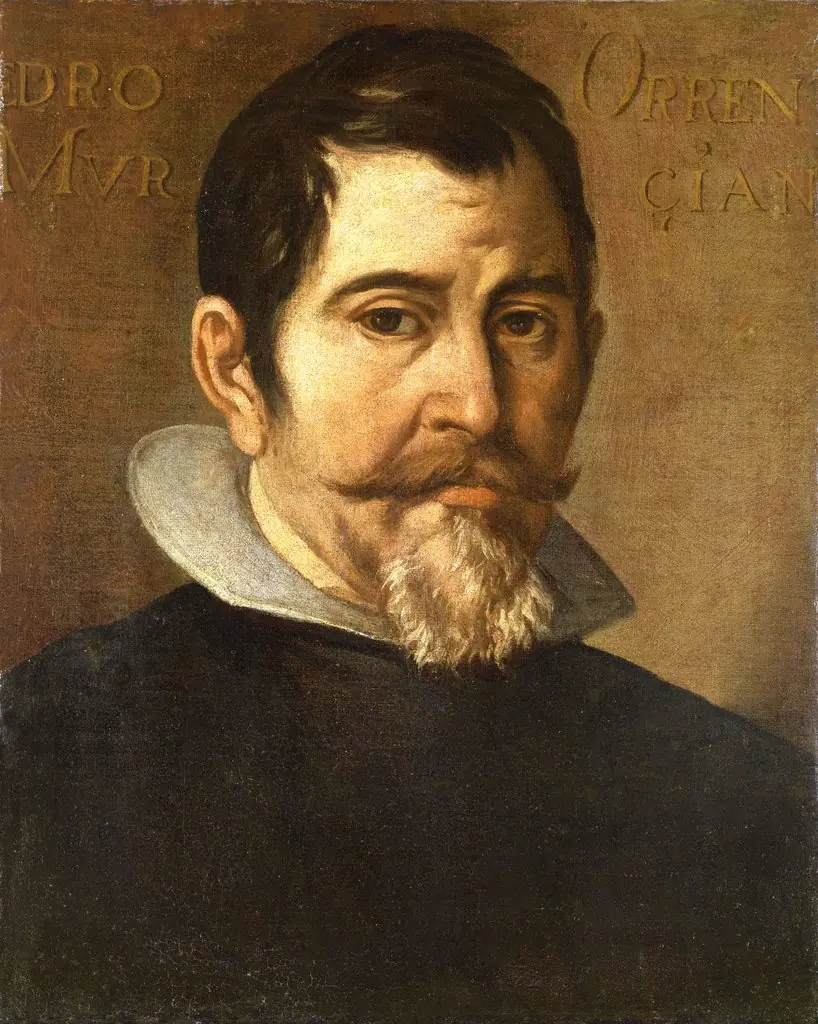
Pedro de Orrente (April 1580 – 19 January 1645) was a Spanish painter of the early Baroque period. He became one of the first artists in that part of Spain to paint in a Naturalistic style.

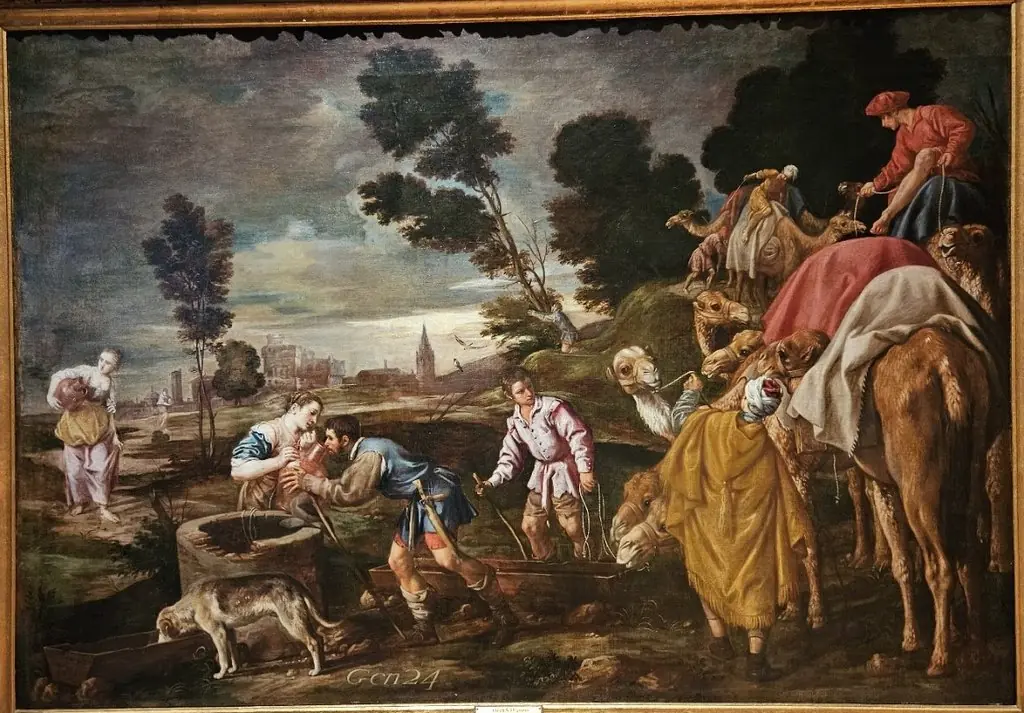 Encontro de Rebeca e Eliezer no Poço
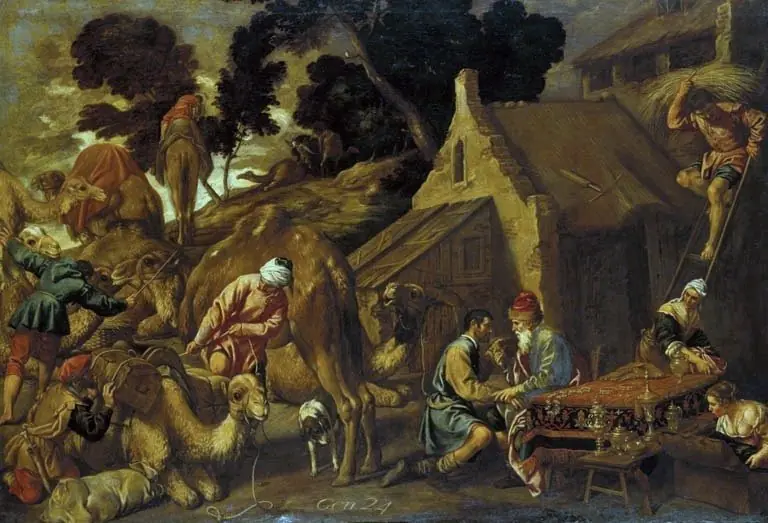 Abraham sends Eliezer to find a wife for Isaac
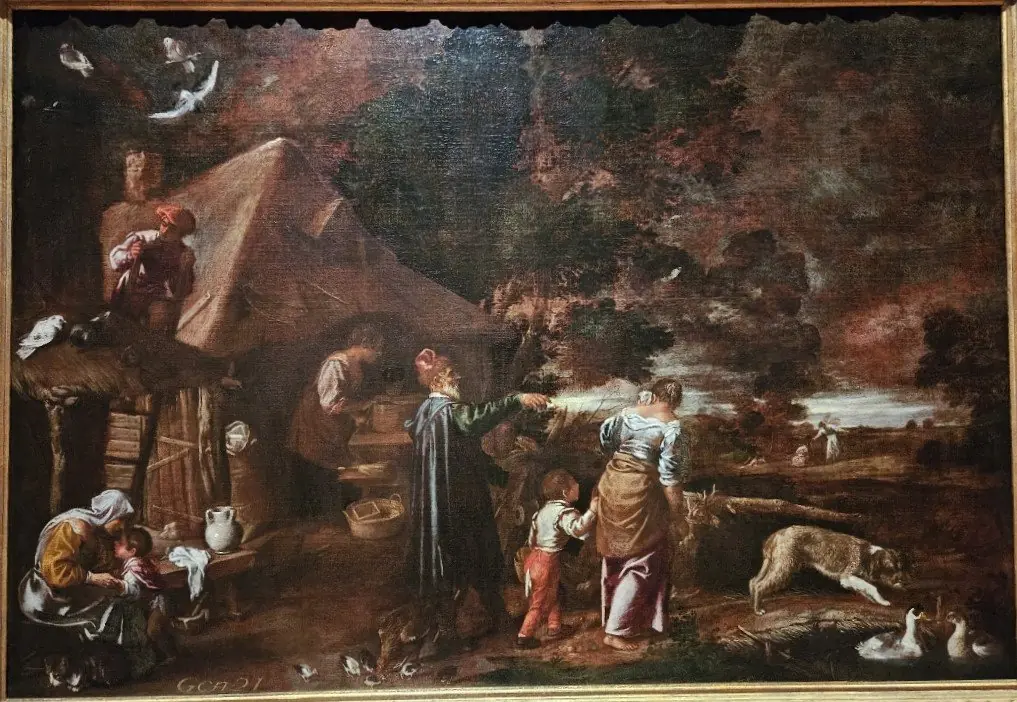 Repúdio de Agar
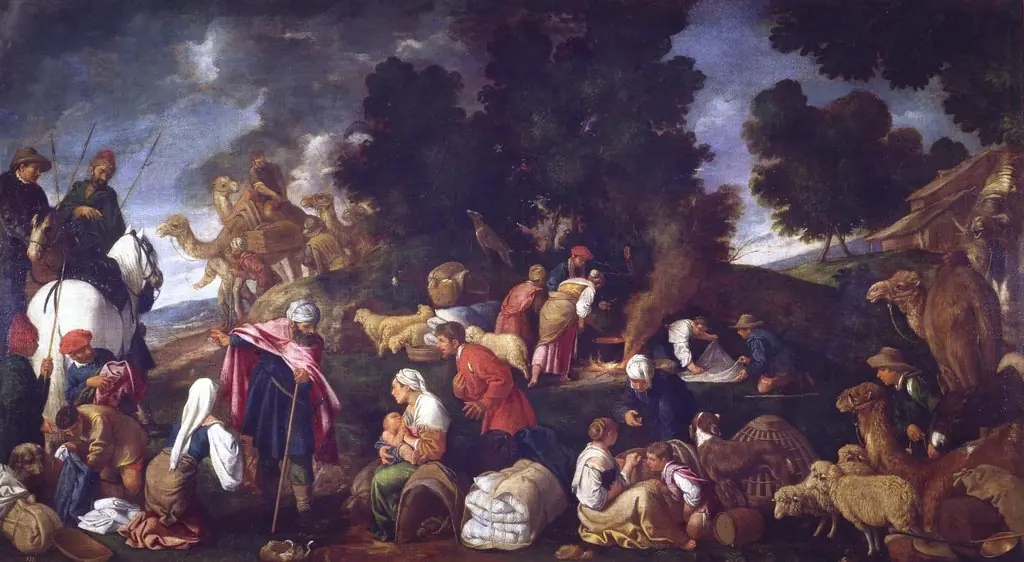 Labán busca los ídolos
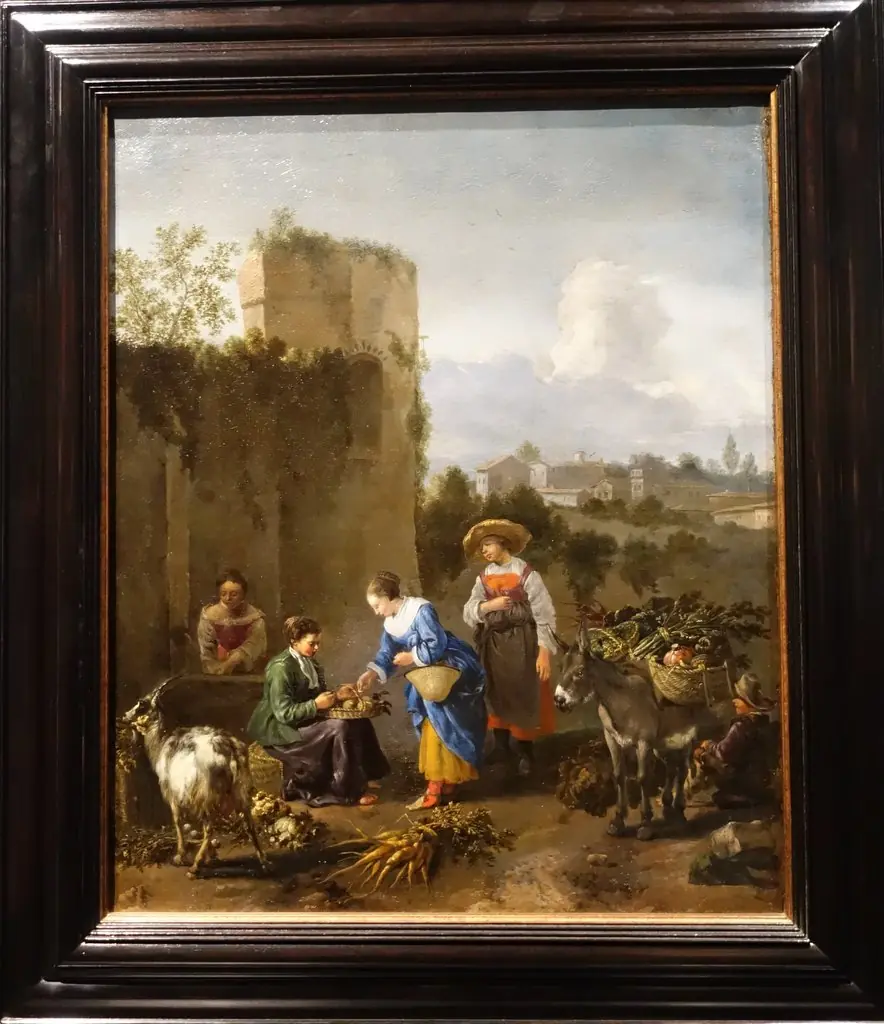 Woman Selling Vegetables
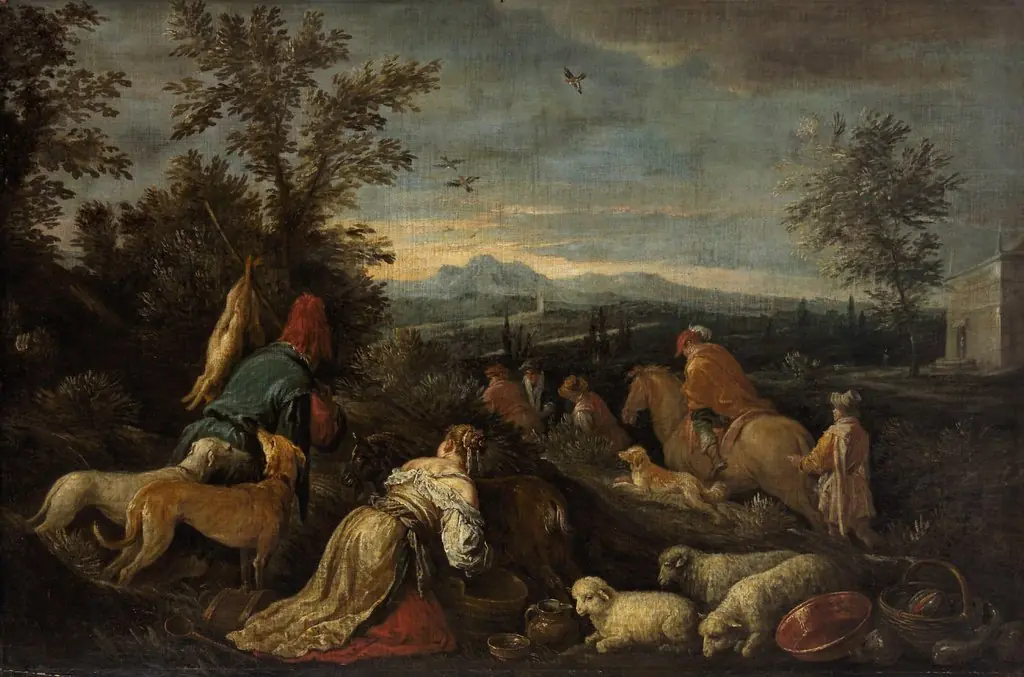 Jagd
Jagd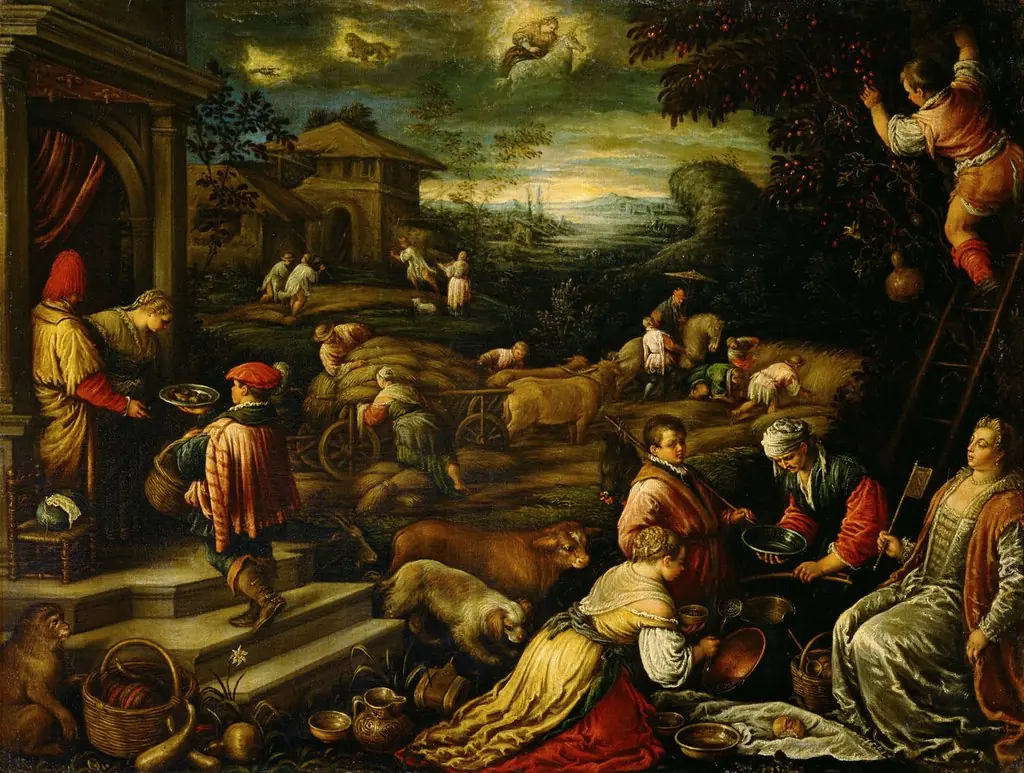 Summer (June, July, August)
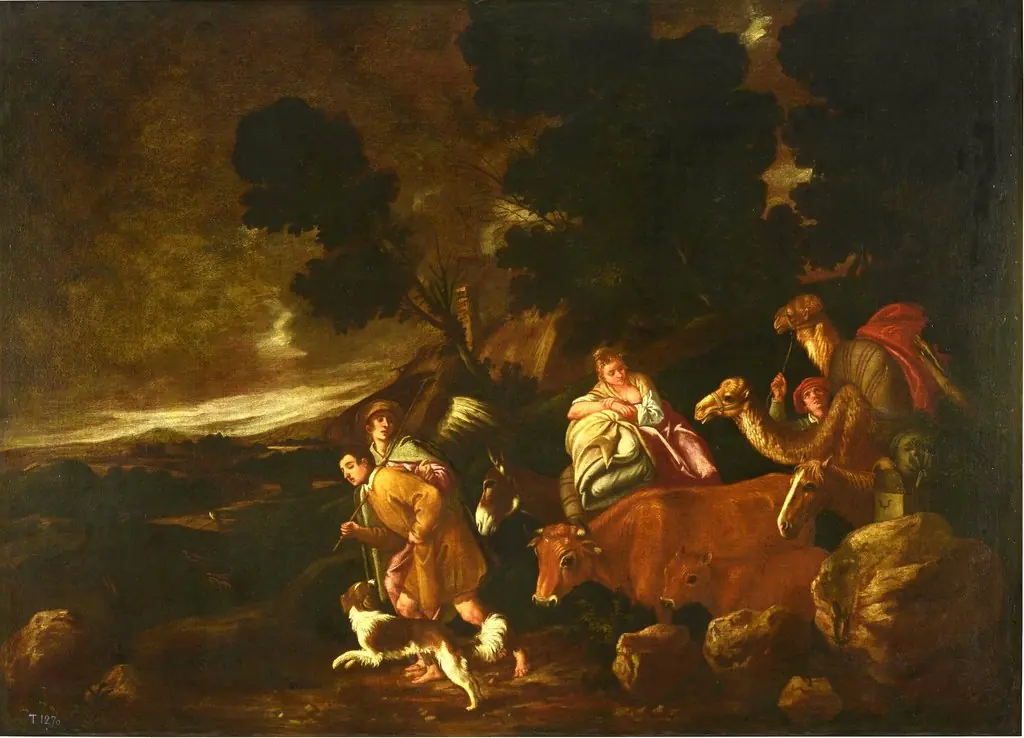 Viaje de Tobías y Sara
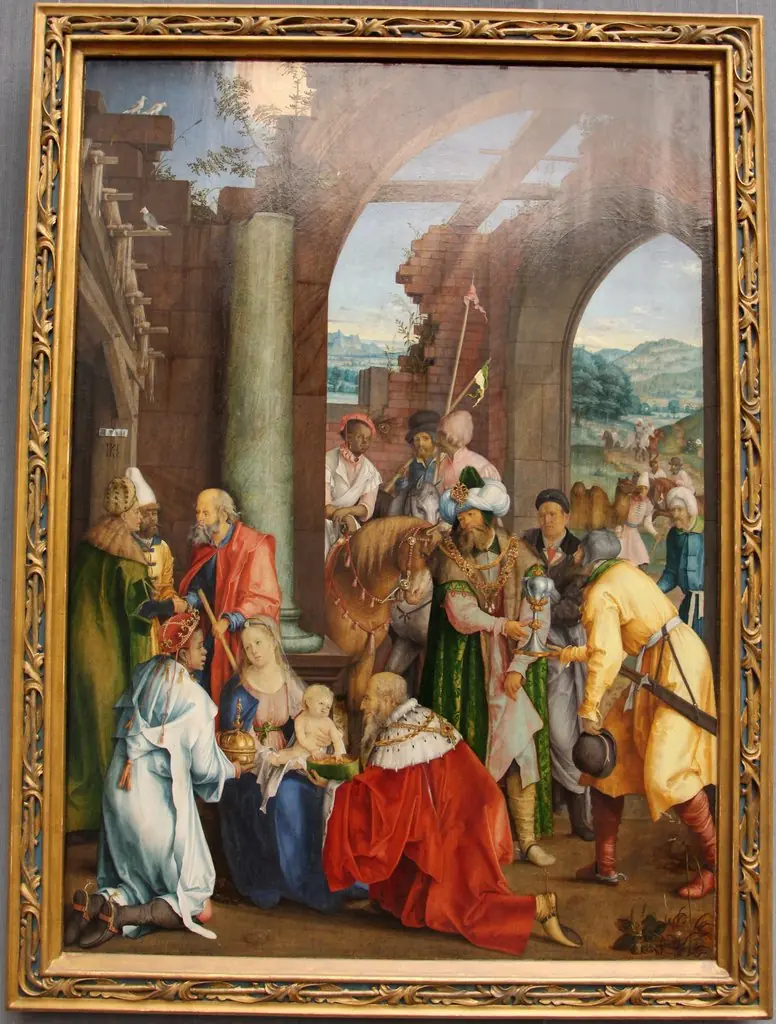 Adoration of the Magi
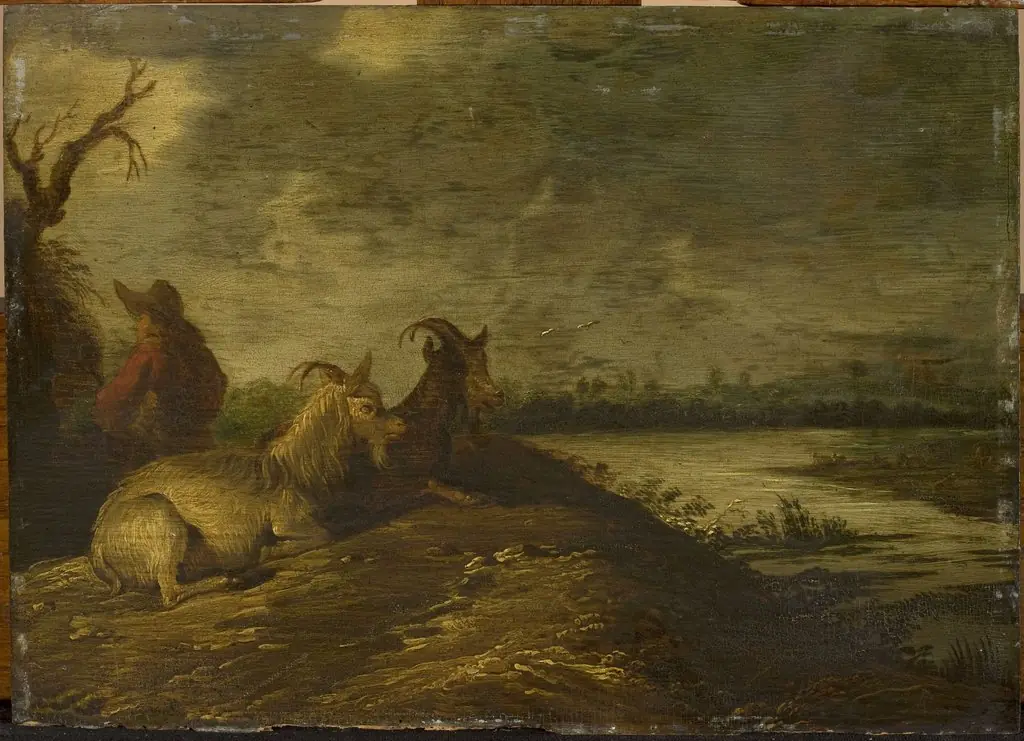 Landscape with goats
 Joseph Explaining His Dream to His Brothers
 Abraão separa-se de Lot