Artwork
Repúdio de Agar
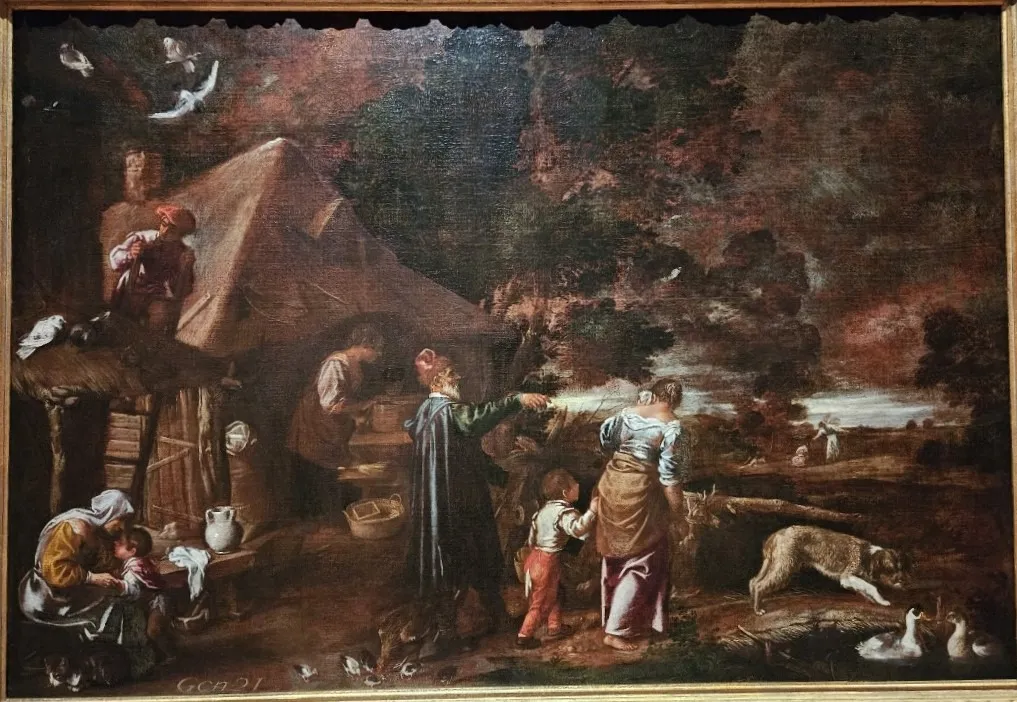
Repúdio de Agar is an unspecified painting by the Spanish Baroque Tenebrist artist Pedro Orrente. It dates from 1625 and is held in the collection of the National Museum of Ancient Art.
About this work
Overview
Created in 1625 by Spanish painter Pedro Orrente, *Repúdio de Agar* exemplifies the early Baroque’s naturalistic sensibility. Executed within the tenebrist strand of Spanish Baroque, the canvas presents a biblical episode involving Abraham, Hagar, and their child. The work is part of the collection of the National Museum of Ancient Art, where it remains on display.
Subject & Meaning
The composition portrays the moment when Abraham turns away from Hagar and her infant, a narrative drawn from Genesis. Orrente emphasizes the emotional distance through the gestures of the figures: a robed man points away while a second woman attends a child, underscoring themes of rejection and maternal care within the biblical story.
Technique & Style
Orrente employs a muted palette dominated by earth tones, allowing the chiaroscuro of tenebrism to model the forms. Brushwork is loose and expressive, with textured passages that suggest foliage and animal fur. The inclusion of a dog and birds adds a naturalistic layer, reinforcing the painter’s interest in everyday surroundings.
History & Provenance
After its completion in the mid‑1620s, the painting entered private collections before being acquired by the National Museum of Ancient Art in Lisbon. Its provenance reflects the typical movement of Spanish Baroque works into Iberian institutions during the 19th and early 20th centuries.
Context
Orrente’s oeuvre often merges religious narratives with genre‑like depictions of rural life, a hallmark of Spanish Baroque art. By situating a sacred story within a familiar landscape populated by animals and domestic figures, the work aligns with contemporary efforts to render biblical events accessible to a broader audience.
Artist & collection
Artist
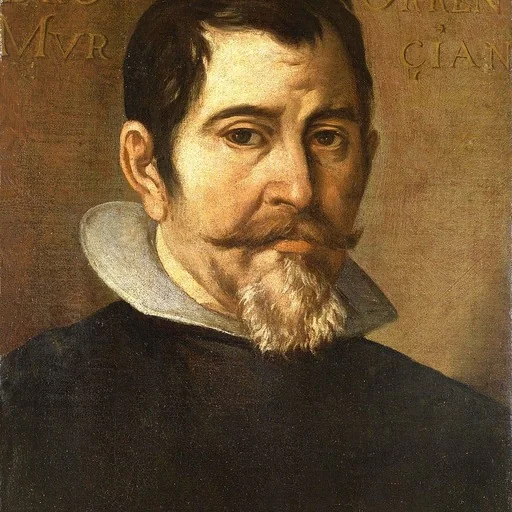
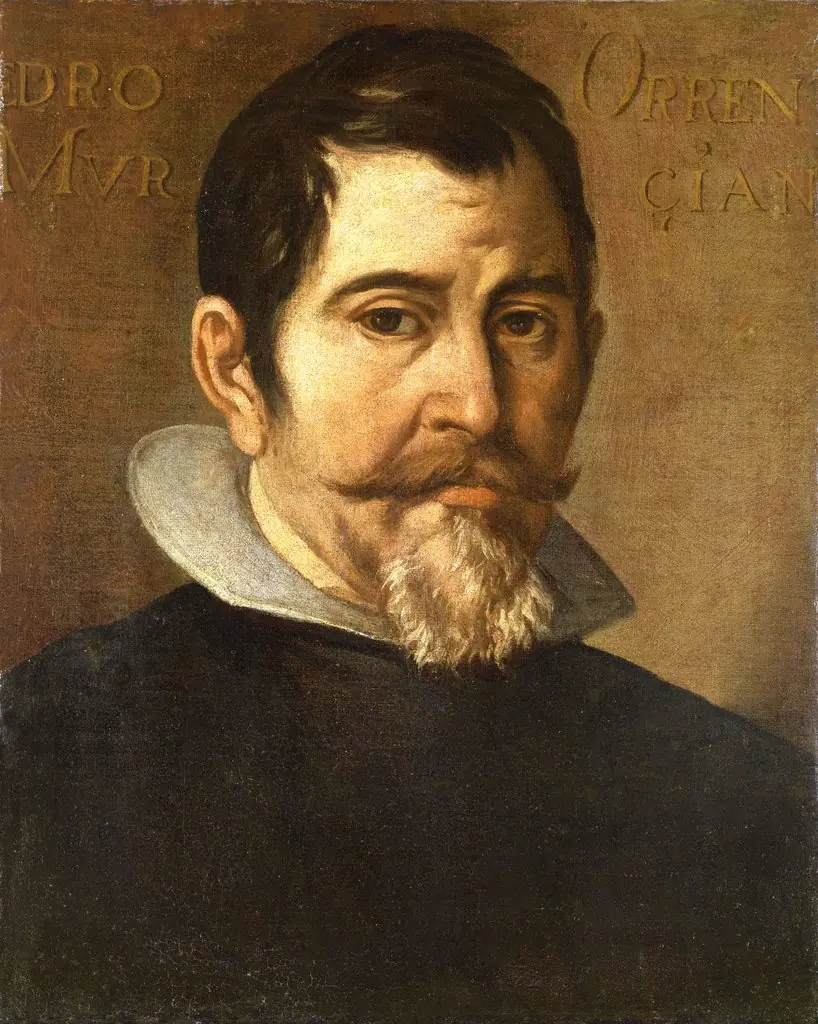
Pedro de Orrente (April 1580 – 19 January 1645) was a Spanish painter of the early Baroque period. He became one of the first artists in that part of Spain to paint in a Naturalistic style.

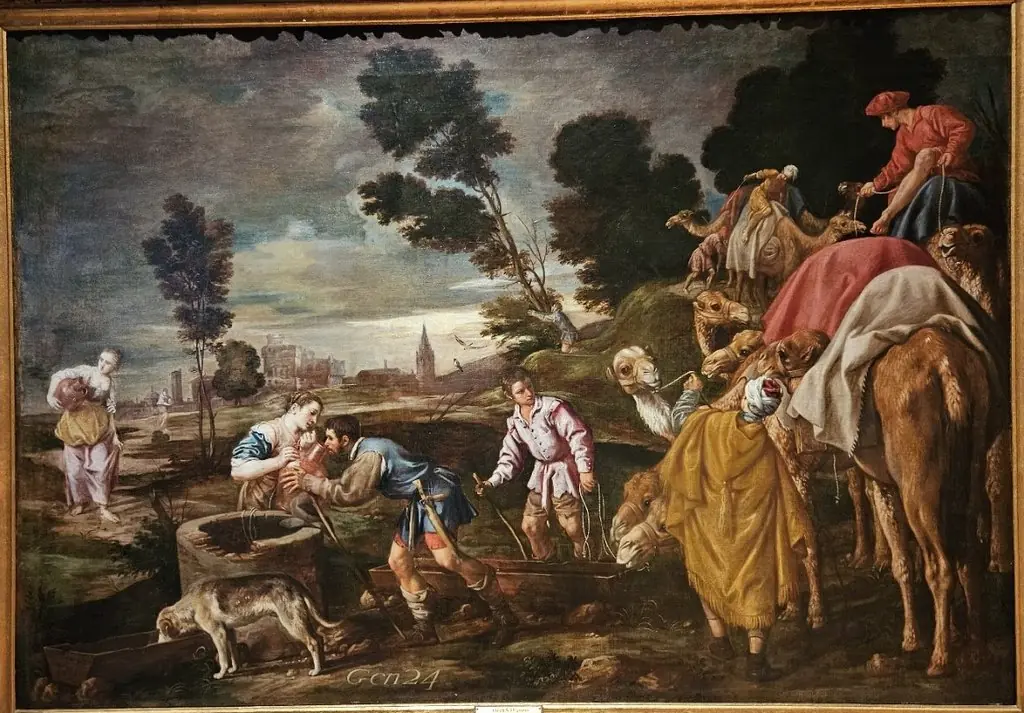 Encontro de Rebeca e Eliezer no Poço
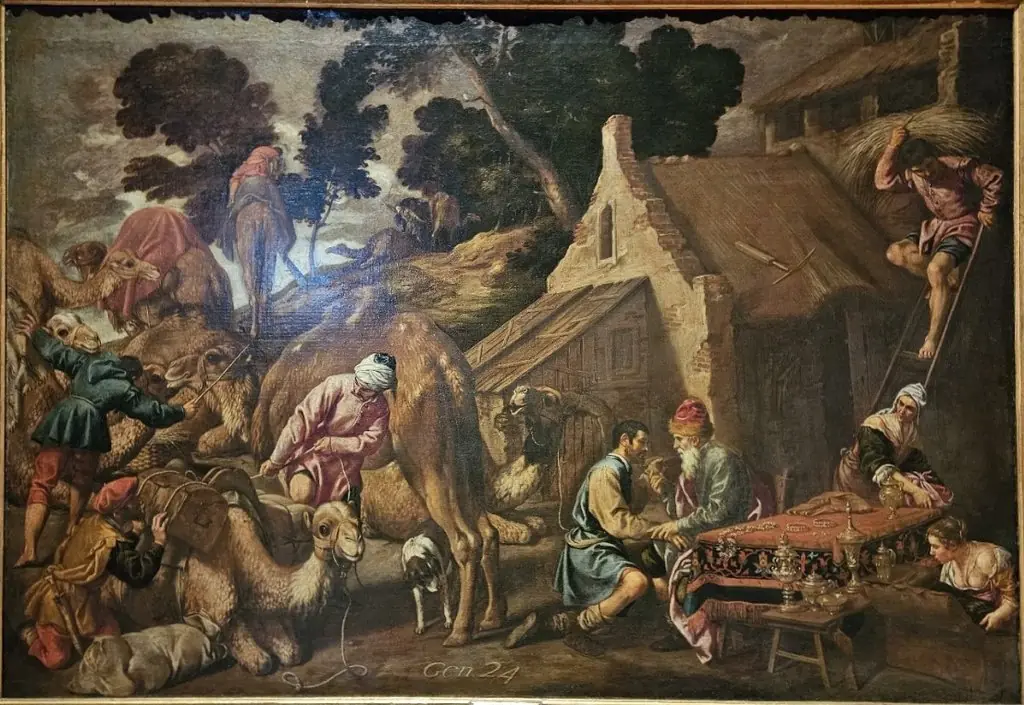 Abraão envia Eliezer a Procurar Esposa para Isaac
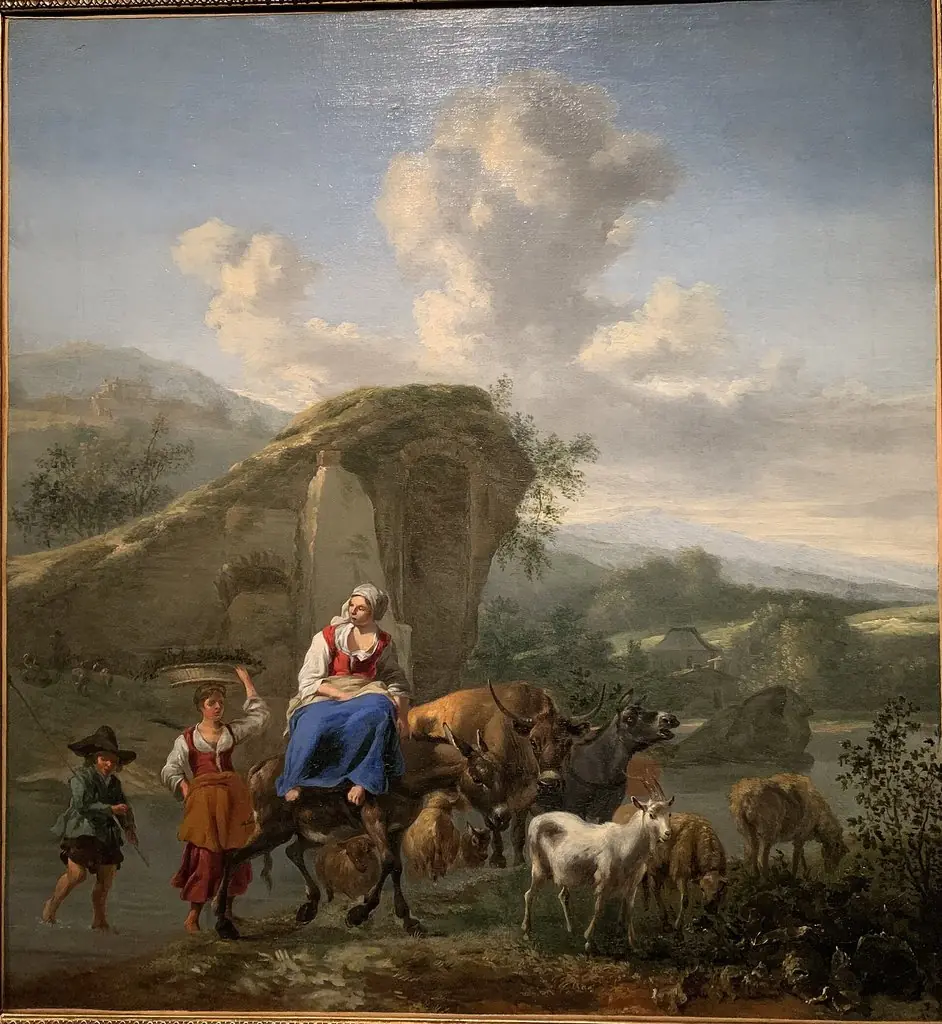 Shepherds at a Ford
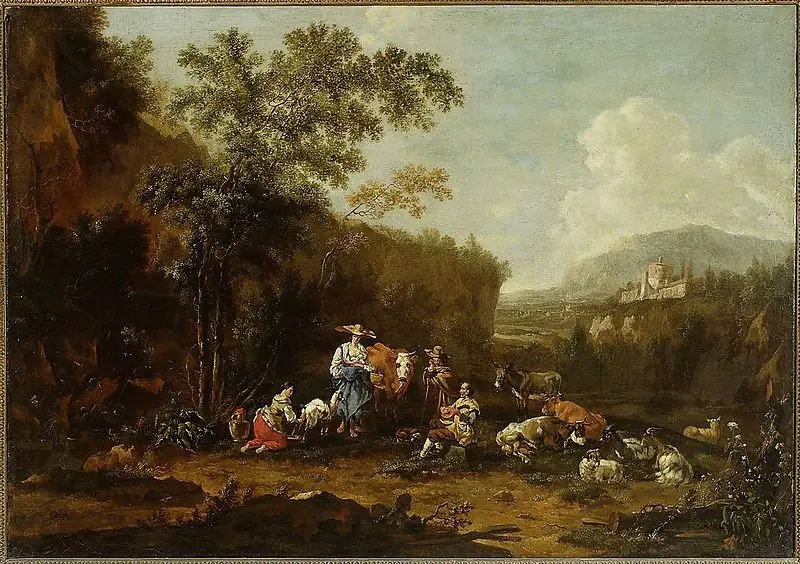 Italian landscape with a group of shepherds
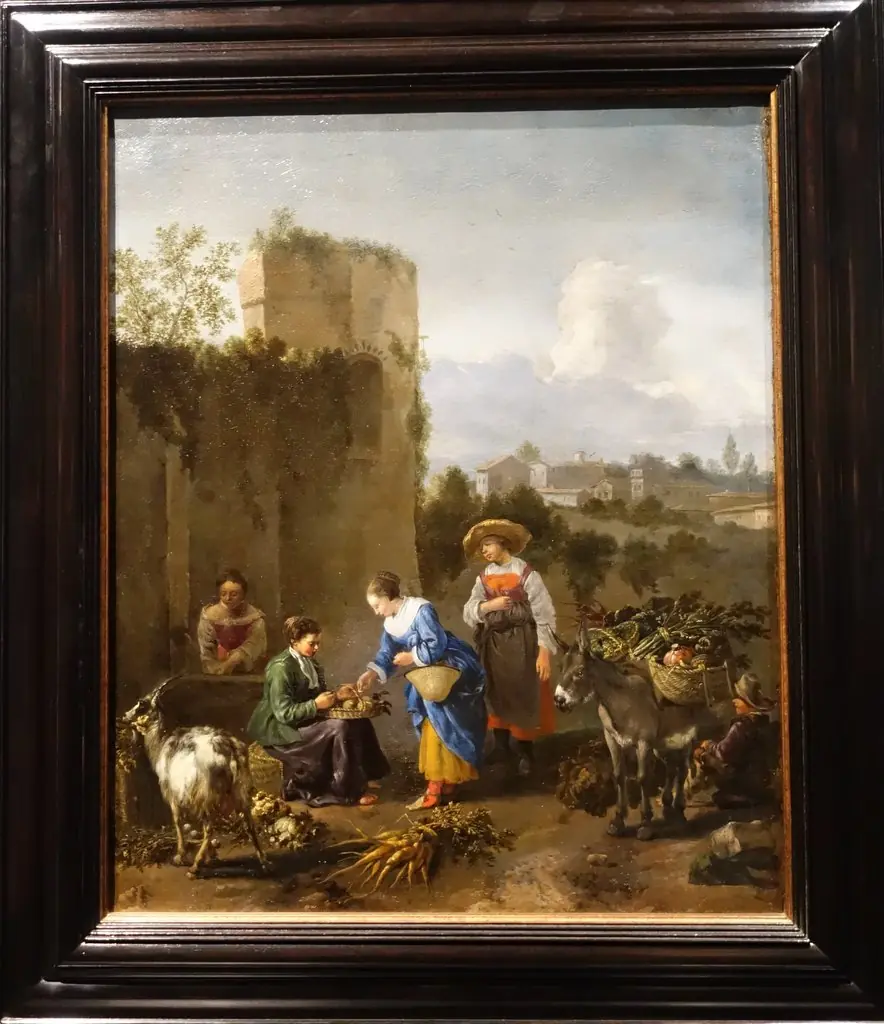 Woman Selling Vegetables
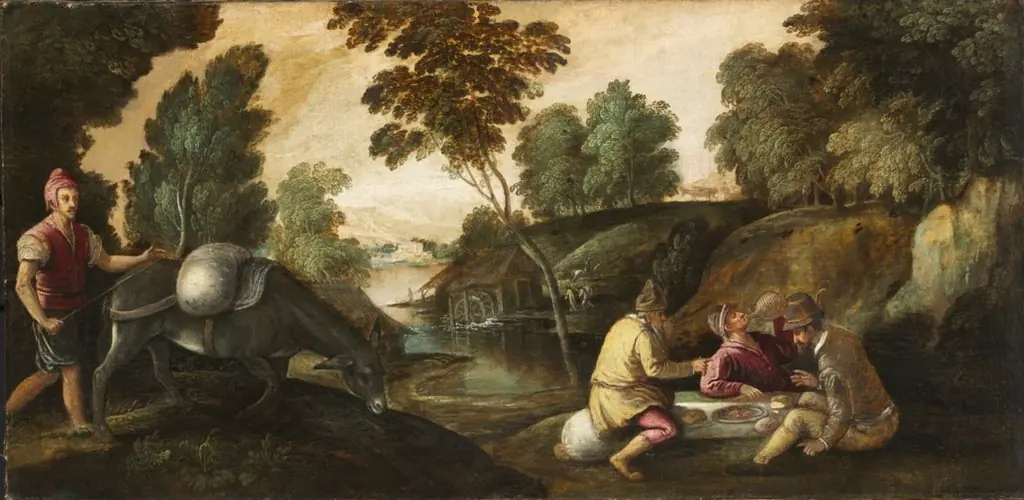 The Reconciliation of Jacob and Laban
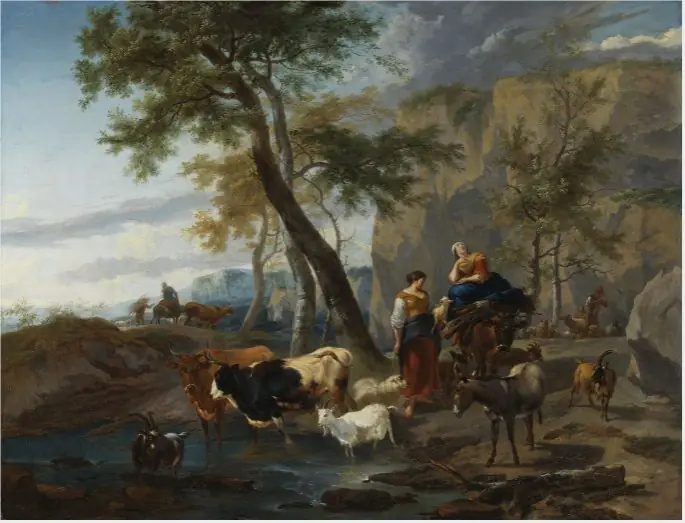 A Landscape with a Ford
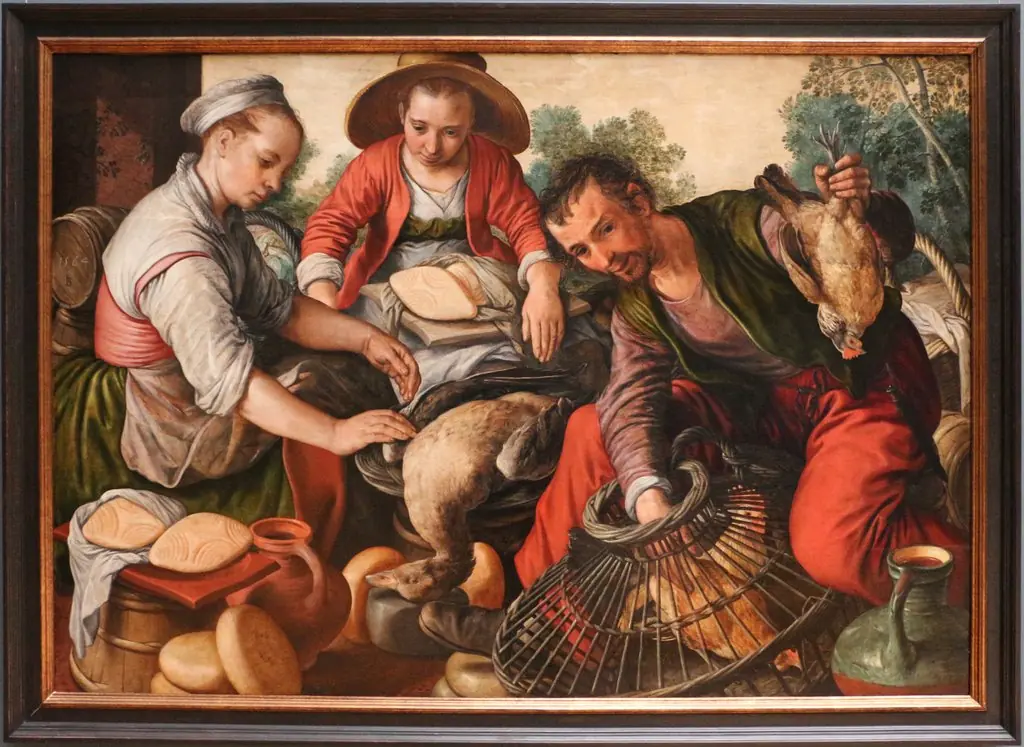 Poultry market
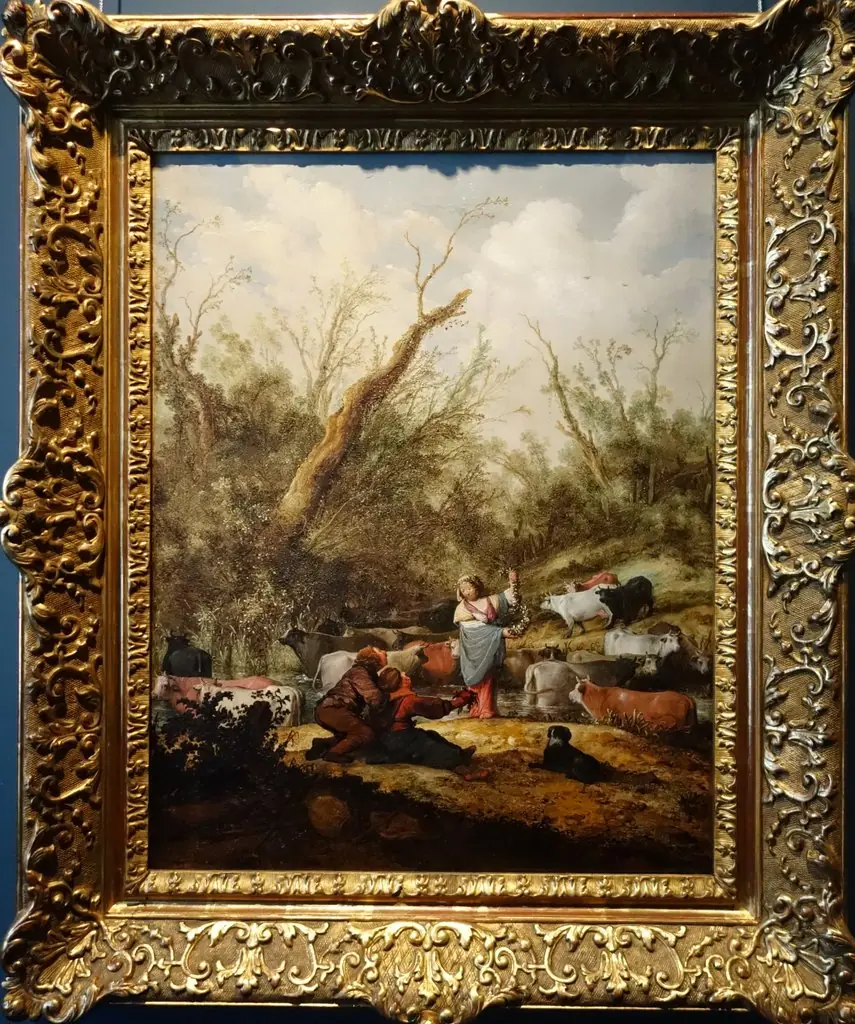 Pastoral scene
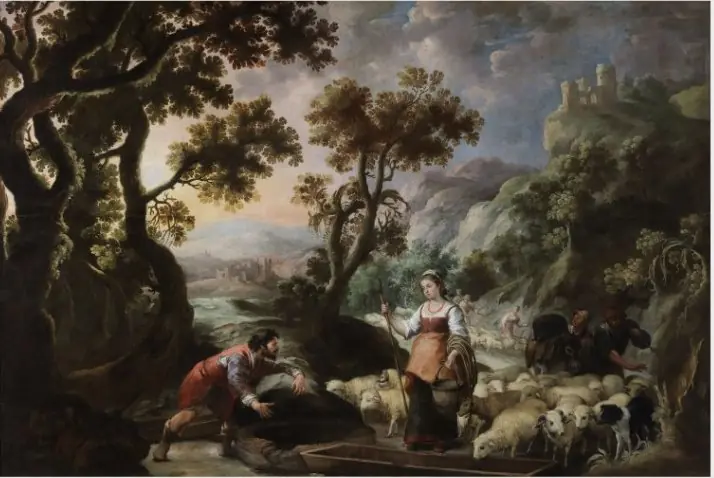 The Meeting of Jacob and Rachel at the Well
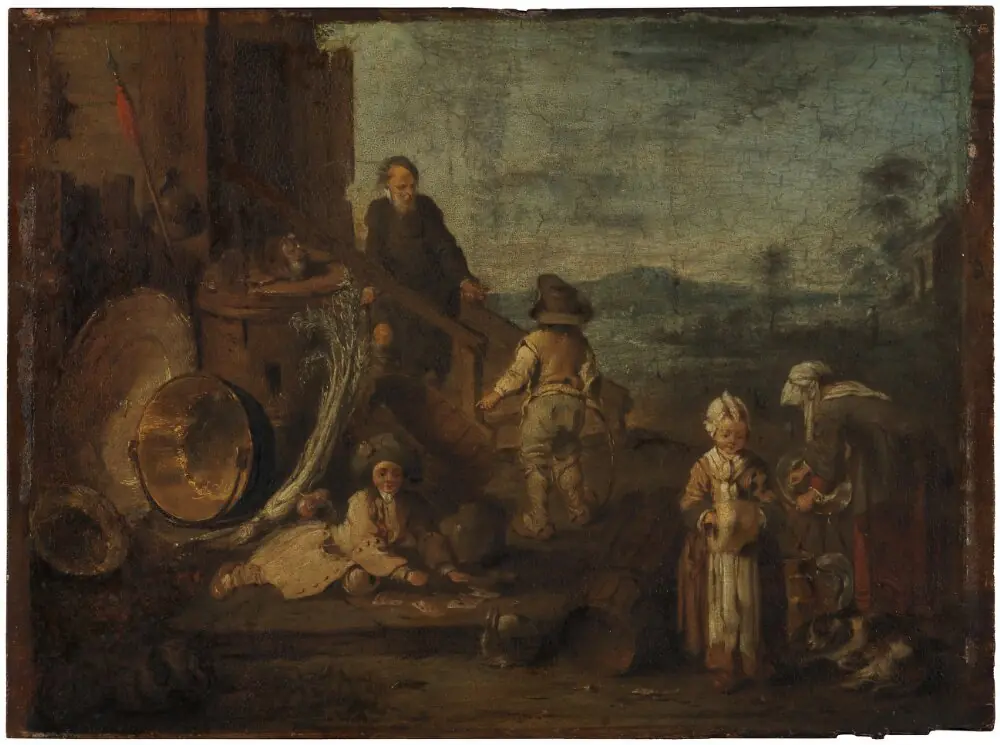 Rural Scene in front of a Peasant's Cottage
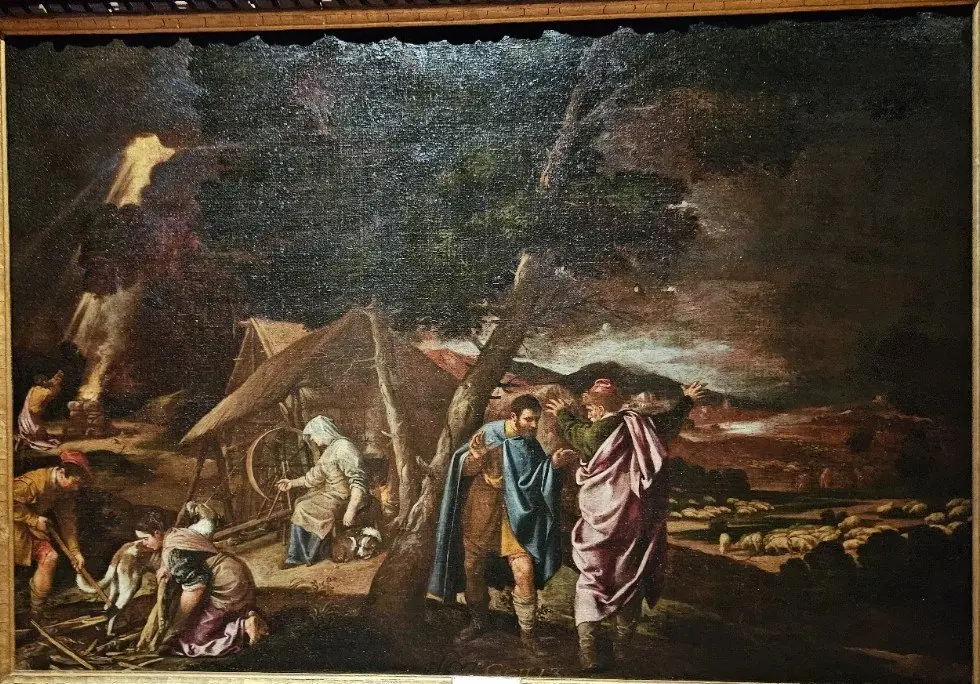 Abraão separa-se de Lot