Artwork
The Tourist
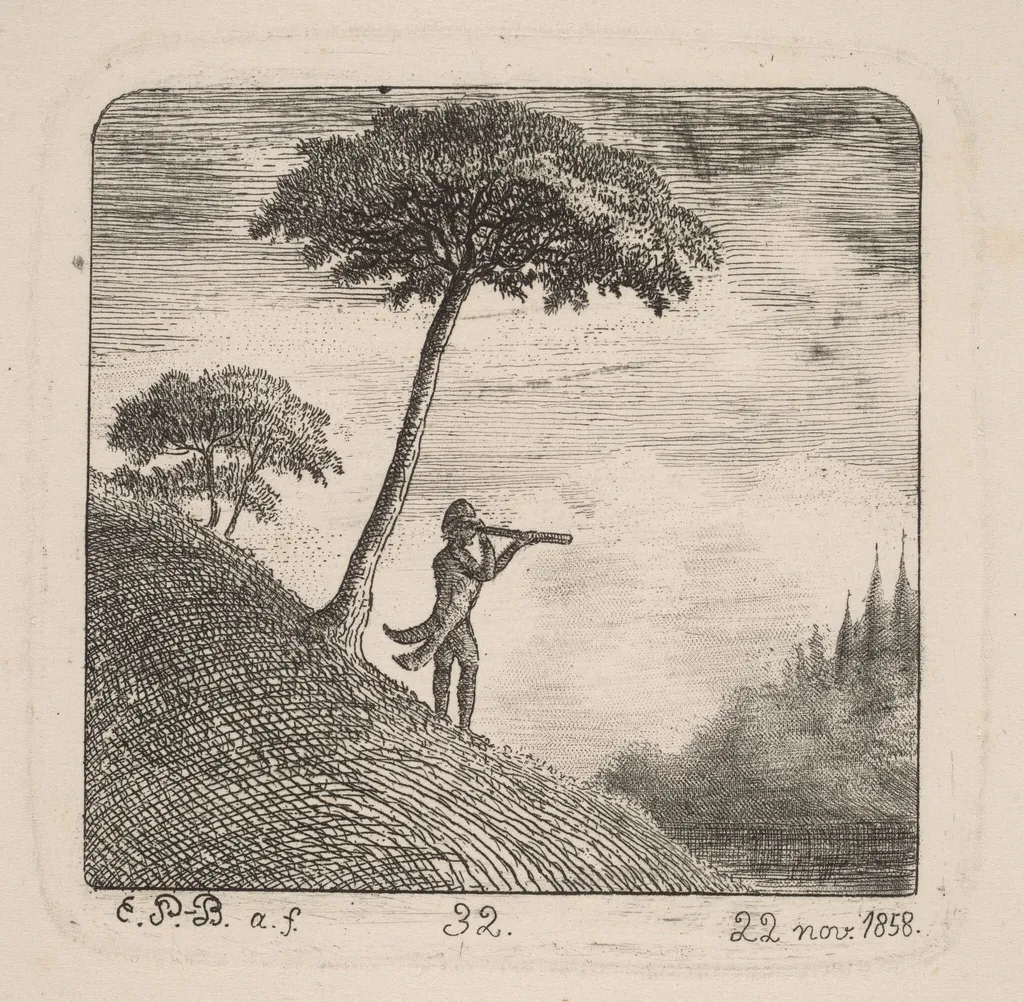
The Tourist is an ink print by the Impressionist artist Emmanuel Phélippes-Beaulieu. It dates from 1858 and is held in the collection of the National Gallery of Art.
About this work
Overview
Created in 1858 by Emmanuel Phélippes-Beaulieu, this small print depicts a solitary figure paused on a city street, engrossed in a map. Executed in etching with roulette detailing on wove paper, the work captures a fleeting urban moment. The technique emphasizes texture and atmosphere over detail, suggesting movement and quiet contemplation through subtle tonal variations and fragmented lines.
Subject & Meaning
The elongated shadow and fluttering coat suggest an unseen breeze, reinforcing the sense of a real, unposed instant.
The figure, dressed in a long coat and hat, appears as a transient observer, caught between destinations. His focus on the map implies disorientation or curiosity, common traits among travelers in unfamiliar cities. The elongated shadow and fluttering coat suggest an unseen breeze, reinforcing the sense of a real, unposed instant. The image evokes the anonymity and transient nature of urban tourism in the mid-nineteenth century.
Technique & Style
Phélippes-Beaulieu employed etching to define the figure and architecture, then used a roulette tool to apply a stippled texture in the shadows. This method produces a granular, uneven surface that mimics the grain of light on pavement and fabric. The resulting effect is neither polished nor precise, lending the scene a spontaneous, almost sketchlike quality that enhances its immediacy and emotional resonance.
History & Provenance
The print was made in 1858 during a period when printmaking was increasingly used for intimate, observational subjects rather than grand narratives. While specific early ownership records are sparse, the work aligns with a broader trend among French artists of the era who turned to print to document everyday life. Its survival in collections today reflects its quiet appeal to collectors of 19th-century graphic art.
Context
In mid-19th-century Paris, urban expansion and rising tourism transformed public space. Artists began depicting ordinary pedestrians and travelers as subjects worthy of attention. Phélippes-Beaulieu’s work fits within this shift, paralleling contemporaries who used print to capture fleeting urban moments. The roulette technique, though uncommon, was occasionally adopted to evoke texture and motion without heavy ink coverage.
Legacy
Though not widely exhibited, the print remains a quiet example of how 19th-century printmakers used technical innovation to convey psychological nuance. Its emphasis on atmosphere over narrative influenced later artists exploring the emotional weight of urban solitude. The work endures as a modest but resonant record of how ordinary individuals navigated the changing modern city.
Artist & collection


 The Wolves on the Ice
 Six large upright landscapes with scenes from Ovid's Metamorphoses: Apollo and Daphne
 Shooting the Woodcock
 Italian Landscape
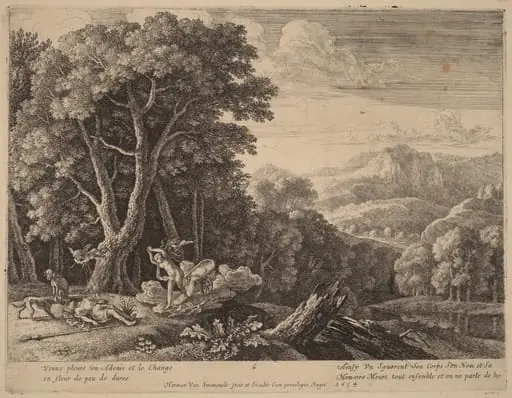 Venus Lamenting over Adonis' Death
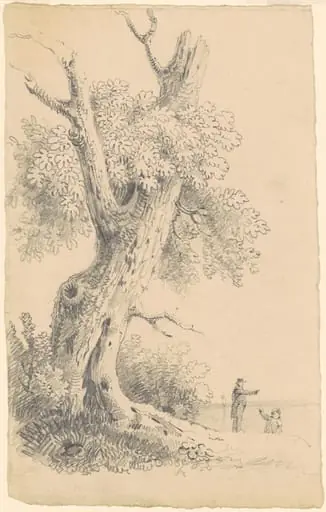 Tree Near the Shore
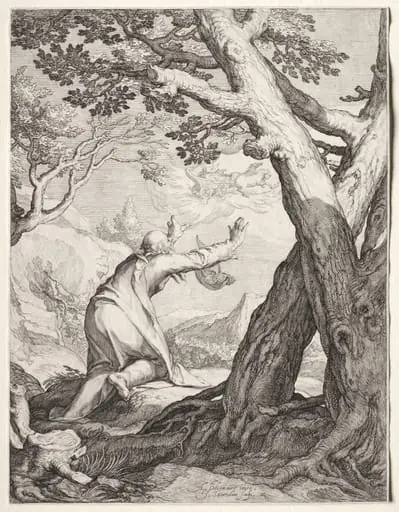 Elisha and Elijah's Chariot of Fire
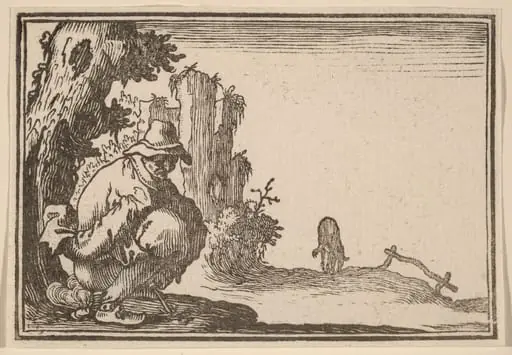 Peasant Defecating
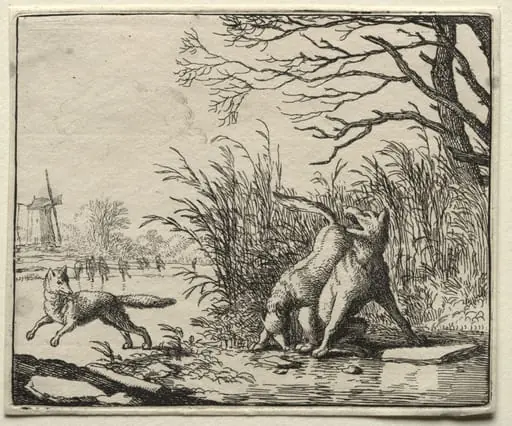 Reynard the Fox: A New Accusation by the Wolf
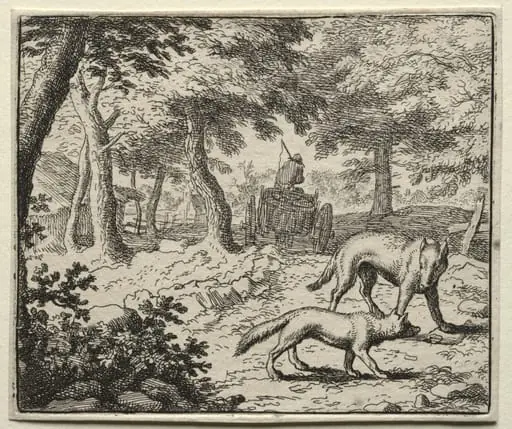 Reynard the Fox: The Badger's Defense of Reynard
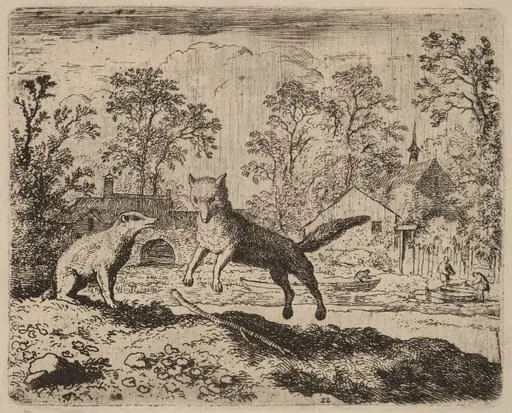 The Badger Imposes a Penance on Reynard
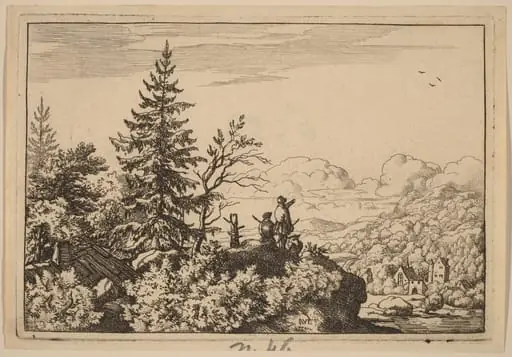 Two Men on a Hill