Artwork
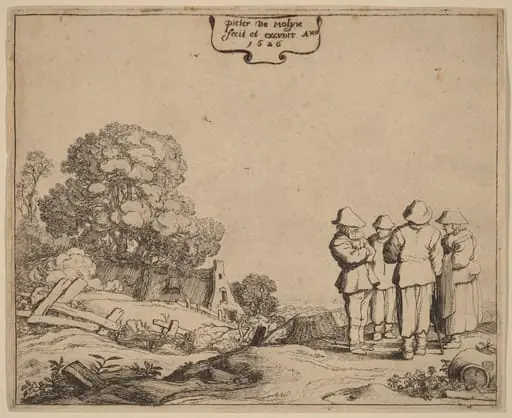
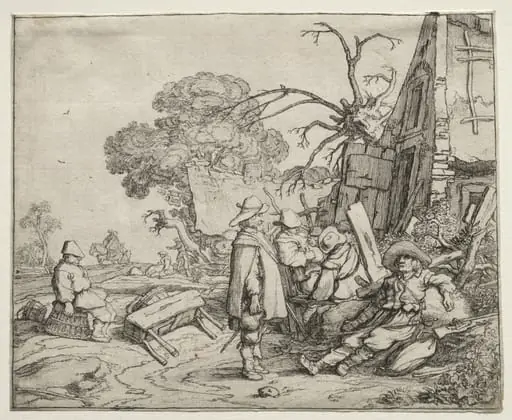
Landscape with Four Peasants Conversing
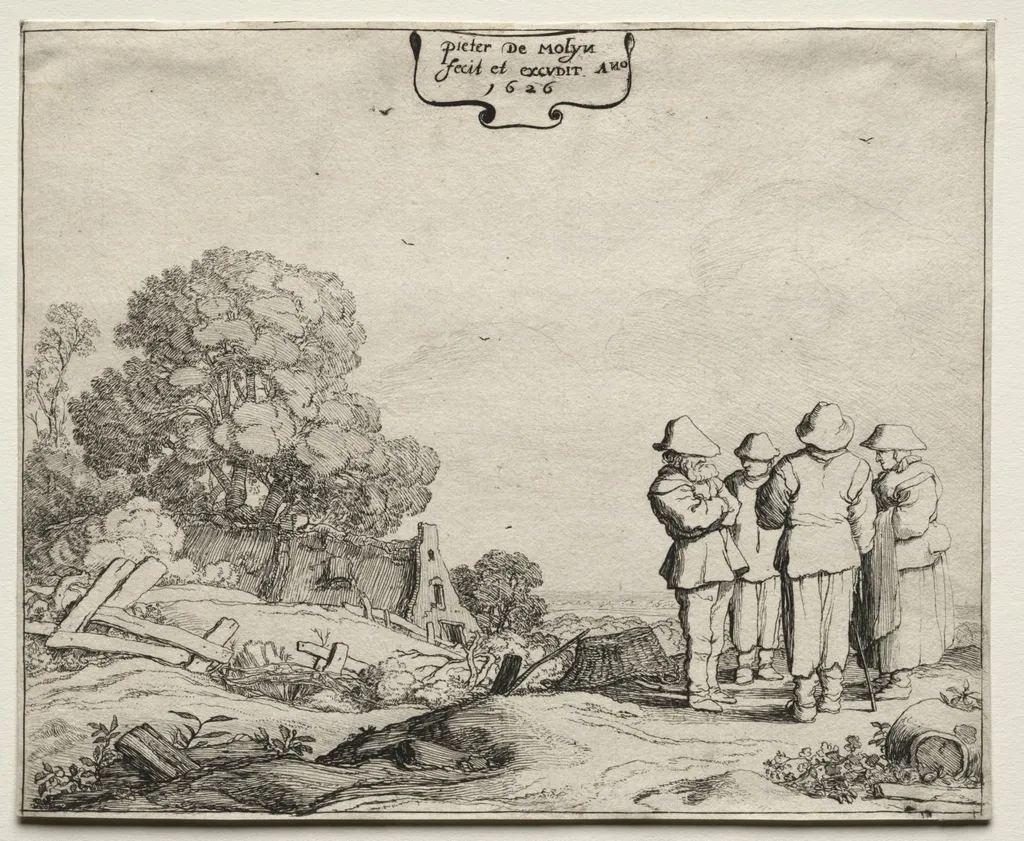
Landscape with Four Peasants Conversing is a print by the Baroque artist Pieter de Molijn. It dates from 1626 and is held in the collection of the Cleveland Museum of Art.
About this work
The scene looks simple but has lots of small details, like the texture of the trees and the flowing water.
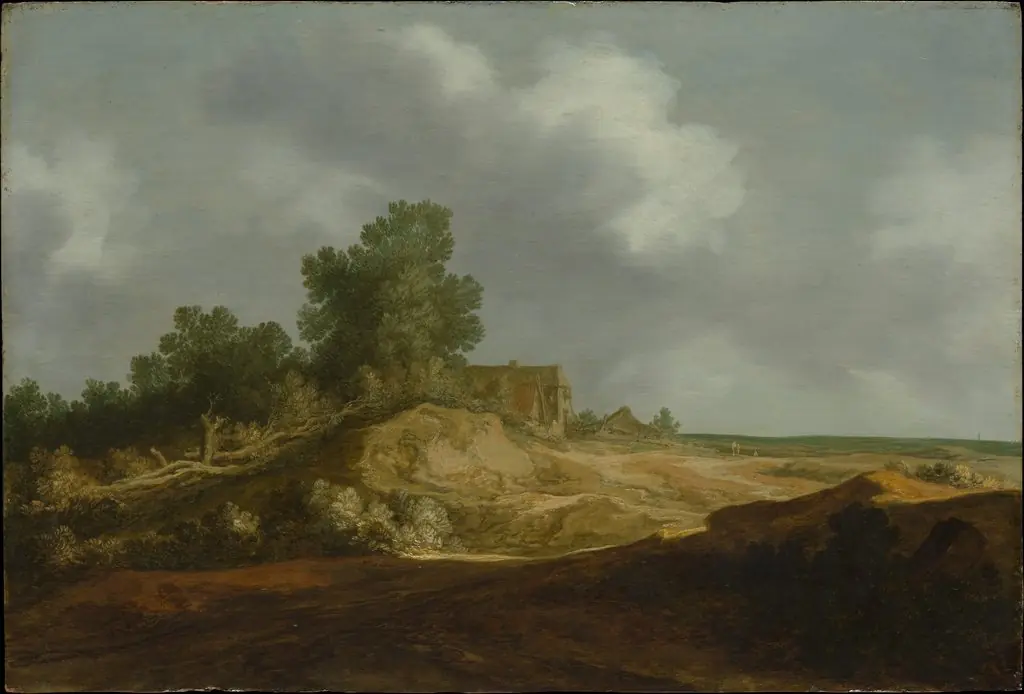
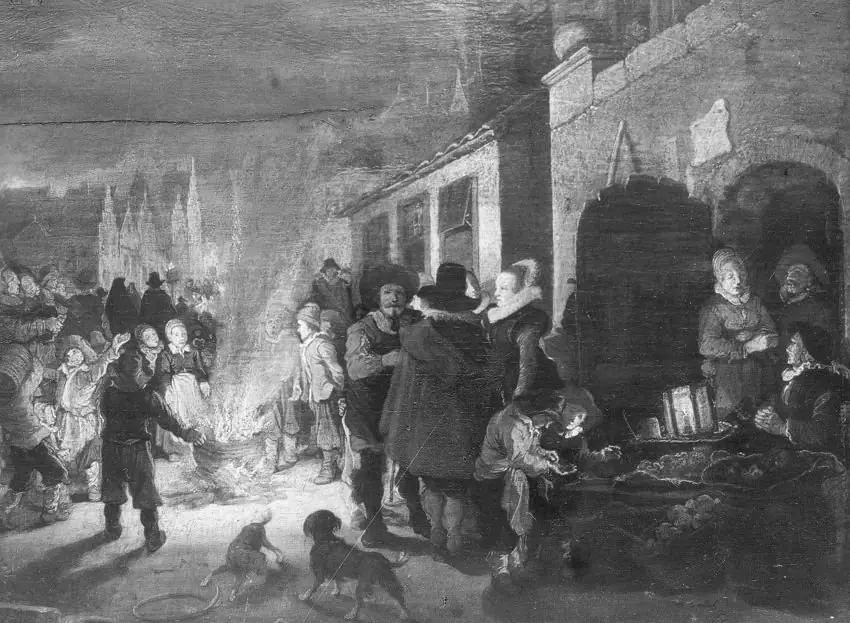
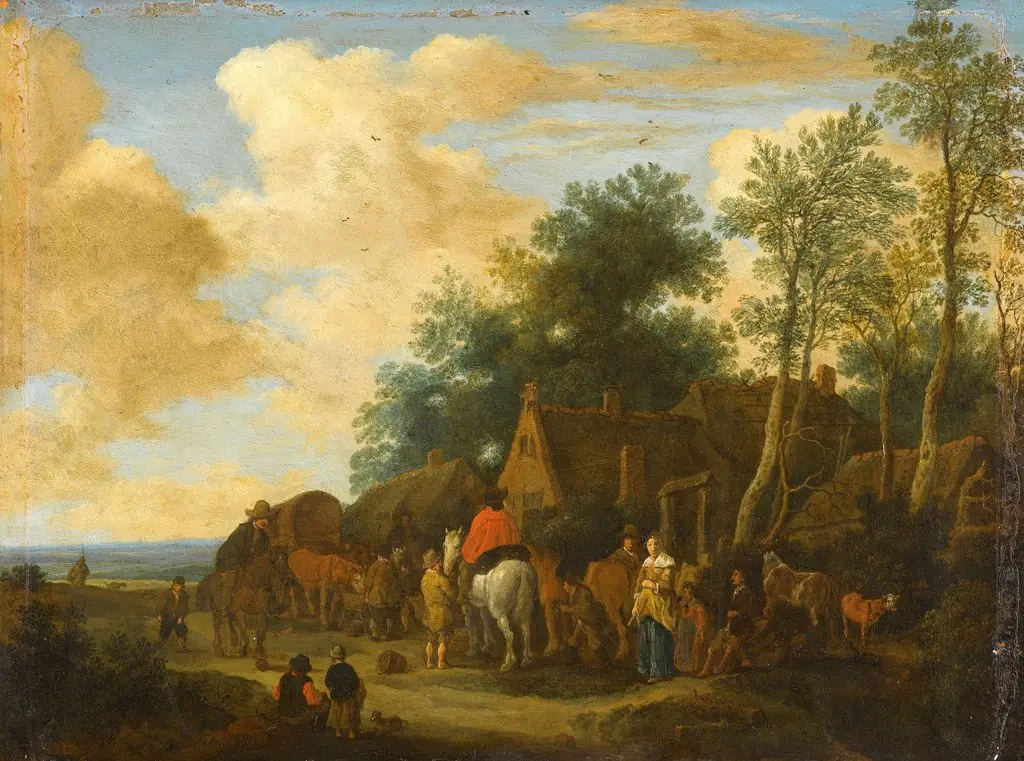
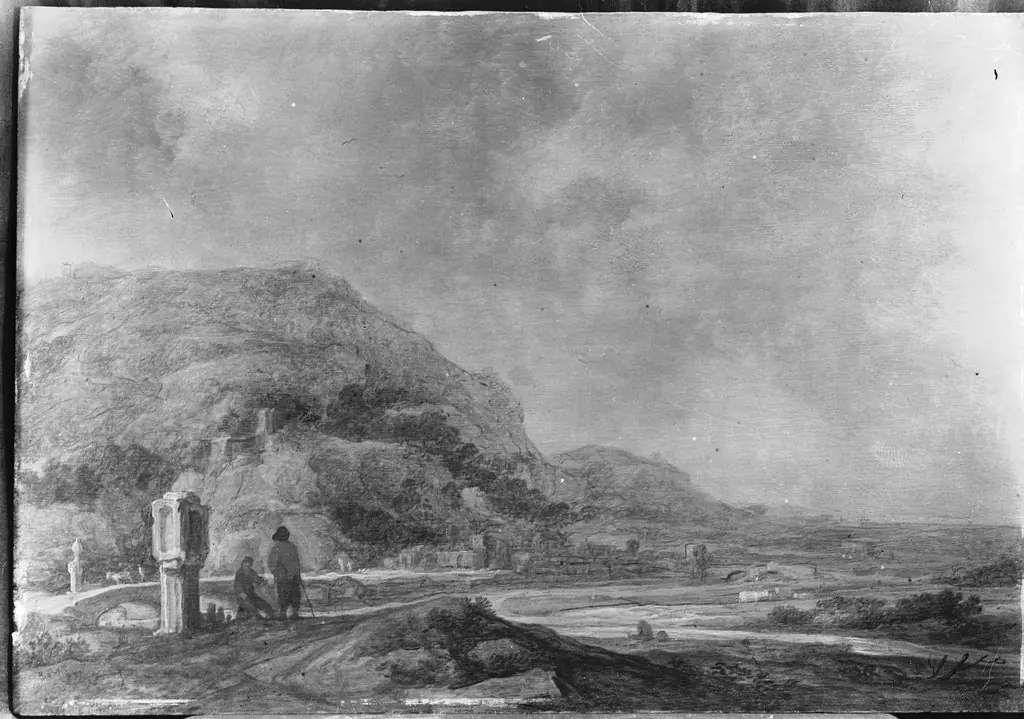
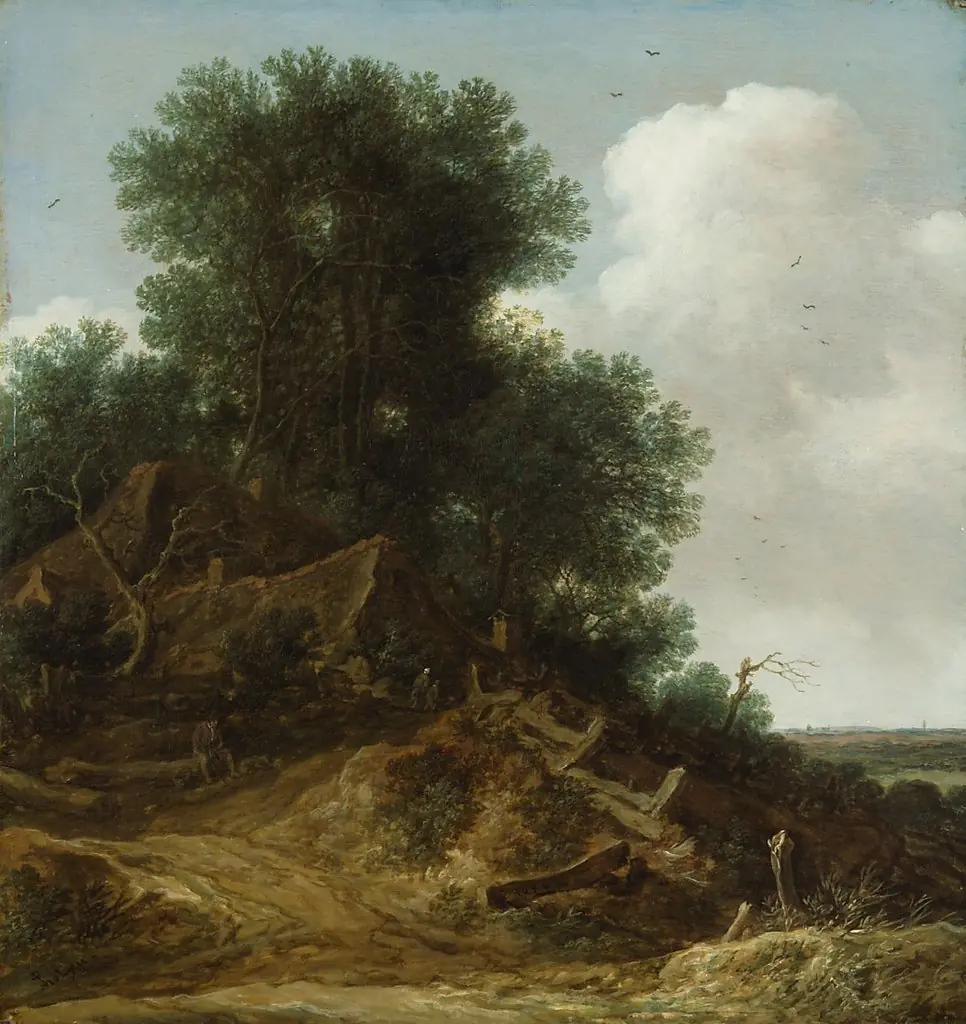
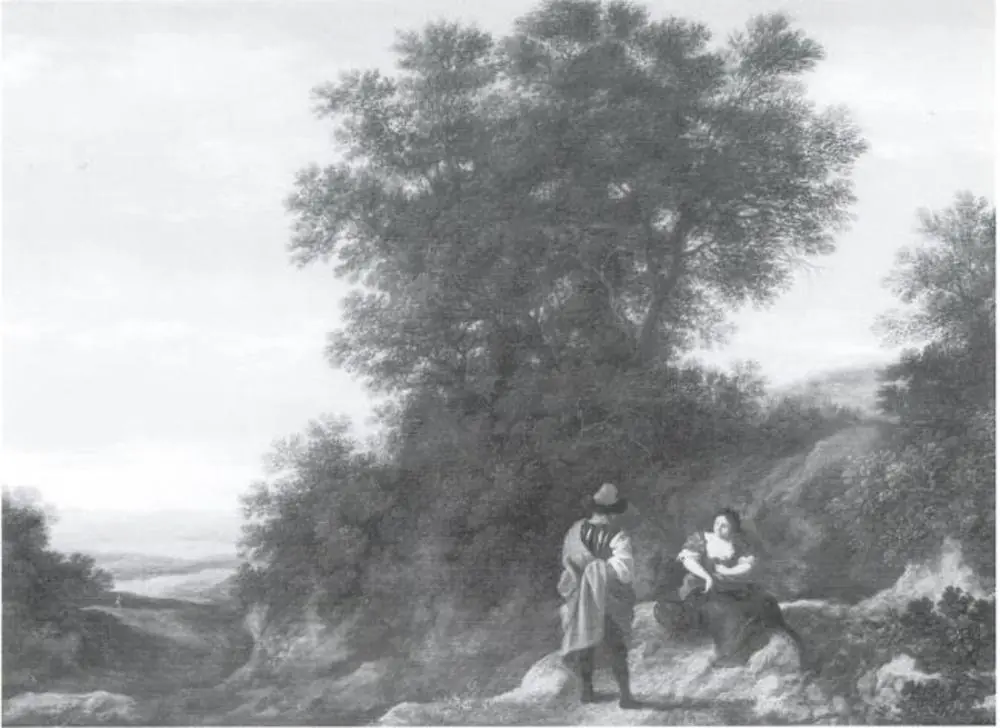
This black-and-white sketch shows four people standing in a wooded area by a river. They’re wearing wide-brimmed hats and loose clothes, and one person holds a walking stick. Behind them, a small house sits on a hill, with trees and logs scattered around.
The artist signed it in 1626, showing this was made over 400 years ago. The scene looks simple but has lots of small details, like the texture of the trees and the flowing water.
Next, check out the Baroque movement to see how artists used drama and detail in their work.
Overview
Created in 1626, *Landscape with Four Peasants Conversing* is a black-and-white engraving by Pieter Molyn, a Dutch artist of Flemish descent born in London. Molyn, active in Haarlem and a member of the Guild of St. Luke since 1616, worked across painting and printmaking. This print captures a quiet rural scene, reflecting his interest in everyday life and natural settings. The work is now held in the collection of The Cleveland Museum of Art.
Subject & Meaning
The scene depicts four peasants standing in a wooded riverside setting, engaged in quiet conversation. Their attire—wide-brimmed hats and loose garments—suggests rural labor, while the presence of a walking stick hints at travel or rest. A modest house on a distant hill and scattered logs ground the image in agricultural life. The composition avoids narrative drama, instead emphasizing stillness and the dignity of ordinary moments.
Technique & Style
Molyn employed fine linear engraving to render textures: the rough bark of trees, the ripple of water, and the folds of clothing. The monochrome palette enhances the tonal subtlety, with delicate hatching defining depth and light. The composition is balanced yet unforced, with figures placed naturally within the landscape. Attention to small details—like the arrangement of logs or the curve of the river—reveals a meticulous, observational approach.
History & Provenance
Signed and dated 1626, the print aligns with Molyn’s mature period after his return from Italy and his establishment in Haarlem. His exposure to Italian landscape traditions may have influenced his compositional clarity. The work remained in private collections until entering The Cleveland Museum of Art’s holdings, where it is preserved as an example of early 17th-century Dutch printmaking.
Context
Produced during the Dutch Golden Age, the print reflects a broader cultural shift toward secular, everyday subjects in art. Unlike religious or mythological themes favored elsewhere in Europe, Dutch artists like Molyn turned to rural life and natural settings. This work fits within a tradition of landscape prints that valued observation over idealization, resonating with the values of a prosperous, mercantile society.
Legacy
Molyn’s engraving contributes to the development of landscape as an independent genre in Northern European art. While less known than contemporaries like Rembrandt, his precise technique and quiet compositions influenced later printmakers. The work remains a quiet testament to the artistic value placed on humble scenes, helping to shape the enduring Dutch tradition of landscape realism.
Artist & collection
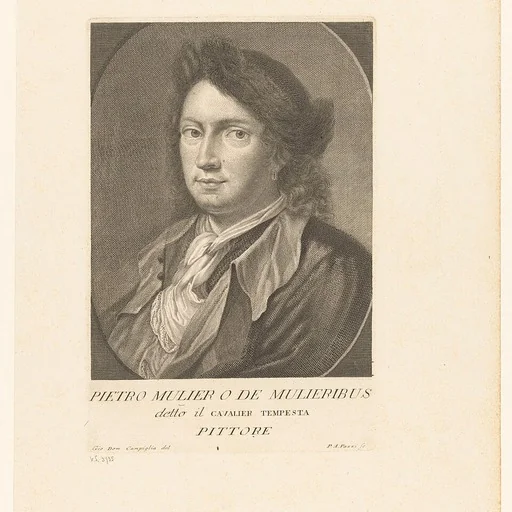
Artist
Pieter de Molijn (6 April 1595 in London – 23 March 1661 in Haarlem) was a Dutch Golden Age painter and engraver of English birth and Flemish descent.