Artwork
Apollo and Hyacinthus
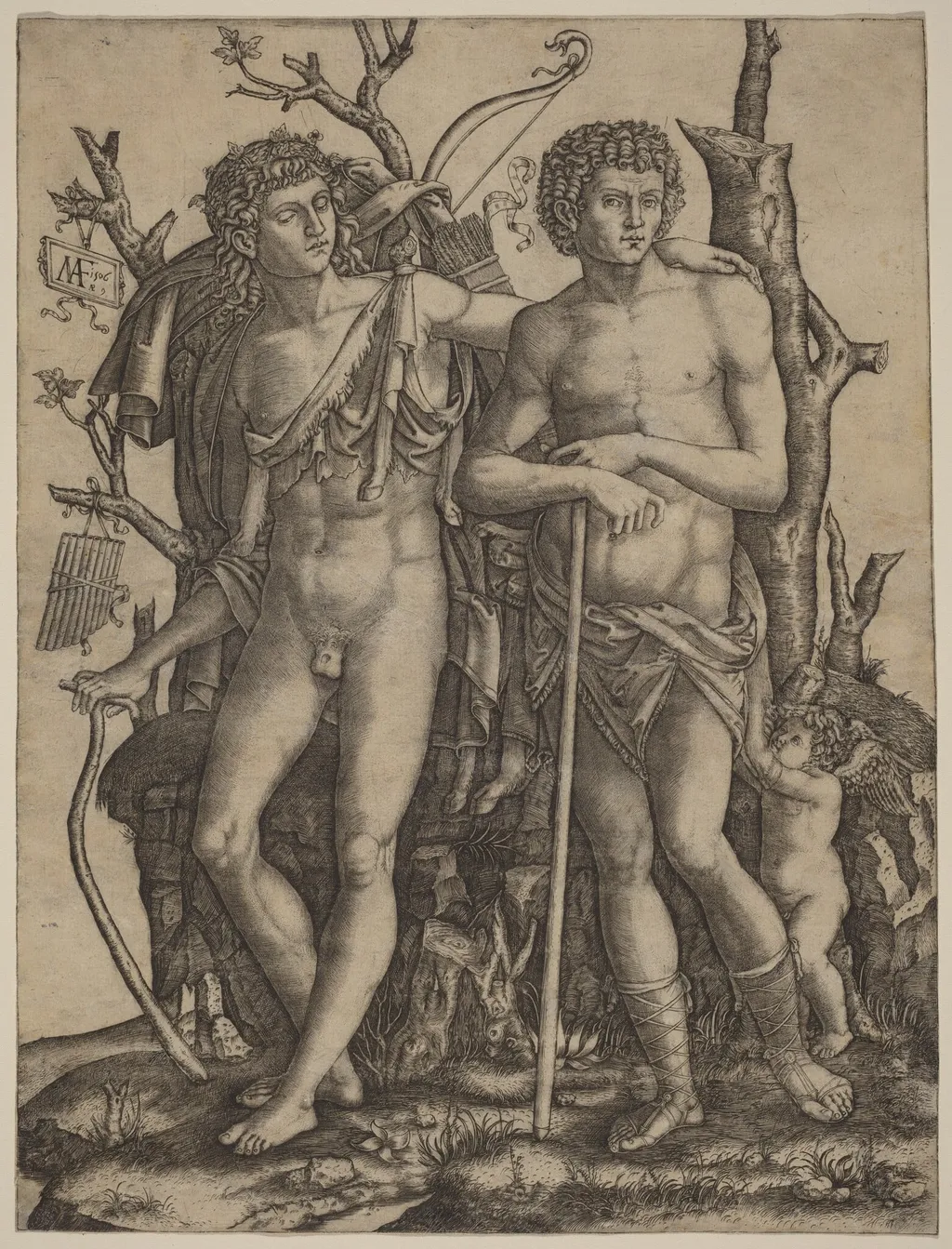
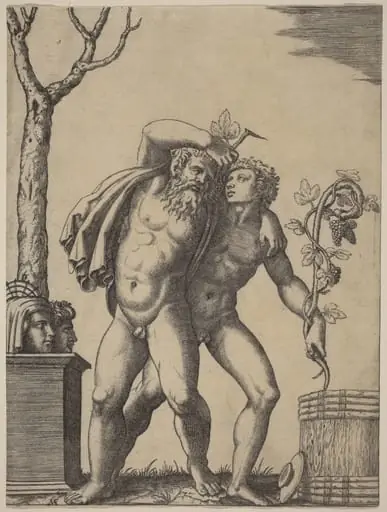
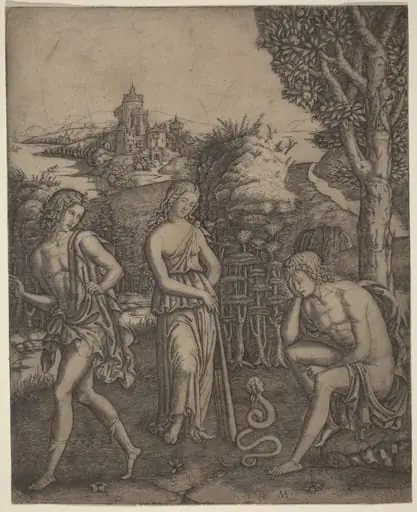
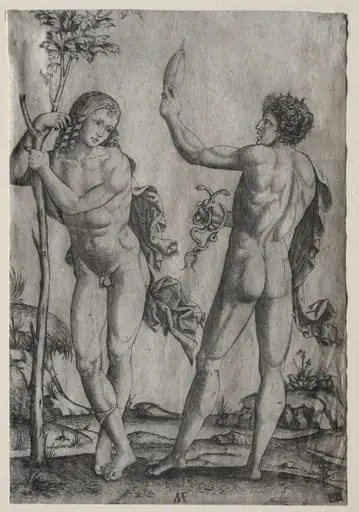
Apollo and Hyacinthus is an ink print by the Renaissance artist Marcantonio Raimondi. It dates from 1506 and is held in the collection of the National Gallery of Art.
About this work
Overview
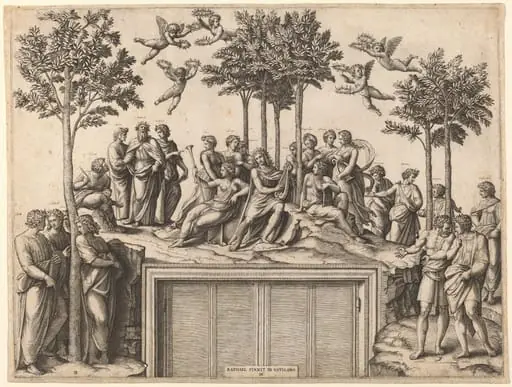
Created in 1506 by the Italian engraver Marcantonio Raimondi, this print presents a mythological tableau titled *Apollo and Hyacinthus*. Executed as an engraving, the image was produced by incising a design onto a metal plate and then transferring it to paper, a method that allowed multiple copies to circulate.
Subject & Meaning
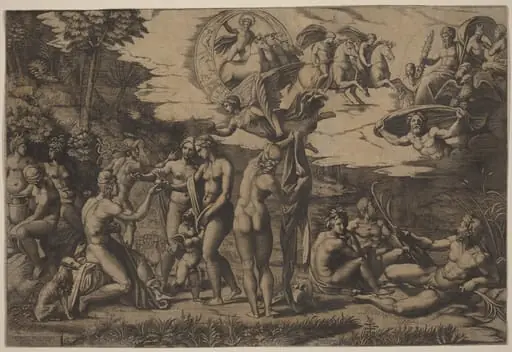
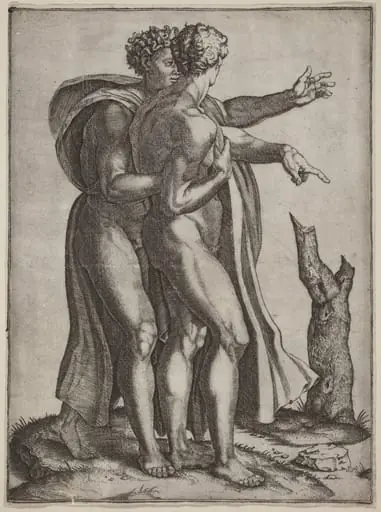
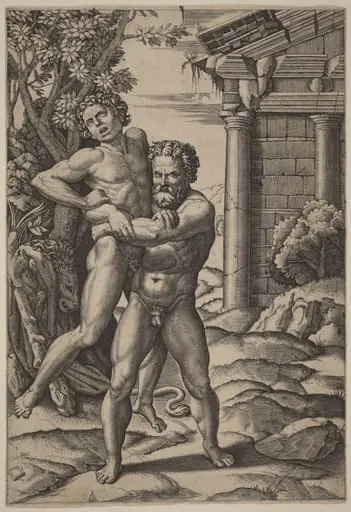
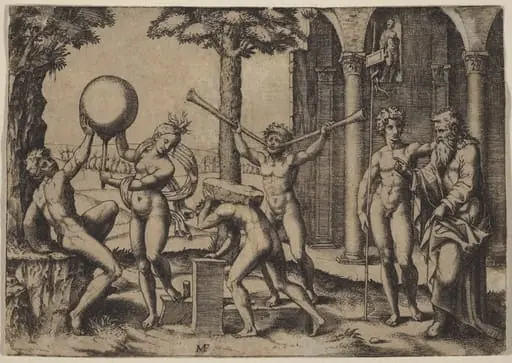
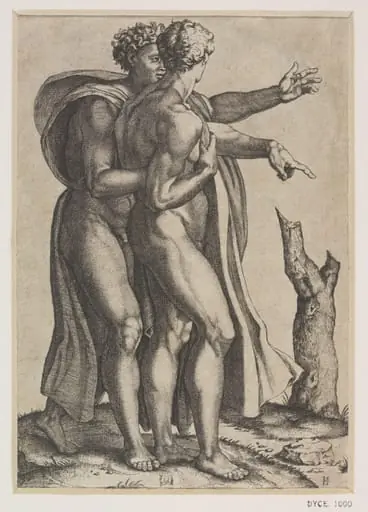
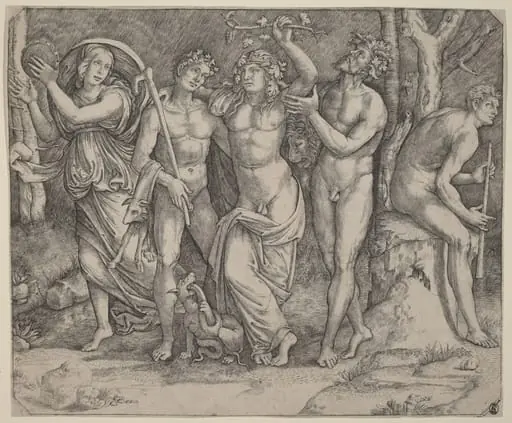
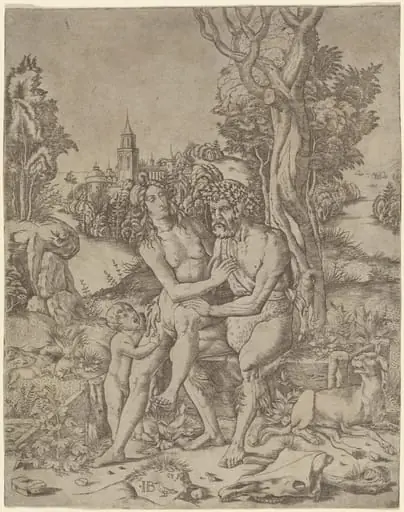
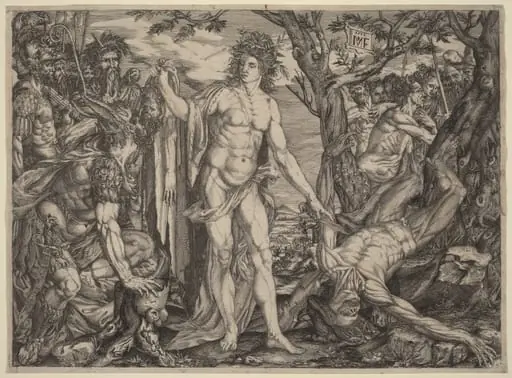
The composition shows two nude, muscular youths in a forest clearing. One figure, identified as Apollo, holds a bow and quiver, while the other, Hyacinthus, leans on a spear. A small winged boy—likely a putto—crouches nearby, and intertwining vines bind their limbs, alluding to the tragic love story from classical mythology.
Technique & Style
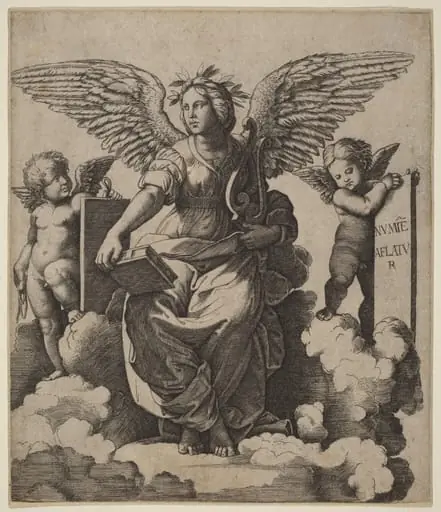
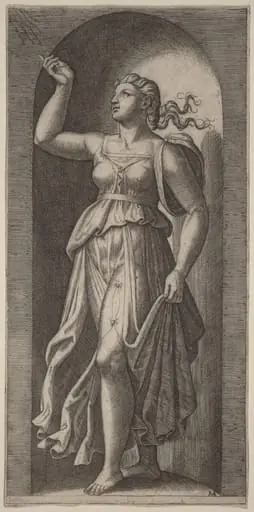
Raimondi employs delicate, intersecting lines to model flesh, drapery, and foliage, creating a sense of three‑dimensionality and motion. The fine hatching characteristic of his engraving work demonstrates the precision required to render anatomy and texture on a copper plate before printing.
History & Provenance
Raimondi, a pioneering figure in reproductive printmaking, built his reputation through close collaboration with Raphael, reproducing the master’s High Renaissance compositions for a wider audience. This engraving reflects that partnership, translating a classical theme into a format that could be disseminated beyond the original workshop.
Context
The print belongs to the early 16th‑century revival of antiquity, when artists frequently drew on Greek and Roman myths to explore human emotion and idealized form. Raimondi’s work exemplifies how print media helped spread Renaissance visual culture across Europe, making sophisticated compositions accessible to collectors and scholars alike.
Artist & collection

Artist
Marcantonio Raimondi, often called simply Marcantonio (c. 1470/82 – c. 1534), was an Italian engraver, known for being the first important printmaker whose body of work consists largely of prints copying paintings. He…