Artwork
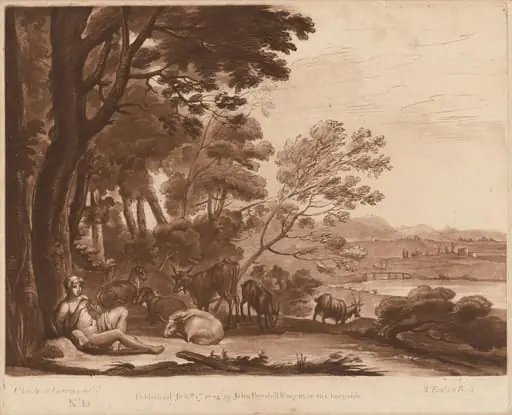
Liber Veritatis: No. 25, A Mountainous and Wooded Landscape with Shepherds Playing and Goats Browsing
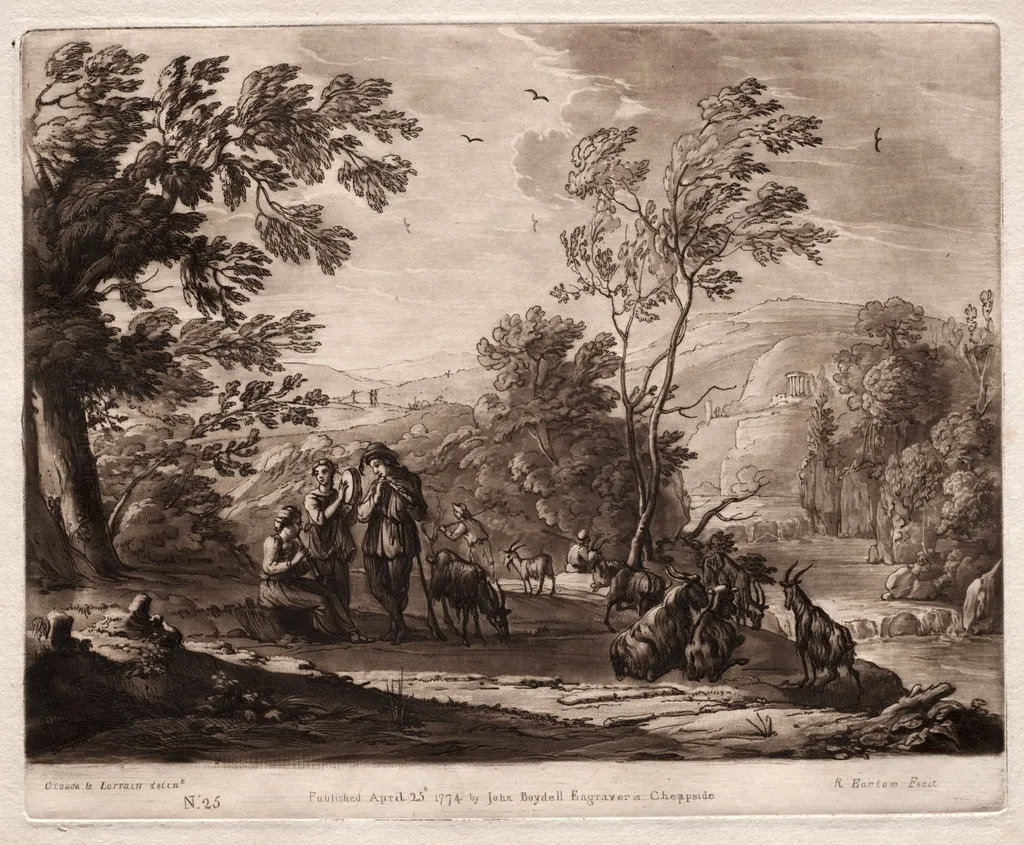
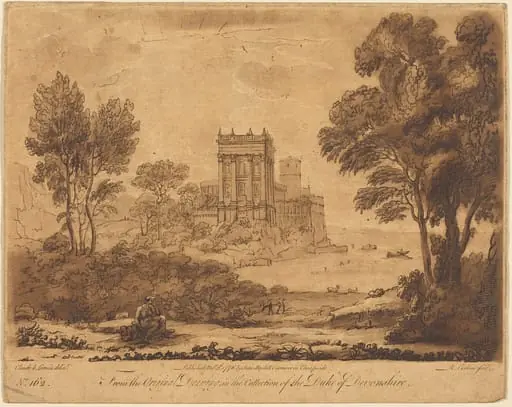
Liber Veritatis: No. 25, A Mountainous and Wooded Landscape with Shepherds Playing and Goats Browsing is a print by the Romanticist artist Richard Earlom. It dates from 1774 and is held in the collection of the Cleveland Museum of Art. Liber Veritatis No.
About this work
The artist added fine details like the folds in the shepherds’ clothes and the texture of the trees.
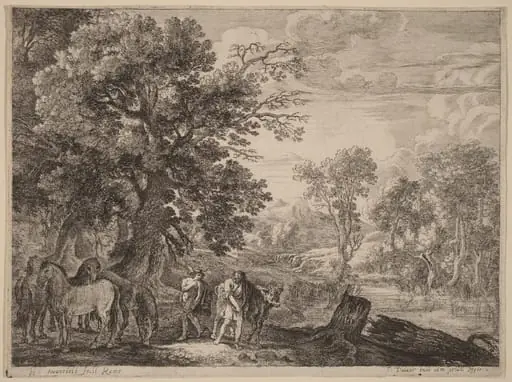
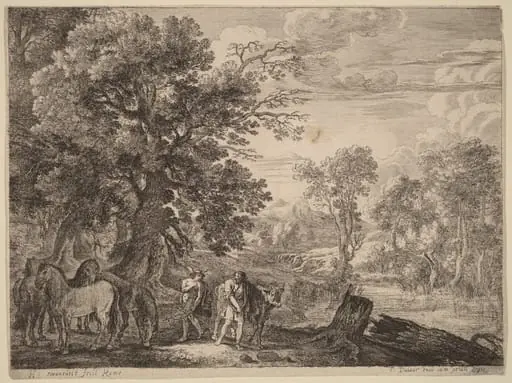
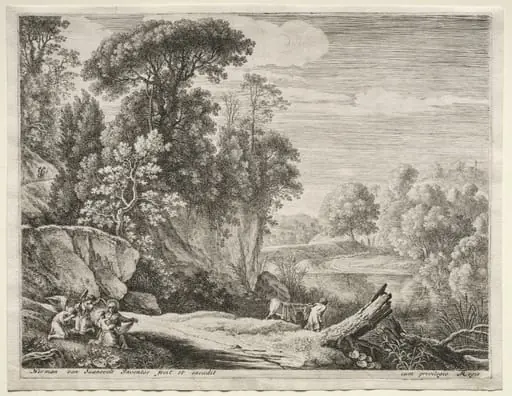
This print shows a quiet countryside scene with shepherds tending to goats. Trees line a path, and a small stream runs at the bottom. People are scattered—some standing, others sitting near the water, while goats graze or rest.
The artist added fine details like the folds in the shepherds’ clothes and the texture of the trees. The print was made in 1774, capturing a peaceful moment in nature.
Next, check out the technique called *chiaroscuro*.
Overview
Liber Veritatis No. 25, titled *A Mountainous and Wooded Landscape with Shepherds Playing and Goats Browsing*, is an 18th‑century print executed by Richard Earlom in 1774. The work is part of the Cleveland Museum of Art’s collection and presents a tranquil rural scene rendered in a careful, observational manner.
Subject & Meaning
The composition depicts a gently rolling countryside where shepherds are scattered along a winding path, some seated, others standing, while a small stream courses at the foreground. Goats graze and rest among the trees, suggesting a moment of quiet labor and leisure within a pastoral setting.
Technique & Style
Earlom employed a fine line engraving that emphasizes texture: the folds of the shepherds’ garments, the bark of the trees, and the rippling water are rendered with delicate cross‑hatching. The print makes use of chiaroscuro shading to model forms, creating depth through contrasts of light and dark without resorting to overt dramatization.
History & Provenance
Created in 1774, the print was included in Earlom’s *Liber Veritatis*, a series intended to document his landscape studies. It entered the Cleveland Museum of Art’s holdings through acquisition in the 20th century, where it remains on view as an example of British printmaking of the period.
Own this work as a print
Artist & collection