Artwork
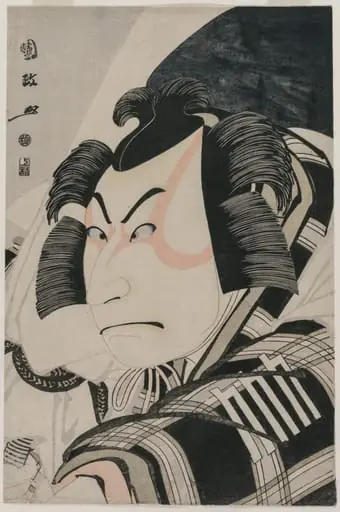
Actor as Kimon no Kihei
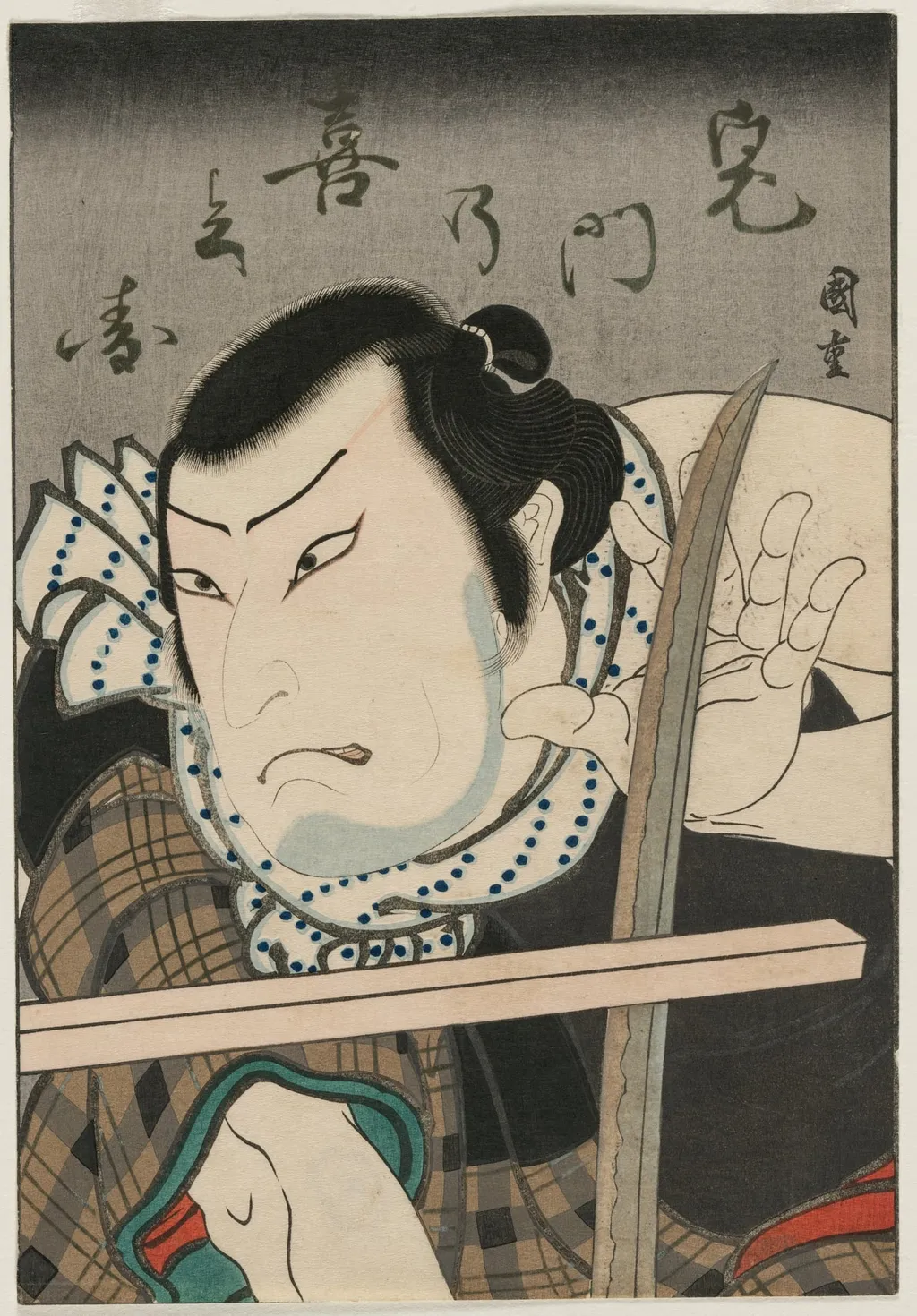
Actor as Kimon no Kihei is a print by the Romanticist artist Gyokuryūtei (Ryūsai) Shigeharu. It dates from 1826 and is held in the collection of the Cleveland Museum of Art.
About this work
Overview
Created in 1826 by Ryūsai Shigeharu, an Osaka-based ukiyo-e artist, this woodblock print portrays a kabuki actor in the role of Kimon no Kihei.
Created in 1826 by Ryūsai Shigeharu, an Osaka-based ukiyo-e artist, this woodblock print portrays a kabuki actor in the role of Kimon no Kihei. Shigeharu was part of the kamigata-e tradition, a regional school centered in the Kansai area that specialized in actor portraits. The print belongs to the Cleveland Museum of Art’s collection and exemplifies the refined, intimate style of late Edo-period theatrical imagery produced for local audiences.
Subject & Meaning
The figure represents Kimon no Kihei, a legendary warrior from Japanese theatrical lore, known for his stoic resolve and moral gravity. The actor’s downward gaze and tightly gripped sword suggest inner tension rather than outward aggression. The stillness of the pose and restrained composition reflect the character’s psychological depth, aligning with kabuki’s emphasis on emotional nuance over spectacle. The role likely evoked themes of duty and silent endurance.
Technique & Style
Shigeharu employed fine linework and subtle color gradations typical of kamigata-e prints. The plaid sleeves and polka-dot collar are rendered with precision, using multiple woodblocks for layered hues. The muted gray background isolates the figure, enhancing focus on his attire and expression. Unlike broader Edo prints, this work avoids dramatic lighting or elaborate settings, favoring quiet intensity and textile detail to convey character.
History & Provenance
Produced during the early 1820s, the print was likely commissioned for local theatergoers in Osaka, where actor portraits were popular collectibles. Shigeharu’s career was confined to the kamigata region, and few of his works survive. The print entered the Cleveland Museum of Art’s collection through established Asian art acquisitions in the 20th century, preserving a rare example of Osaka’s print culture outside Edo’s dominant artistic sphere.
Context
During the 1820s, Osaka’s print culture thrived on depictions of popular kabuki actors, distinct from Edo’s broader ukiyo-e subjects. Kamigata-e artists like Shigeharu prioritized facial expression and costume accuracy over fantasy. This print reflects a time when theater and printmaking were tightly interwoven, with audiences seeking visual mementos of performances. The absence of overt drama underscores the regional preference for subtlety and realism.
Legacy
Though Ryūsai Shigeharu’s output was limited and largely regional, his works contribute to understanding the diversity within ukiyo-e traditions. *Actor as Kimon no Kihei* stands as a testament to Osaka’s distinct aesthetic values—refined, introspective, and deeply tied to theatrical performance. It remains a key reference for scholars studying the intersection of kabuki and printmaking outside Edo’s mainstream.
Artist & collection
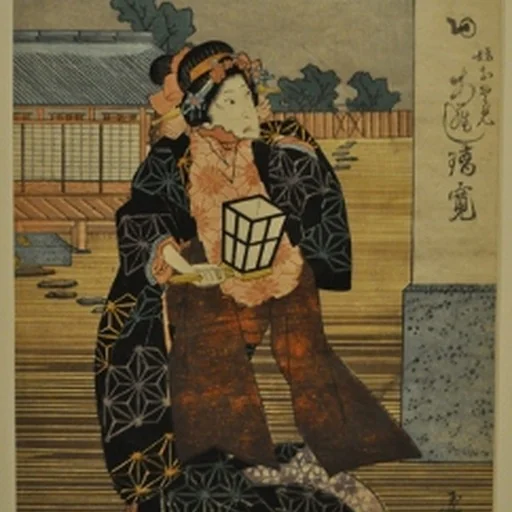
Artist
Gyokuryūtei (Ryūsai) Shigeharu
Gyokuryūtei Shigeharu spent most of his life in Osaka, where he carved woodblock prints of city life—street scenes, actors, and courtesans—just as the port town was getting louder and busier.

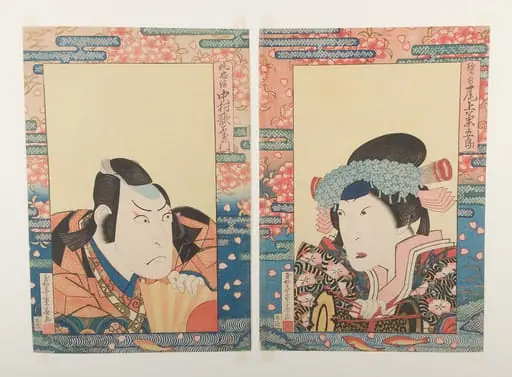 玉柳亭重春画 三代目尾上菊五郎・三代目中村歌右衛門 『義経千本桜』|Kabuki Actors Onoe Kikugorō III as Shizuka Gozen and Nakamura Utaemon III as Kitsune Tadanobu, in the play Yoshitsune senbon zakura (The Thousand Cherry Trees of Yoshitsune)
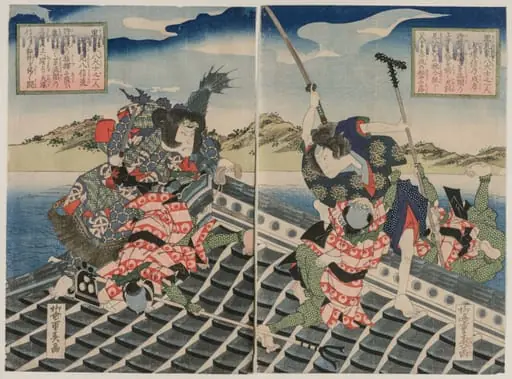 Arashi Rikan II as Inuzuka Shino Moritaka and Nakamura Utaemon III as Inukai Kenpachi Michinobu Battling (from the series The Eight Heroes of the Satomi Clan)
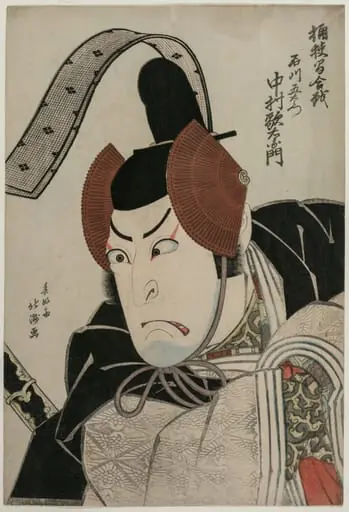 Actor Nakamura Utaemon III (Shikan) as Ishikawa Goemon at the Battle of Okehazama (Okehazama Gassen)
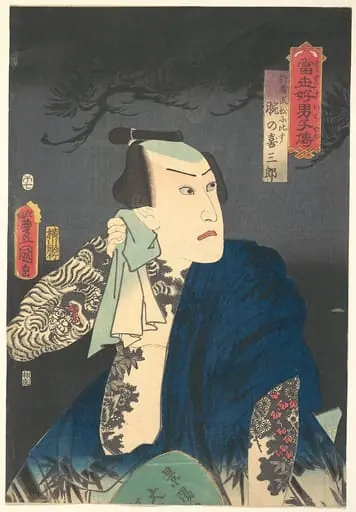 「当世好男子伝」松 「行者武松に比す腕の喜三郎」 初代河原崎権十郎|The Actor Kawarazaki Gonjūrō I as Ude no Kisaburō, likened to Wu Song the Ascetic (Gyōja Bushō ni hisu), from the “Pine” triptych of the series A Modern Water Margin (Tōsei suikoden)
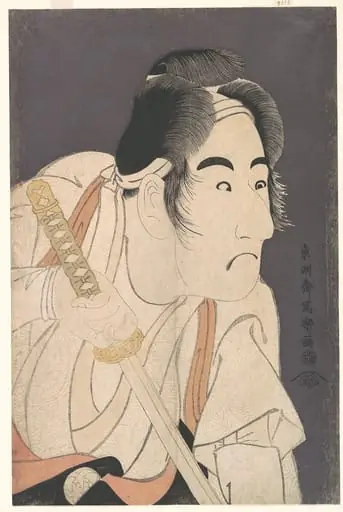 東洲斎写楽画 二世坂東三津五郎の石井源蔵 『花菖蒲文禄曽我』|Bandō Mitsugorō II as Ishii Genzō in the Play "Hana-ayame Bunroku Soga"
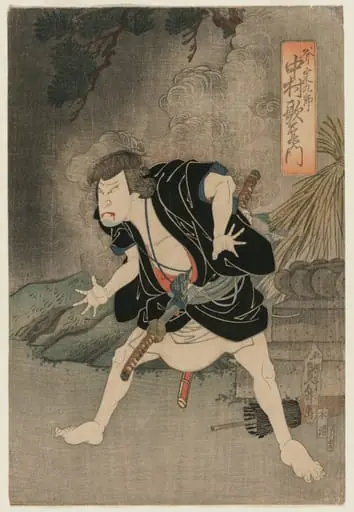 Nakamura Utaemon IV as Ono Sadakuro in Act Five of Kanadehon Chushingura, Naka Theater
 Nakamura Nakazo II as Matsuomaru in the Carriage-Stopping Scene
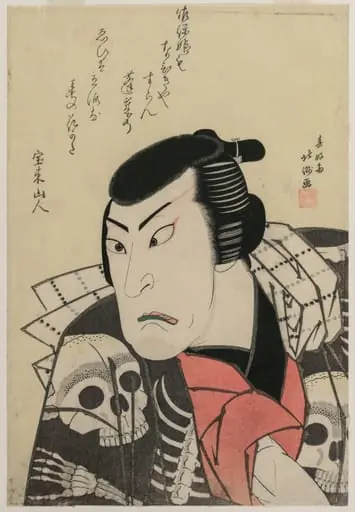 Actor Ichikawa Ebijūrō I as Tōken (China Dog) Jūbei, in the play Red and Purple, Rich Dyes of Osaka (Benimurasaki ai de someage)
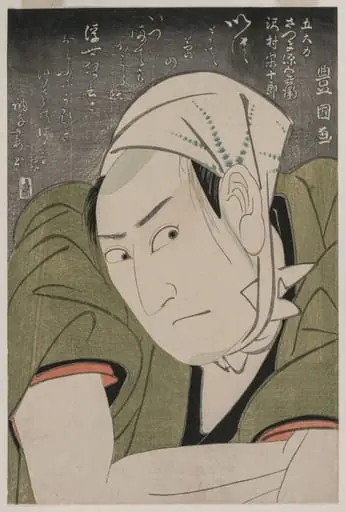 Memorial Portrait of Sawamura Sojuro III as Satsuma Gengobei
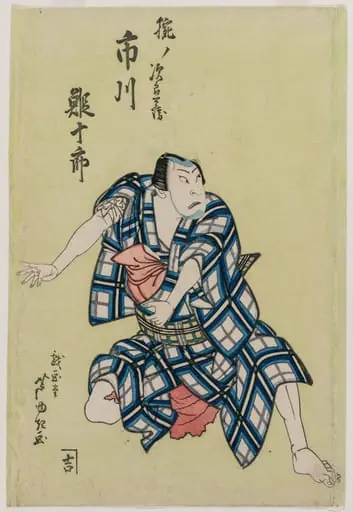 Ichikawa Ebijuro II as Ude no Jirobei