Artwork
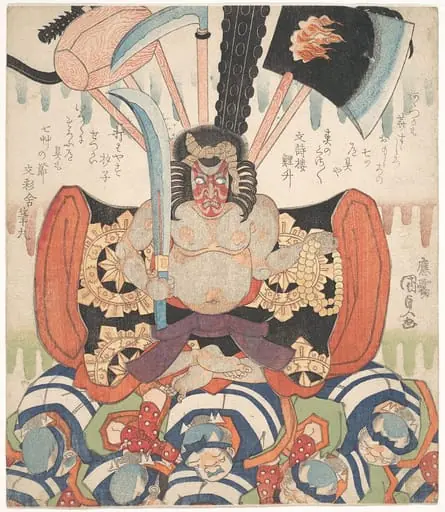
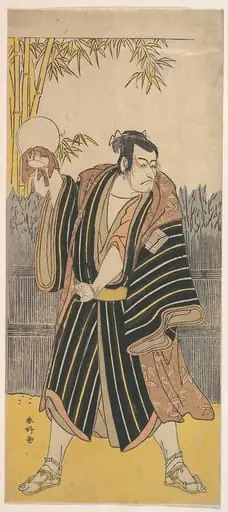
「当世好男子伝」松 「行者武松に比す腕の喜三郎」 初代河原崎権十郎|The Actor Kawarazaki Gonjūrō I as Ude no Kisaburō, likened to Wu Song the Ascetic (Gyōja Bushō ni hisu), from the “Pine” triptych of the series A Modern Water Margin (Tōsei suikoden)
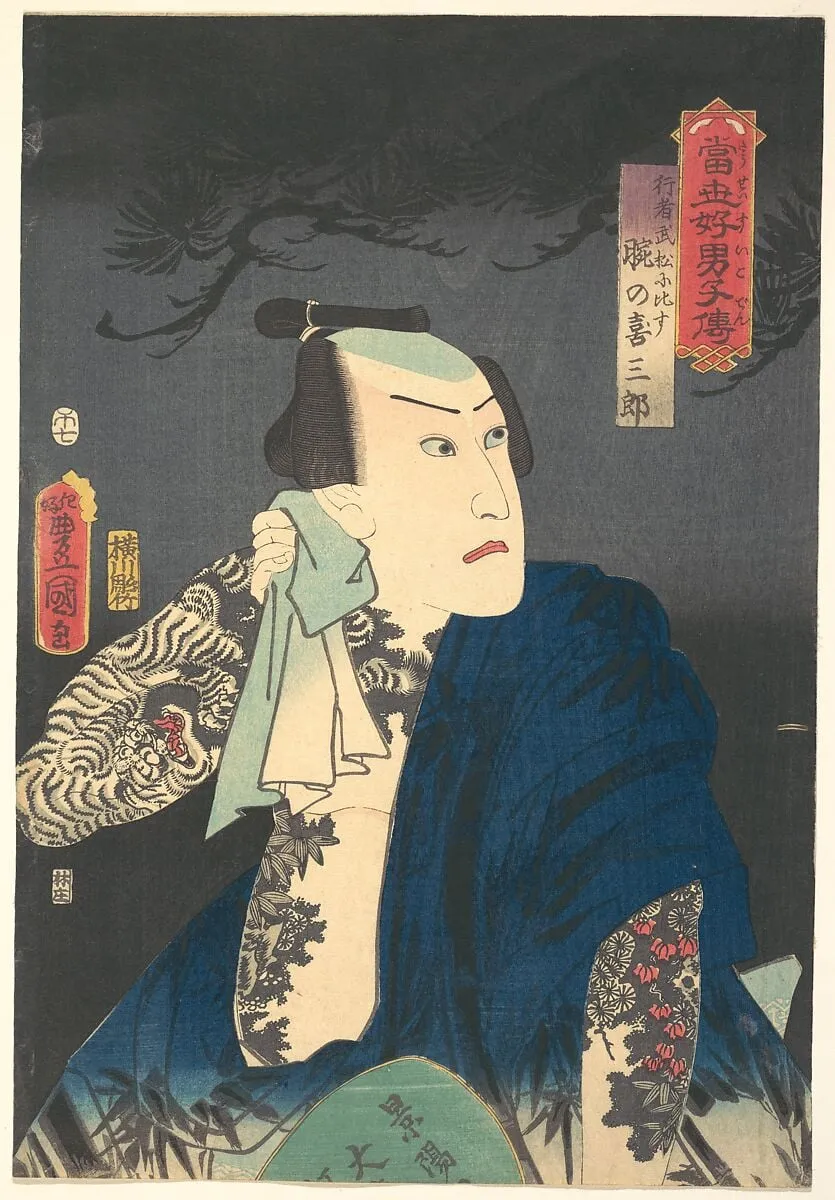
「当世好男子伝」松 「行者武松に比す腕の喜三郎」 初代河原崎権十郎|The Actor Kawarazaki Gonjūrō I as Ude no Kisaburō, likened to Wu Song the Ascetic (Gyōja Bushō ni hisu), from the “Pine” triptych of the series A Modern Water Margin (Tōsei suikoden) is an ink print by the Impressionist artist Utagawa Kunisada. It dates from 1854 and is held in the collection of the Metropolitan Museum of Art.
About this work
Overview
This woodblock print is the left panel of a triptych from the series A Modern Water Margin, created in 1854 by Utagawa Kunisada.
This woodblock print is the left panel of a triptych from the series A Modern Water Margin, created in 1854 by Utagawa Kunisada. It depicts the kabuki actor Kawarazaki Gonjūrō I in character as Ude no Kisaburō, a figure drawn from the Chinese novel Water Margin but reimagined in contemporary Edo-period theater. The print is part of a set of three, each associated with a different tree symbol, this one linked to the pine. Made in the nishiki-e technique, it uses multiple colored blocks to achieve rich detail and tonal variation on paper.
Subject & Meaning
The character portrayed, Ude no Kisaburō, is a theatrical adaptation of Wu Song, the legendary strongman from Water Margin known for his martial prowess and moral resolve. In this context, the actor embodies a modernized version of that archetype—a rugged, honorable figure admired for physical strength and stoic dignity. The pose, costume, and expression convey a sense of controlled power, aligning the actor with folk-hero ideals popular in Edo-period drama and print culture.
Technique & Style
Kunisada employed the nishiki-e method, layering multiple woodblocks to produce vibrant, precise coloration. The actor’s face is rendered with stark white pigment and sharply defined black outlines, typical of kabuki portraiture, emphasizing dramatic expression. His robe, with deep blue and bold black sleeves, contrasts against the dark background, while the red sign and sparse tree forms add subtle narrative context. The fan, held with deliberate grace, is both a prop and a symbol of theatrical convention.
History & Provenance
The print was produced during the late Edo period, a time when kabuki actor portraits were widely collected by urban audiences. It was likely published by a Tokyo-based printer and circulated as part of a commercial series celebrating popular stage roles. The Metropolitan Museum of Art acquired the print as part of its broader collection of Japanese prints, preserving it as an example of mid-19th-century popular visual culture.
Context
The series A Modern Water Margin reinterpreted classical Chinese tales through the lens of contemporary Edo theater, blending literary heritage with current celebrity culture. Each triptych paired a tree symbol with a leading actor in a heroic role, creating a visual lexicon familiar to theatergoers. Kunisada’s prints capitalized on the popularity of kabuki stars, turning their performances into collectible images that blurred the line between art, commerce, and fandom.
Legacy
Kunisada’s actor portraits, including this one, helped define the aesthetic of ukiyo-e during its final decades. They preserved the visual language of kabuki at a time of rapid social change and influenced later artists in both Japan and the West. Though no longer part of living performance traditions, these prints remain key documents of Edo-period popular culture, offering insight into how identity, heroism, and spectacle were constructed in print.
Artist & collection
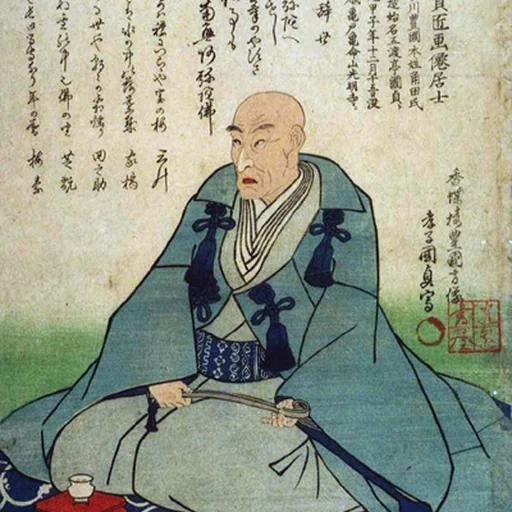

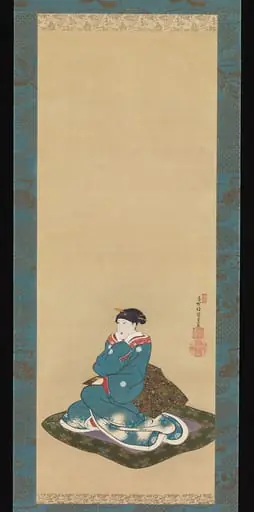 二代目岩井粂三郎の肖像|Portrait of Iwai Kumesaburō II
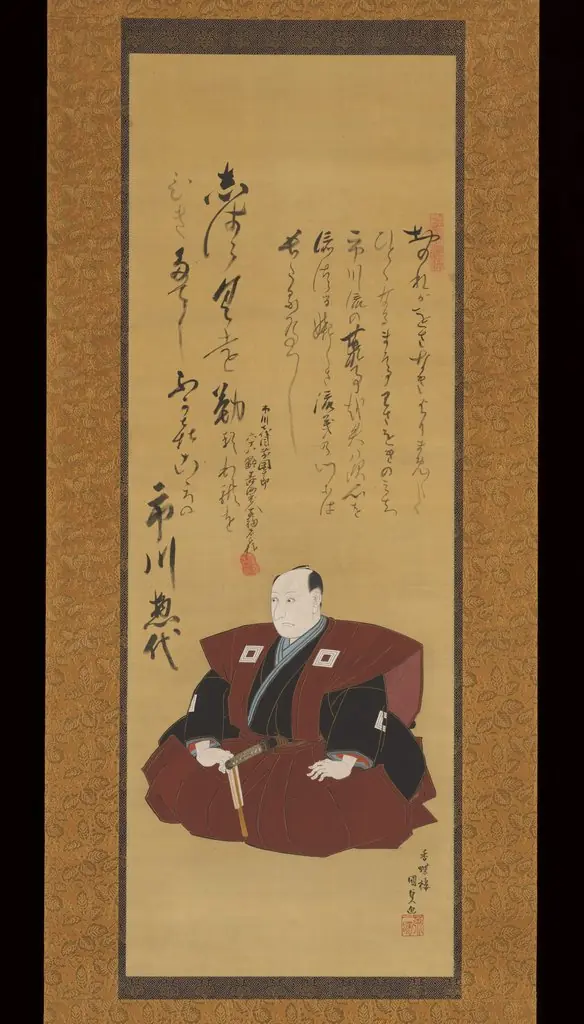 Memorial Portrait of the Actor Ichikawa Ōmezō I
 Untitled
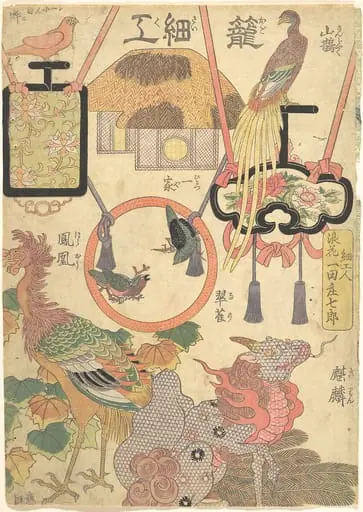 「籠細工 浪花細工人一田庄七郎」|Basketry Work: By the Craftsman Ichida Shōshichirō of Naniwa (Kagosaiku Naniwa saikujin Ichida Shōshichirō)
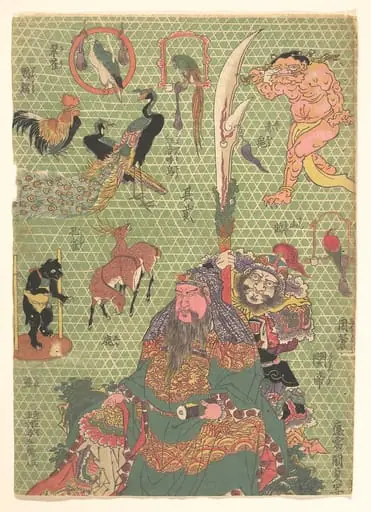 歌川国貞画 「籠細工 浪花細工人 一田庄七郎」|Basketry Work: By the Craftsman Ichida Shōshichirō of Naniwa (Kagozaiku Naniwa saikunin Ichida Shōshichirō)
 Untitled
 Untitled
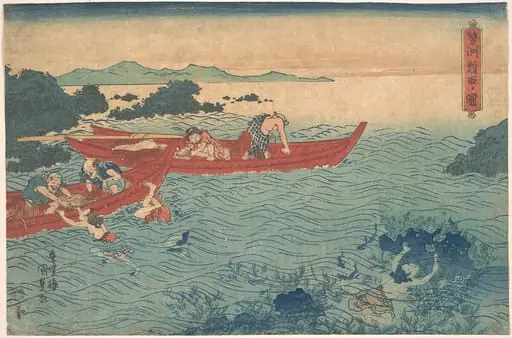
 Futami-ga-ura akebono-no kuni|Futami-ga-ura Rocks at Ise, Land of Dawn
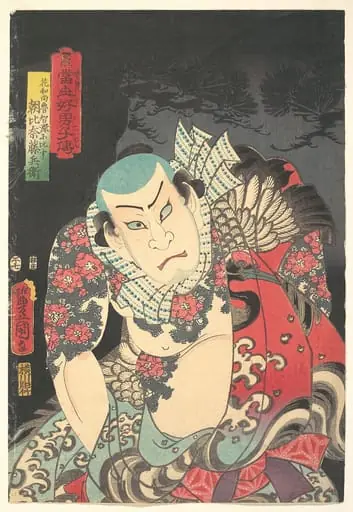 当世好男子伝」松 「花和尚魯智深に比す朝比奈藤兵衛」|The Actor Nakamura Fukusuke I as Asahina Tōbei, likened to Lu Zhishen the Tattooed Priest (Kaoshō Rochishin ni hisu), from the “Pine” triptych of the series A Modern Water Margin (Tōsei suikoden)
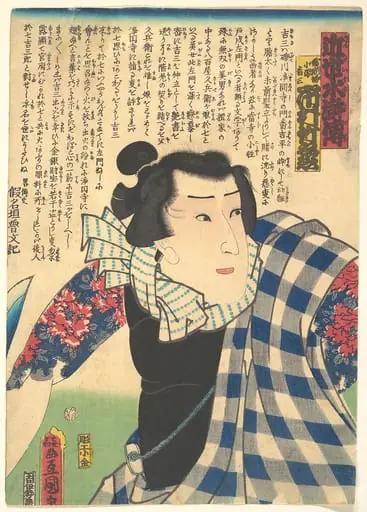 「湯灌場子僧吉三 市川竹之丞」(五代目) 「近世水滸伝」|Ichimura Takenojō V as Yukanba Kozō Kichiza, from A Modern Water Margin (Kinsei suikoden)
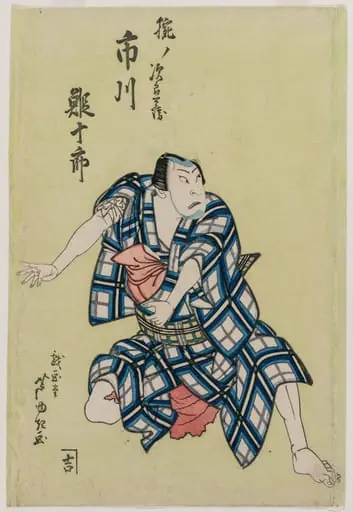 Ichikawa Ebijuro II as Ude no Jirobei
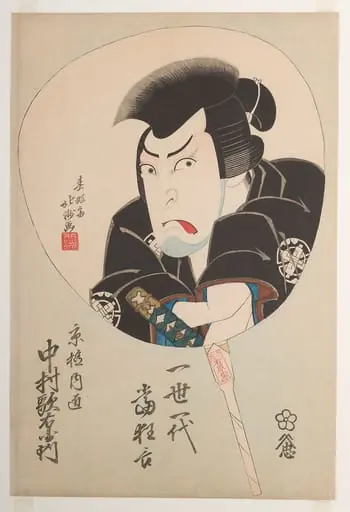 春好斎北洲画 三代目中村歌右衛門 『一世一代当狂言』|Kabuki Actor Nakamura Utaemon III as the Sword Master Kyōgoku Takumi, from the series Issei ichidai atari Kyōgen (Hits of a Lifetime of Kyōgen)
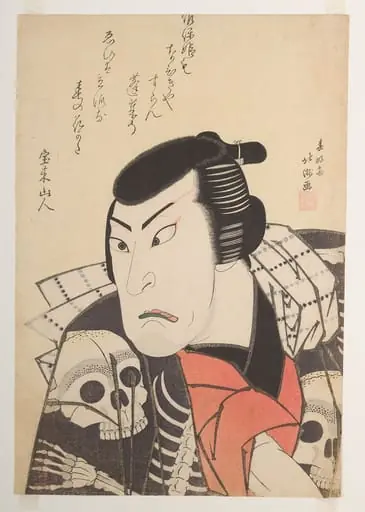 春好斎北洲画 初代市川鰕十郎 「紅紫大坂潤」|Kabuki Actor Ichikawa Ebijūrō I as Tōken (China Dog) Jūbei, in the play Benimurasaki ai de someage (Red and Purple, Rich Dyes of Osaka)
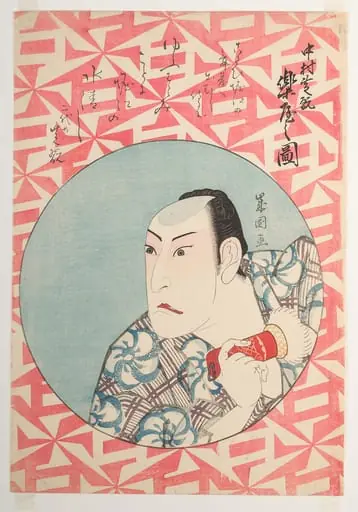 壽陽堂歳国画 『中村芝翫 楽屋之図』|Kabuki Actor Nakamura Shikan Backstage (Nakamura Shikan rakuya no zu)
 勝川春好画 七代目片岡仁左衛門 五代目市川團十郎|Kabuki Actor Ichikawa Danjūrō V