Artwork
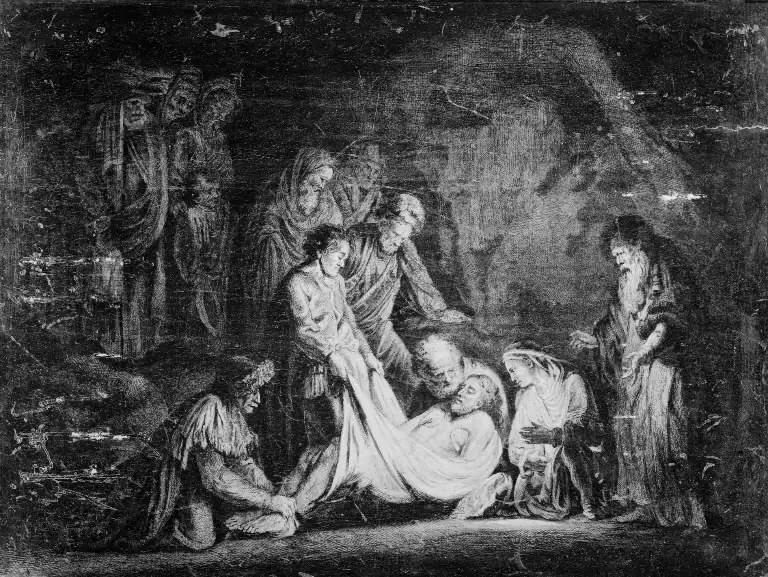
The Entombment of Christ
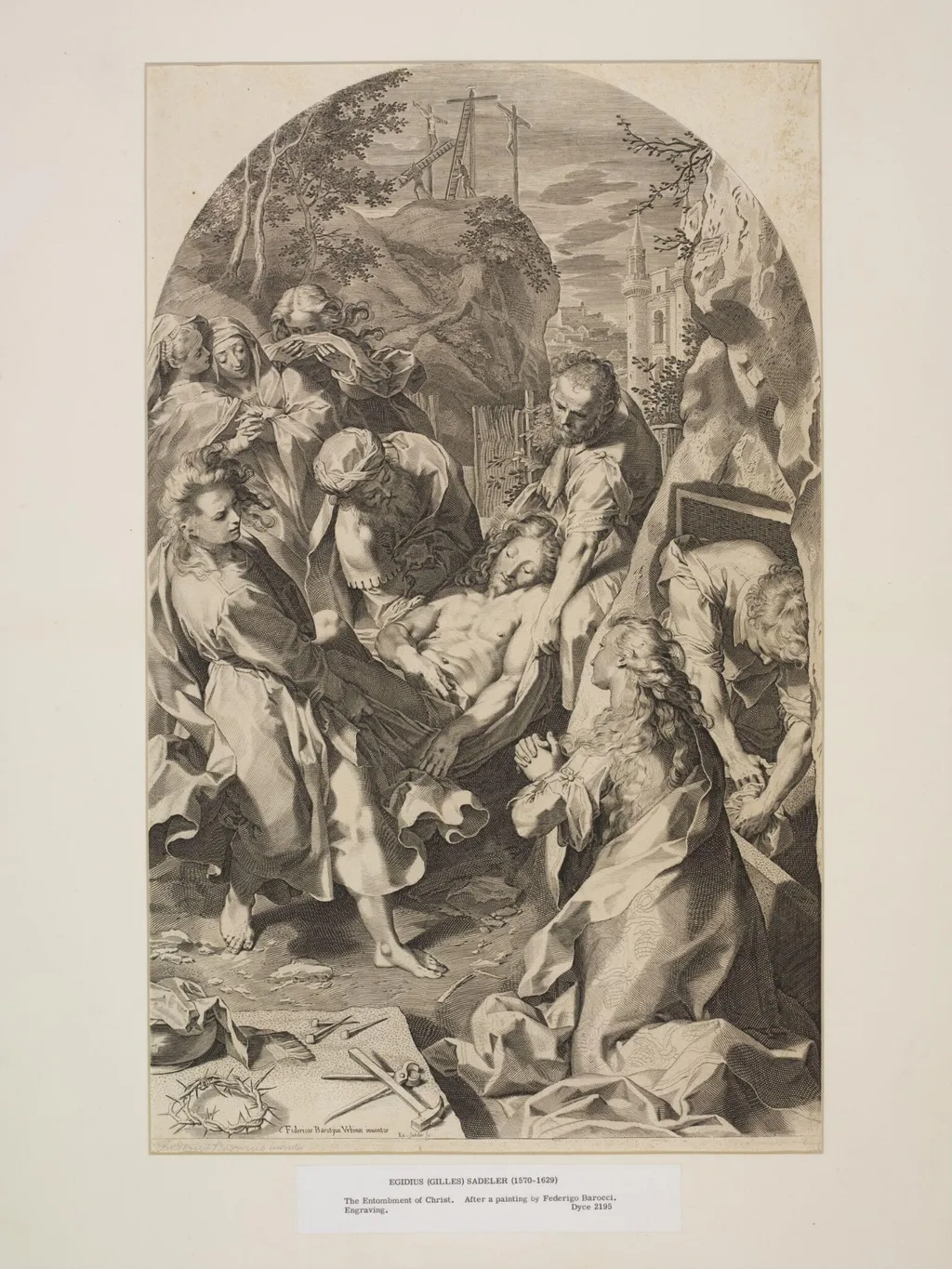
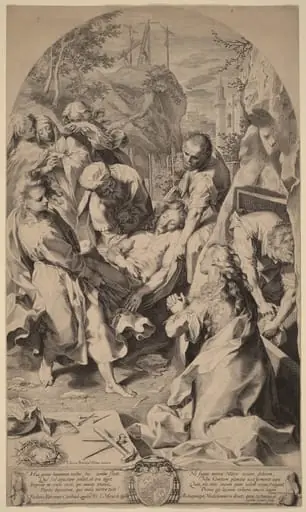
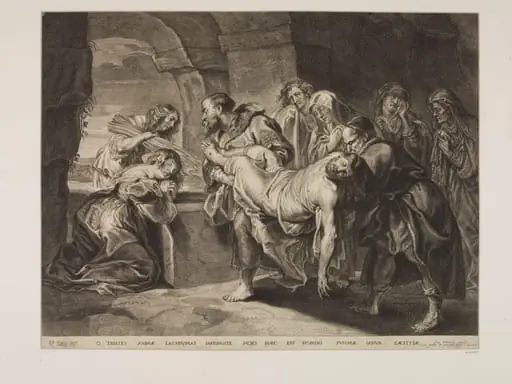
The Entombment of Christ is a print by Aegidius Sadeler II. It is held in the collection of the Victoria and Albert Museum. This print captures the burial of Christ, drawn from Federico Barocci’s painted composition originally installed in Sinigaglia.
About this work
Overview
The paper surface enhances the stark interplay of light and dark, emphasizing the stillness and solemnity of the moment without the texture of oil paint.
This print captures the burial of Christ, drawn from Federico Barocci’s painted composition originally installed in Sinigaglia. Executed in a linear, high-contrast printmaking technique, it translates the emotional gravity of the scene into sharp, incised lines. The paper surface enhances the stark interplay of light and dark, emphasizing the stillness and solemnity of the moment without the texture of oil paint.
Subject & Meaning
The scene depicts Christ’s body laid on a shroud, surrounded by mourners in varied postures of grief and reverence. One figure covers their face, another gestures toward the heavens, suggesting both despair and hope. The distant hill with the cross and church steeple anchors the event in sacred geography, linking Christ’s burial to the broader narrative of redemption and divine presence.
Technique & Style
The artist employed a printmaking method that prioritized clarity of line and dramatic tonal contrast. Sharp, deliberate strokes define the contours of draped fabric and facial expressions, while areas of deep shadow isolate key figures. This use of chiaroscuro—borrowed from Barocci’s painting—becomes more rigid and graphic in print, heightening the emotional tension through sculptural lighting rather than blended tones.
History & Provenance
The print is a reproductive work derived from Barocci’s altarpiece in Sinigaglia, likely made to disseminate the image beyond the original church setting. Its production reflects the 16th-century practice of translating major paintings into prints for wider circulation among clergy, collectors, and devotional audiences, preserving the composition while adapting it to a new medium.
Context
Created during the Counter-Reformation, images of Christ’s burial served as tools for spiritual reflection and communal mourning. The emphasis on physicality and emotional realism in Barocci’s composition, echoed here, aligned with Church efforts to deepen personal engagement with sacred narratives. The print’s accessibility helped extend this devotional model beyond the confines of ecclesiastical walls.
Legacy
Though not an original composition, this print contributed to the enduring visual language of Christ’s entombment in European religious art. Its stark, linear style influenced later reproductive prints, demonstrating how printmaking could transmit emotional intensity through simplified forms. It remains a testament to the cross-medium dialogue between painting and print in early modern devotional culture.
Artist & collection
Artist
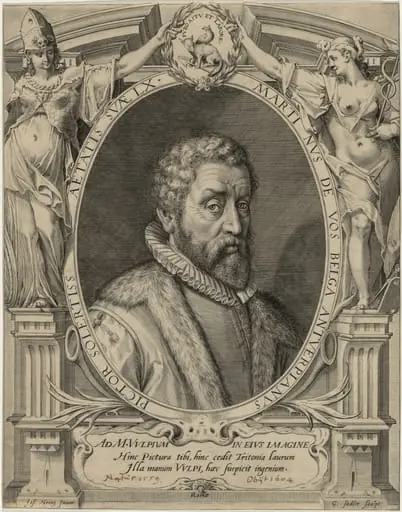
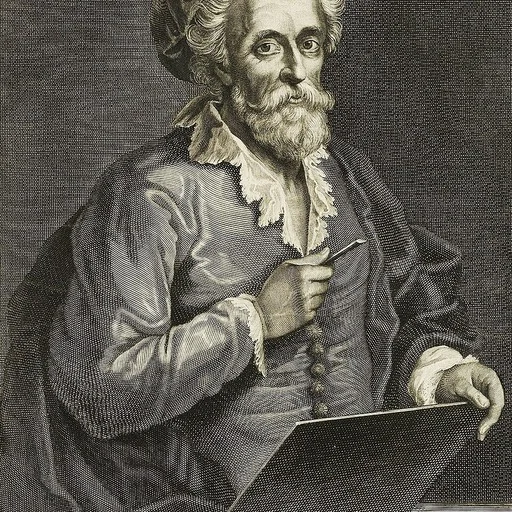
Aegidius Sadeler or Aegidius Sadeler II (1570–1629) was a Flemish engraver who was principally active at the Prague court of Rudolf II, Holy Roman Emperor and his successors.