Artwork
Saint Ignatius de Loyola
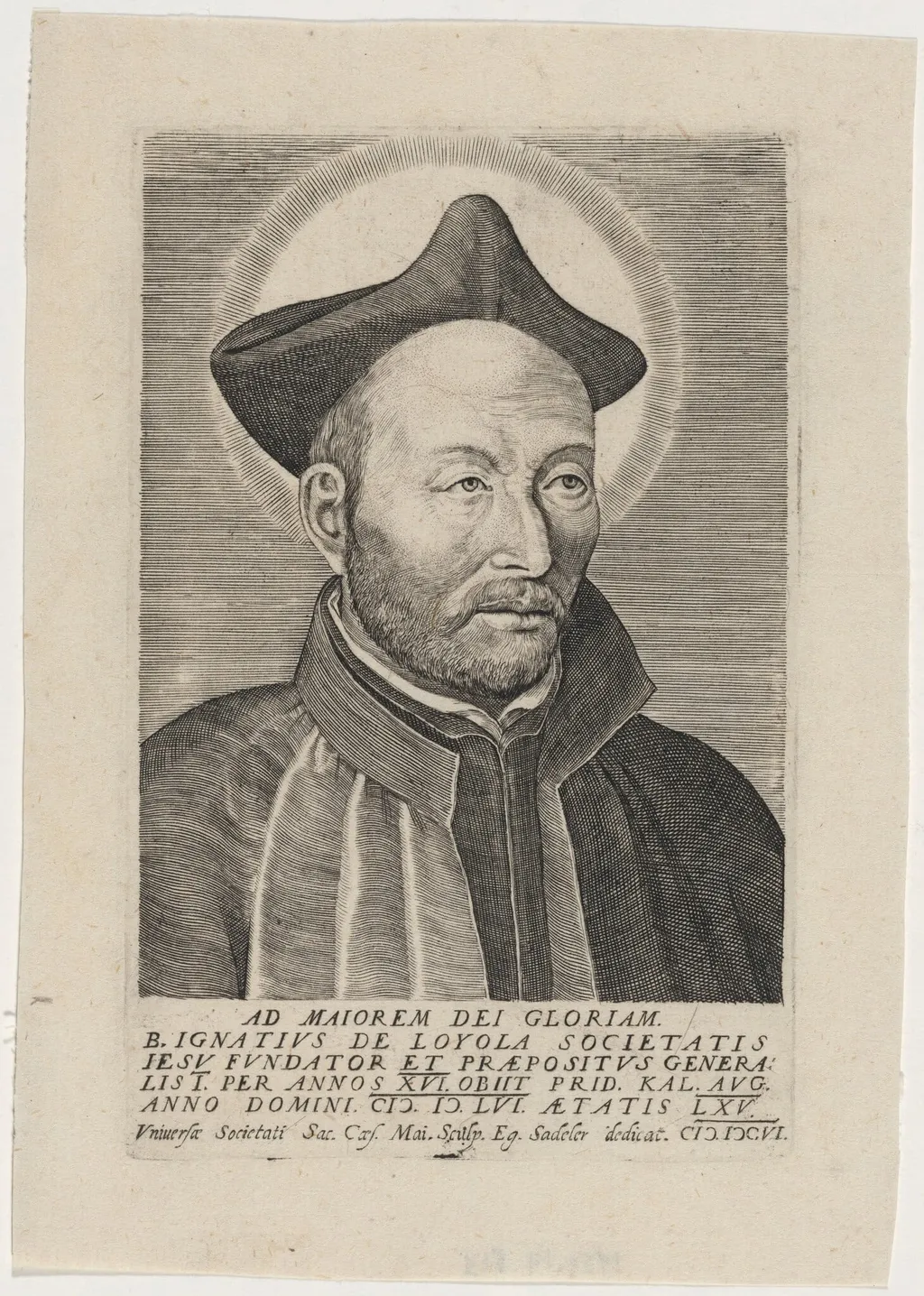
Saint Ignatius de Loyola is an ink print by the Renaissance artist Aegidius Sadeler II. It dates from 1600 and is held in the collection of the National Gallery of Art.
About this work
Overview
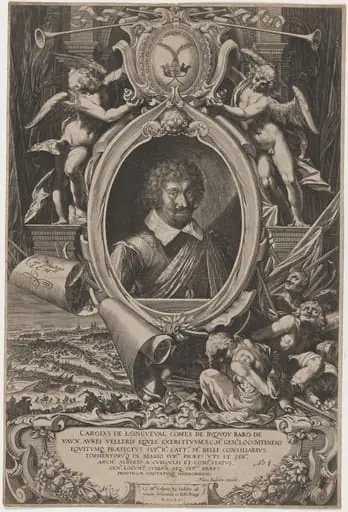
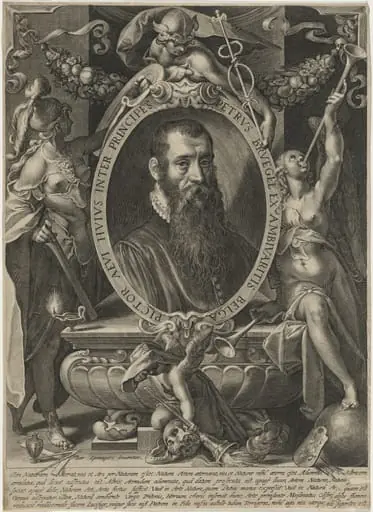
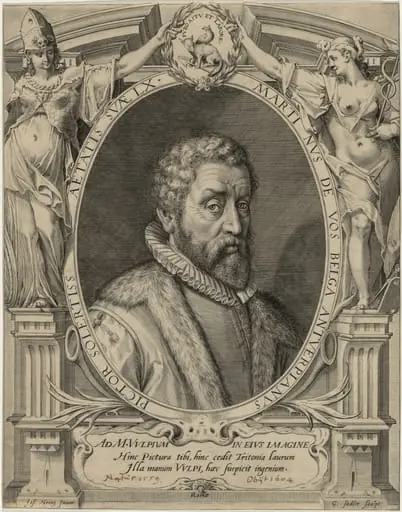
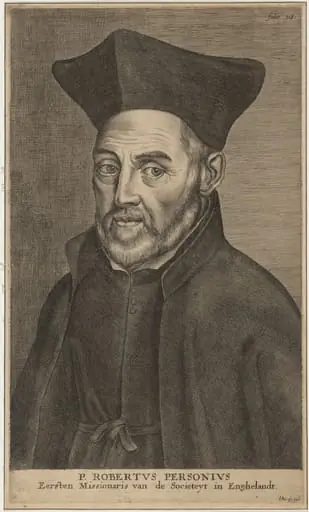
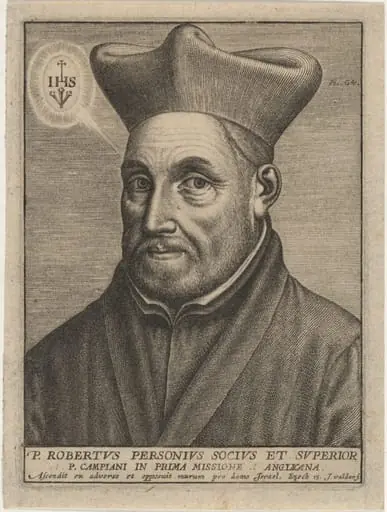
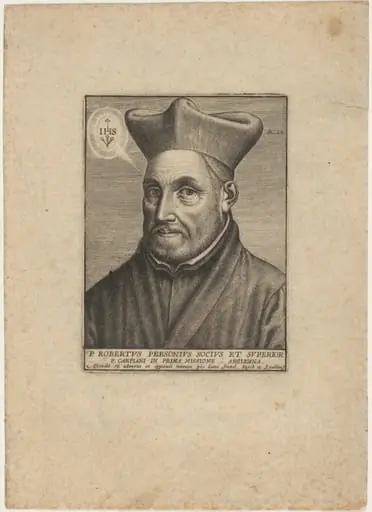
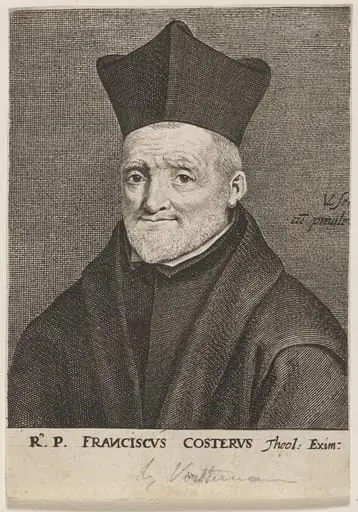
Aegidius Sadeler II, a Flemish engraver active at the court of Rudolf II in Prague, produced an engraving of Saint Ignatius de Loyola in 1600. The print presents a solemn, bearded figure in a high‑collared outfit, set against an unadorned background that concentrates attention on the saint’s visage.
Subject & Meaning
The image portrays Ignatius de Loyola, the founder of the Society of Jesus, in a devotional pose. The inclusion of his name and dates in Latin beneath the portrait underscores its function as a commemorative and instructional representation for the faithful.
Technique & Style
Executed in black‑and‑white line engraving, the work demonstrates Sadeler’s precise incising of metal plates, a method that allowed fine detail such as the crisp collar, the textured beard, and the stark facial lines. The plain backdrop reflects the Renaissance practice of using prints to disseminate clear, recognizable likenesses.
History & Provenance
Sadeler worked from roughly 1570 to 1629, often under the patronage of the Holy Roman Emperor and his successors. This particular print, created during his Prague period, would have circulated among Jesuit circles and collectors interested in religious portraiture.
Context
In the late sixteenth and early seventeenth centuries, engravings served as a primary means of reproducing and spreading images of holy figures. Sadeler’s portrait aligns with that tradition, providing a standardized visual reference for Ignatius de Loyola across Europe.
Artist & collection
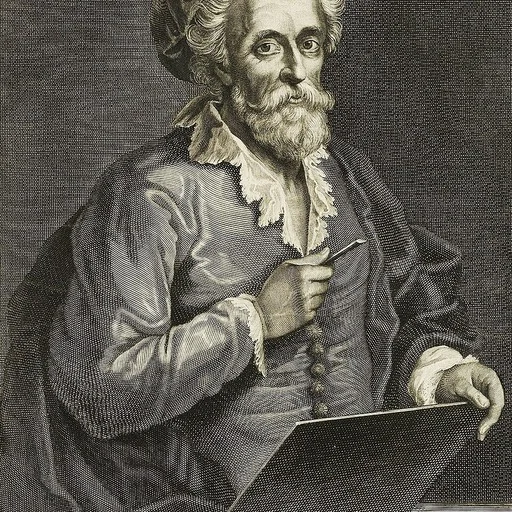
Artist
Aegidius Sadeler or Aegidius Sadeler II (1570–1629) was a Flemish engraver who was principally active at the Prague court of Rudolf II, Holy Roman Emperor and his successors.