Artwork
Peter Schuyler Livingston
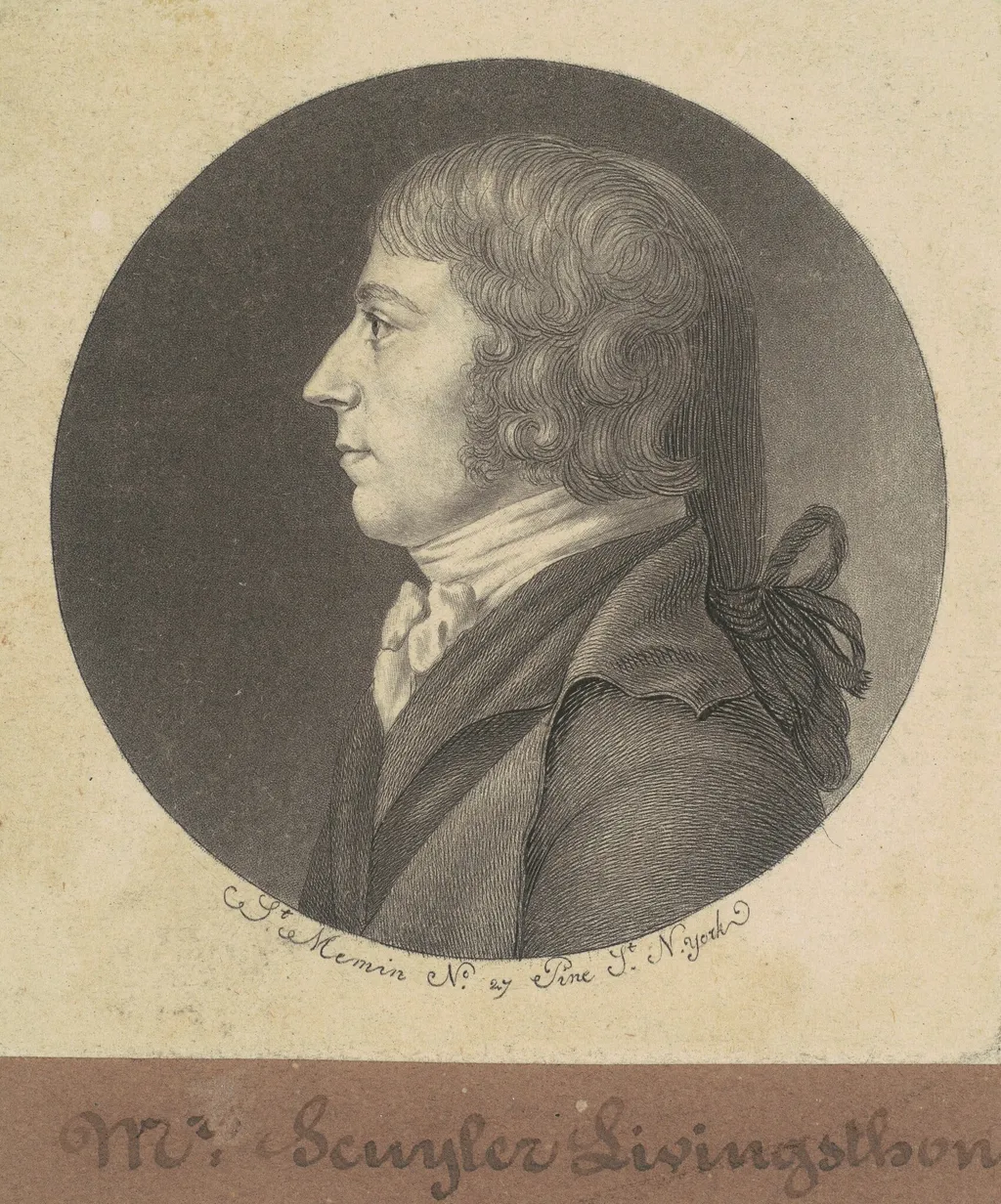
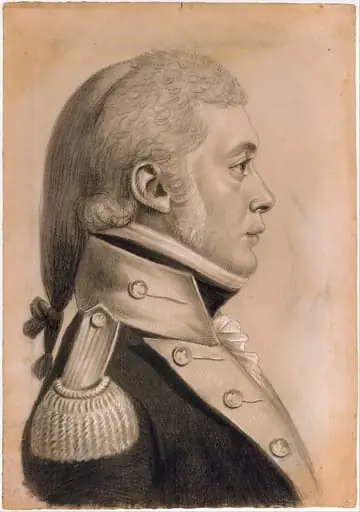
Peter Schuyler Livingston is an ink print by the Romanticist artist Charles Balthazar Julien Févret de Saint-Mémin. It dates from 1797 and is held in the collection of the National Gallery of Art. This print is a mezzotint and engraving by Charles B.
About this work
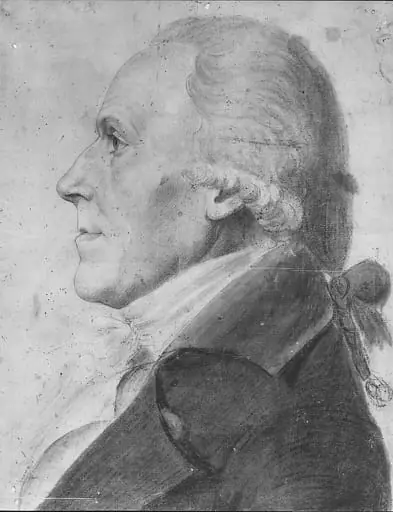
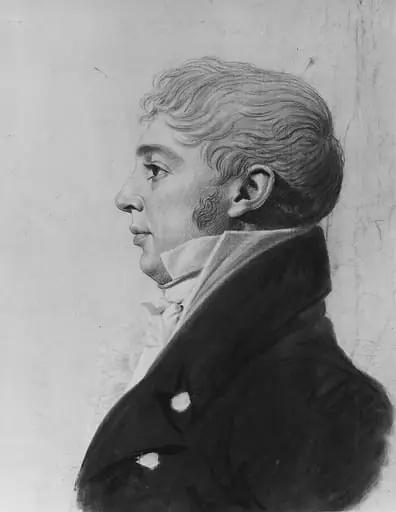
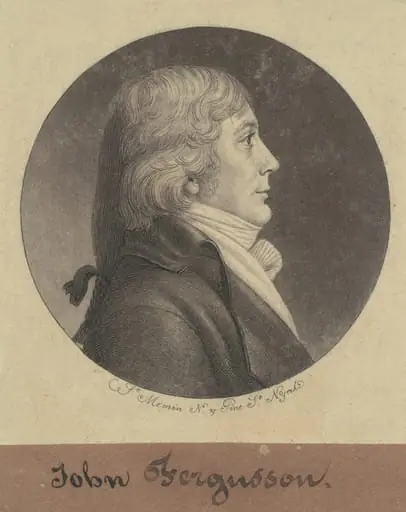
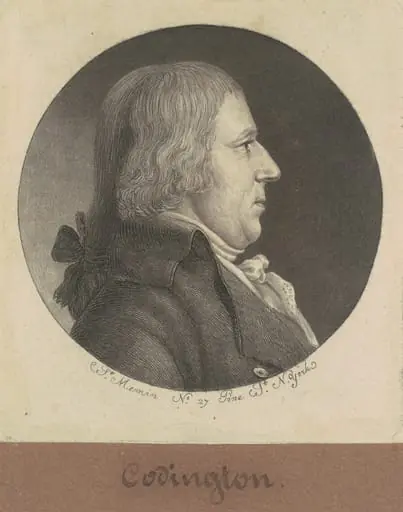
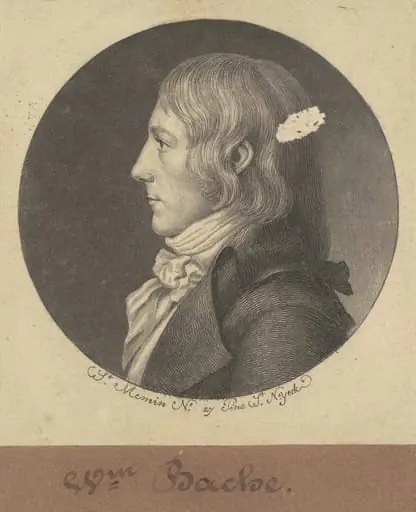
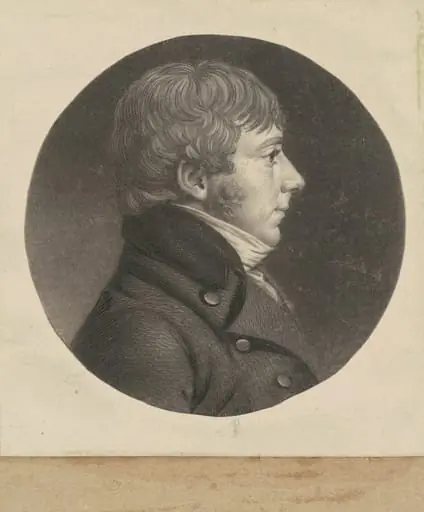
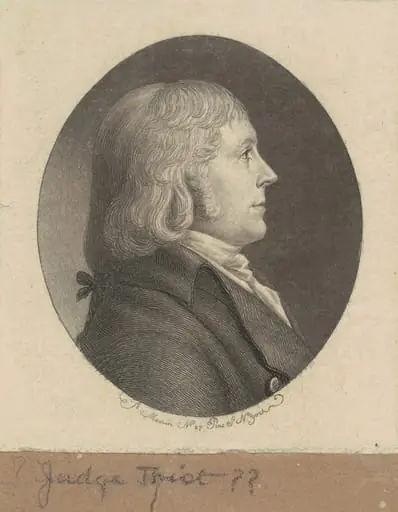
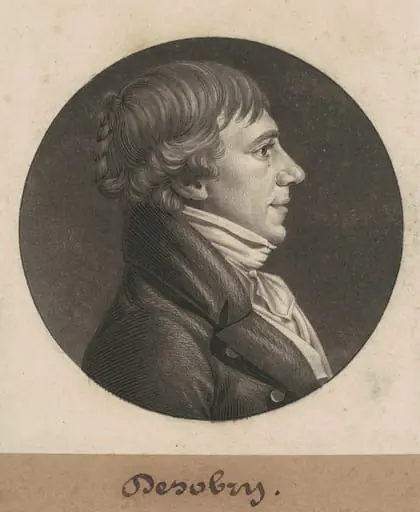
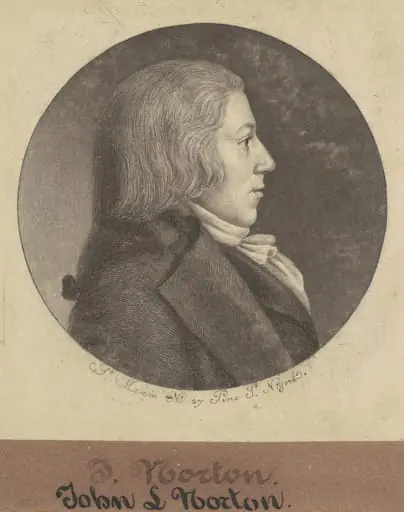
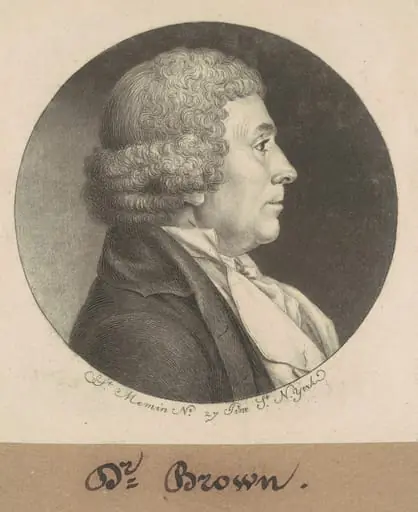
The image shows a small 1797 portrait of Peter Schuyler Livingston. His face is sharp and detailed. The artist used dark ink for depth.
Saint-Mémin made this with a tool called a burnisher to smooth shadows on metal plates. That’s why the face looks so smooth and real. It’s not a painting—it’s an engraving.
Look up Saint-Mémin, Charles B. J. Févret de
Overview
Executed in black ink on wove paper and mounted on a brown support, the work exemplifies Saint-Mémin’s precision in translating portraiture into print.
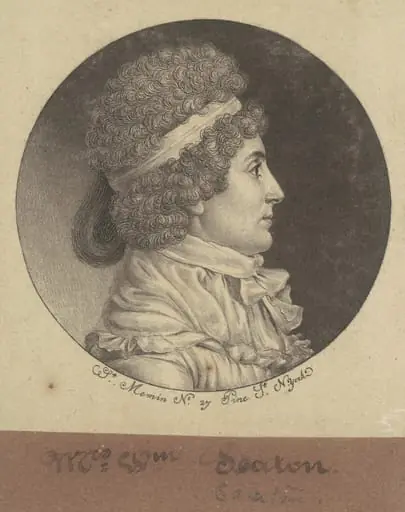
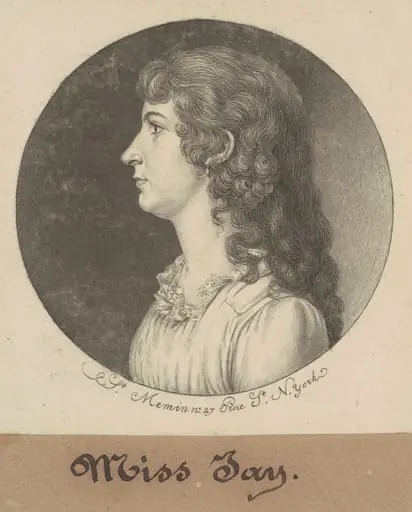
This print is a mezzotint and engraving by Charles B. J. Févret de Saint-Mémin, created in 1797. It depicts Peter Schuyler Livingston in a small, tightly framed portrait, measuring just over five centimeters square. Executed in black ink on wove paper and mounted on a brown support, the work exemplifies Saint-Mémin’s precision in translating portraiture into print. The image is not a painting but a finely detailed reproductive engraving, typical of his method.
Subject & Meaning
Peter Schuyler Livingston was a member of a prominent New York family with deep roots in colonial and early American society. The portrait captures him in quiet dignity, reflecting his social standing. Saint-Mémin’s focus on subtle facial contours and restrained expression emphasizes character over ornamentation, aligning with the era’s preference for sober, authoritative likenesses in elite portraiture.
Technique & Style
Saint-Mémin employed mezzotint and engraving techniques to achieve tonal depth with minimal color. Using a rocker to create a textured plate and a burnisher to refine highlights, he produced smooth gradations of shadow and light. The result is a lifelike rendering of skin and fabric, achieved through meticulous handwork on metal, then transferred to paper. The small scale enhances the intimacy of the likeness.
History & Provenance
The print was made in 1797 during Saint-Mémin’s time in the United States, where he produced numerous portraits of political and social figures. It entered the collection of the Smithsonian Institution, where it remains today. Its preservation reflects its significance as an example of early American printmaking and the work of a French émigré artist who shaped visual documentation of the nation’s elite.
Context
In the late 18th century, engraved portraits served as accessible alternatives to painted likenesses, especially among the educated class. Saint-Mémin, trained in France, brought European printmaking techniques to the U.S., where demand for accurate, reproducible images of public figures was growing. His work bridged artistic tradition and emerging American identity through disciplined, detail-oriented portraiture.
Legacy
Saint-Mémin’s prints, including this one, remain important records of early American society. His technical rigor influenced subsequent generations of American engravers. While not widely known today, his body of work provides a visual archive of the nation’s founding generation, valued for its fidelity and craftsmanship rather than flamboyance.
Artist & collection

Artist
Charles Balthazar Julien Févret de Saint-Mémin
Charles Balthazar Julien Févret de Saint-Mémin (French pronunciation: ; 1770–1852) was a French portrait painter and museum director.