Artwork
William Bache
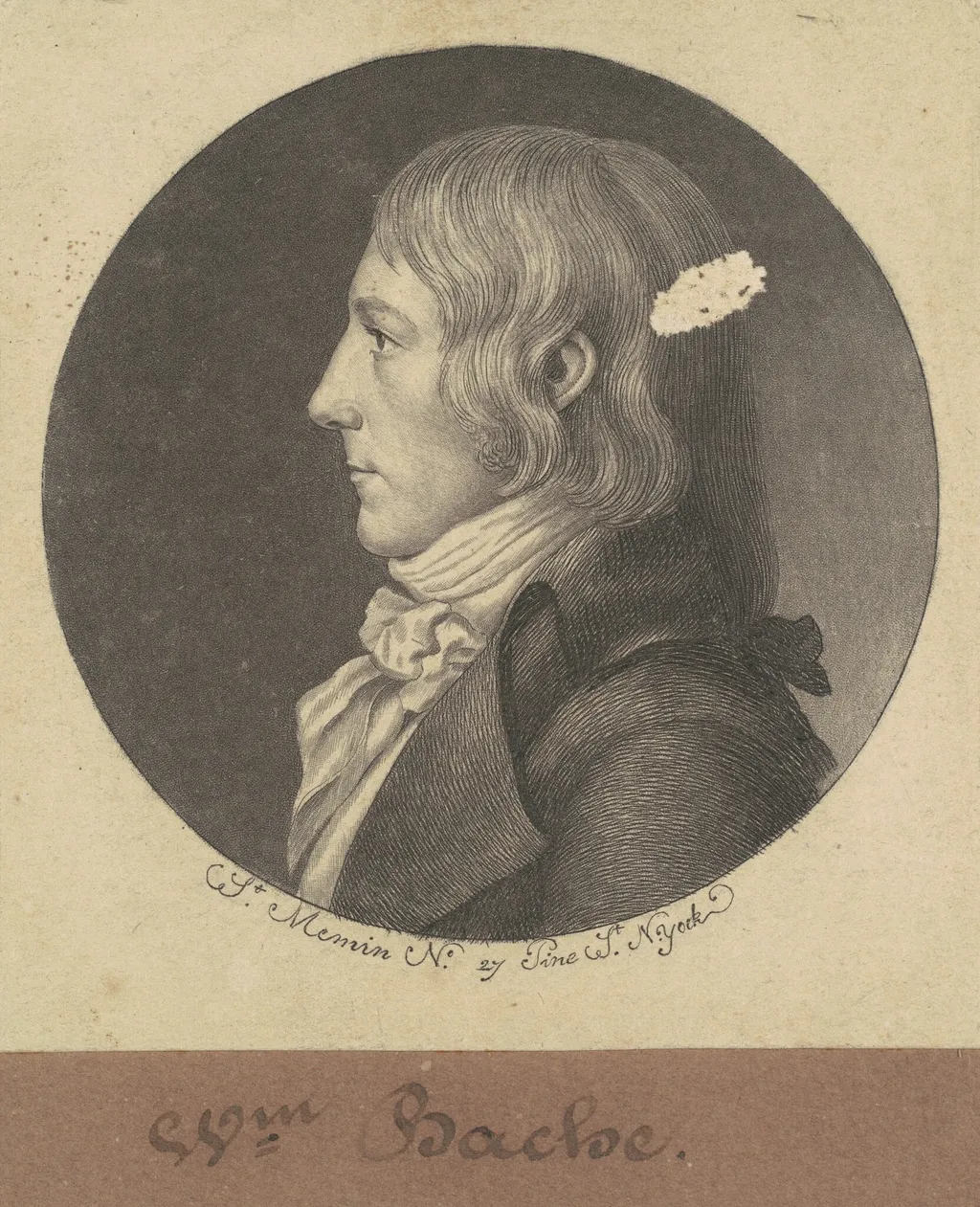
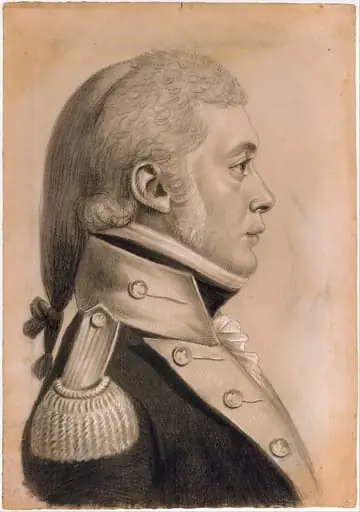
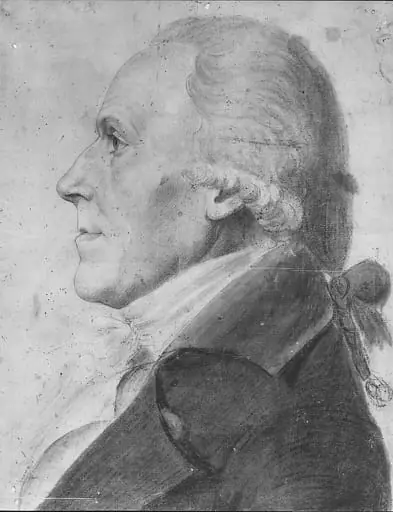
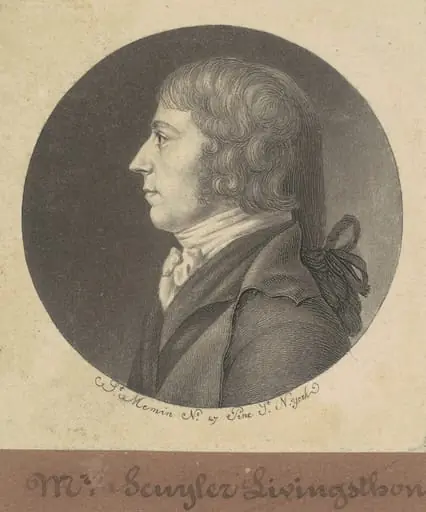
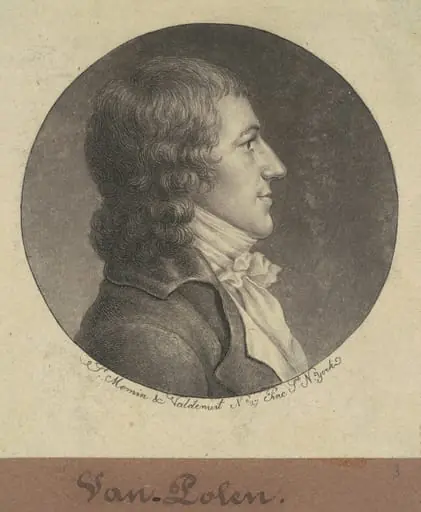
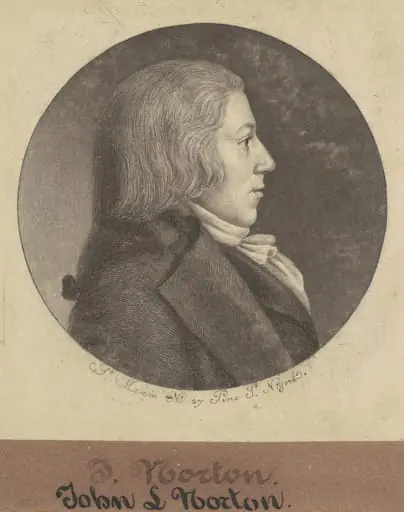
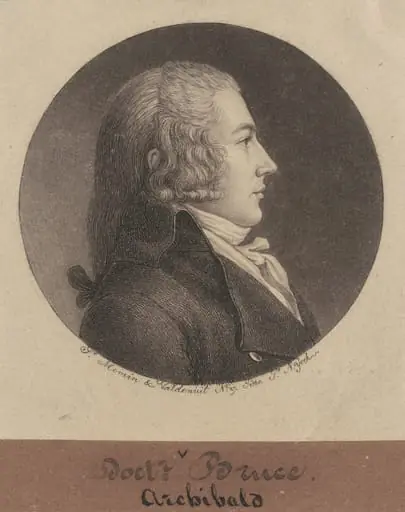
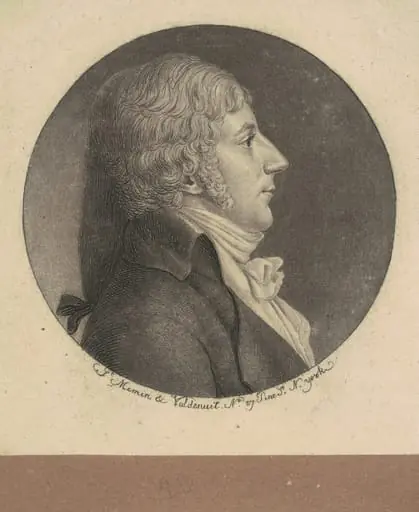
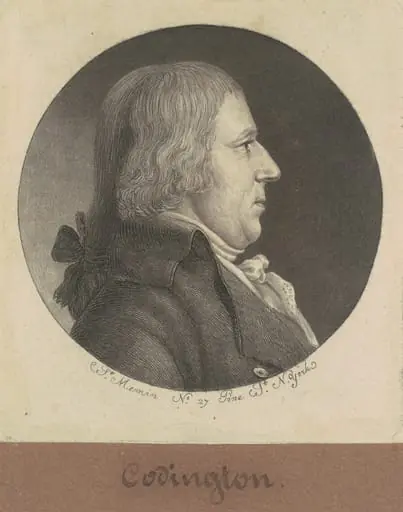
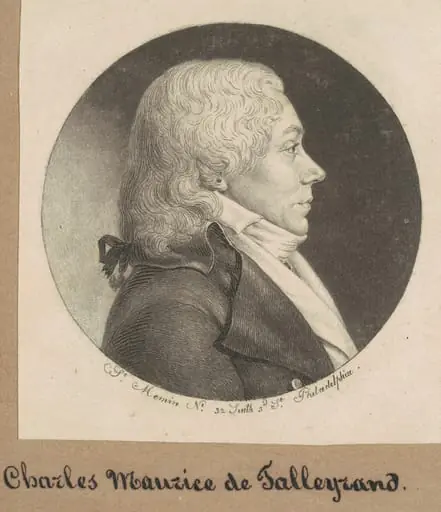
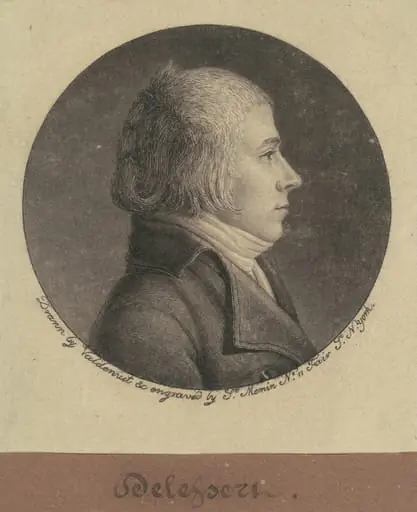
William Bache is an ink print by the Romanticist artist Charles Balthazar Julien Févret de Saint-Mémin. It dates from 1797 and is held in the collection of the National Gallery of Art. This mezzotint and engraving on wove paper, created by Charles B.
About this work
Overview
This mezzotint and engraving on wove paper, created by Charles B. J. Févret de Saint-Mémin in 1797, portrays William Bache, an American silversmith, in a formal, circular-framed portrait.
Subject & Meaning
The subject, William Bache, is depicted with distinctive facial features and styled hair, wearing a dark coat. The portrait emphasizes Bache's identity as a silversmith, highlighting his professional role.
Technique & Style
Executed in mezzotint and engraving in black, the work showcases a detailed, high-contrast technique. The plain circular background focuses attention on the sitter, while the dark coat and styled hair contribute to a sense of elegance and professionalism.
History & Provenance
Created in 1797 by Févret de Saint-Mémin, the portrait is mounted on brown wove paper. Further provenance details are not provided.
Context
As a portrait of an American silversmith from the late 18th century, this work reflects the era's interest in documenting professions and personalities. The use of mezzotint and engraving was a popular method for portrait reproduction during this time.
Legacy
While the artwork's broader impact is not specified, it remains notable for its detailed portrayal of William Bache and its demonstration of mezzotint and engraving techniques of the time.
Artist & collection

Artist
Charles Balthazar Julien Févret de Saint-Mémin
Charles Balthazar Julien Févret de Saint-Mémin (French pronunciation: ; 1770–1852) was a French portrait painter and museum director.