Artwork
Calcutta. The Custom House Landing Place. Shipping in the River Hoogly
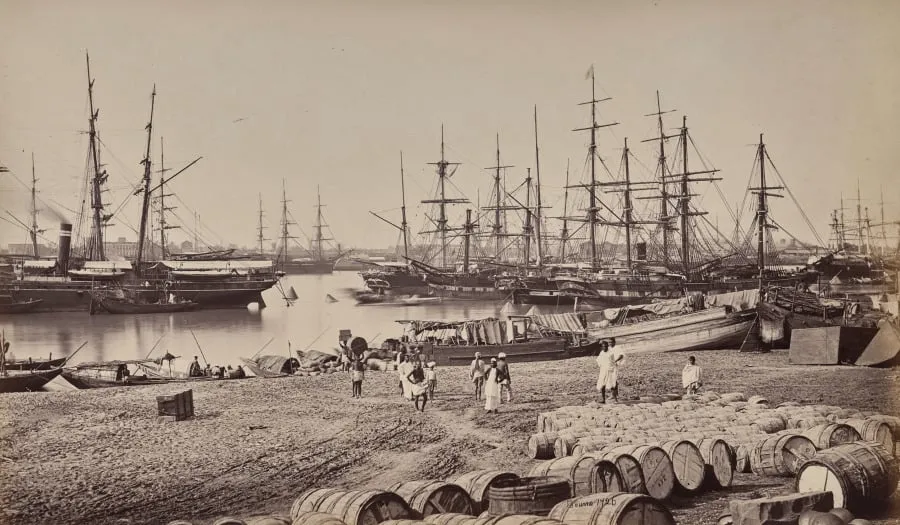
Calcutta. The Custom House Landing Place. Shipping in the River Hoogly is a photography by the Impressionist artist Samuel Bourne. It dates from 1866 and is held in the collection of the Cleveland Museum of Art.
About this work
Overview
The scene focuses on the Custom House and the bustling port activity, offering a detailed record of urban infrastructure during colonial rule.
This photograph, taken in the 1860s, captures the riverfront at Calcutta along the Hooghly River, part of a larger album of fifty images documenting British India. The scene focuses on the Custom House and the bustling port activity, offering a detailed record of urban infrastructure during colonial rule. The image belongs to a series that traces geographic and architectural transitions from the Himalayas to major urban centers, preserving views before widespread modernization.
Subject & Meaning
The photograph centers on the Custom House, a key administrative building for trade, flanked by a mix of large sailing vessels and smaller native boats. The composition reflects Calcutta’s role as a commercial hub under British control, where maritime activity supported imperial economic interests. The absence of industrial machinery underscores the pre-modern character of the port, emphasizing its function as a node in a global trade network reliant on wind and human labor.
Technique & Style
The image is a wet-plate collodion photograph, typical of mid-19th-century documentary practice. Sharp detail in the stone architecture and ship rigging contrasts with the soft haze of the atmosphere, suggesting long exposure and natural lighting. The framing is deliberate, positioning the Custom House as a stable anchor amid the dynamic movement of boats and water, reinforcing the building’s authority within the landscape.
History & Provenance
The photograph was produced during the height of British colonial administration in India, likely by a professional photographer working for a government or commercial patron. It was included in a curated album documenting architectural and urban sites across northern India, intended for archival or educational use. The album’s survival provides rare visual evidence of Calcutta’s pre-industrial waterfront before 20th-century redevelopment altered its character.
Context
In the 1860s, Calcutta served as the capital of British India and a primary port for the export of cotton, jute, and opium. The Hooghly River was vital for transporting goods between inland regions and global markets. The presence of both European-style vessels and indigenous craft illustrates the hybrid nature of colonial trade, while the Custom House symbolized imperial control over commerce and taxation.
Legacy
This image remains a primary source for understanding the morphology of colonial port cities in South Asia. Its preservation allows scholars to compare 19th-century urban layouts with later transformations, particularly in infrastructure and land use. As one of few surviving photographic records from this period, it contributes to broader studies of colonial visual culture and the material history of British India.
Artist & collection

Artist
Samuel Bourne was a British photographer known for his prolific seven years' work in India, from 1863 to 1870.

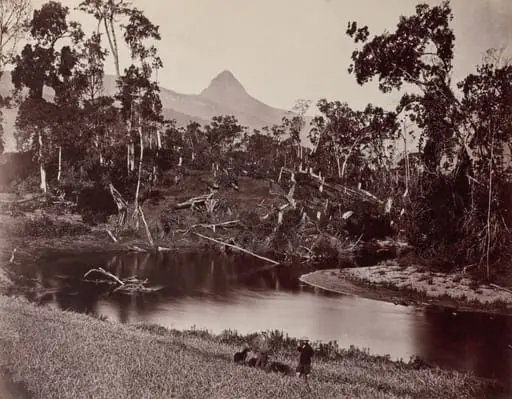 Ceylon Views to Adam's Tooth
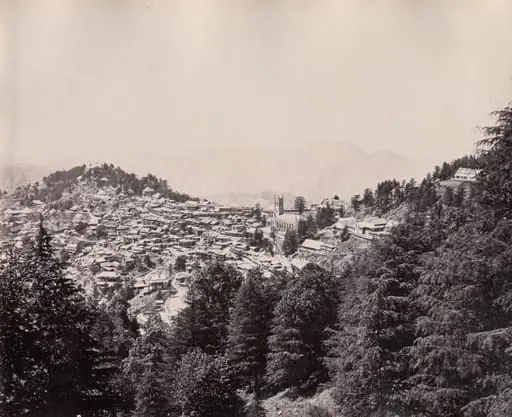 Shimla
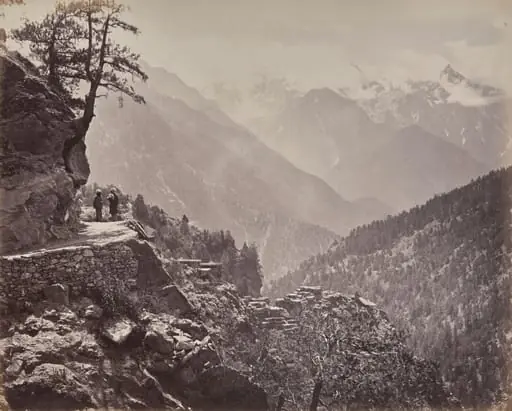 The Upper Himmalayahs. View on the New Road between India and China. Mt. Pangi with the Snowy Peaks of China in the Distance
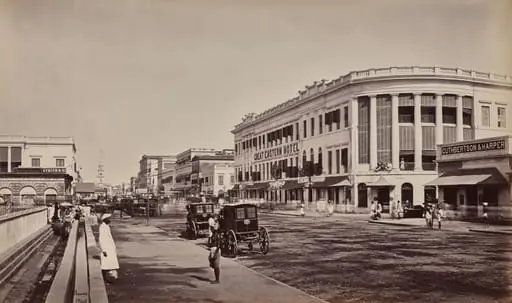 Calcutta. Old Court House Street
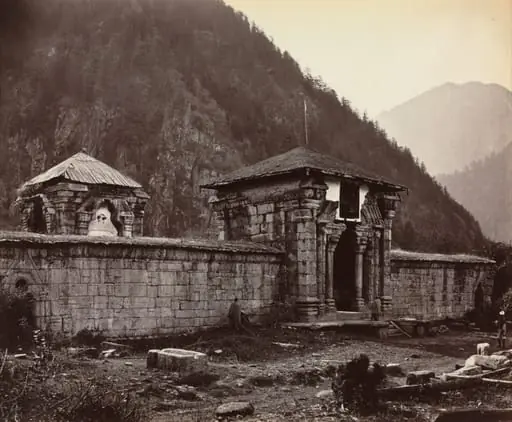 Temple at Naveshera, Kashmir, India
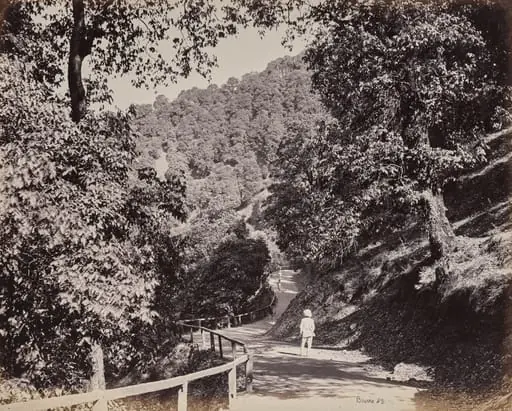 Shimla. The Mall near Rabq Lodge
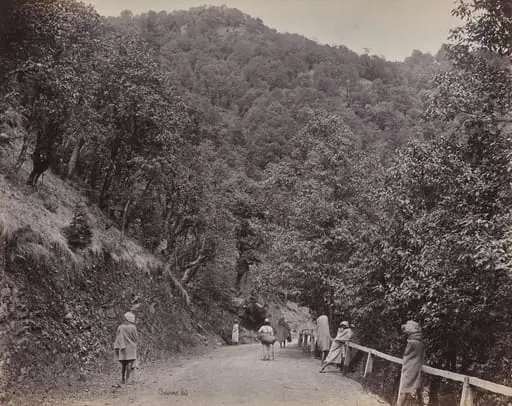 Shimla. The Mall or Principal
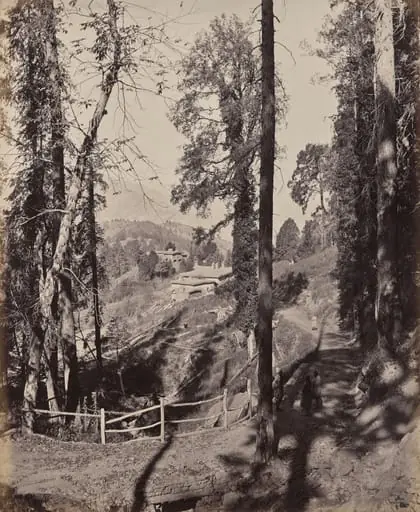 Murree. A Hill Station in the Himmalayahs, View Through the Forest
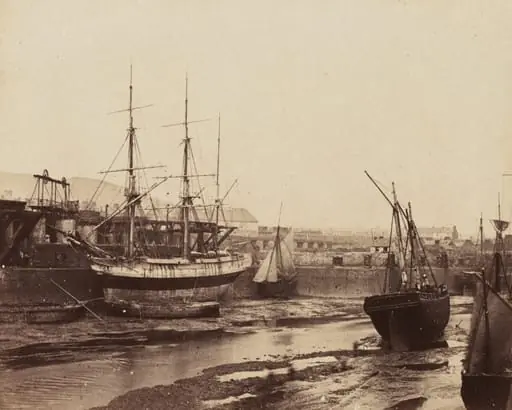 Harbour, Swansea, Wales
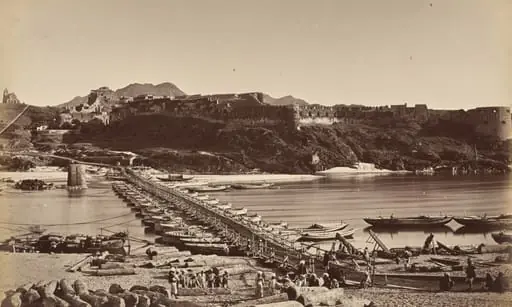 The Bridge of Boats and Fort from Khairabad
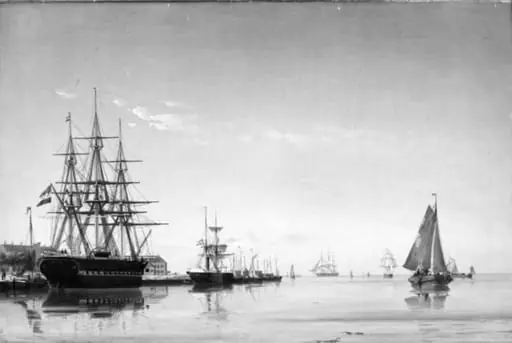 The Harbour at Nieuwe Diep in North Holland
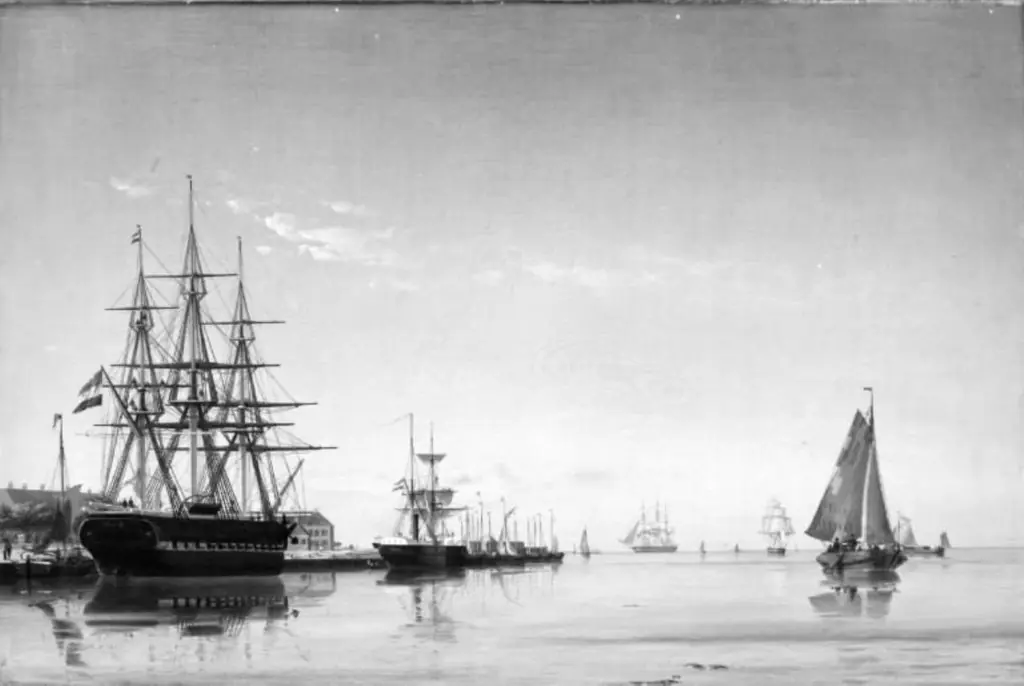 The Harbour at Nieuwe Diep in North Holland
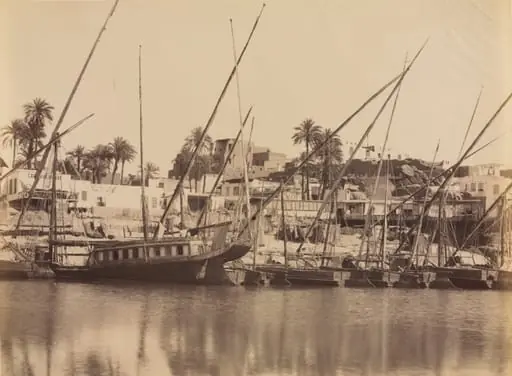 View of Aswan - Along the Nile
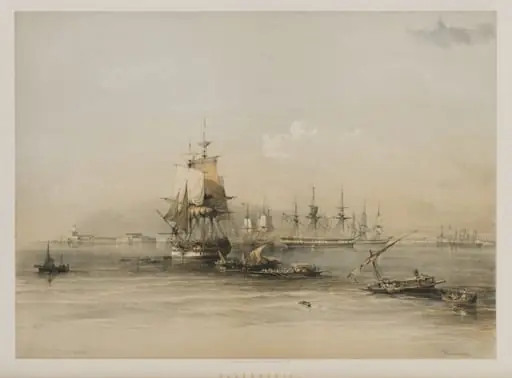 Egypt and Nubia, Volume III: Alexandria
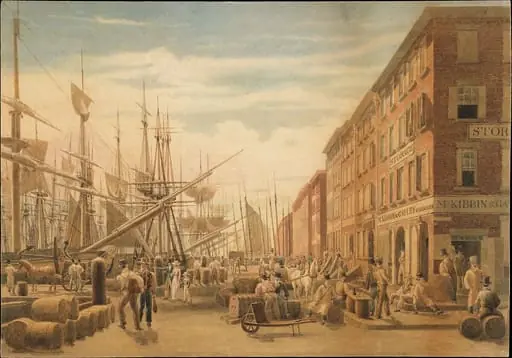 View of South Street, from Maiden Lane, New York City
 Midday break at a Shipyard on the Maas
 Deck Scene of the Great Eastern
 Agra. View of the Taj from a Corner in the Quadrangle