Artwork
Facisimilies of Sketches made in Flanders and Germany: Dome, Francfort
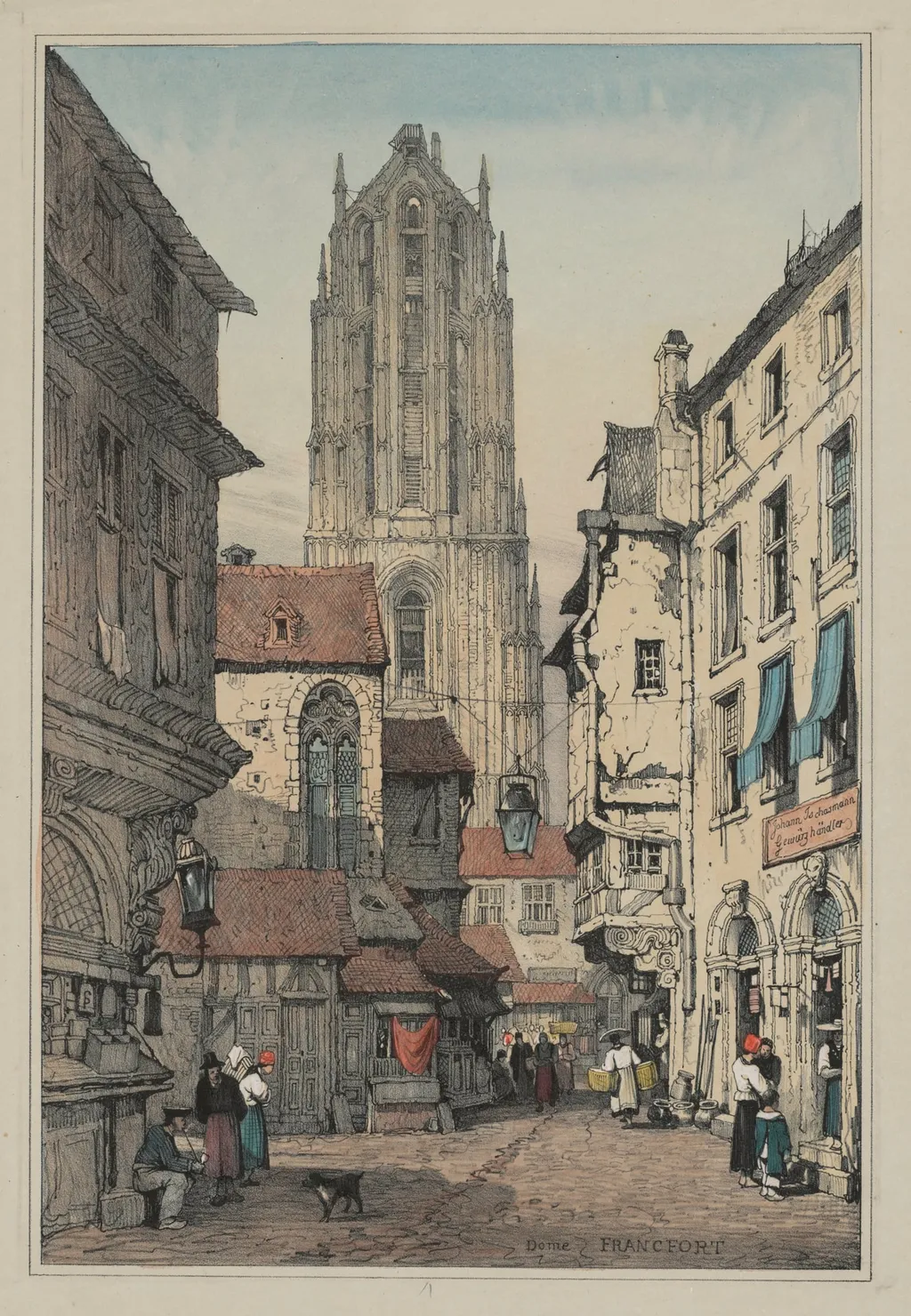
Facisimilies of Sketches made in Flanders and Germany: Dome, Francfort is a print by the Romanticist artist Samuel Prout. It dates from 1833 and is held in the collection of the Cleveland Museum of Art.
About this work
Overview
The image is held in the collection of The Cleveland Museum of Art and reflects his interest in documenting vernacular urban life through precise observation.
This print by Samuel Prout, dated around 1833, is a detailed depiction of a street in Frankfurt, capturing the architectural and social texture of a German town. It belongs to a series of works based on sketches made during Prout’s travels in Flanders and Germany. The image is held in the collection of The Cleveland Museum of Art and reflects his interest in documenting vernacular urban life through precise observation.
Subject & Meaning
The scene portrays ordinary daily activity in a medieval-style street, with pedestrians, a resting dog, and open shopfronts suggesting a functioning community. The towering church spire anchors the composition, symbolizing the spiritual and civic centrality of religious architecture. The weathered timber-framed buildings and foreign-script signage convey a sense of historical continuity and local identity, emphasizing authenticity over idealization.
Technique & Style
Prout employed fine, controlled line work to define the intricate facades and architectural details, while soft washes of ink and tone modeled the play of light and shadow. The contrast between the sharp outlines of structures and the muted, atmospheric backgrounds creates depth without heavy modeling. His approach favors clarity and texture over dramatic effect, aligning with topographical traditions of the period.
History & Provenance
Created during Prout’s travels in the early 1830s, this print was likely produced as part of a published series intended for an English audience interested in continental architecture. It entered the Cleveland Museum of Art’s collection through documented acquisitions, preserving its role as a record of 19th-century artistic engagement with Northern European urban landscapes.
Context
Prout’s work emerged amid a growing European fascination with medieval and vernacular architecture, fueled by Romanticism and early preservation movements. His sketches responded to a public appetite for authentic depictions of historic towns, contrasting with idealized classical views. This print reflects a shift toward documenting everyday environments as culturally significant, not merely picturesque.
Legacy
Prout’s detailed renderings influenced later topographical artists and contributed to the documentation of pre-industrial European streetscapes. While not widely known today, his work remains a valuable resource for historians studying urban form and daily life in the early 19th century. The Cleveland Museum’s holding ensures continued access to this quiet, observant record of a vanishing architectural world.
Artist & collection
Artist
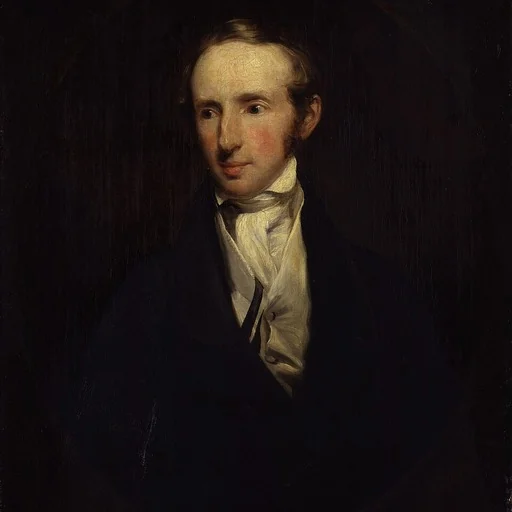
Samuel Prout (; 17 September 1783 – 10 February 1852) was a British watercolourist, and one of the masters of watercolour architectural painting, who largely invented the genre of the grand steet scene in British…

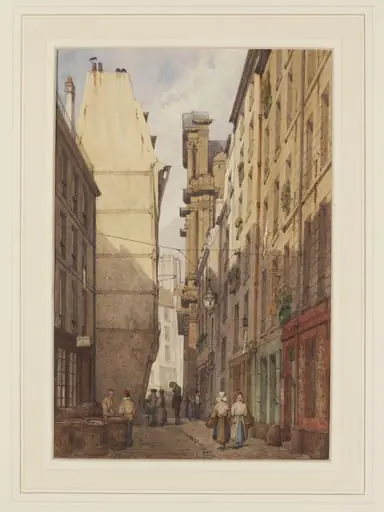 The Church of St Gervais, Paris
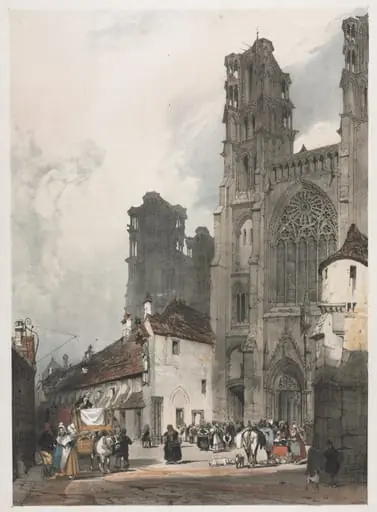 Picturesque Architecture in Paris, Ghent, Antwerp, Rouen: Laon, France
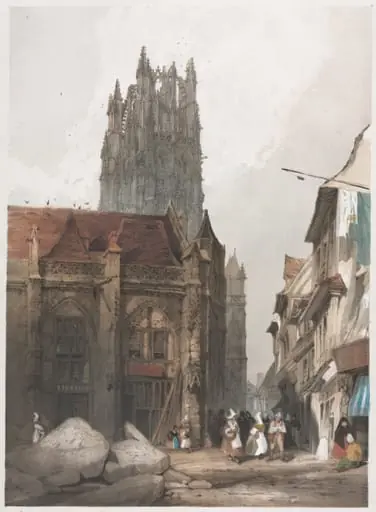 Picturesque Architecture in Paris, Ghent, Antwerp, Rouen: St. Laurent, Rouen, France
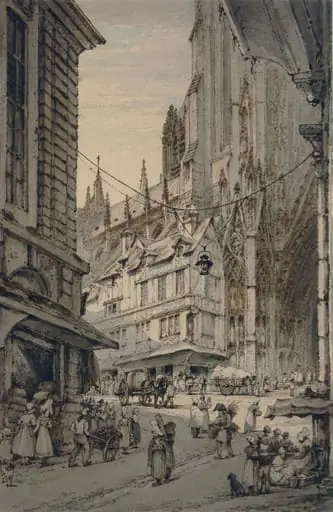 Rouen
Rouen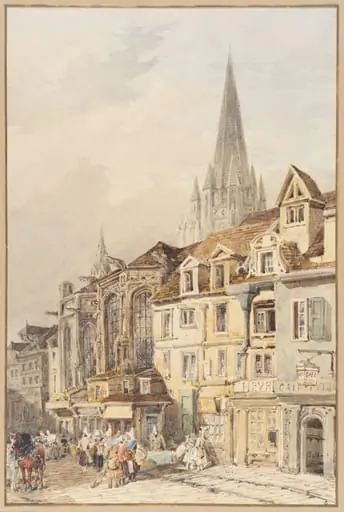 View at Caen, Normandy
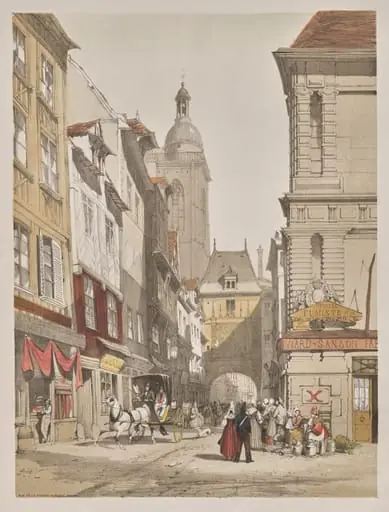 Picturesque Architecture in Paris, Ghent, Antwerp, Rouen: Rue de la Crosse Horlogue, Rouen, France
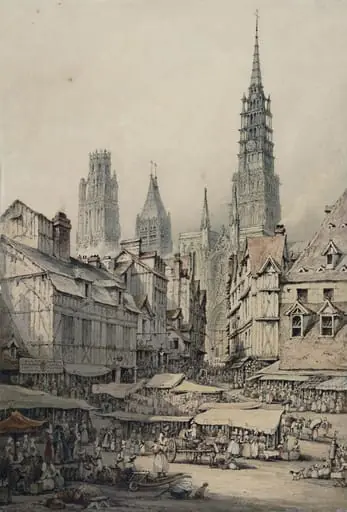 The Market Place at Rouen
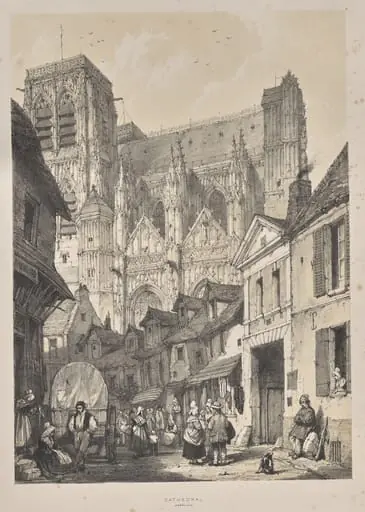 Architecture of the Middle Ages: Cathedral, Abbeville
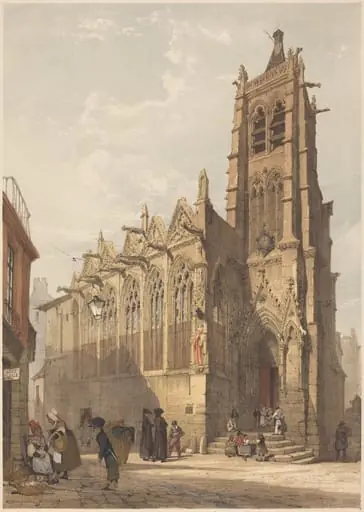 St. Séverin, Paris
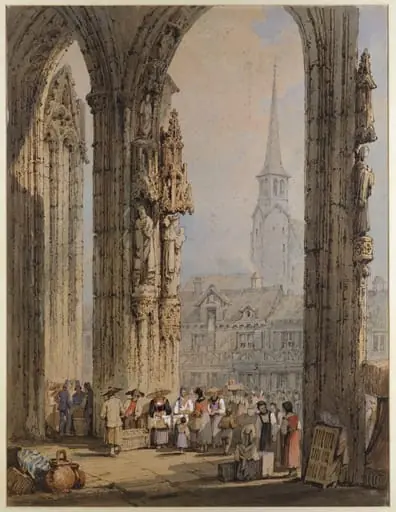 Scene from a church porch