Artwork
The Immaculate Conception
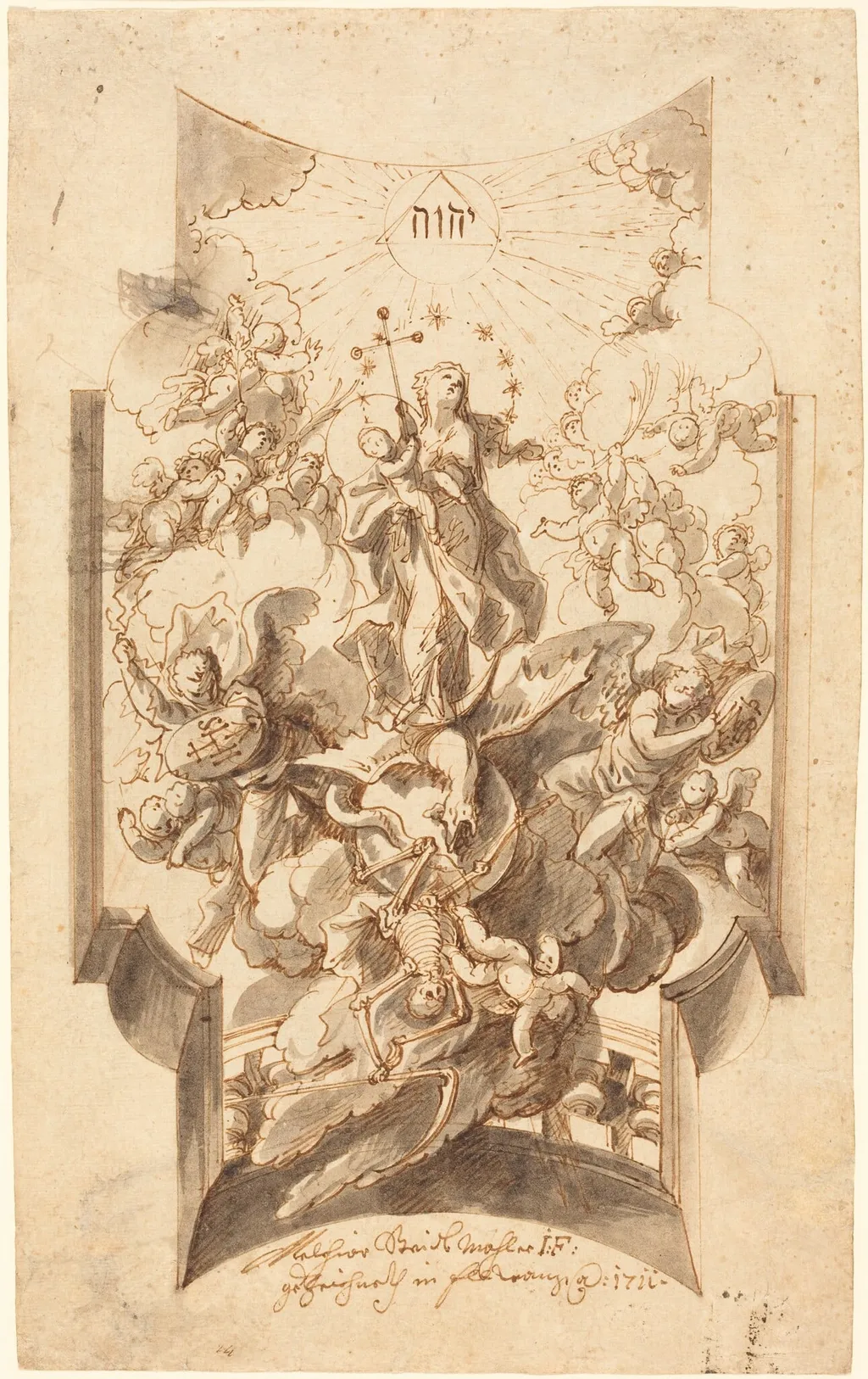
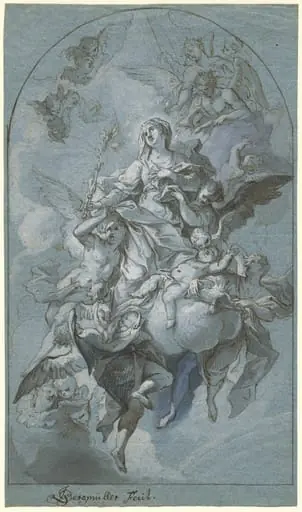
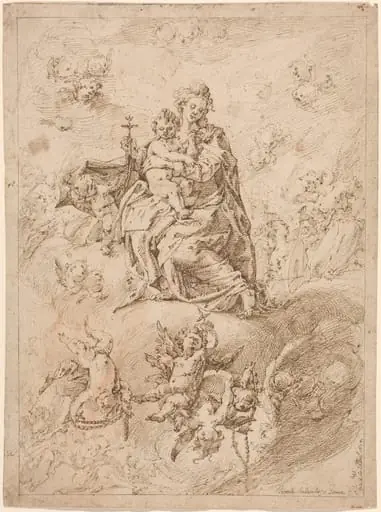
The Immaculate Conception is an ink drawing by the Baroque artist Melchior Steidl. It dates from 1711 and is held in the collection of the National Gallery of Art.
About this work
The painting is titled The Immaculate Conception.
It was created by Steidl, Melchior in 1711.
The work is part of the Baroque movement, which was popular in Europe during that time, and it's an allegory, which means it uses symbols to convey a message, often with a moral or spiritual theme.
To learn more about this style, look up the movement: Baroque.
Overview
The Immaculate Conception is a drawing created by Melchior Steidl in 1711 using pen and brown ink with gray wash on laid paper.
Technique & Style
Executed in pen and brown ink with gray wash, this work exemplifies the Baroque style, characterized by dramatic lighting and intense emotions, prevalent in European art during the early 18th century.
Subject & Meaning
The drawing depicts the Immaculate Conception, an allegorical representation that employs symbolic imagery to convey a spiritual theme, in this case, related to the Catholic doctrine of the Virgin Mary's sinless conception.
Artist & collection


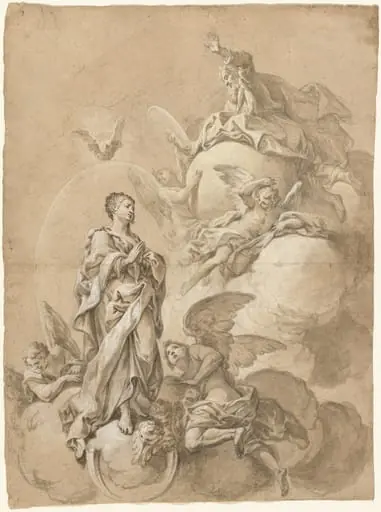
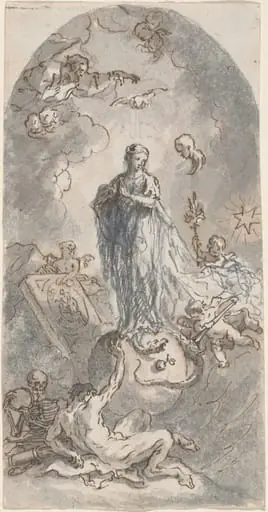 The Virgin of the Immaculate Conception (recto)
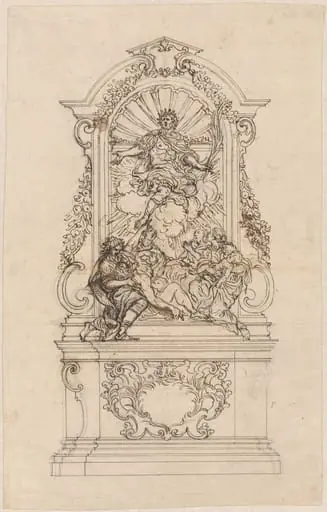 A Reliquary of Saint Sigismondo
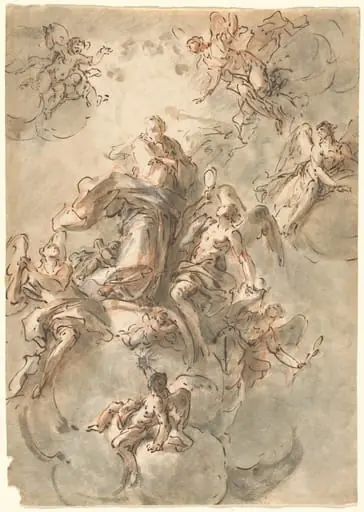
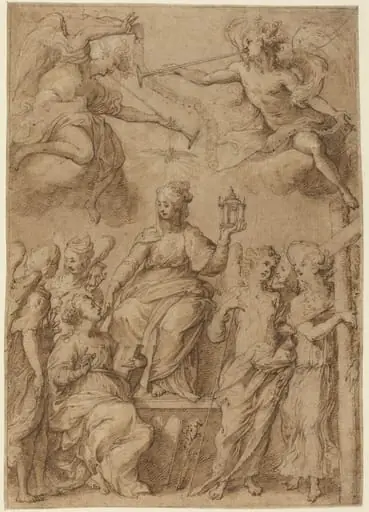 Ecclesia Surrounded by Angels Holding the Instruments of the Passion
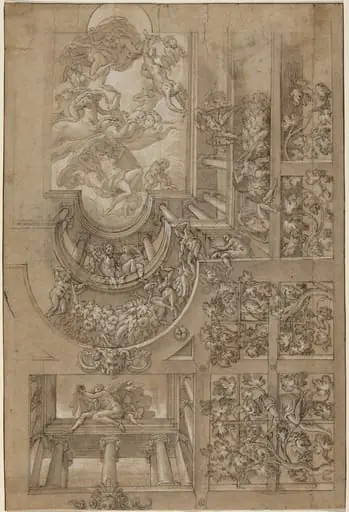 Illusionistic Ceiling with a Grape Arbor, Figures Poised on Galleries, and a Central Scene of Olympian Gods
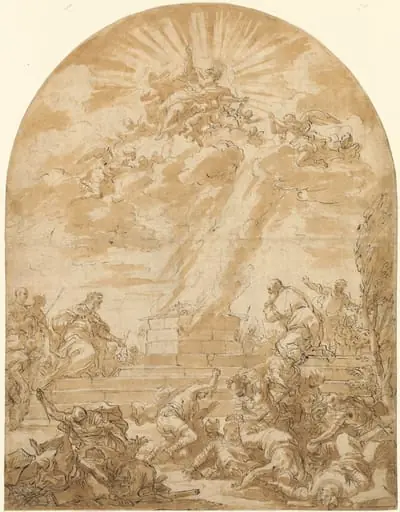 The Sacrifice of Elijah before King Ahab
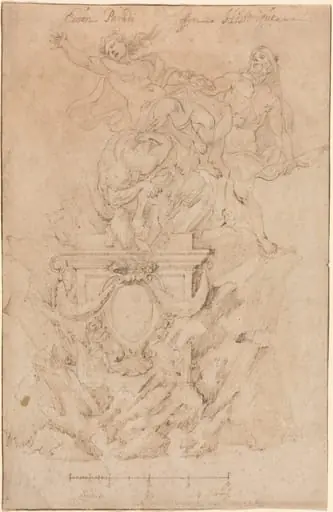 The Rescue of Deianeira
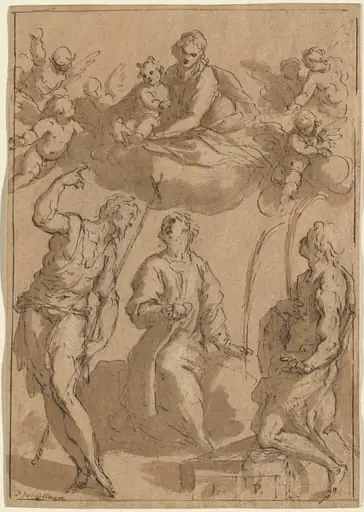 Madonna and Child in Glory with Saints John the Baptist, Stephen, and Lawrence
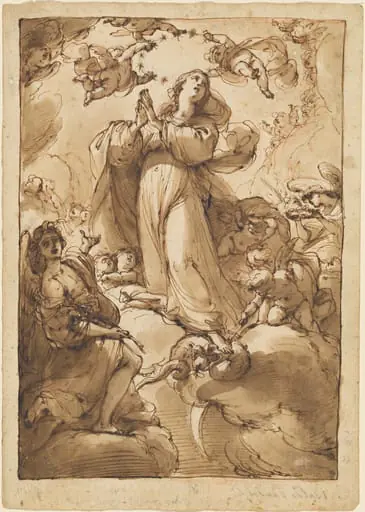
 The Madonna of the Rosary